Tag

Propulsion System

All articles tagged with #propulsion system

science6 months ago

NASA’s Psyche Spacecraft Resumes Full Propulsion

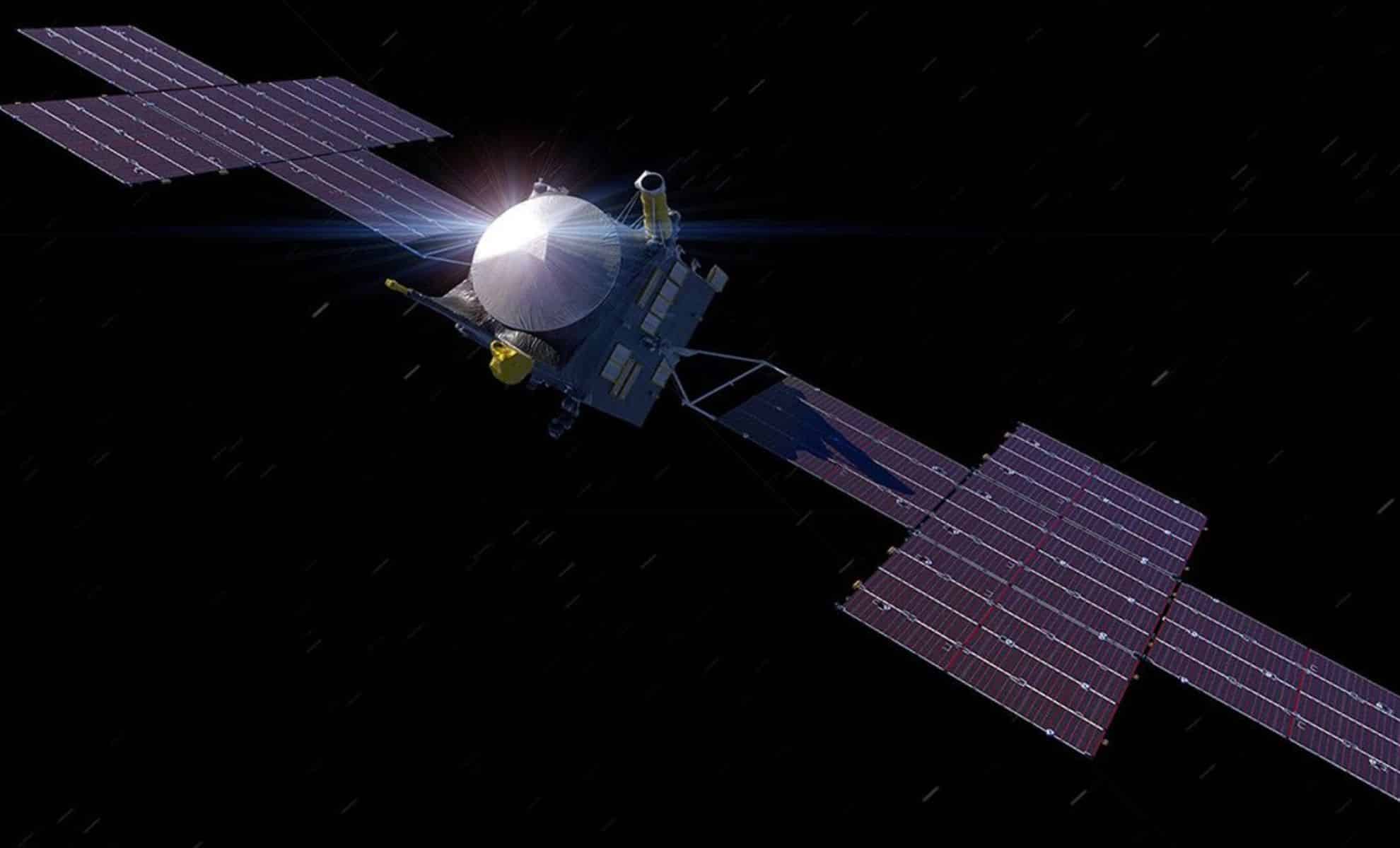
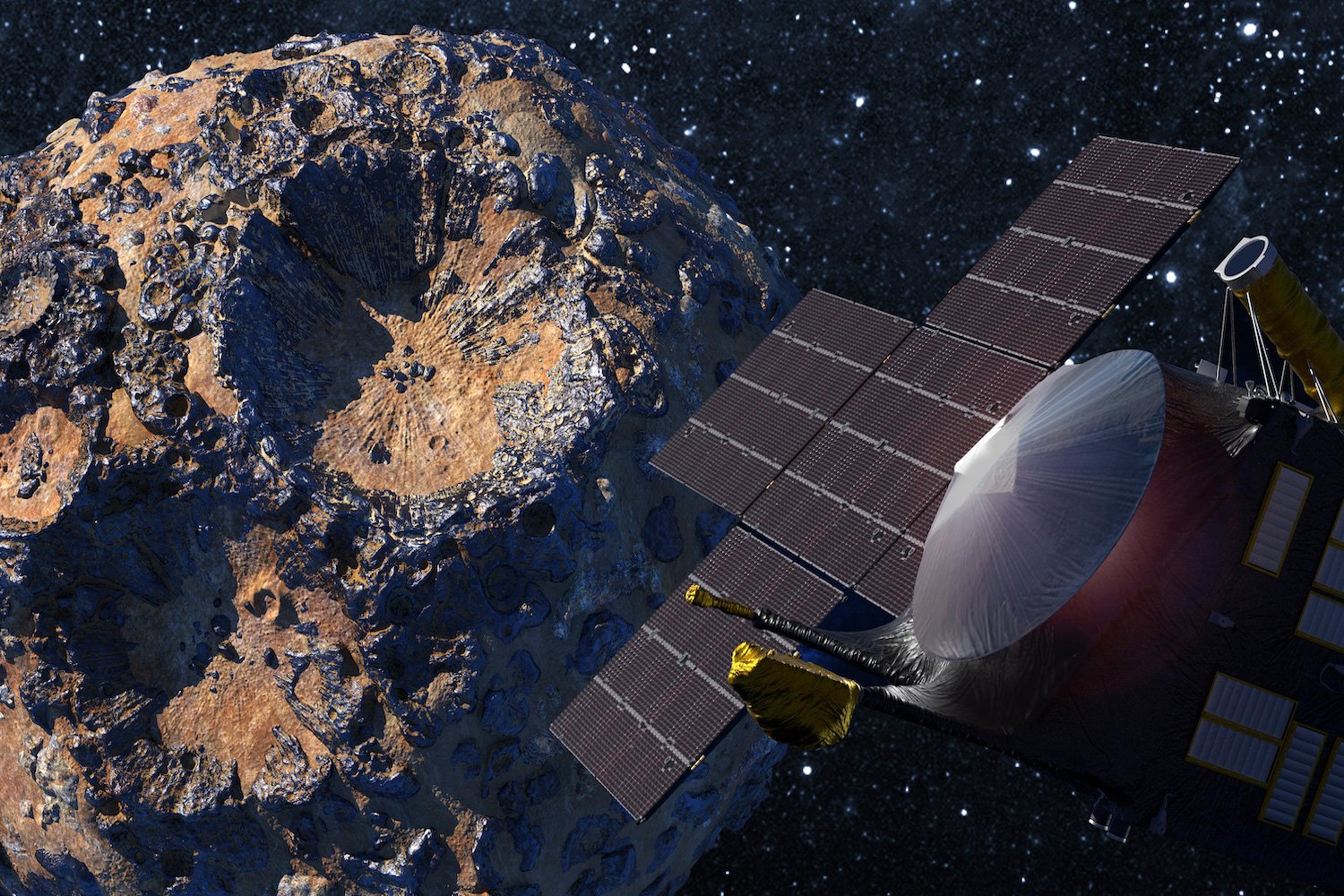
NASA's Psyche spacecraft has resumed full propulsion after a temporary halt caused by a valve issue in its xenon propulsion system, which was successfully rerouted to a backup line. This recovery ensures the mission remains on track for its 2029 arrival at a metal-rich asteroid, with the spacecraft now operating reliably for its planned trajectory and scientific objectives.
space-exploration1 year ago

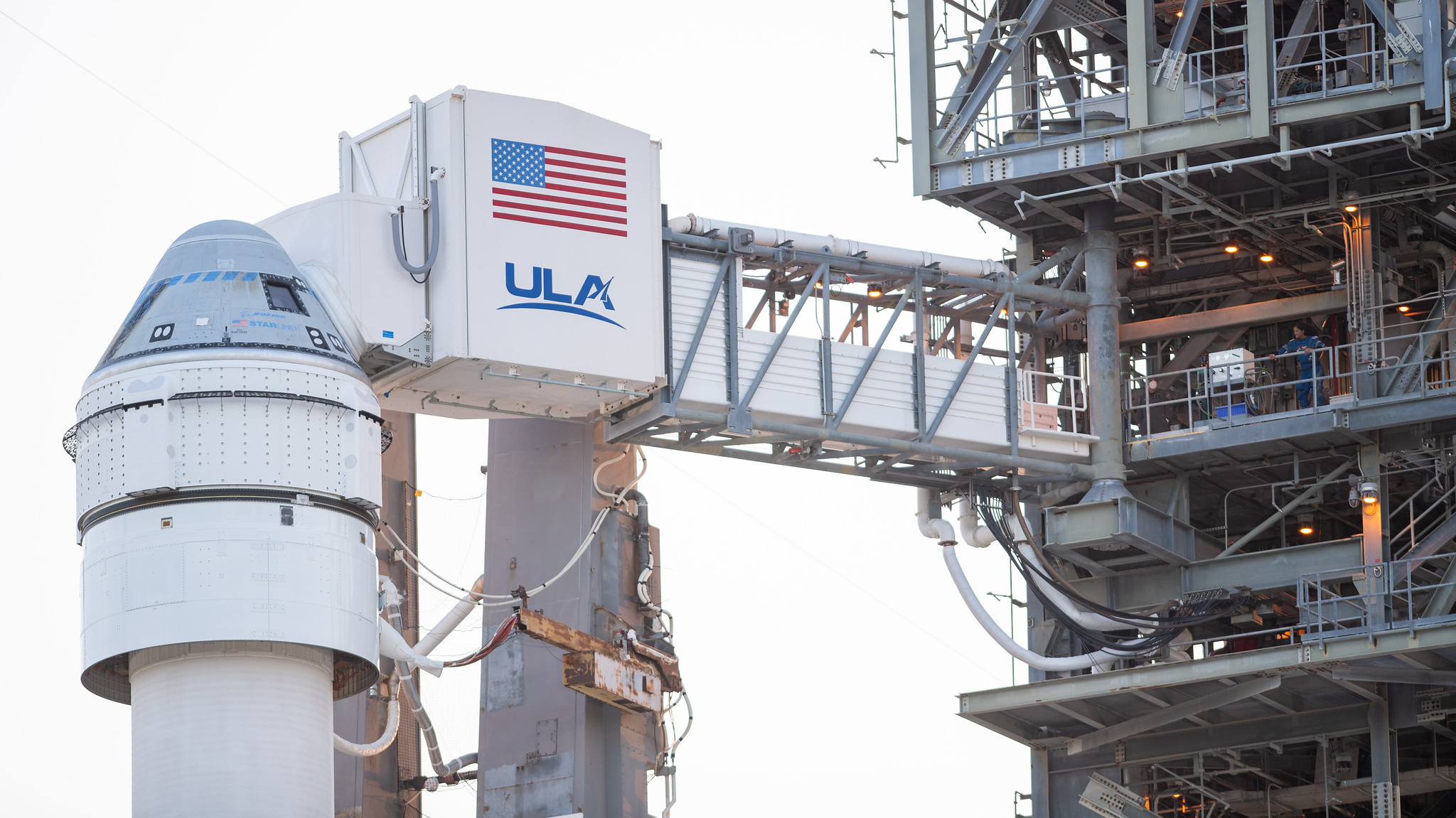
NASA and Boeing Press On with Starliner Test Despite Challenges

NASA and Boeing are moving forward with the June 1 launch of the CST-100 Starliner crewed test flight despite discovering a helium leak in the spacecraft's propulsion system. The leak, caused by a defective seal, is not considered a safety issue, and engineers have developed a new deorbit reentry mode to address a rare design vulnerability. Final preparations for the launch are underway, with backup launch opportunities available in early June.

spacescience1 year ago

"Experimental Quantum Drive Spacecraft Goes Silent in Deep Space"

Contact has been lost with a spacecraft carrying an experimental quantum drive, which was intended to demonstrate a propellantless propulsion system's ability to alter the satellite's orbit. The test, involving the highly controversial quantum drive developed by IVO limited, failed to initiate before the satellite fell silent due to ongoing power-system issues. Despite skepticism from scientists, IVO claims its quantum drive could be significantly more efficient than existing ion drives, but the technology has yet to be proven in large-scale tests, let alone in space. Undeterred by the setback, IVO plans to conduct further orbital tests with the quantum drive, despite the unceremonious end to the initial demonstration.

space-technology2 years ago

NASA Achieves Success with 3D-Printed Rotating Detonation Rocket Engine Test

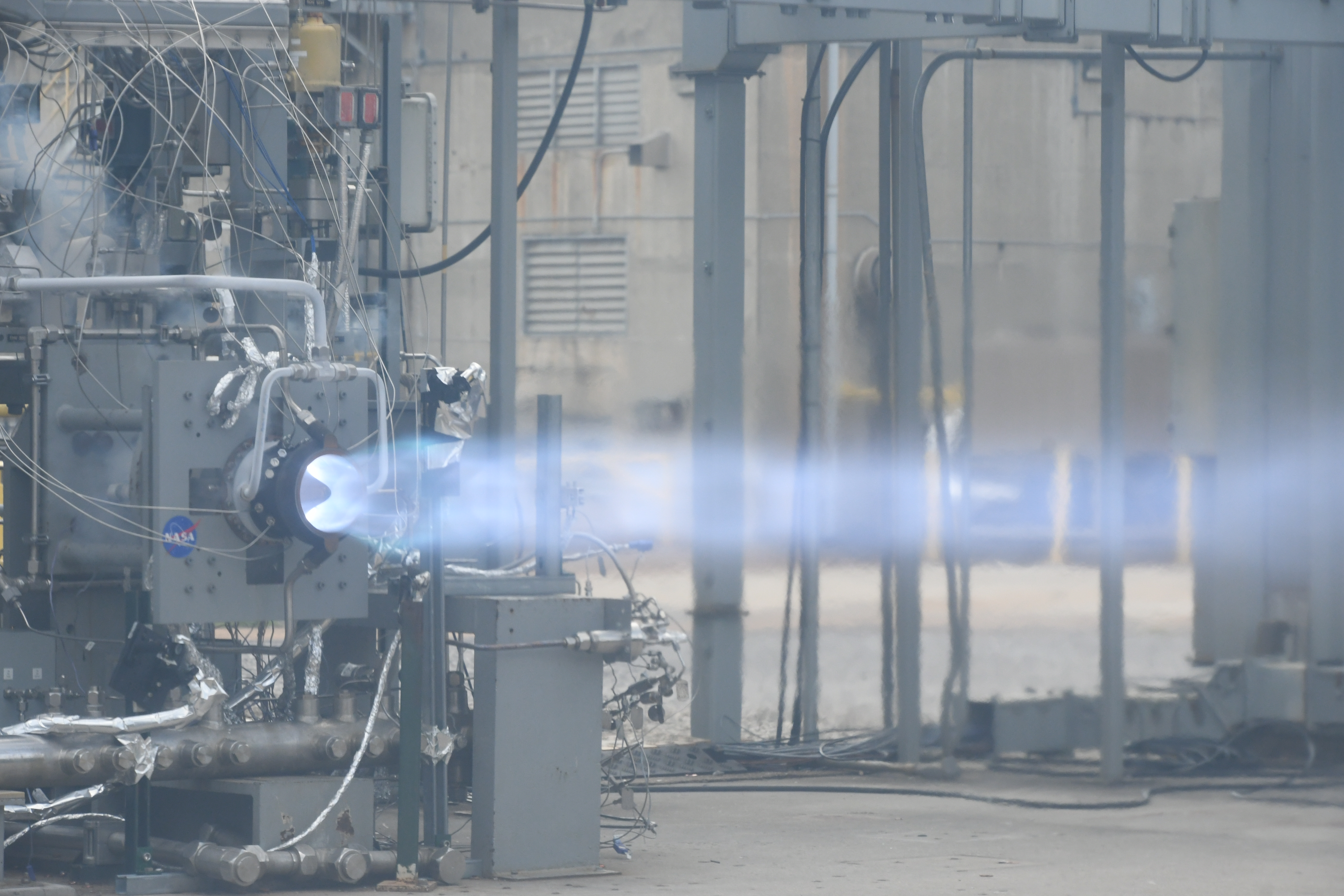
NASA's Marshall Space Flight Center has successfully tested a 3D-printed Rotating Detonation Rocket Engine (RDRE) for over four minutes, generating more than 5,800 pounds of thrust. The test aimed to understand how to scale the combustor to different thrust classes, supporting various engine systems and missions, including landers and deep space burns. The RDRE offers improved design efficiency, enabling the transportation of more mass and payload further into deep space, aligning with NASA's Moon to Mars vision. NASA's Glenn Research Center and Venus Aerospace are collaborating to scale the technology for higher performance.

space2 years ago

ESA's CryoSat: Exploring Life Beyond the Leak

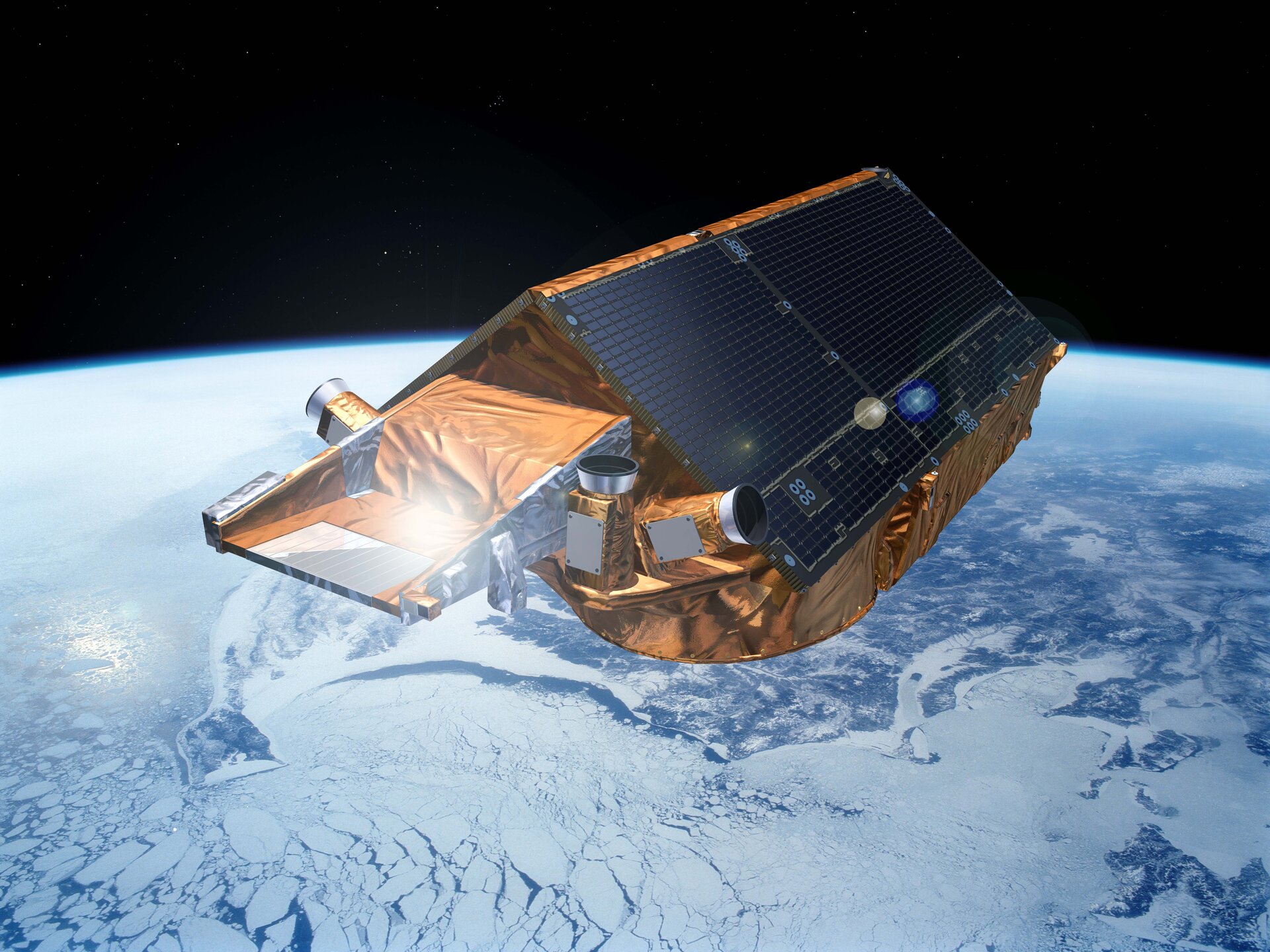
ESA's CryoSat satellite, which measures the thickness of polar sea ice and monitors changes in ice sheets, has successfully switched to its back-up propulsion system after a fuel leak threatened to end the mission in 2025. The swap has the potential to extend the satellite's life by 5 to 10 years. CryoSat's back-up thrusters had never been used before, so there was a small chance the mission could have ended immediately if they were damaged. The satellite's primary thrusters were using up fuel faster than expected since 2016 due to a leak, and the switch to the back-up system was carefully timed to balance the need for additional years of operation with the risk of losing valuable ice mapping data. The success of the swap opens the possibility for CryoSat to continue scientific activities until the end of the decade and possibly beyond, contributing to the study of global ice changes.

space2 years ago

NASA halts Lunar Flashlight mission due to thruster issues.

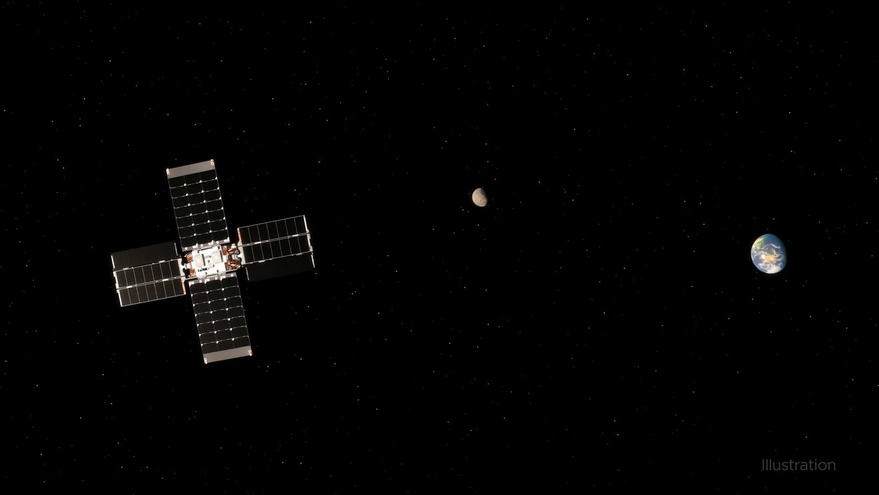
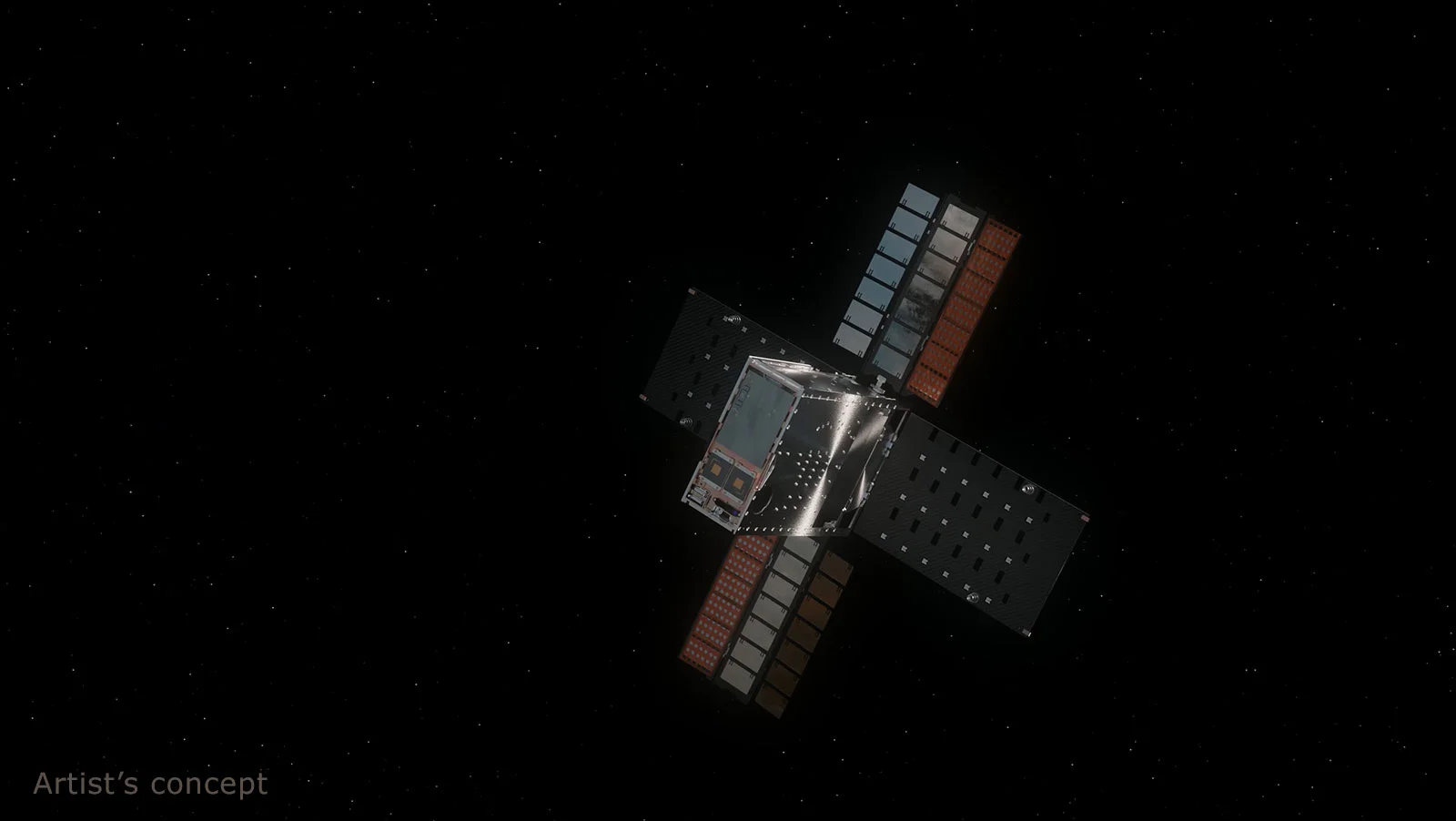
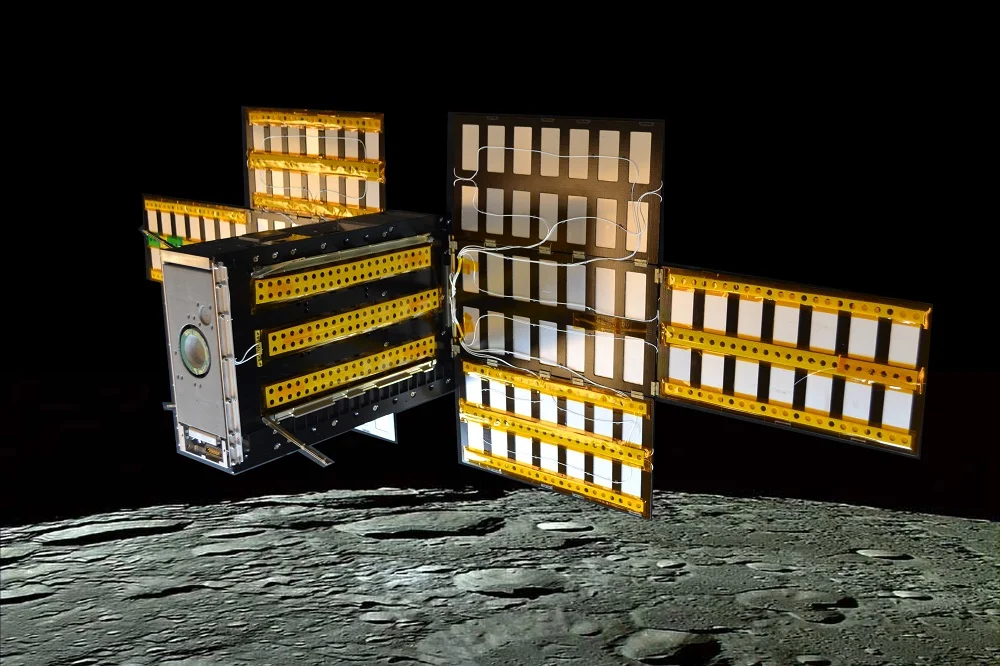
NASA has ended the Lunar Flashlight mission after the cubesat was unable to go into its planned polar orbit around the moon due to problems with its propulsion system. Engineers spent several months trying to troubleshoot the problem, but were unable to clear the obstructions. Lunar Flashlight successfully tested other technologies, including a new flight computer and upgraded radio, and confirmed the laser reflectometer instrument was working as expected. The spacecraft will make a flyby of Earth before heading into deep space, and NASA is weighing options for its future.

space2 years ago

NASA's Lunar Flashlight Mission Concludes with Technological Achievements.

NASA's Lunar Flashlight mission, launched in December 2022 to test new technologies and seek out surface ice in the Moon's South Pole, has been called off after its miniaturized propulsion system failed to generate enough thrust to get into lunar orbit. Despite this setback, the mission successfully demonstrated several new technologies, including a low-power computer and upgraded radio, and tested a never-before-flown science instrument. The lessons learned from Lunar Flashlight will be used for future missions, according to NASA.

space-technology2 years ago

ASCENT Takes Flight in Commercial Markets

Rubicon Space Systems, a division of Plasma Processes LLC, is working to encourage the adoption of ASCENT, a non-toxic propellant developed by the Air Force Research Laboratory. The company has achieved flight heritage on its 0.1N thruster and is close to completing the first low-rate production run. Rubicon has orders for one-newton and five-newton thrusters with government customers for deliveries beginning in the first quarter of 2024. The company is also developing larger propulsion systems and a new 110-newton thruster.

spaceflight2 years ago

Artemis 1 Moon CubeSat Mission in Jeopardy

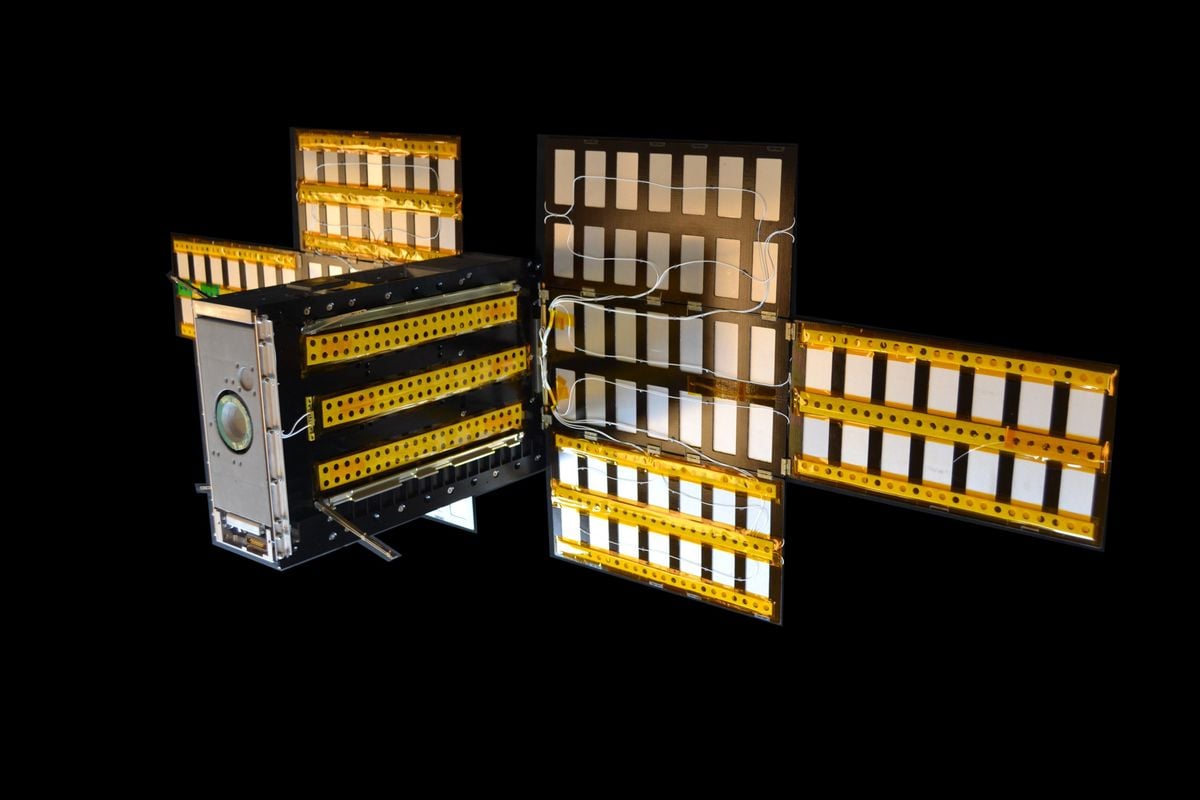
NASA's LunaH-Map cubesat, which aimed to map the abundance and distribution of water ice near the south pole of the moon, may be nearing the end of its operations due to a stuck valve in its propulsion system. The cubesat was one of 10 that launched as ride-along payloads on Artemis 1, the first-ever mission of NASA's moon-bound Artemis program. The mission team has been trying to troubleshoot the issue since the spacecraft failed to perform a crucial engine burn five days after liftoff and didn't get into lunar orbit as planned.

astronomy2 years ago

Searching for Extraterrestrial Life in Alpha Centauri

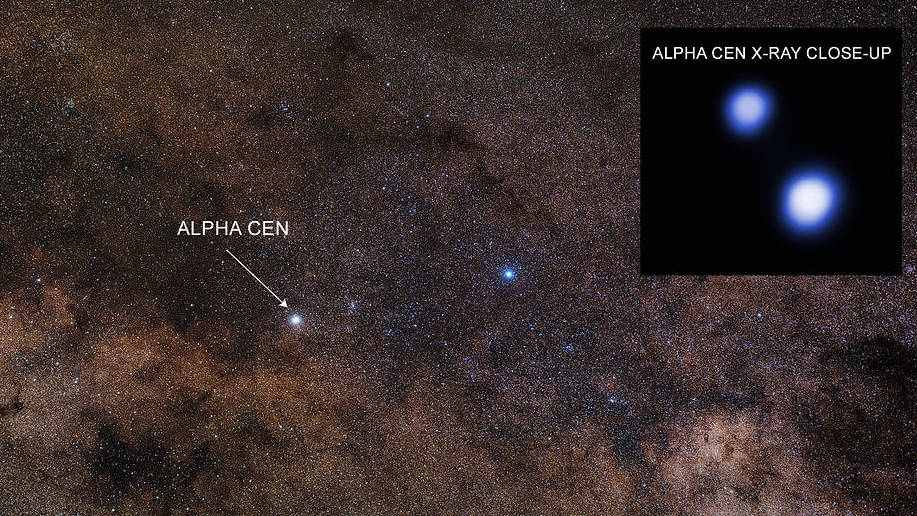
The Alpha Centauri system is a prime target for the search for extraterrestrial life due to its proximity and potential for rocky, habitable planets. Proxima b, the confirmed planet in the habitable zone, may not be suitable for life due to its proximity to its star and lack of a magnetic field. The possible Neptune-size planet around Alpha Centauri A is likely a gas giant, but the search for a rocky, potentially habitable planet continues. A new propulsion system, pellet-beam propulsion, has been proposed that could potentially reach interstellar space in less than five years, but the distance to Alpha Centauri remains a significant challenge.

space2 years ago

Artemis 1 cubesat completes mission.

The LunaH-Map cubesat, launched as a secondary payload on Artemis 1, may end its operations at the end of May due to a failed propulsion system. The thruster, which uses iodine as propellant, failed to fire due to a stuck valve, and efforts to free it have been unsuccessful. The mission involved mapping the presence of hydrogen linked to water ice deposits near the lunar south pole. Many of the 10 cubesats launched on Artemis 1 suffered technical problems, and some missions had to be abandoned.

space2 years ago

Virgin Orbit Concludes LauncherOne Probe Amid Ongoing Bankruptcy

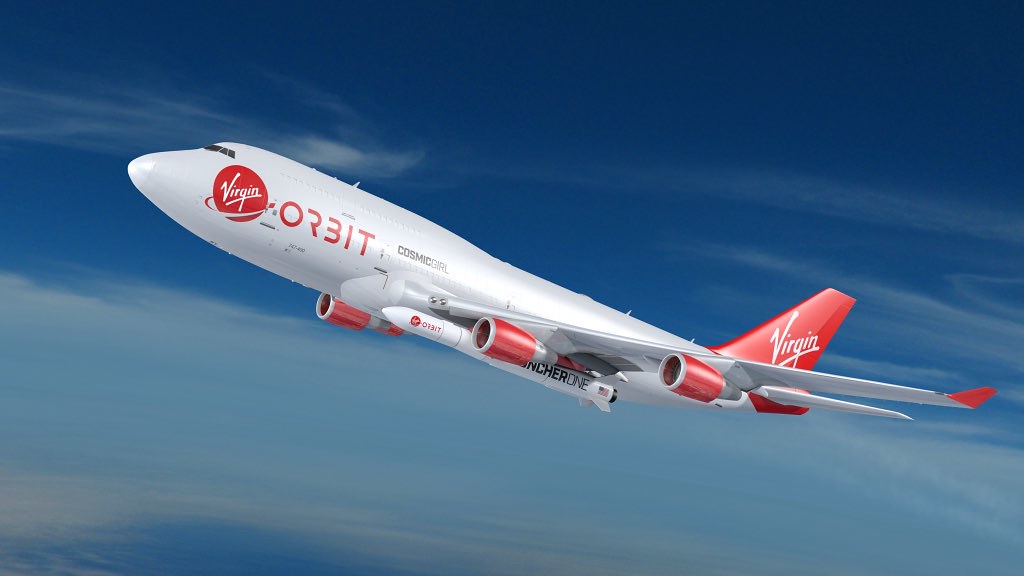
Virgin Orbit completed an investigation into the failure of its previous LauncherOne mission and confirmed that the root cause of the failure was a fuel filter that dislodged in the propulsion system. The company is moving ahead with plans to return its LauncherOne rocket to flight later this year, even though there is no certainty the company will emerge from bankruptcy. Virgin Orbit filed for Chapter 11 bankruptcy on April 4 and is continuing "reduced rate operations" while in Chapter 11.

space2 years ago

NASA's Radical Propulsion Concept for Interstellar Travel in Record Time.

A new propulsion system called 'pellet-beam' has been proposed that could theoretically send a heavy spacecraft outside our Solar System in less than 5 years, compared to the 35 years it took Voyager 1. The concept involves shooting a beam of microscopic particles at the spacecraft, which would be heated up by lasers and melted into plasma, accelerating the pellets further. The system requires two spacecraft, one that sets off for interstellar space and one that goes into orbit around Earth. The project has been awarded an early-stage NASA grant for further development.