Researchers using ESA's CryoSat satellite data have discovered 85 new subglacial lakes beneath Antarctica, increasing the known active lakes to 231, which are crucial for understanding ice sheet dynamics and potential impacts on global sea levels.
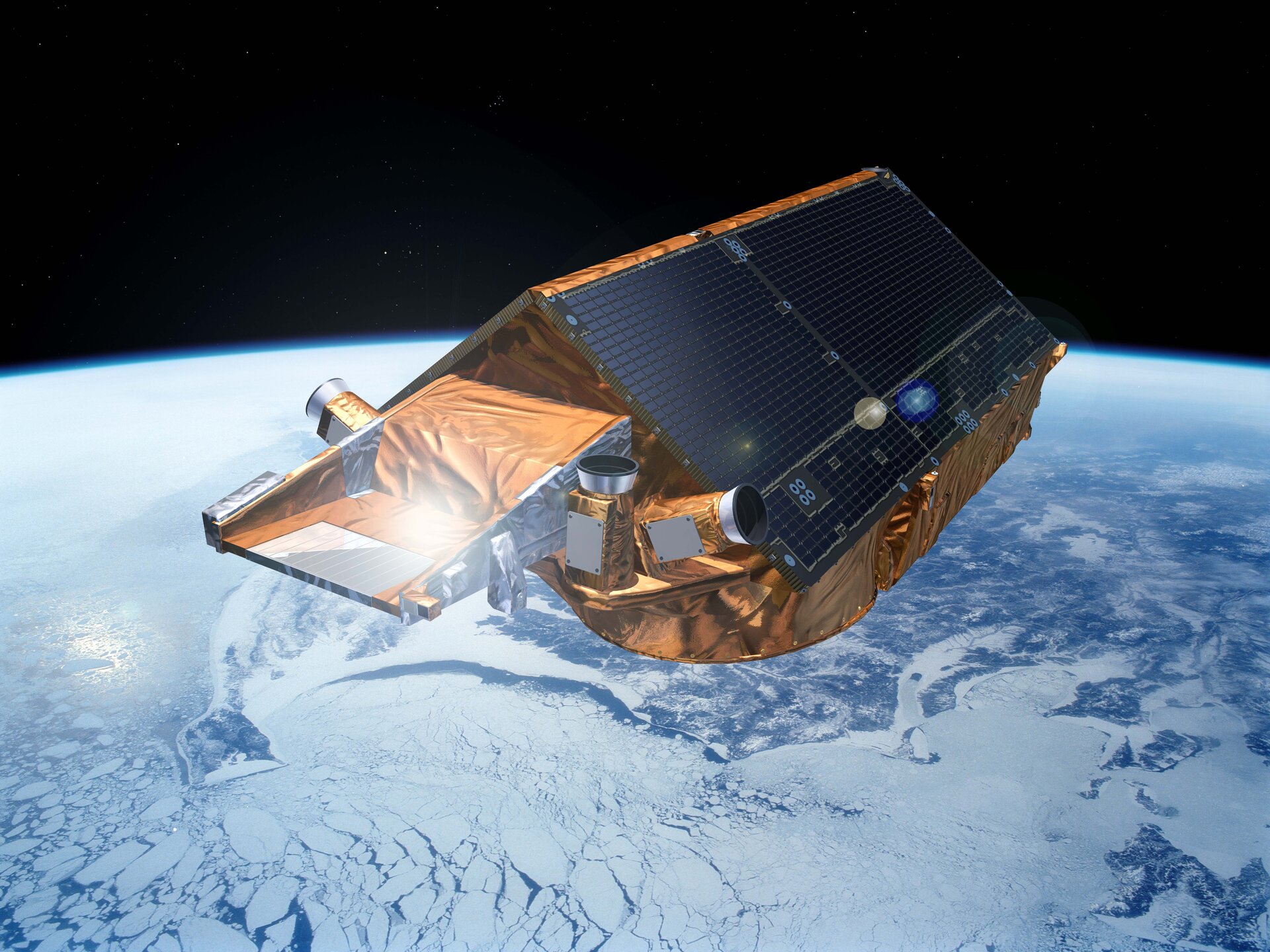
ESA's CryoSat satellite, which measures the thickness of polar sea ice and monitors changes in ice sheets, has successfully switched to its back-up propulsion system after a fuel leak threatened to end the mission in 2025. The swap has the potential to extend the satellite's life by 5 to 10 years. CryoSat's back-up thrusters had never been used before, so there was a small chance the mission could have ended immediately if they were damaged. The satellite's primary thrusters were using up fuel faster than expected since 2016 due to a leak, and the switch to the back-up system was carefully timed to balance the need for additional years of operation with the risk of losing valuable ice mapping data. The success of the swap opens the possibility for CryoSat to continue scientific activities until the end of the decade and possibly beyond, contributing to the study of global ice changes.
Using data from ESA's CryoSat satellite, scientists have discovered that glaciers worldwide have shrunk by a total of 2% in just 10 years, and it's because of higher air temperatures. Glaciers provide an essential source of freshwater and are important for industries such as hydropower. The demise of glaciers around the world is set to cause serious problems for local populations and those relying on outflow water further downstream. Ice being lost from glaciers is contributing more to sea-level rise than the ice being lost from either of the giant ice sheets on Greenland and Antarctica.
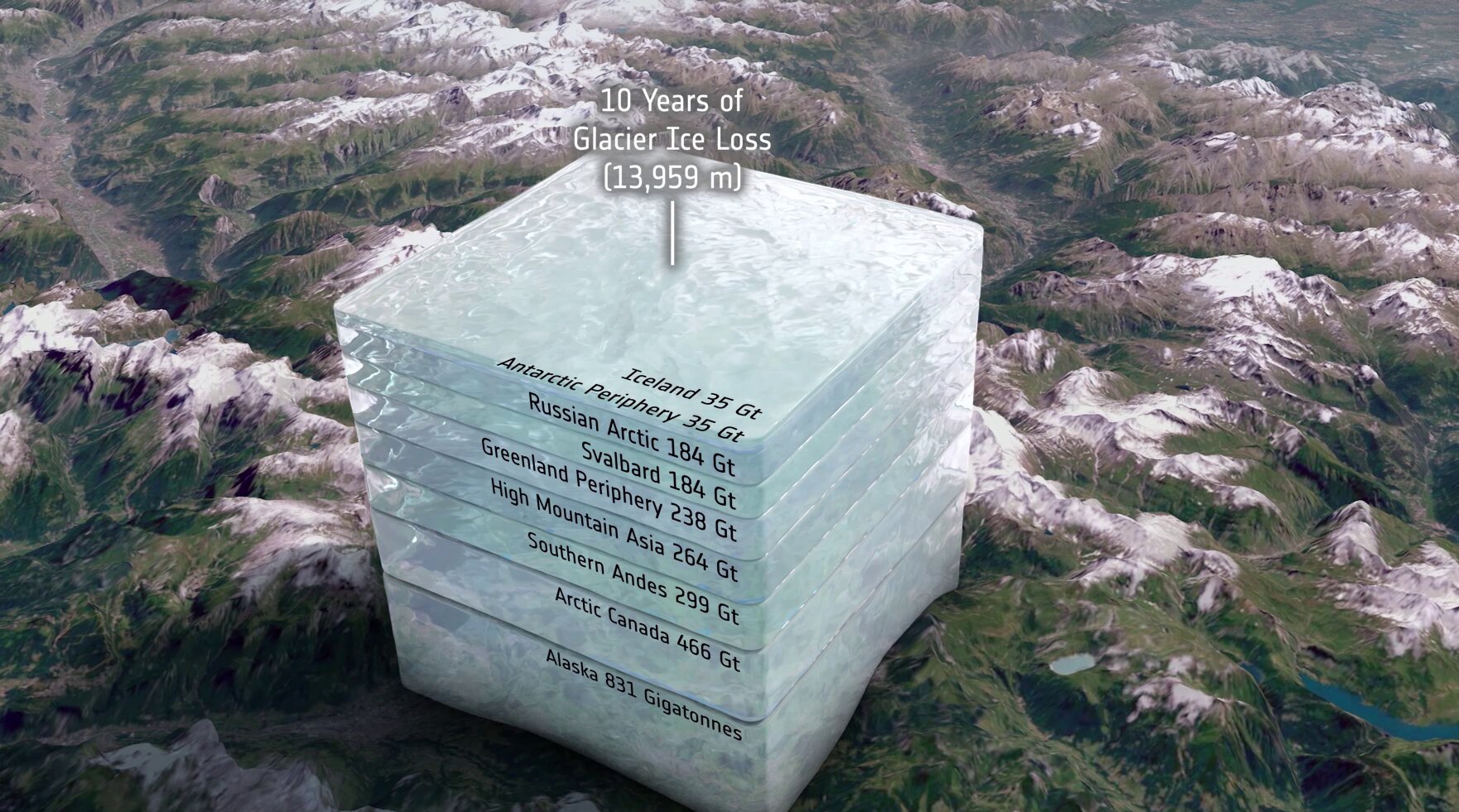
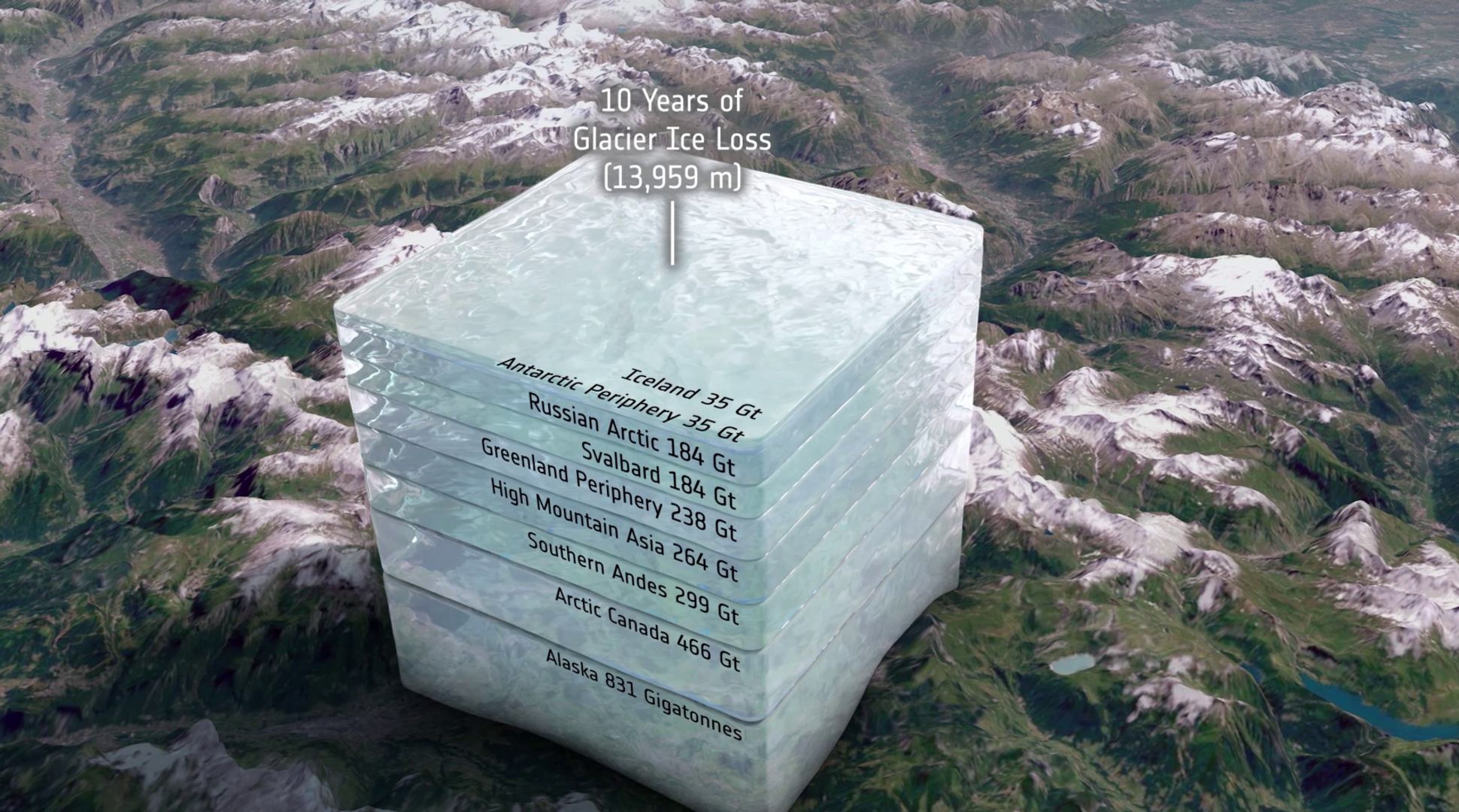
Using data from ESA's CryoSat satellite, scientists have discovered that glaciers worldwide have shrunk by a total of 2% in just 10 years, losing 2720 Gigatonnes of ice between 2010 and 2020. Higher air temperatures are responsible for 89% of this ice loss, while the remaining 11% is due to ice discharge caused by warmer ocean waters. The loss of glaciers is set to cause serious problems for local populations and industries relying on freshwater sources, and is contributing more to sea-level rise than the ice being lost from either of the giant ice sheets on Greenland and Antarctica.