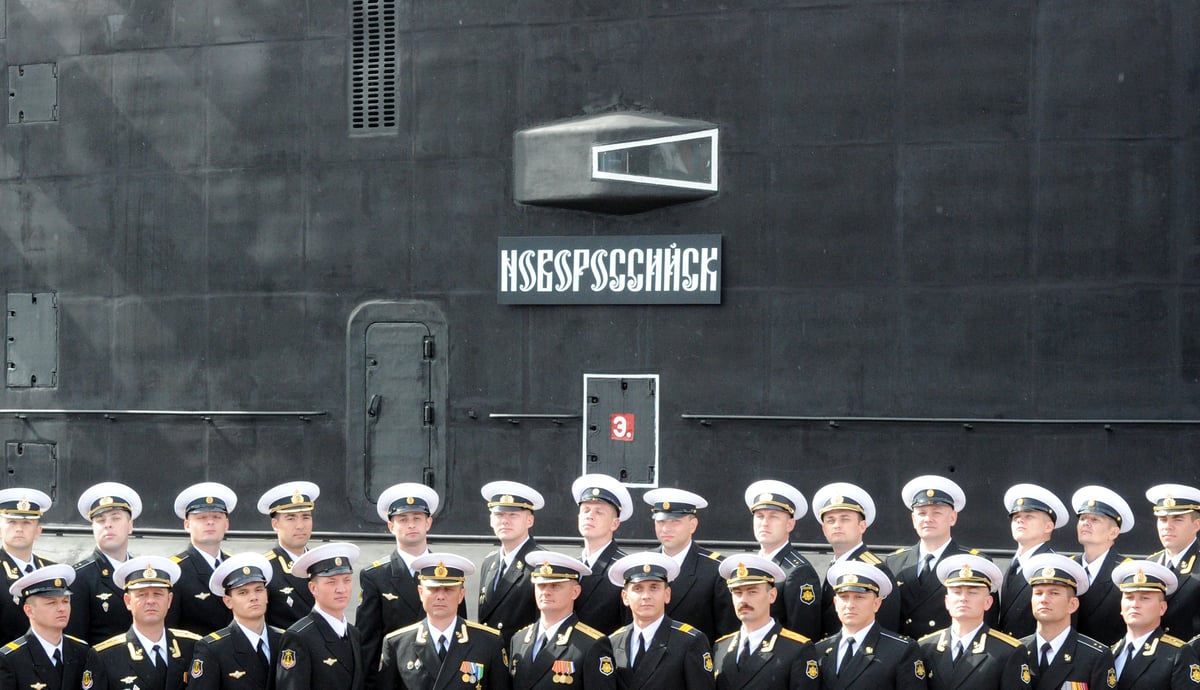
A Russian nuclear-capable submarine, Novorossiysk, experienced a serious malfunction in the Mediterranean, with fuel leaking into the hold and posing an explosion risk, raising fears of a disaster similar to the Kursk incident.
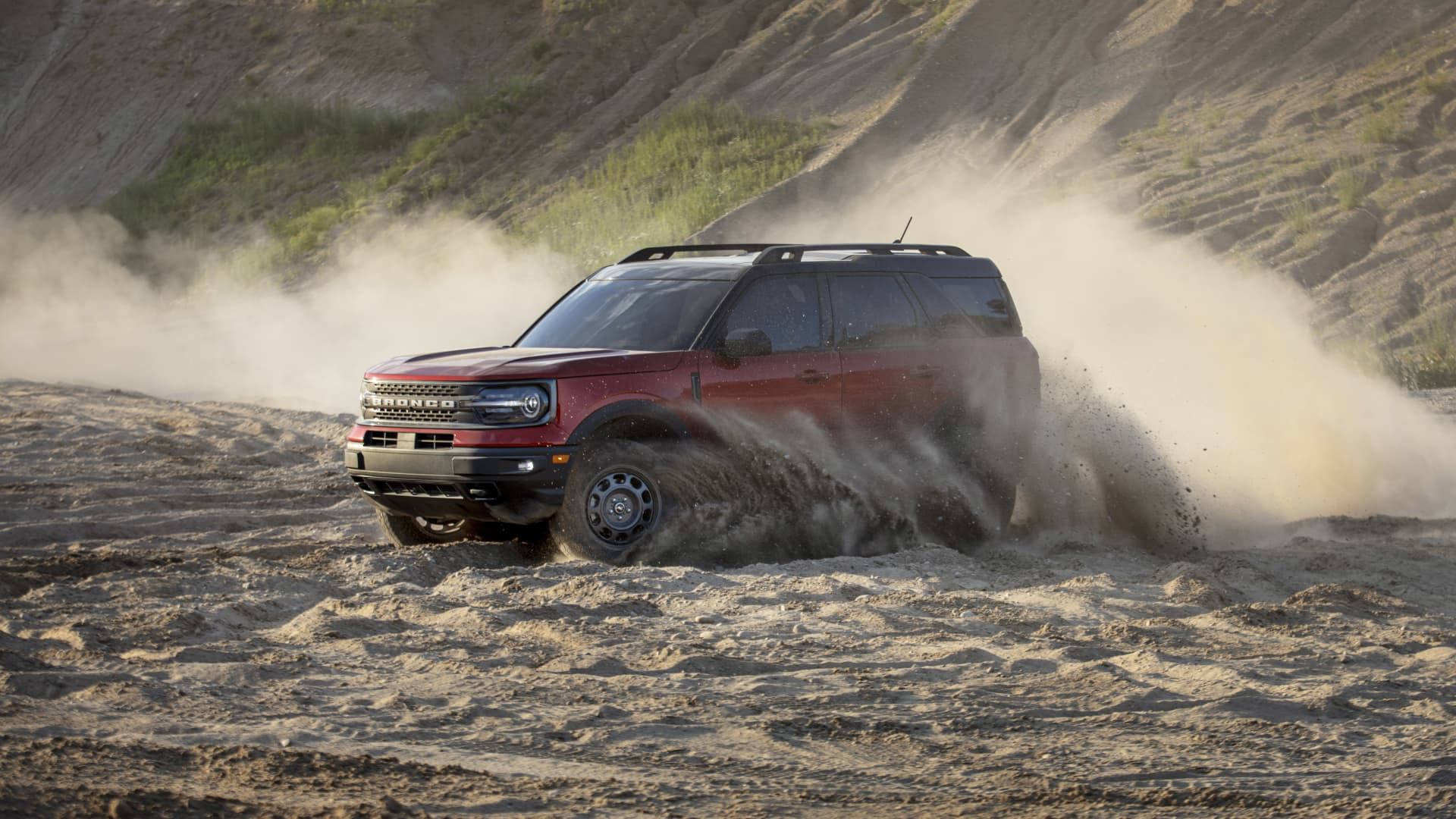
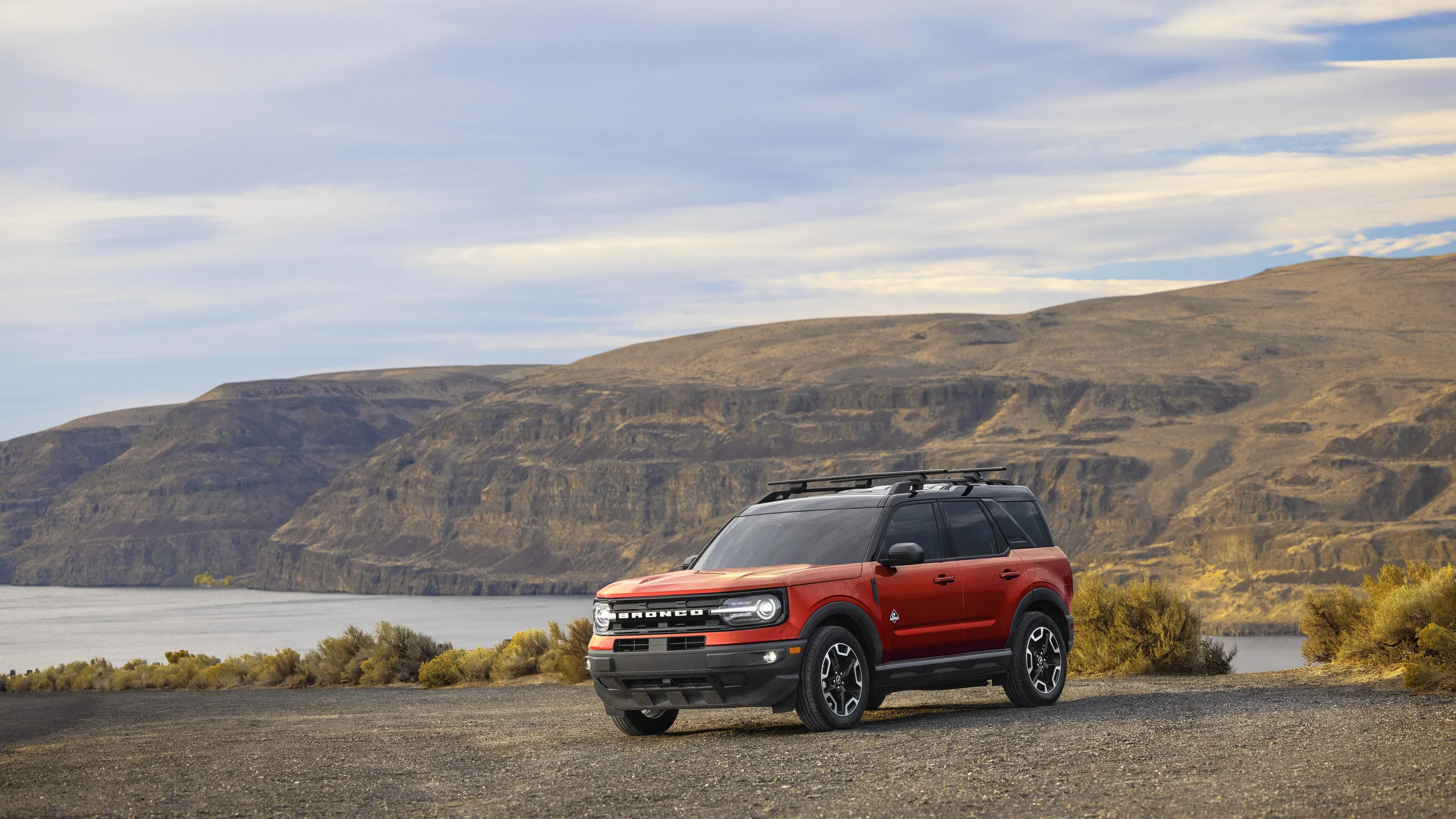
Ford is recalling over 694,000 SUVs in the U.S. due to a fuel injector crack that could cause leaks and fires, expanding previous recalls with a software fix and ongoing mechanical remedy development, following a year-long investigation and reports of fires despite repairs.
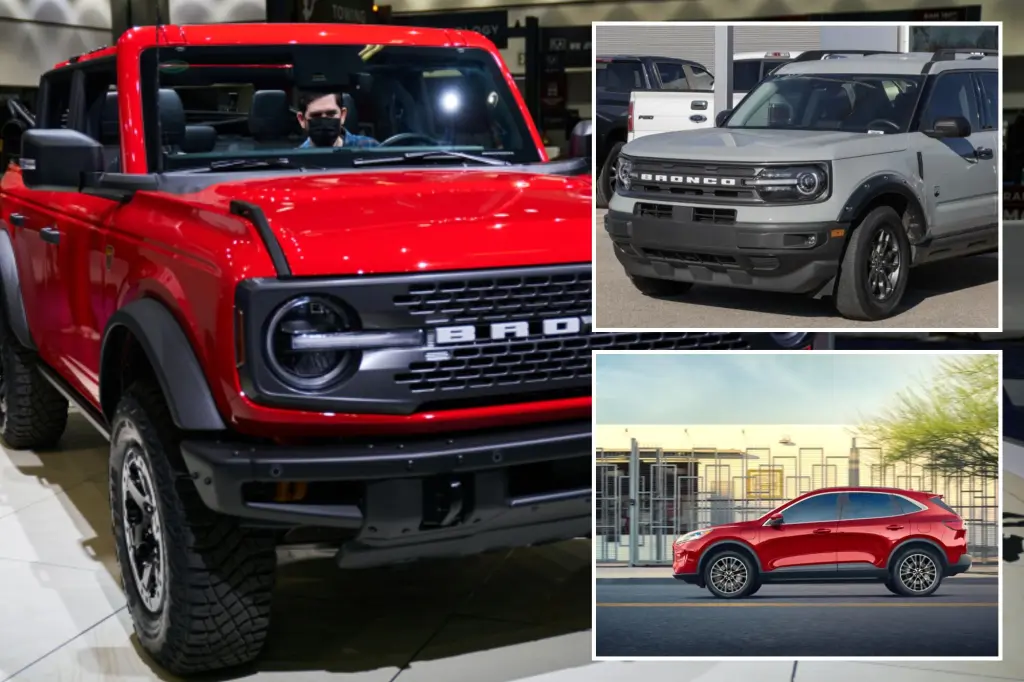
Ford has recalled nearly 700,000 vehicles, including 2021-2024 Bronco Sport and 2020-2022 Escape models, due to a fuel injector crack that may cause fires. The recall follows previous attempts to fix the issue with software updates, but further investigation revealed the root cause, leading to a new recall and a free software update for affected vehicles. Owners are advised to have their vehicles inspected and updated at authorized dealerships.
Ford is recalling nearly 700,000 SUVs, including Bronco Sport and Escape models, due to a fuel injector crack that could cause leaks and fires. The company is working on repairs, including free software updates, and will notify owners by August 18.
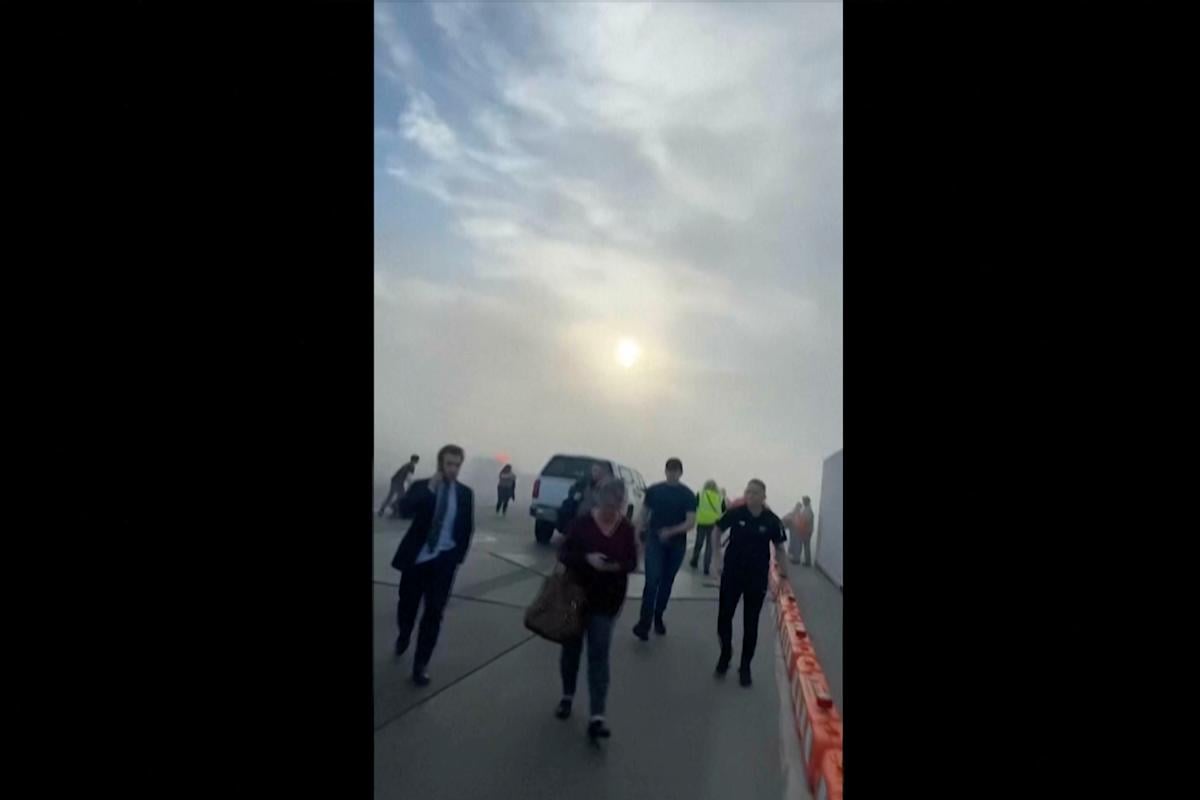
The NTSB investigation revealed that improper maintenance, including a fuel leak and incorrectly installed parts, caused a fire in the engine of an American Airlines Boeing 737-800 that diverted to Denver, with no fatalities but minor injuries and ongoing safety concerns.
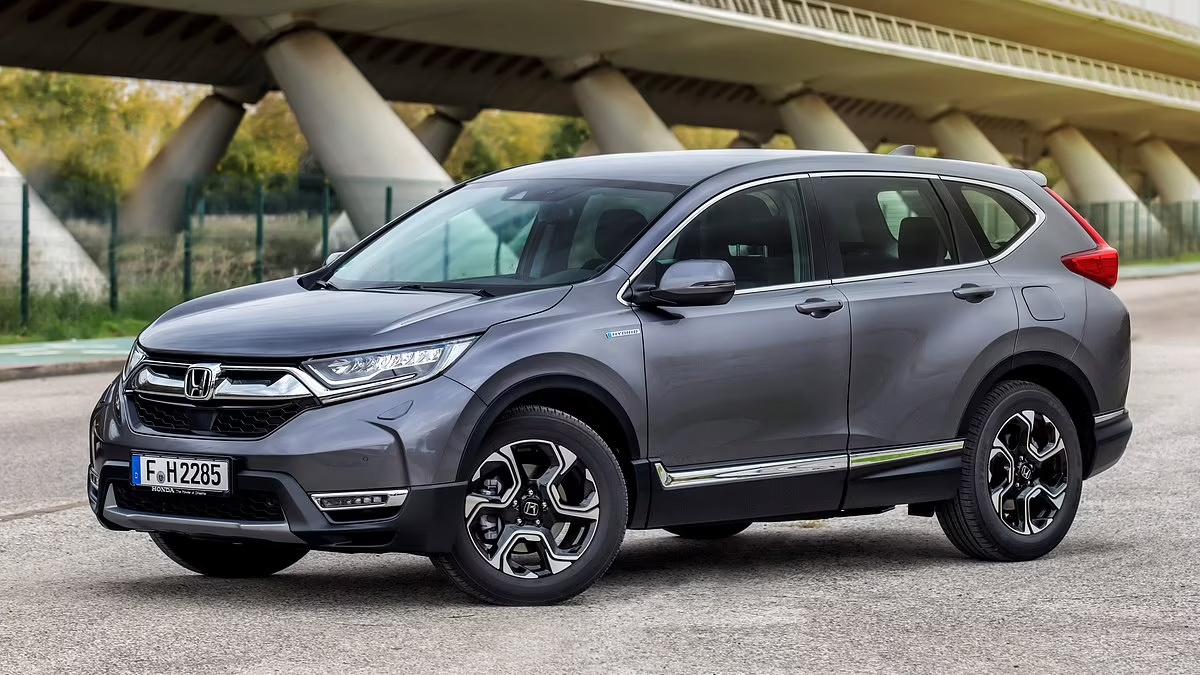
Honda has recalled over 200,000 vehicles, including 2023-2024 Honda Passports and 2023-2025 Honda Pilots, due to a potential fuel leak issue. The problem stems from an incomplete connection between the fuel filler neck tube and pipe, which could separate in a crash, leading to fuel leakage and possible fire risk. No injuries or deaths have been reported, and affected owners will be notified starting January 6 to arrange necessary repairs at Honda dealerships.
Honda is recalling over 205,000 SUVs in the U.S., including Passport and Pilot models from 2023 to 2025, due to a risk of fuel leaks from the filler neck tube and pipe, which could lead to fires. This follows a previous recall of 720,800 vehicles in October for similar fuel pump issues. The National Highway Traffic Safety Administration (NHTSA) is overseeing the recall, and Honda will inspect and repair affected vehicles for free.
Ford is recalling over 450,000 vehicles in the US, including certain Bronco Sport and Maverick models, due to a potential issue affecting the battery that could result in a loss of electrical accessories or drive power, increasing the risk of a crash. Additionally, federal auto regulators are investigating a recall of nearly 42,652 Ford vehicles for cracked fuel injectors that can cause gas leaks and engine fires, with affected owners being offered free remedies including a drain tube installation and engine control software update.
The National Highway Traffic Safety Administration has opened an investigation into a Ford recall of nearly 43,000 Broncos and Escapes due to cracked fuel injectors that can cause gas leaks and engine fires. The recall affects 22,270 Bronco Sport vehicles and 20,382 Escape vehicles from 2022 and 2023 with 1.5-liter engines. Owners can have a drain tube installed and receive a free engine control software update at no cost. The recall remedy does not include replacement of the cracked fuel injector, and Ford dealers were notified on March 11, with notifications to owners beginning on April 1.
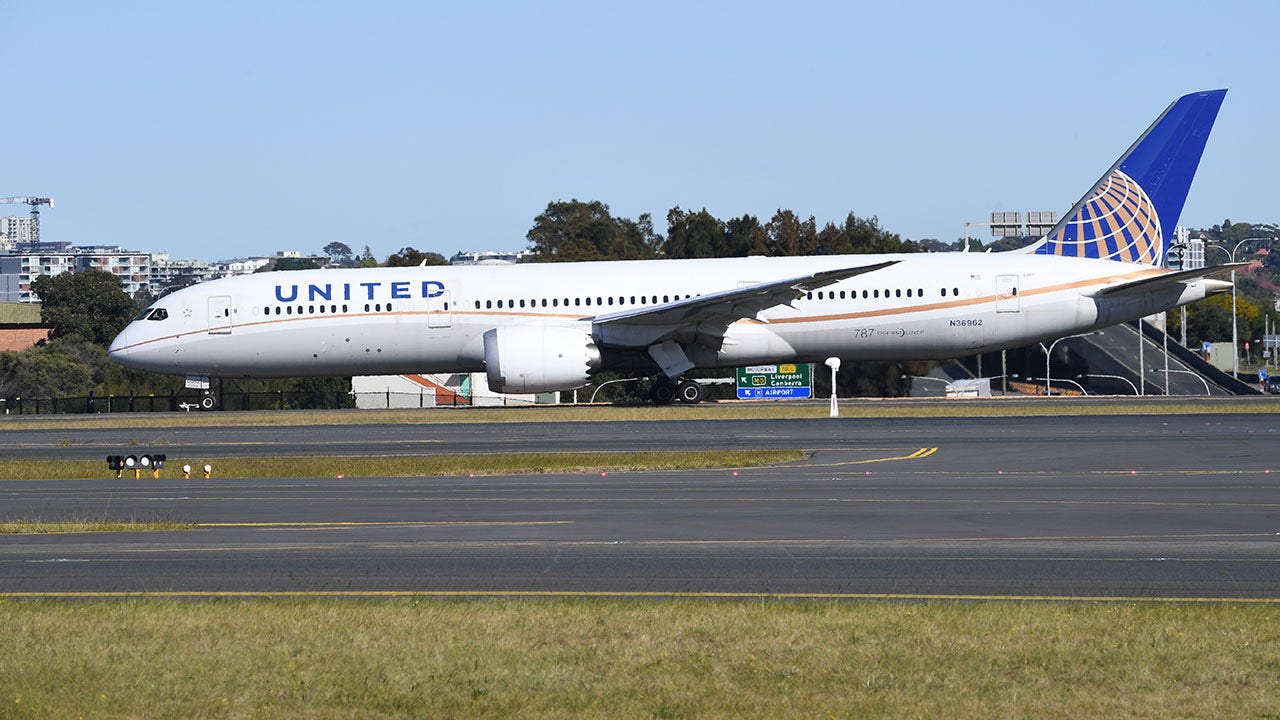
A United Airlines Boeing plane bound for San Francisco returned to Sydney after a fuel leak was detected shortly after takeoff. The plane, carrying 167 passengers and 16 crew, landed safely, and passengers were accommodated and rebooked for the next day. This incident follows other recent aviation mishaps involving Boeing-made planes, including a LATAM Airlines Boeing 787-9 Dreamliner experiencing a "strong movement" and a United Airlines Boeing 777-200 losing a wheel during takeoff.
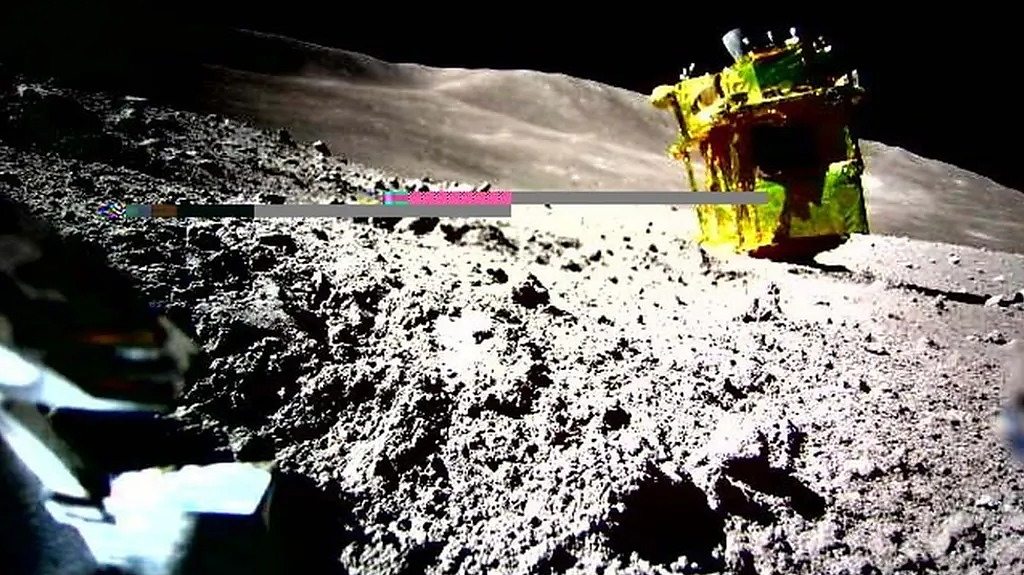
Recent Moon mission failures, including Japan's Moon lander ending up on its nose and a US lunar lander facing a fuel leak, raise questions about the challenges of modern Moon landings compared to those 50 years ago.
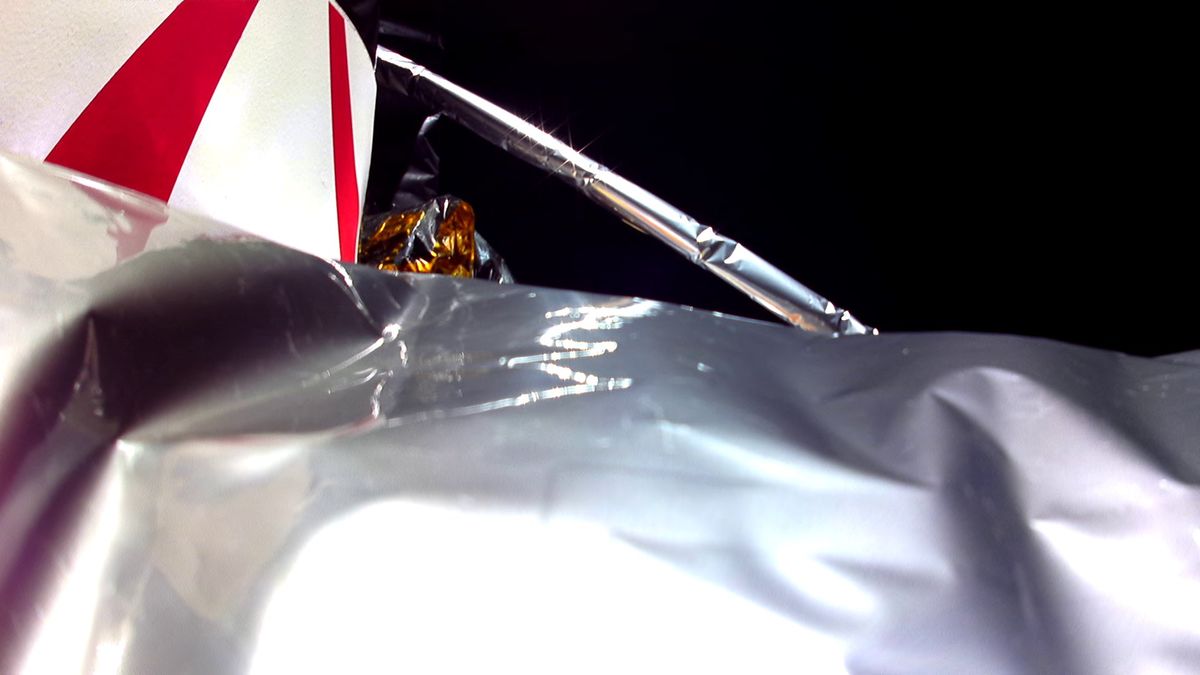
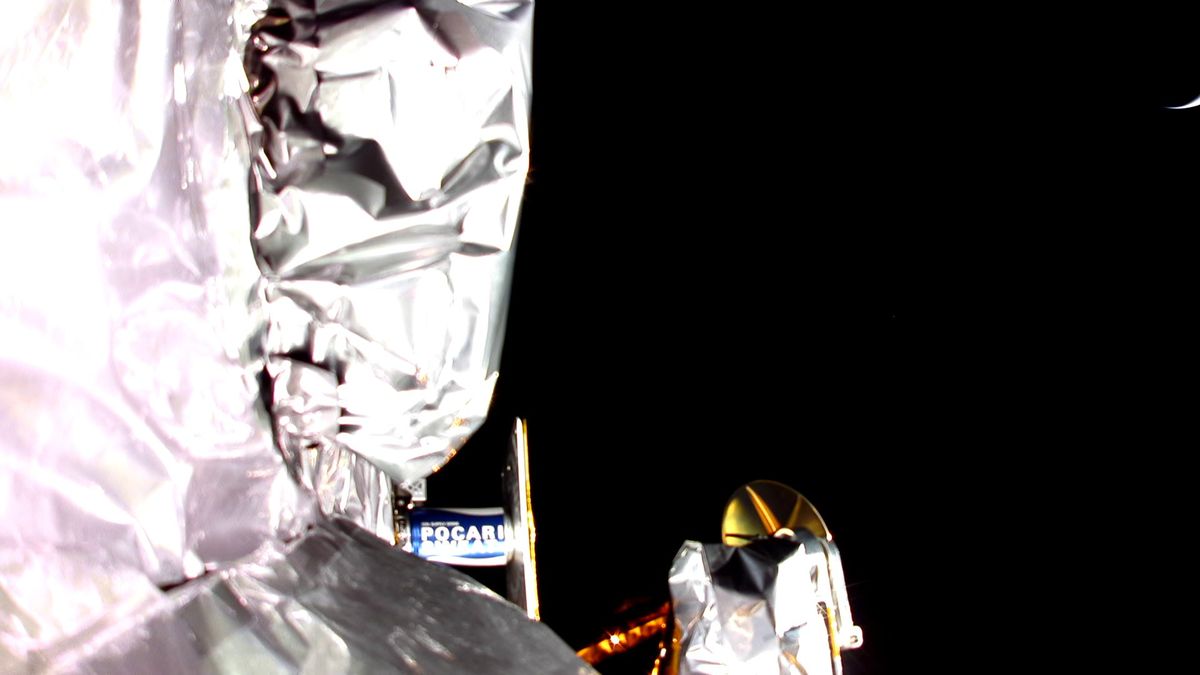
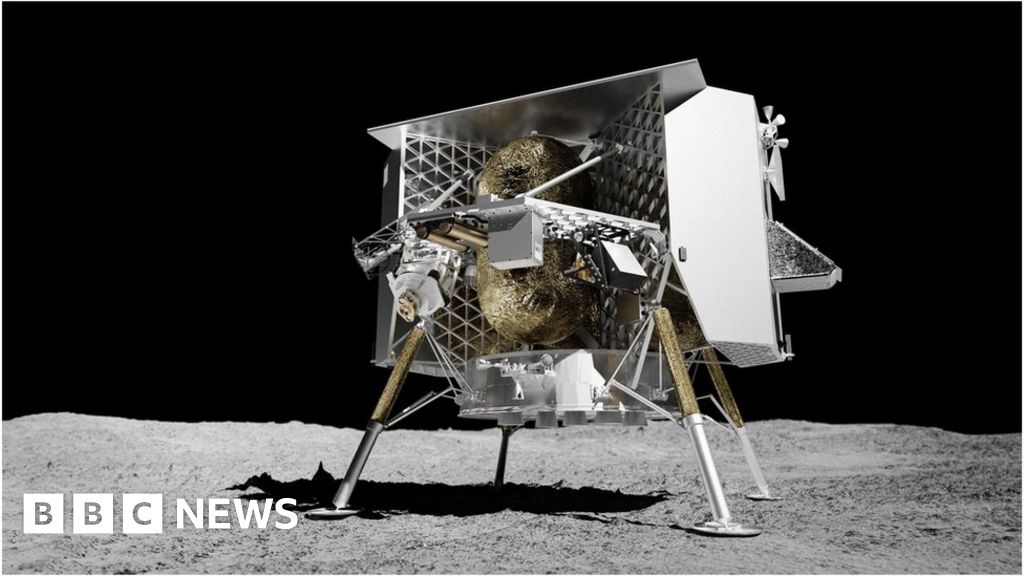
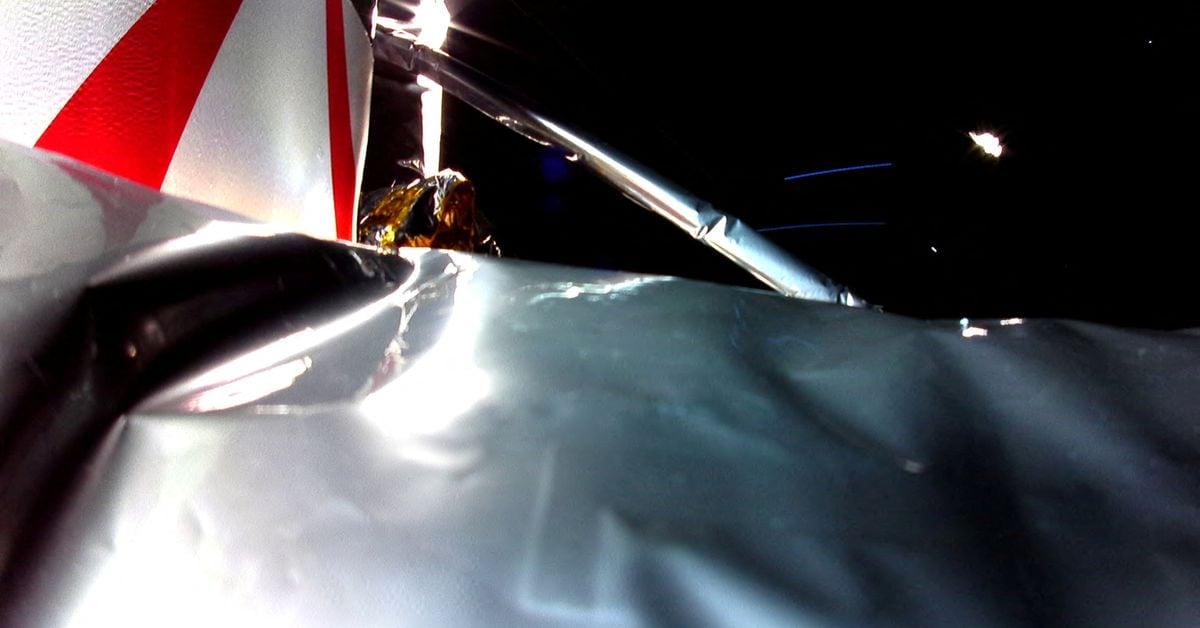
The private Peregrine moon lander, built by Astrobotic, was set to soft-land on the moon next month but a fuel leak has derailed its mission, putting it on a collision course with Earth. Despite efforts to stabilize the spacecraft, it is expected to crash into Earth's atmosphere no earlier than Thursday. The mission, which aimed to send NASA experiments and commercial payloads to the lunar surface, has been a part of NASA's Commercial Lunar Payloads Services program. Astrobotic officials, alongside NASA, are working to estimate where the spacecraft will collide with Earth and are scheduled to hold a press conference on Thursday to discuss the mission.
Astrobotic's Peregrine moon lander, which suffered a propellant leak after separating from its rocket, continues to operate despite the leak. The leak rate has slowed, allowing the lander to power up its payloads and extend its operational life. The lander, carrying NASA payloads, is part of the agency's Commercial Lunar Payloads Services program, aiming to gather lunar science data for future crewed missions. Another CLPS-affiliated lander, the Nova-C, is scheduled to launch next month.
Astrobotic's US lunar lander, Peregrine, has suffered a fuel leak, making a soft landing on the Moon impossible. The lander is expected to run out of fuel in about 40 hours, leaving no chance for a successful landing. This setback affects NASA's plans to study the lunar surface environment ahead of sending astronauts there later this decade.
Astrobotic's Peregrine lunar lander, launched aboard the first flight of Vulcan, suffered a propellant leak, making a soft landing on the moon impossible. The craft still has 40 hours of fuel left to operate as a spacecraft while engineers determine its new mission in orbit. Despite facing propulsion and battery issues, the team is working to extend Peregrine's operational life and receiving data for its next lunar lander mission.