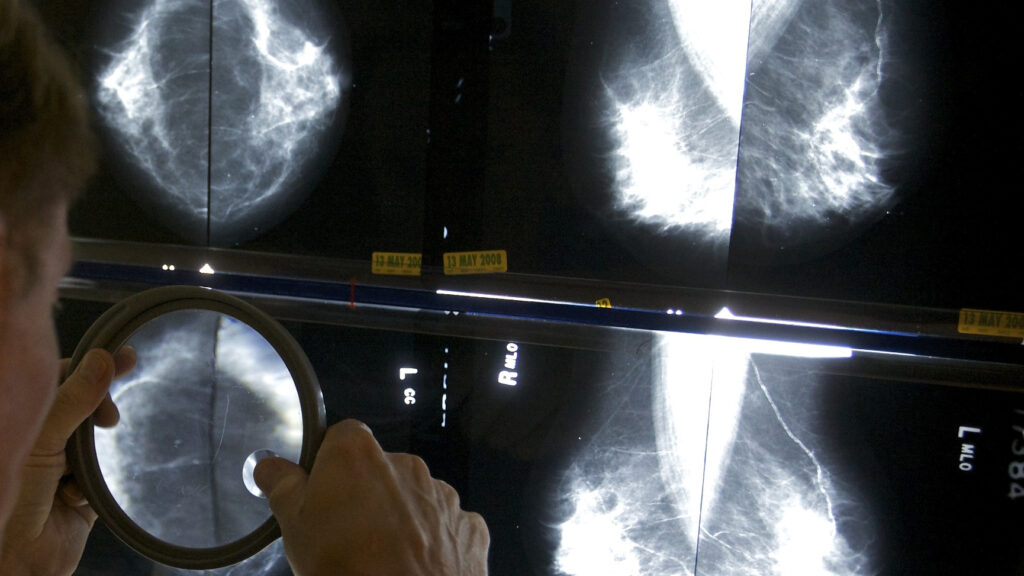
AI is increasingly being integrated into mammograms, initially as an add-on for detecting suspicious spots, but by 2026, it is expected to evolve into a multitool capable of predicting risks for breast cancer and cardiovascular disease, transforming preventive healthcare.
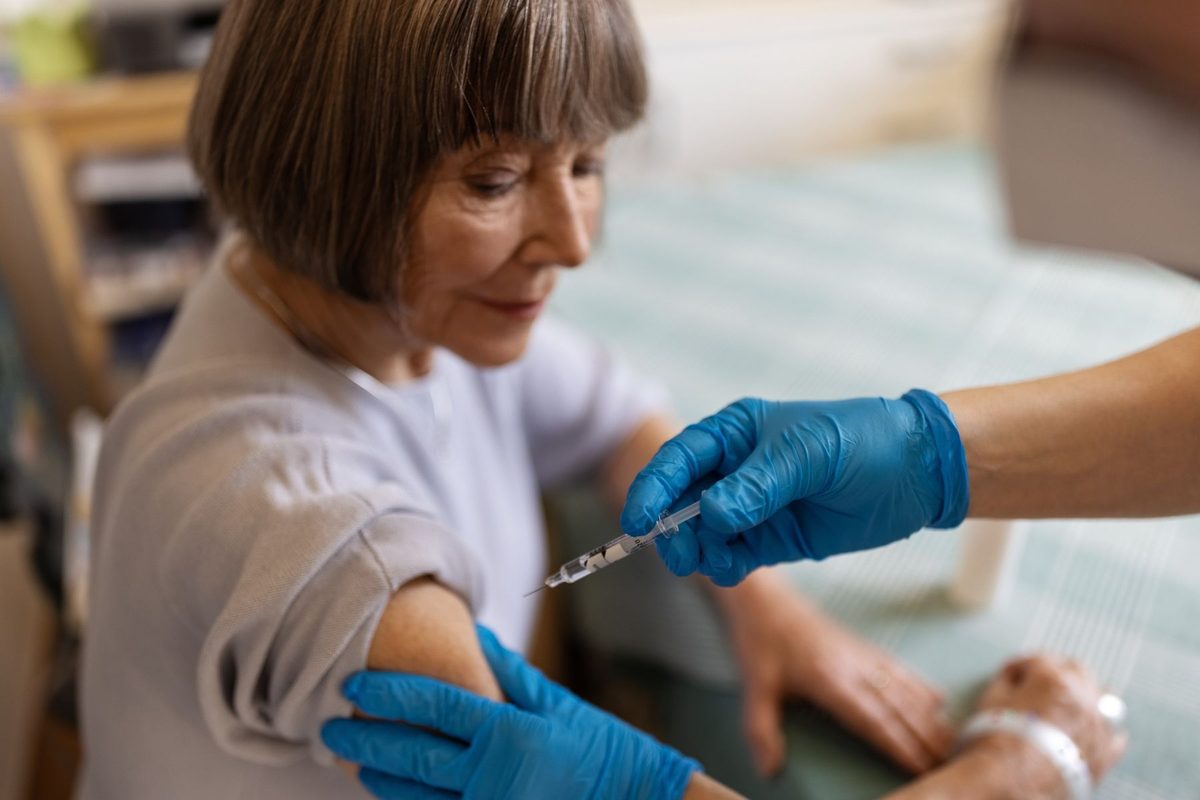
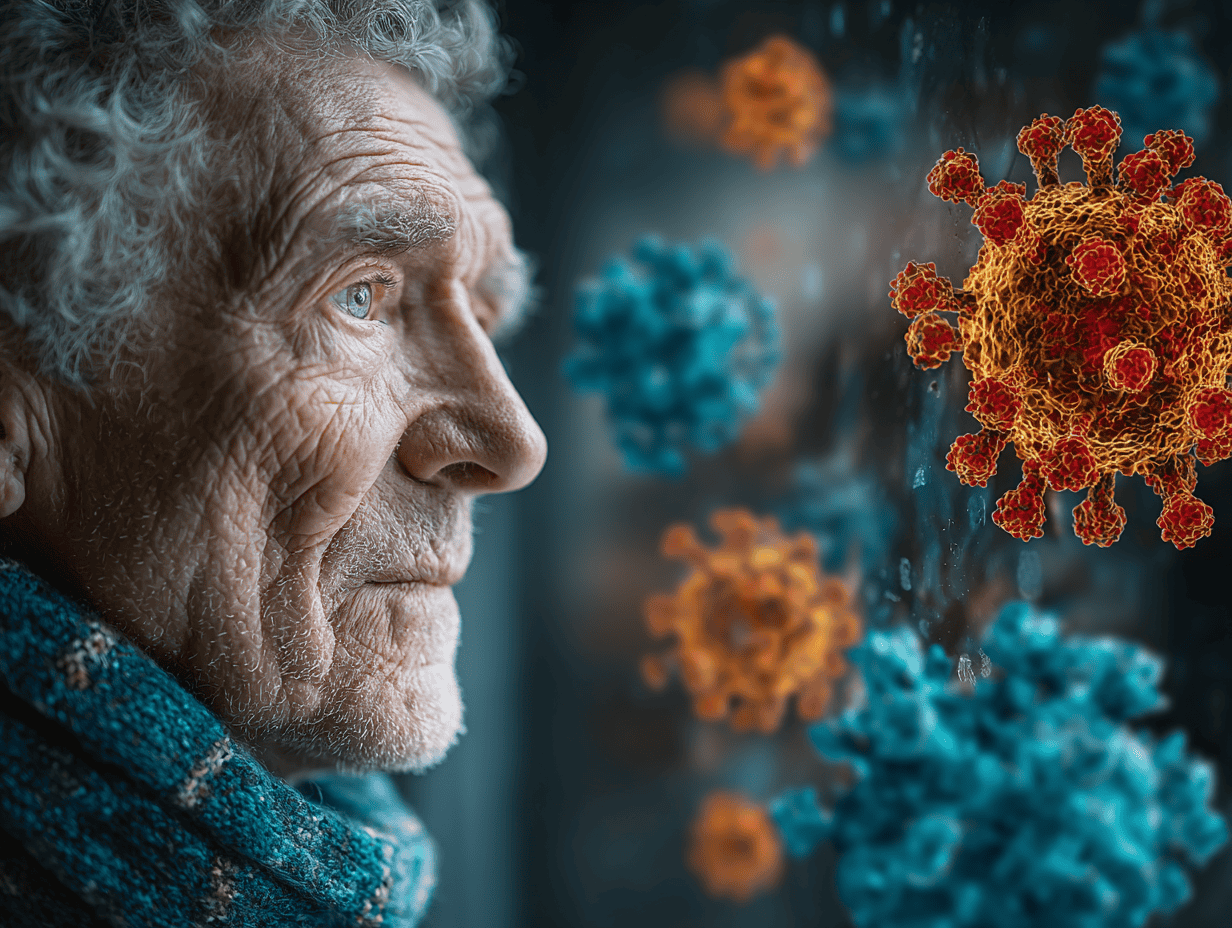
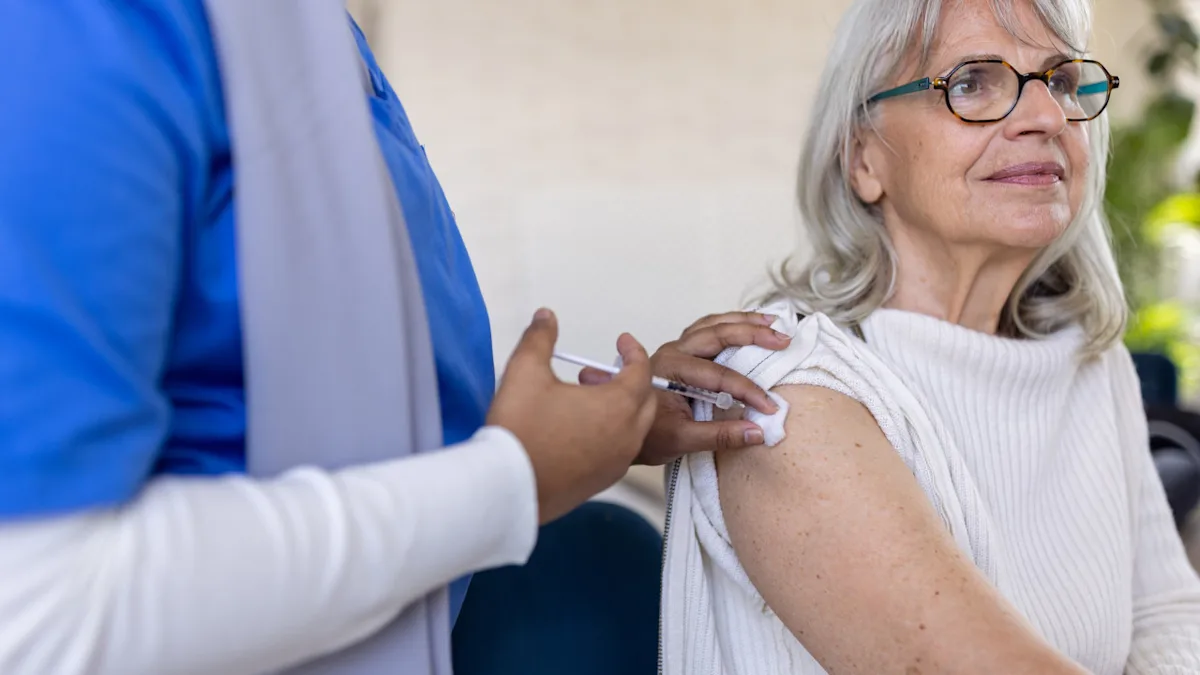
Recent research suggests that the shingles vaccine may reduce the risk of developing dementia by 20% and could have therapeutic benefits for those already diagnosed, based on a study of Welsh adults. The findings indicate potential for the vaccine to help prevent and treat dementia, although the exact mechanism remains unclear.
A Stanford study reveals that human ageing occurs in two major bursts, in the mid-40s and early 60s, where the body's biological systems undergo significant resets, offering opportunities for targeted health interventions during these periods.
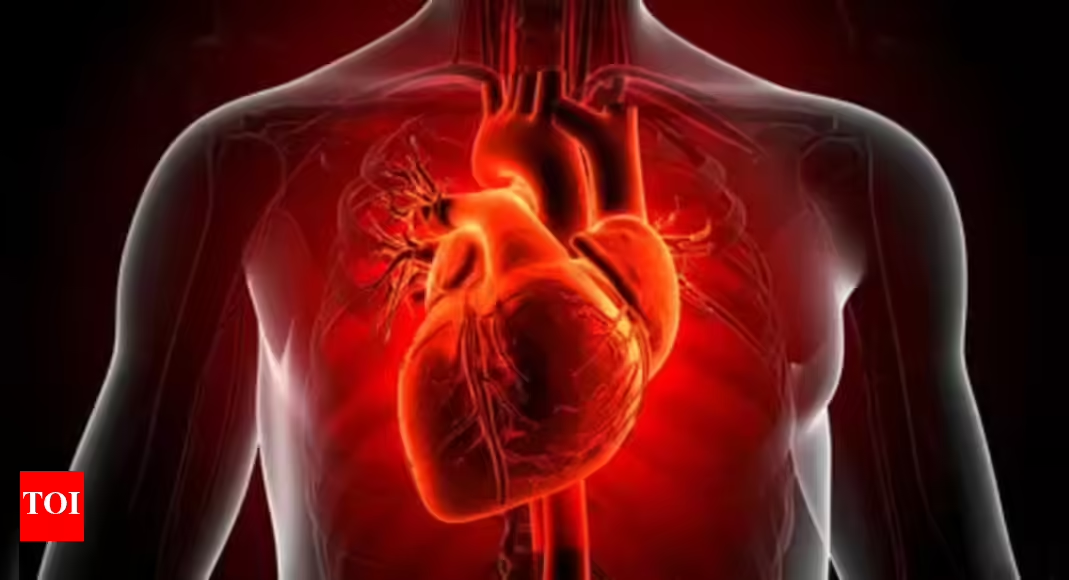
Heart disease often begins quietly with subtle signs such as erectile dysfunction, unexplained breathlessness, and swelling in the legs, which can precede major events by years. Recognizing these early red flags and consulting a healthcare professional can help prevent severe cardiovascular issues.
The article highlights five key foods—whole grains, nuts, fruits and vegetables, fatty fish, and legumes—that are scientifically backed to promote longevity after age 40, along with lifestyle tips like regular exercise, stress reduction, social engagement, avoiding smoking and excess alcohol, and regular health check-ups to enhance lifespan.
A Raleigh woman undergoing routine breast reduction surgery was unexpectedly diagnosed with early-stage breast cancer (DCIS) when tissue was sent for testing, highlighting the importance of proactive health measures and routine screenings.
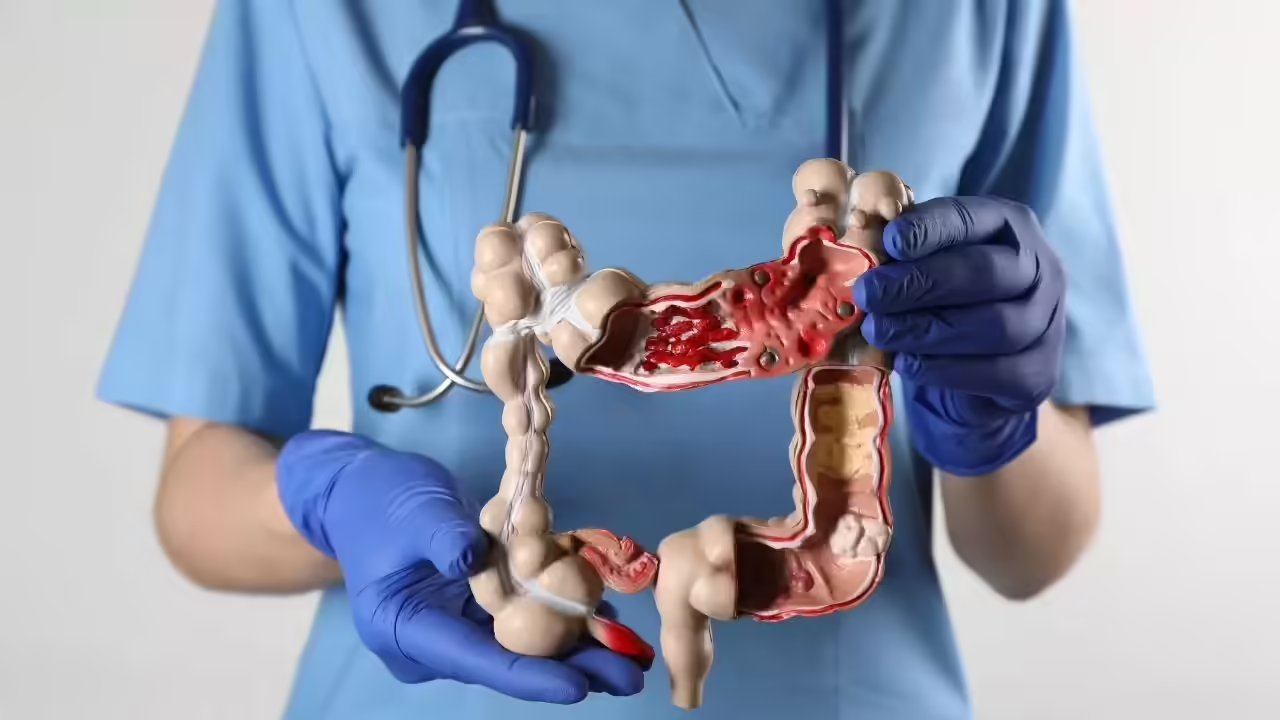
A US doctor emphasizes the importance of colonoscopies for early detection of colon cancer, which can save lives by identifying and removing precancerous polyps, and encourages people over 45 or with risk factors to get screened.
Emerging evidence suggests that vaccines, especially the shingles vaccine, may reduce the risk of dementia by preventing infections that accelerate brain aging and possibly through immune system stimulation, offering a promising new avenue for dementia prevention alongside lifestyle changes.
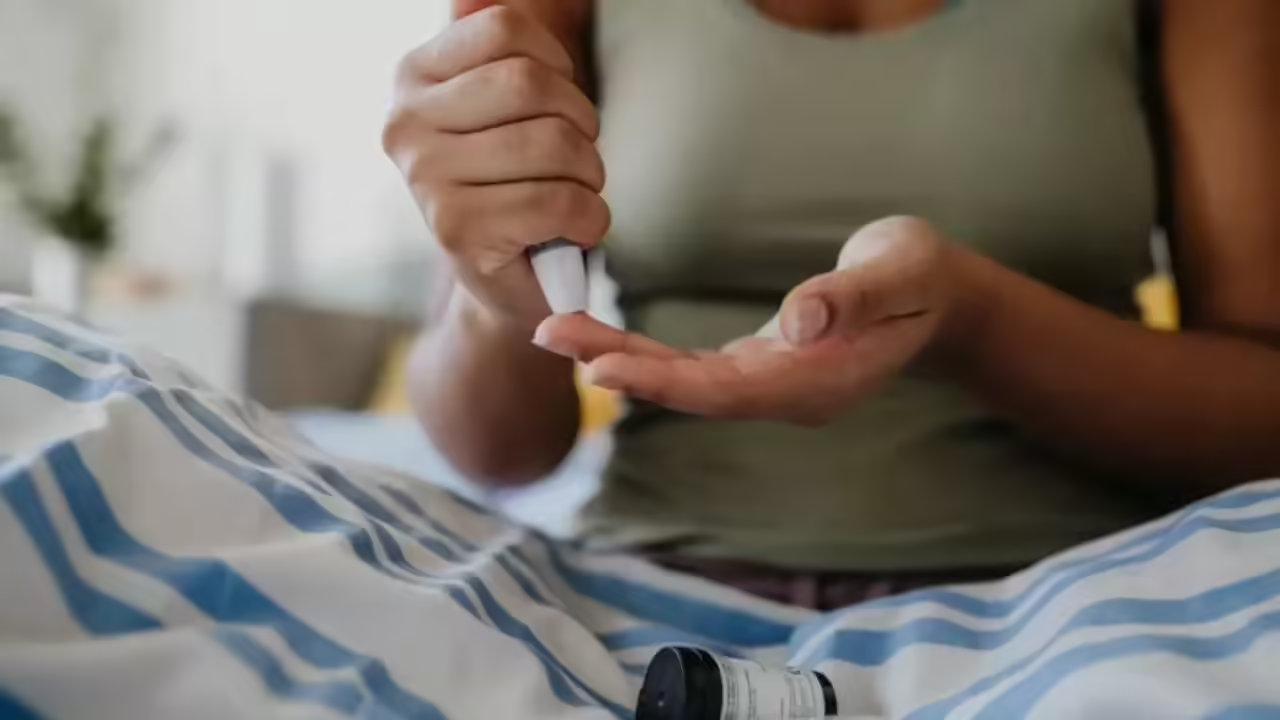
A simple 10-minute walk after dinner can significantly lower blood sugar levels, reduce the risk of developing Type 2 diabetes, and improve overall health, especially when done consistently and shortly after eating.
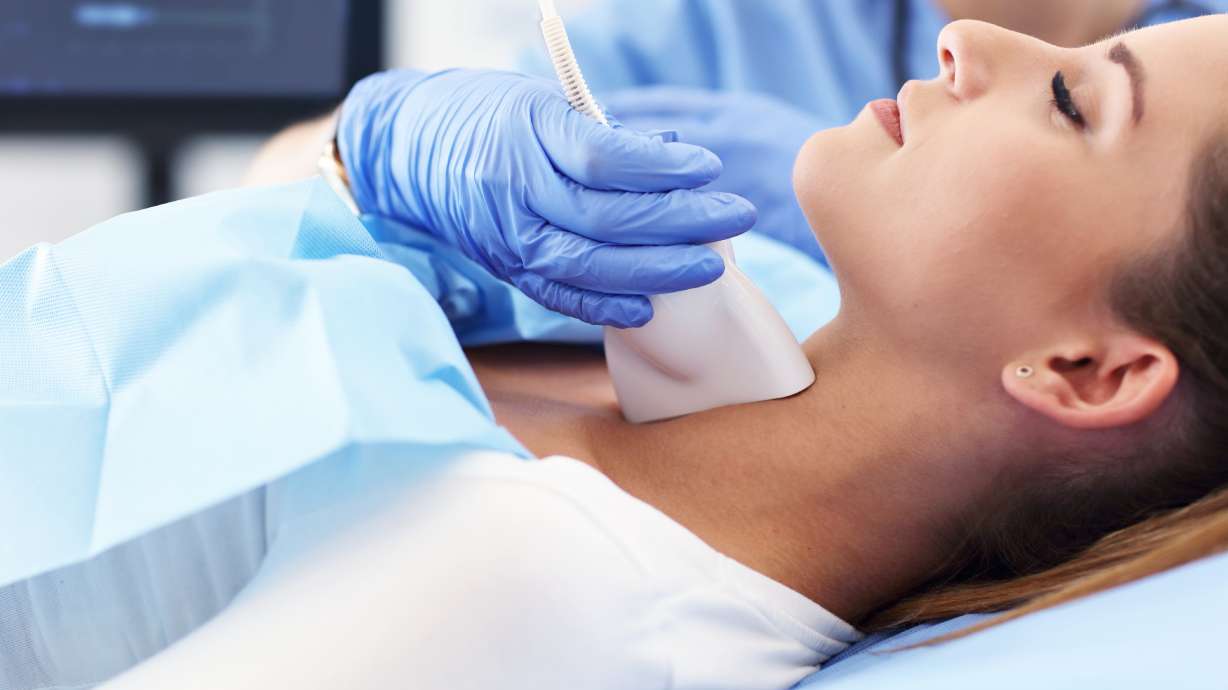
Ultrasound is a versatile, radiation-free diagnostic tool used for various health assessments beyond pregnancy, including pain diagnosis, lump evaluation, thyroid monitoring, circulatory health, and organ function, with easy, affordable access through Echo Ultrasound's self-pay, same-day service.,
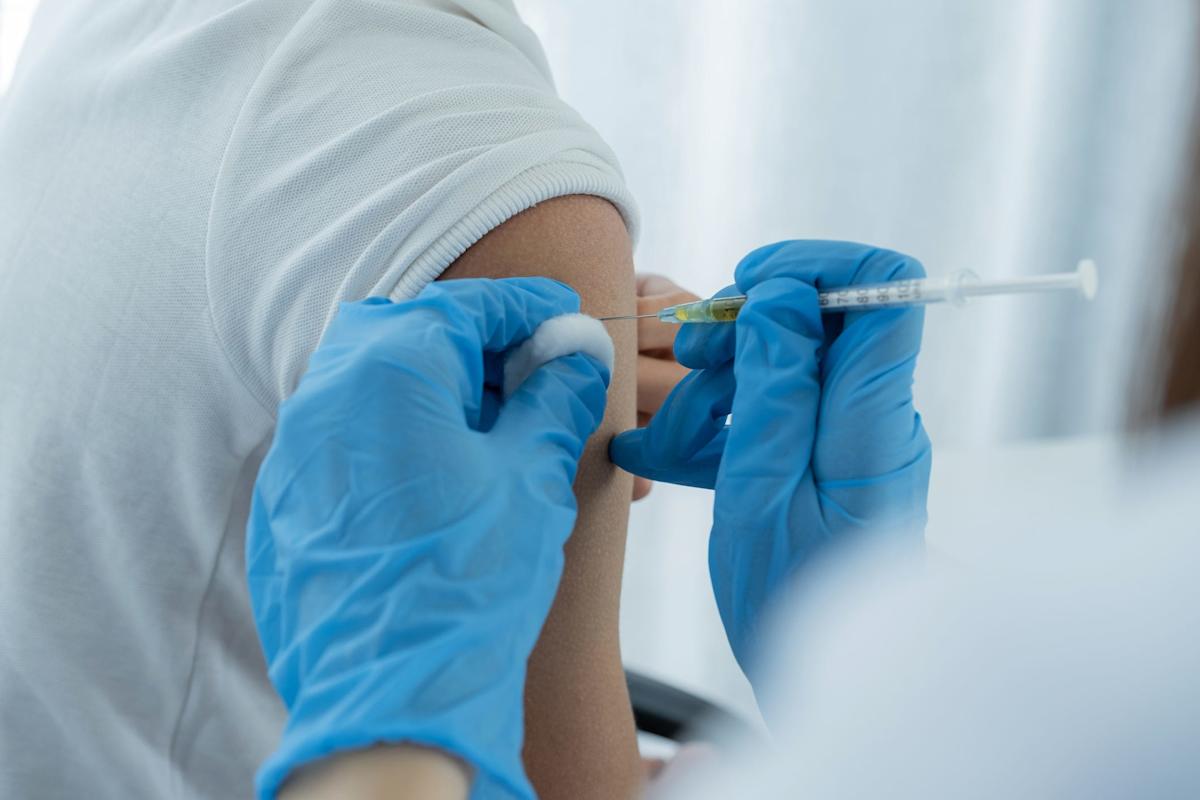
Getting the flu shot in October is recommended to protect against the flu season that lasts until May, especially for vulnerable groups, as it reduces the risk of illness and complications. The vaccine should be taken annually due to virus mutations, and it takes about two weeks to build immunity after vaccination.
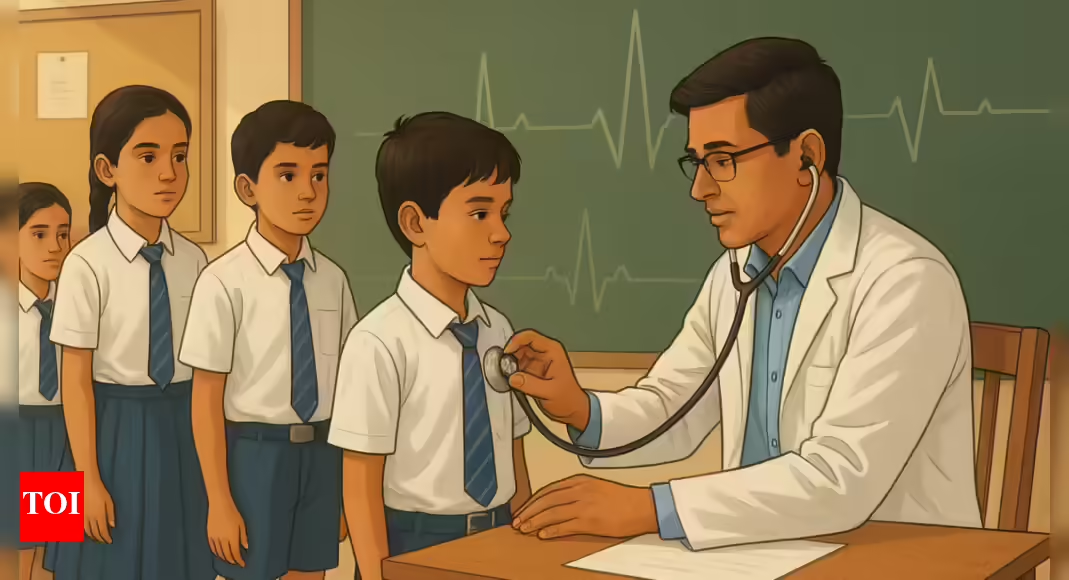
Doctors suggest screening children at ages 10 and 15 for heart disease to prevent sudden deaths among young Indians, challenging the belief that heart issues only affect the elderly.
Recent research highlights a significant link between diabetes, especially Type 2 or late-onset, and an increased risk of pancreatic cancer. People with long-term high blood sugar or new diabetes after age 50 should be aware of this connection and consider early warning signs and preventive measures, as pancreatic cancer remains one of the deadliest cancers with rising incidence.
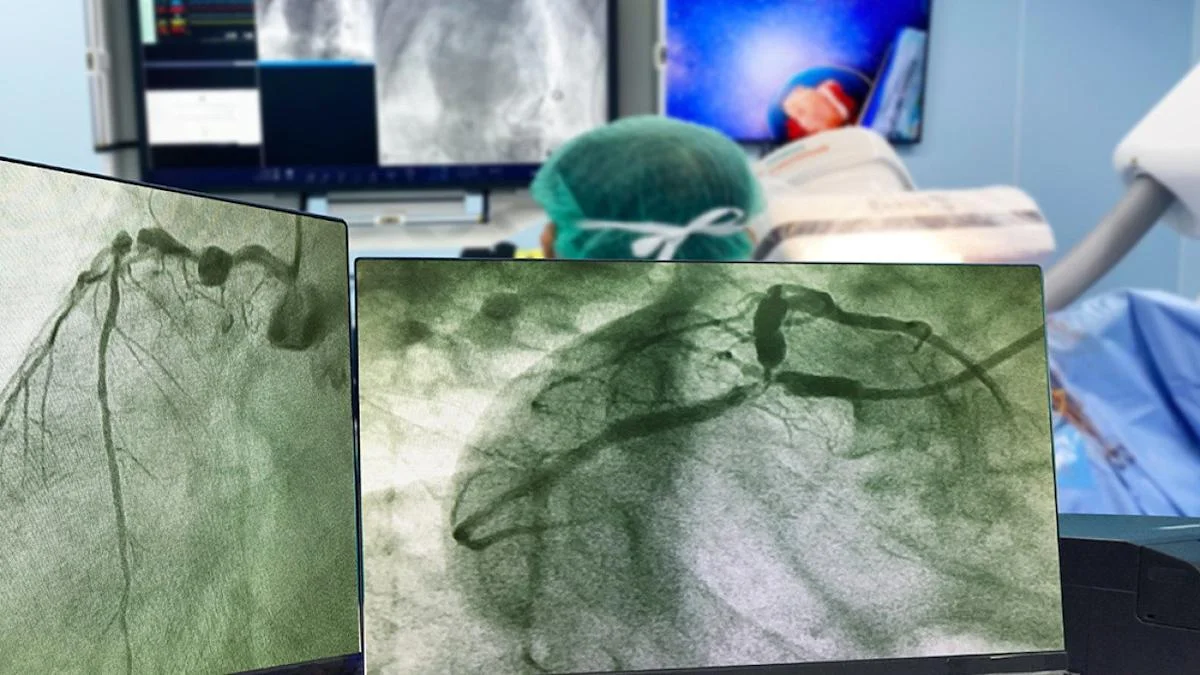
A detailed article emphasizing the importance of personalized heart checkups, highlighting various diagnostic tests like coronary angiograms and MRI, and illustrating how timely detection and intervention can prevent life-threatening heart attacks, exemplified by Christopher Malin's case.
The article emphasizes the importance of getting key vaccines such as the flu, COVID-19, Tdap, RSV, pneumococcal, and shingles for people over 60 to prevent serious illnesses, along with maintaining good health practices during flu season.