Tag

Prehistoric Humans

All articles tagged with #prehistoric humans

science5 months ago

Number of Human Species Throughout History

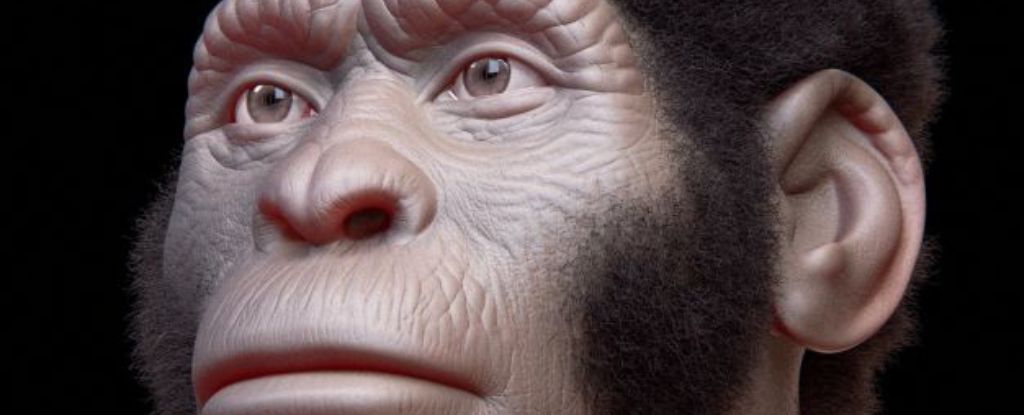
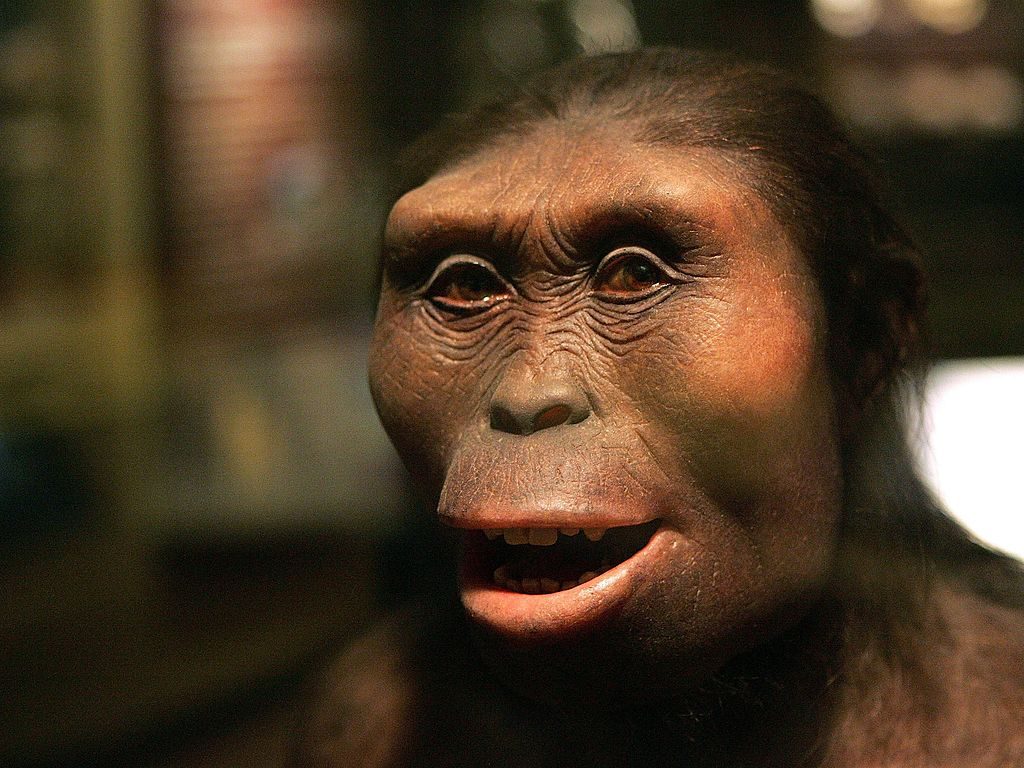
Humans have a complex evolutionary history with at least 16 recognized species within the genus Homo, and possibly up to 30 if including all hominins since our divergence from chimpanzees around 6.5 million years ago. The first species of Homo is generally considered to be Homo habilis, which appeared about 2.3 million years ago, but earlier hominins like Sahelanthropus and Ardipithecus may also be considered early ancestors depending on the definitions used.

science6 months ago

Scientists Discover New Human Species Challenging Old Beliefs

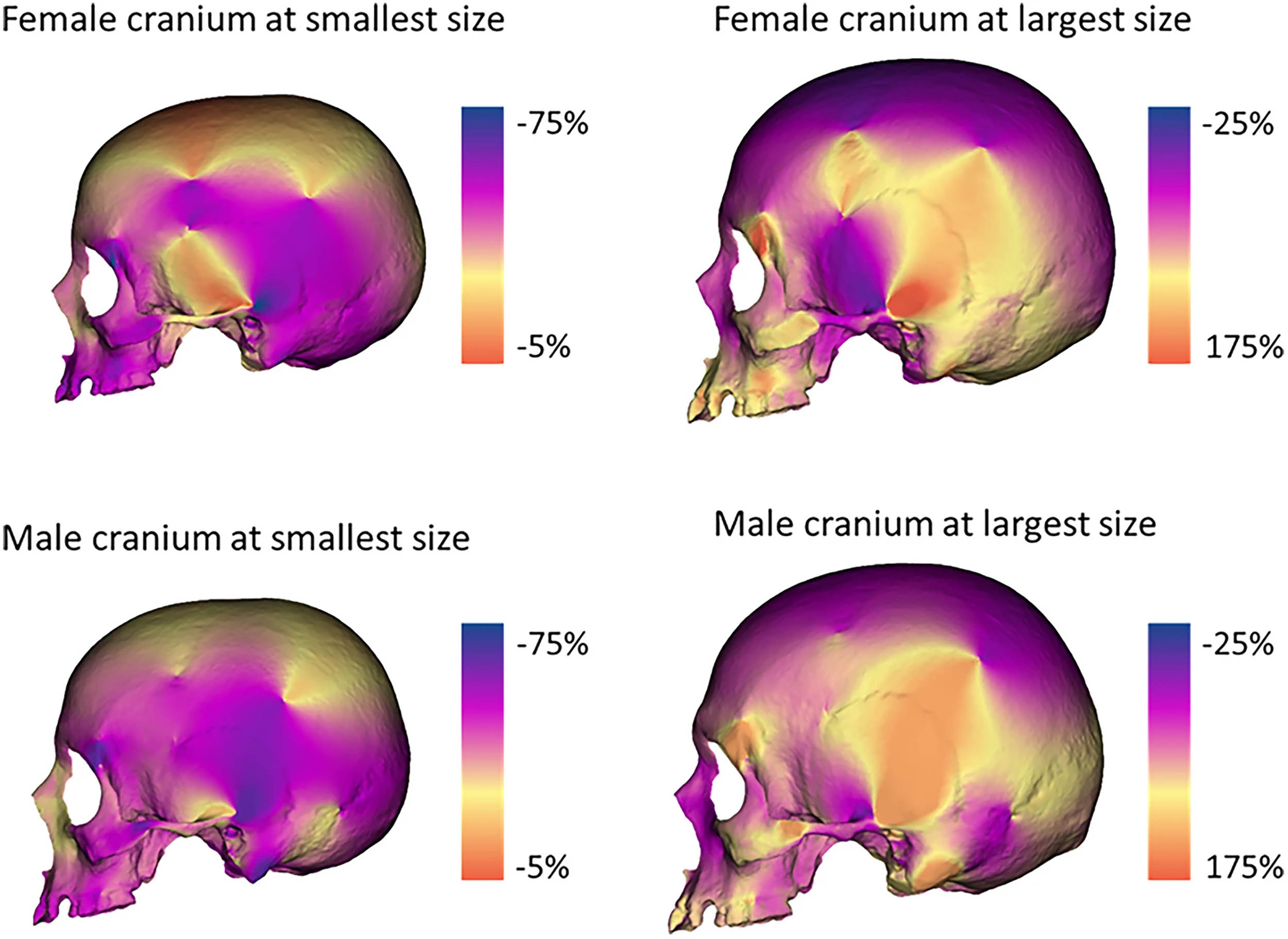
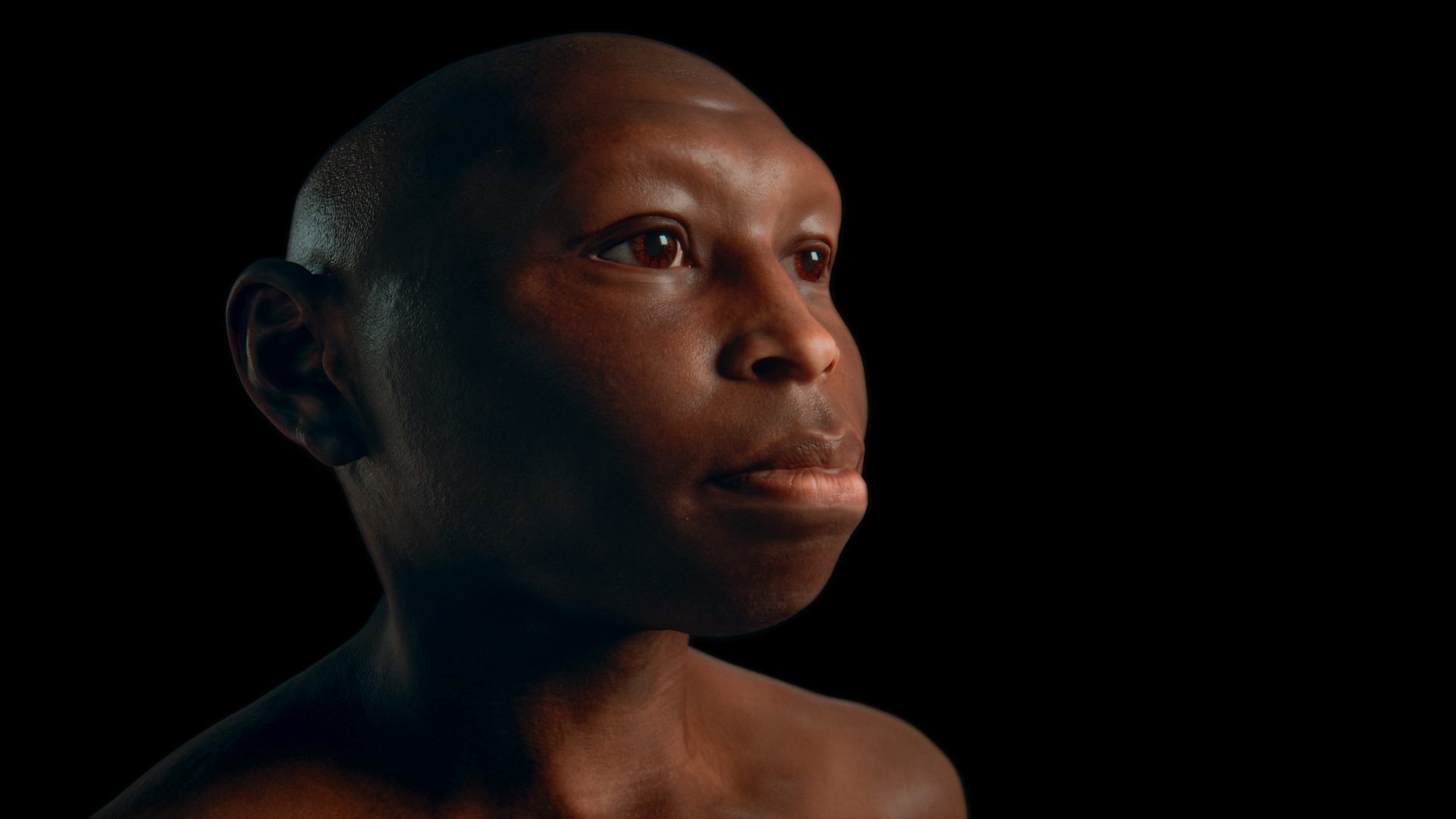
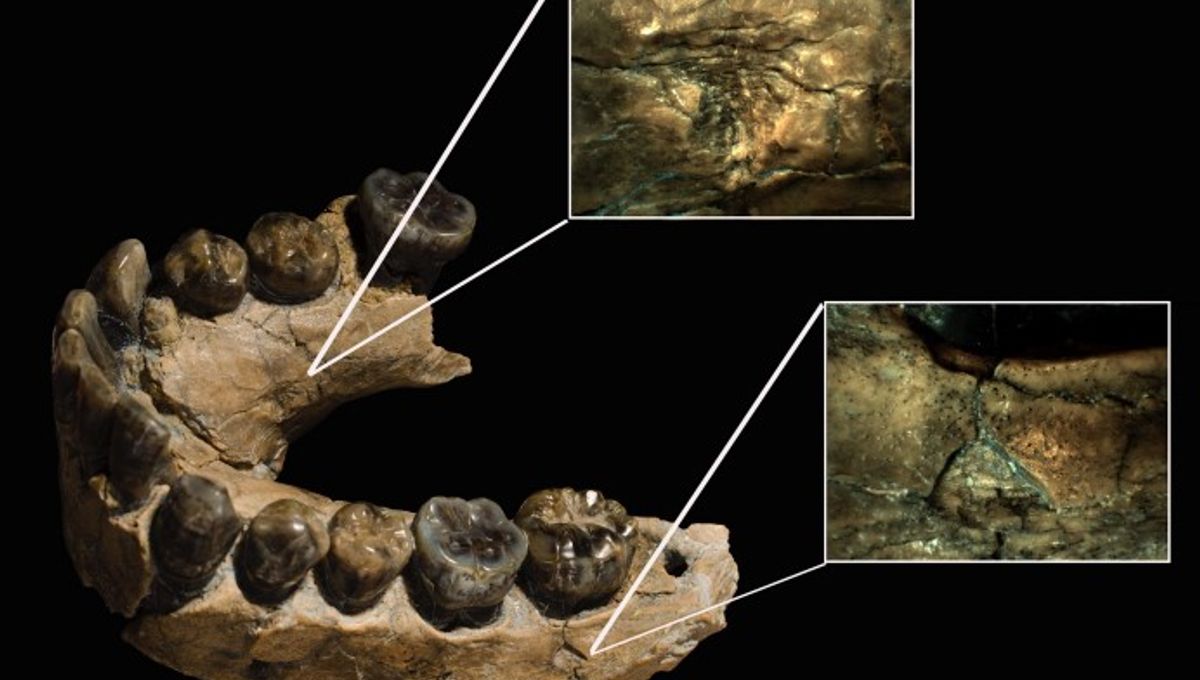
Scientists from China and Hawai'i have identified a potential new human species, Homo juluensis, based on fossil similarities, which may include Denisovans, and could help clarify the complex history of human evolution in Asia. The species thrived from 300,000 to 50,000 years ago and shows unique cranial and dental features, although further research is needed for confirmation.

science6 months ago

Ancient Space Weather and Its Impact on Human History

Approximately 41,000 years ago, a significant geomagnetic event called the Laschamps Excursion caused Earth's magnetic field to weaken and become unstable, leading to increased auroras and radiation exposure. This event likely influenced human behavior and adaptation, with archaeological evidence suggesting changes in protective practices. The interdisciplinary research highlights how space weather has historically impacted life on Earth and may inform future preparedness.

archaeology2 years ago

"Stone Age Artifacts Unearthed in German Cave: A Glimpse into Human-Bear Coexistence"

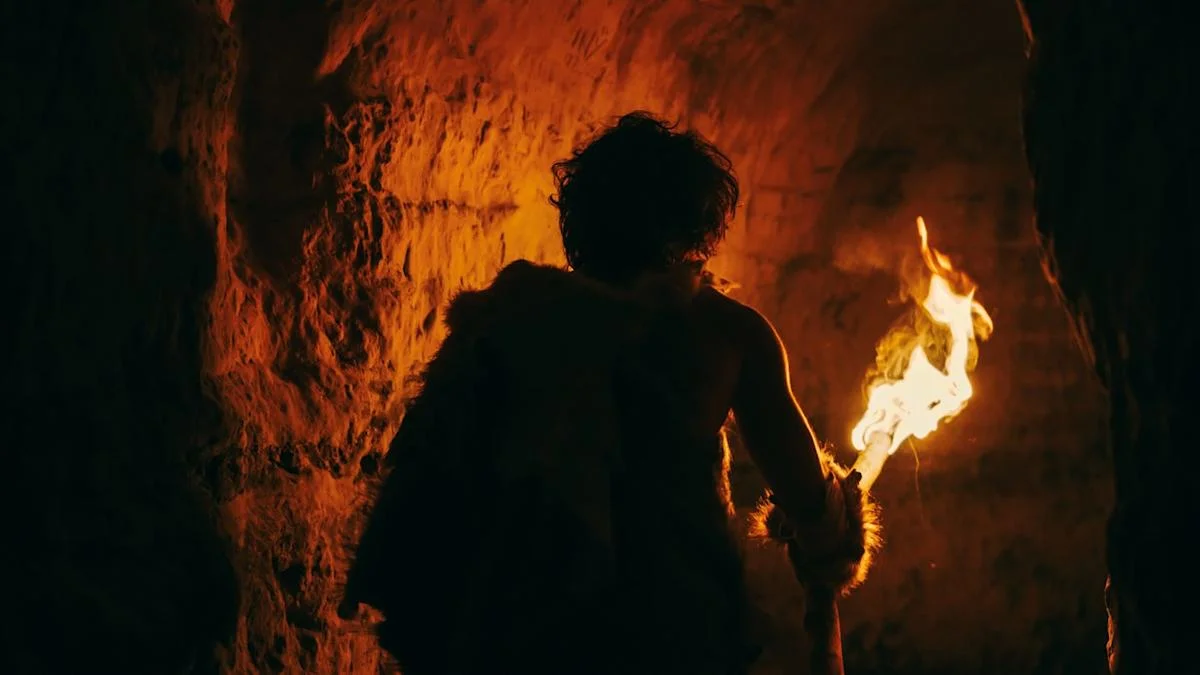
Archaeologists exploring a cave in Germany have discovered a rare collection of artifacts and remains left by prehistoric humans and cave bears. The findings include over 10,000 animal bones, stone tools, and seven well-preserved fragments from a cave bear jaw, which, combined with other bones, create almost an entire cave bear skeleton. Radiocarbon dating suggests the bones date back to between 45,000 B.C. and 25,000 B.C. The cave was also utilized by early humans or Neanderthals, as indicated by the presence of stone tools and animal bones with burn marks and evidence of processing.

Unraveling the Neanderthal Connection: Insights into Human Ancestry and Interbreeding

Recent scientific discoveries are challenging the long-held perception of Neanderthals as primitive beings, shedding light on their complex nature and prompting us to reconsider our understanding of human evolution. By studying Neanderthals, we may gain insights into our own humanity and what it means to be human.

archaeology2 years ago

Surviving the Last Ice Age: Prehistoric Humans Thrived in Spain's Upland Regions

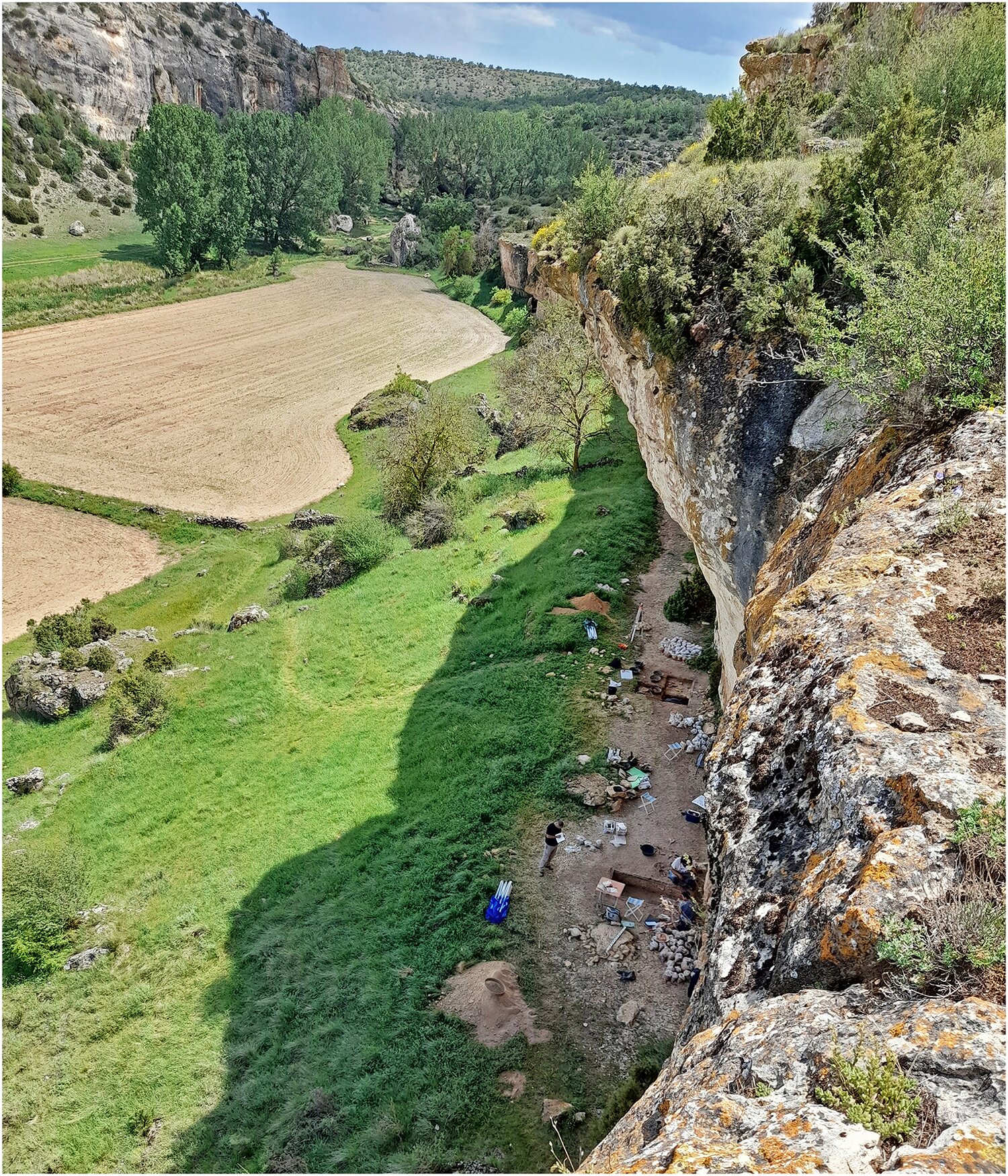
A study published in PLOS ONE reveals that prehistoric humans occupied upland regions of inland Spain, even during the coldest periods of the last Ice Age. The research challenges the notion that the harsh climate of inland Iberia would have deterred human settlement, as evidence from the Charco Verde II site shows a recurring sequence of human occupation between 21,000 and 15,000 years ago. These findings suggest that the lack of evidence for hunter-gatherer sites in inland Iberia is due to a focus on coastal regions in previous research, rather than an accurate reflection of prehistoric human distributions.

archaeology2 years ago

Neanderthals Identified as Creators of World's Oldest Cave Engravings.

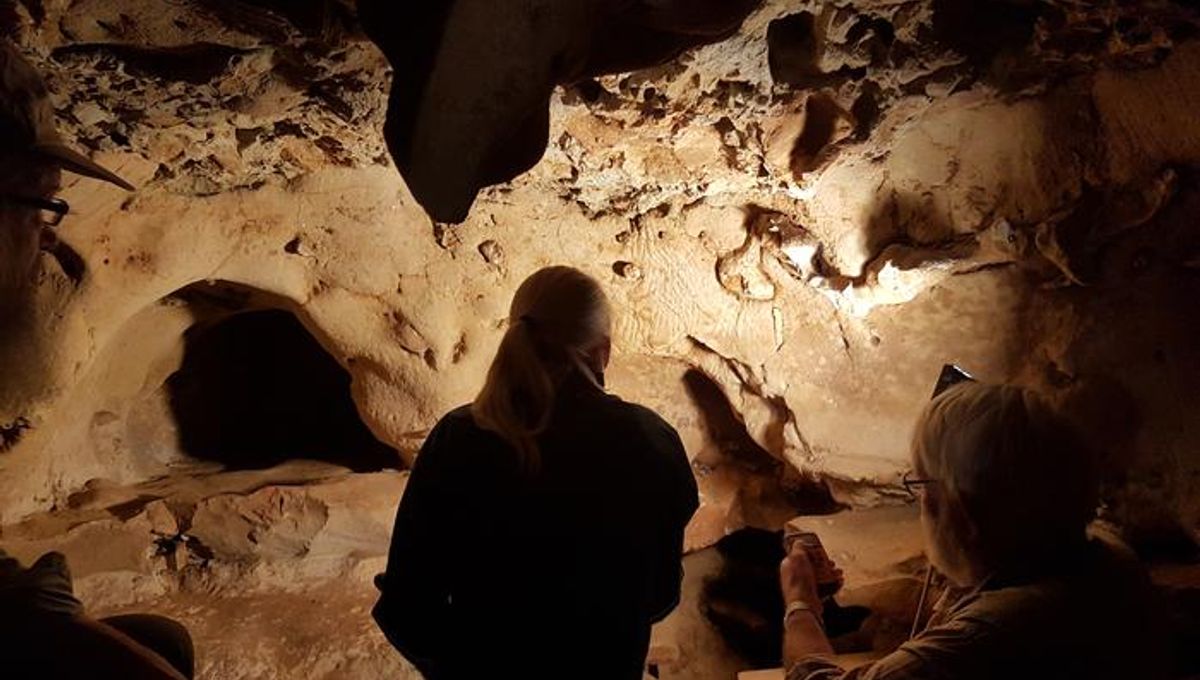
Researchers have discovered the world's oldest known engravings made by humans in a cave in France, dating back 57,000 years. The engravings, consisting of "finger-flutings," were made by Neanderthals, not Homo sapiens, and are deliberate and intentional shapes created by hands. The cave also contains stone tools fashioned in a style associated with Neanderthals, suggesting it was a well-used site for a community of prehistoric humans. The discovery adds to the growing evidence that Neanderthals were intelligent and creative creatures.