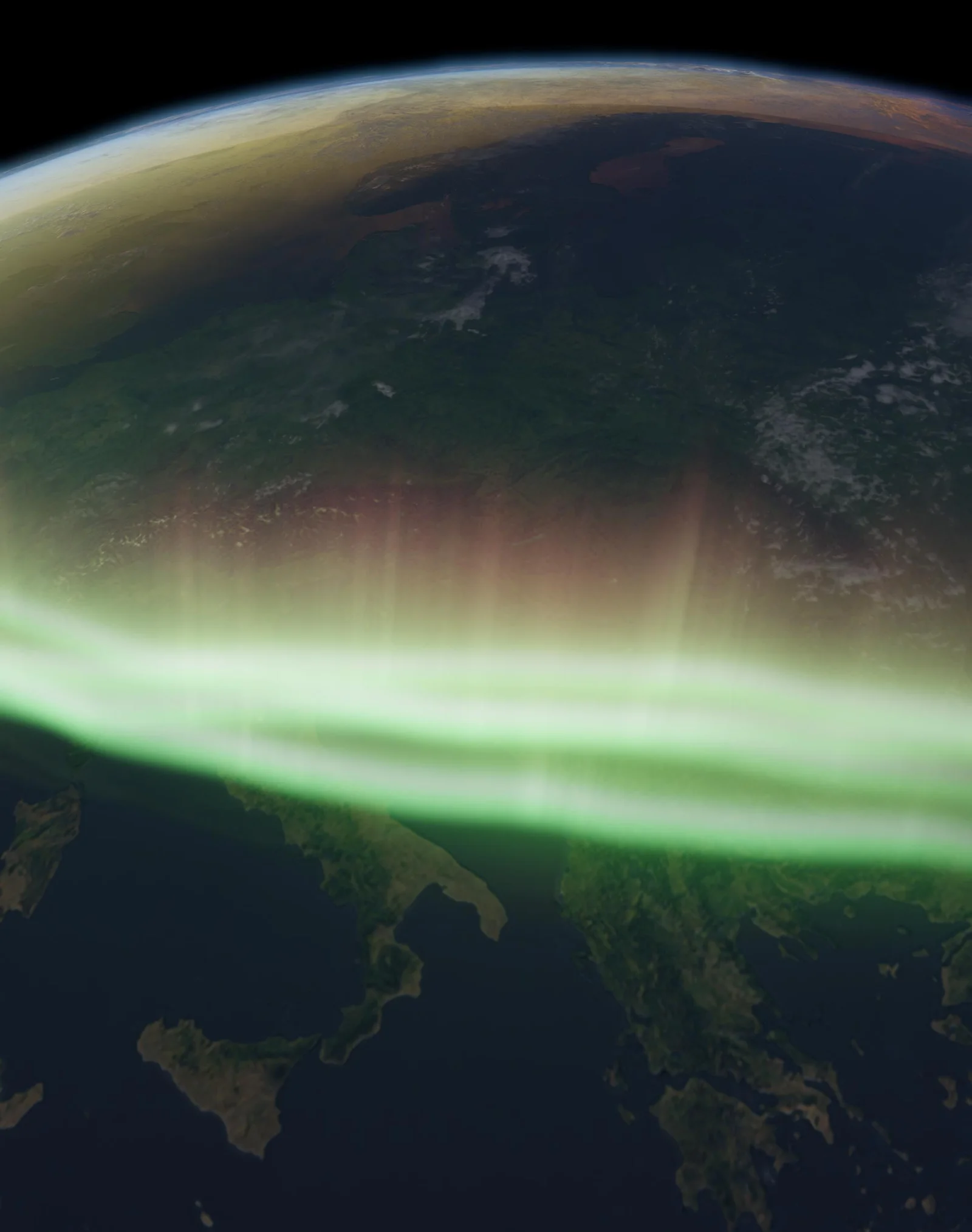
Approximately 41,000 years ago, a significant geomagnetic disruption called the Laschamps Excursion weakened Earth's magnetic field, leading to increased solar radiation exposure, which likely influenced human behavior and adaptation, such as increased sheltering and use of ochre for protection. This interdisciplinary research links space weather to human history, highlighting how ancient environmental changes impacted our ancestors' lives.
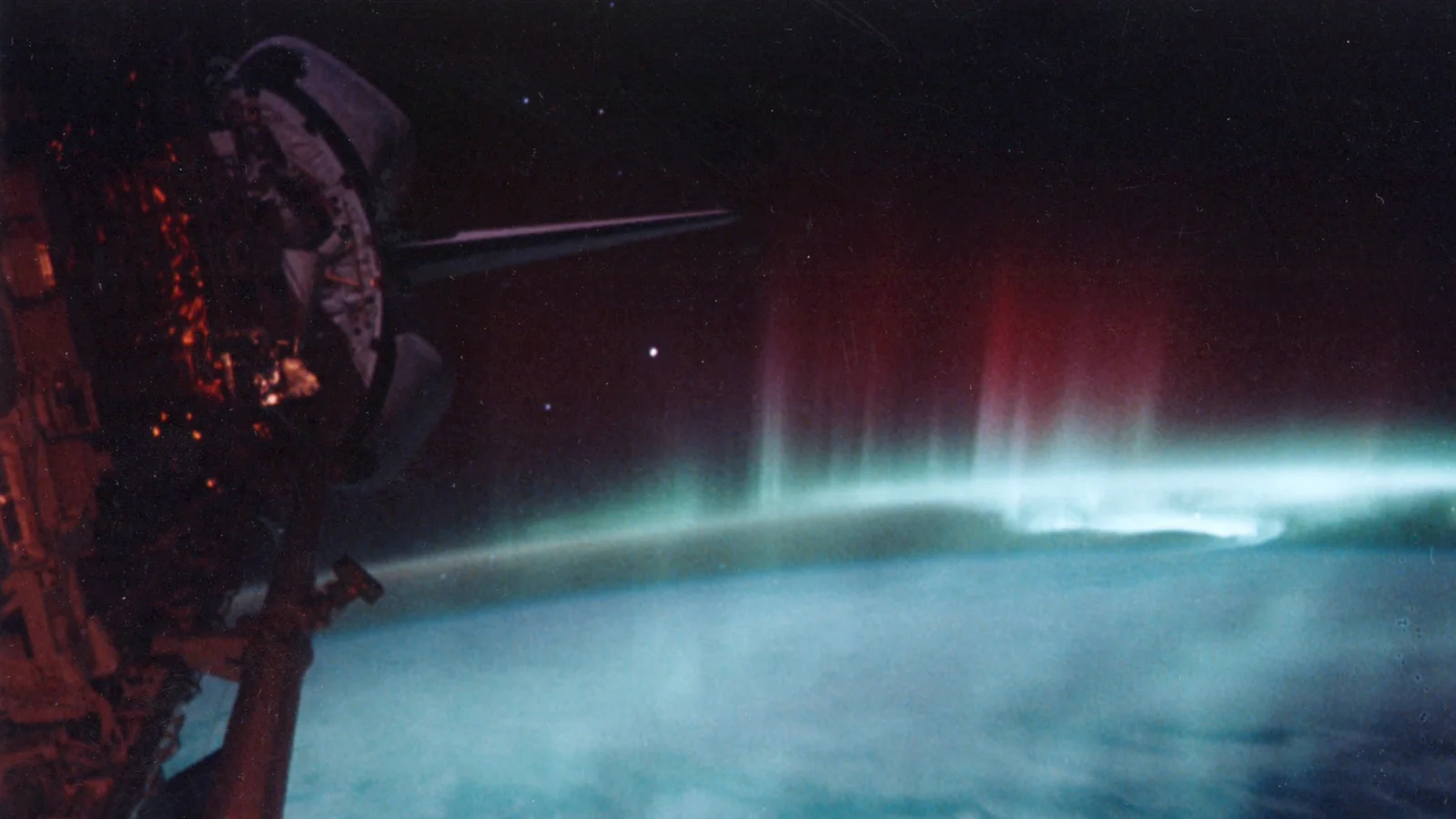
Approximately 41,000 years ago, a significant geomagnetic event called the Laschamps Excursion caused Earth's magnetic field to weaken and become unstable, leading to increased auroras and radiation exposure. This event likely influenced human behavior and adaptation, with evidence suggesting changes in activity such as increased sheltering and protective measures among Neanderthals and early Homo sapiens. The interdisciplinary research highlights how space weather has historically impacted life on Earth and underscores the importance of understanding these effects for future preparedness.
Scientists suggest that a 41,000-year-old geomagnetic event, the Laschamps Excursion, caused increased auroras and radiation, potentially influencing human behavior and adaptation, as evidenced by archaeological findings and interdisciplinary research.
Approximately 41,000 years ago, a significant geomagnetic event called the Laschamps Excursion caused Earth's magnetic field to weaken and become unstable, leading to increased auroras and radiation exposure. This event likely influenced human behavior and adaptation, with archaeological evidence suggesting changes in protective practices. The interdisciplinary research highlights how space weather has historically impacted life on Earth and may inform future preparedness.
Approximately 41,000 years ago, Earth experienced a significant geomagnetic event called the Laschamps excursion, which weakened the planet's magnetic field for about 2,000 years, increasing radiation exposure and potentially influencing human evolution, with modern scientists recreating the event's sounds to better understand its impact and relevance today.
Scientists present new findings on the Laschamps excursion, a period 41,000 years ago when Earth's magnetic field weakened, allowing harmful cosmic rays to bombard the planet. By measuring cosmogenic radionuclides in ice and marine sediment cores, researchers found that the production rate of beryllium-10 was two times higher than present-day levels during this period, indicating very low magnetic field intensity and increased cosmic ray exposure. These findings are important for understanding past extreme events, predicting space climate, and assessing their potential effects on the environment and Earth's system.
A recent study examines the correlation between decreased geomagnetic field intensity and increased cosmogenic radionuclides during the Laschamps excursion, suggesting reduced protection against space radiation and potential biosphere upheavals. The research indicates a significant rise in cosmogenic radionuclides during this period, pointing to decreased geomagnetic shielding and its potential impact on Earth's surface. Scientist Sanja Panovska will present her findings on this relationship at the European Geosciences Union General Assembly 2024, shedding light on the implications for space climate predictions and environmental effects.