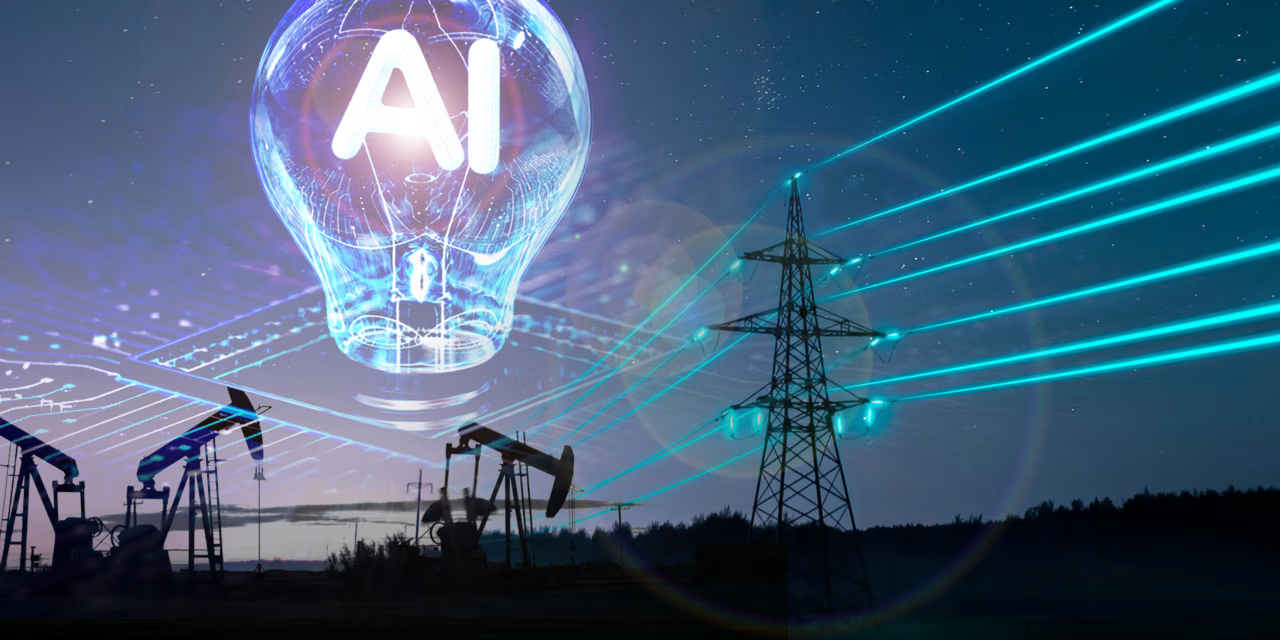
The article discusses how the AI boom is driving demand for infrastructure and energy solutions, highlighting stocks like Modine Manufacturing, bitcoin-mining companies, Williams, ProPetro, and utilities like Constellation Energy, which are positioned to benefit from the increasing power needs of advanced chips and data centers.
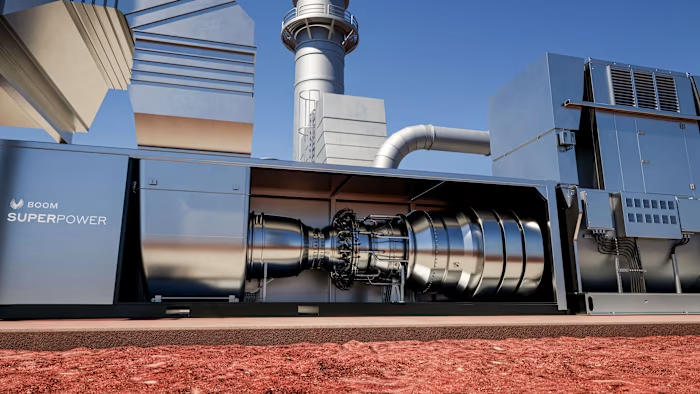
Data centres are increasingly turning to aircraft engines and fossil fuel generators to power AI operations due to delays in grid connection and supply chain issues, leading to a surge in demand for aeroderivative turbines and diesel generators, despite concerns over emissions and higher costs.
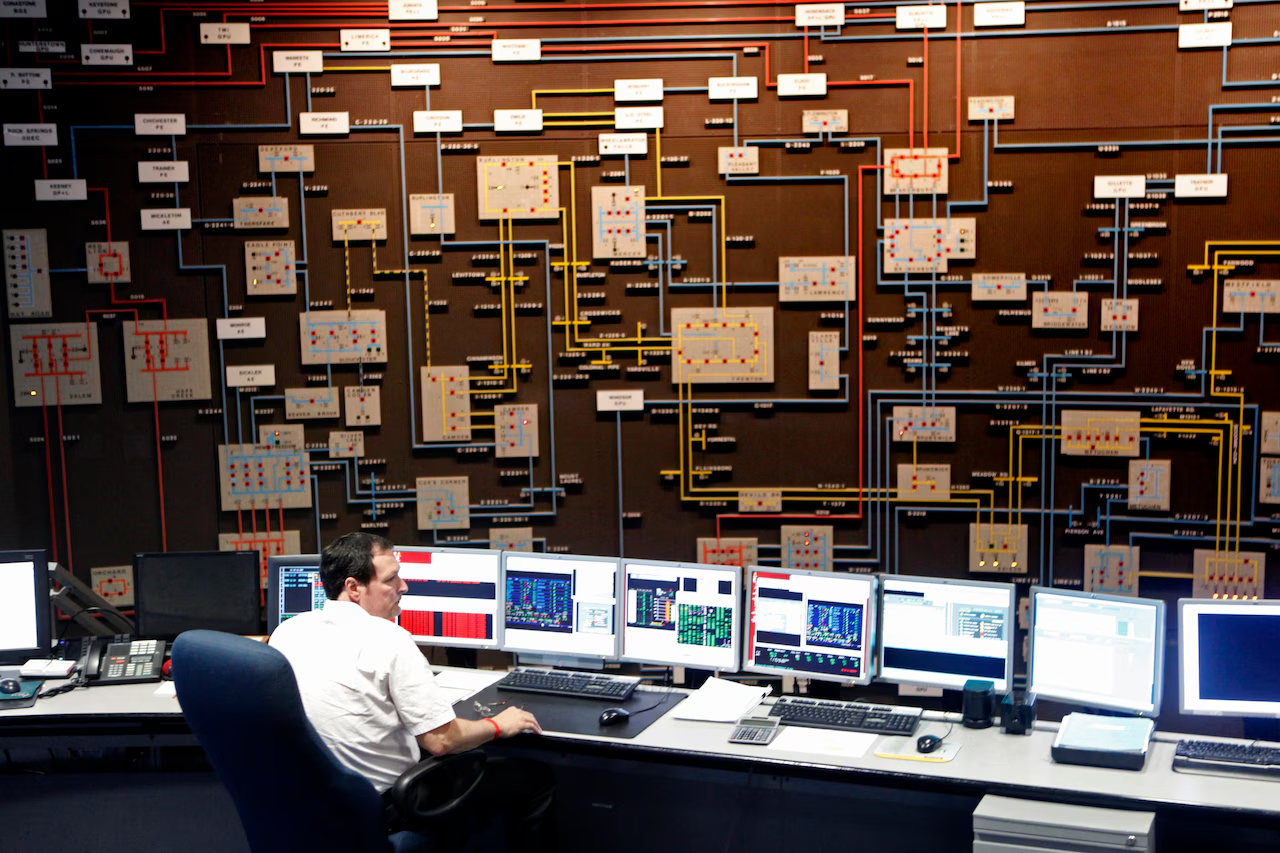
Ohio's electric bills are expected to rise due to a shortfall in power supply caused by high demand from data centers and AI growth, with capacity costs surging and auction results hitting maximum prices, raising concerns about affordability and reliability.
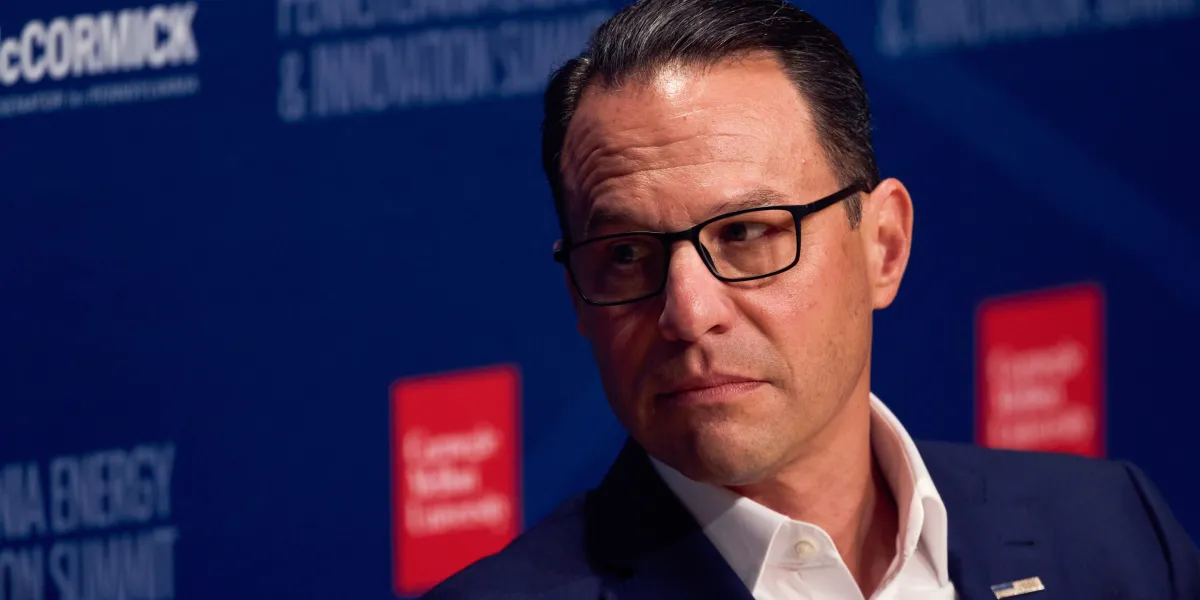
Pennsylvania's Governor Josh Shapiro threatened to leave the PJM power grid if it doesn't reform to better address surging energy costs, citing issues like rising demand from data centers and infrastructure challenges. The summit highlighted frustrations with the current system, with calls for increased state influence and potential alternatives like forming a separate grid or renegotiating participation in power auctions. The debate underscores the urgent need for grid modernization amid rising energy demands and costs.
The rapid growth of AI infrastructure and data centers is creating a significant power supply challenge, with the US falling behind China in capacity expansion. Addressing this issue requires urgent development of new energy sources and upgrades to the electric grid to sustain AI advancements and maintain US leadership in the industry.
The Trump administration is preparing executive actions to boost energy infrastructure for AI growth, including streamlining power grid connections, providing federal land for data centers, and creating an AI action plan, as part of the US effort to compete with China in AI technology.
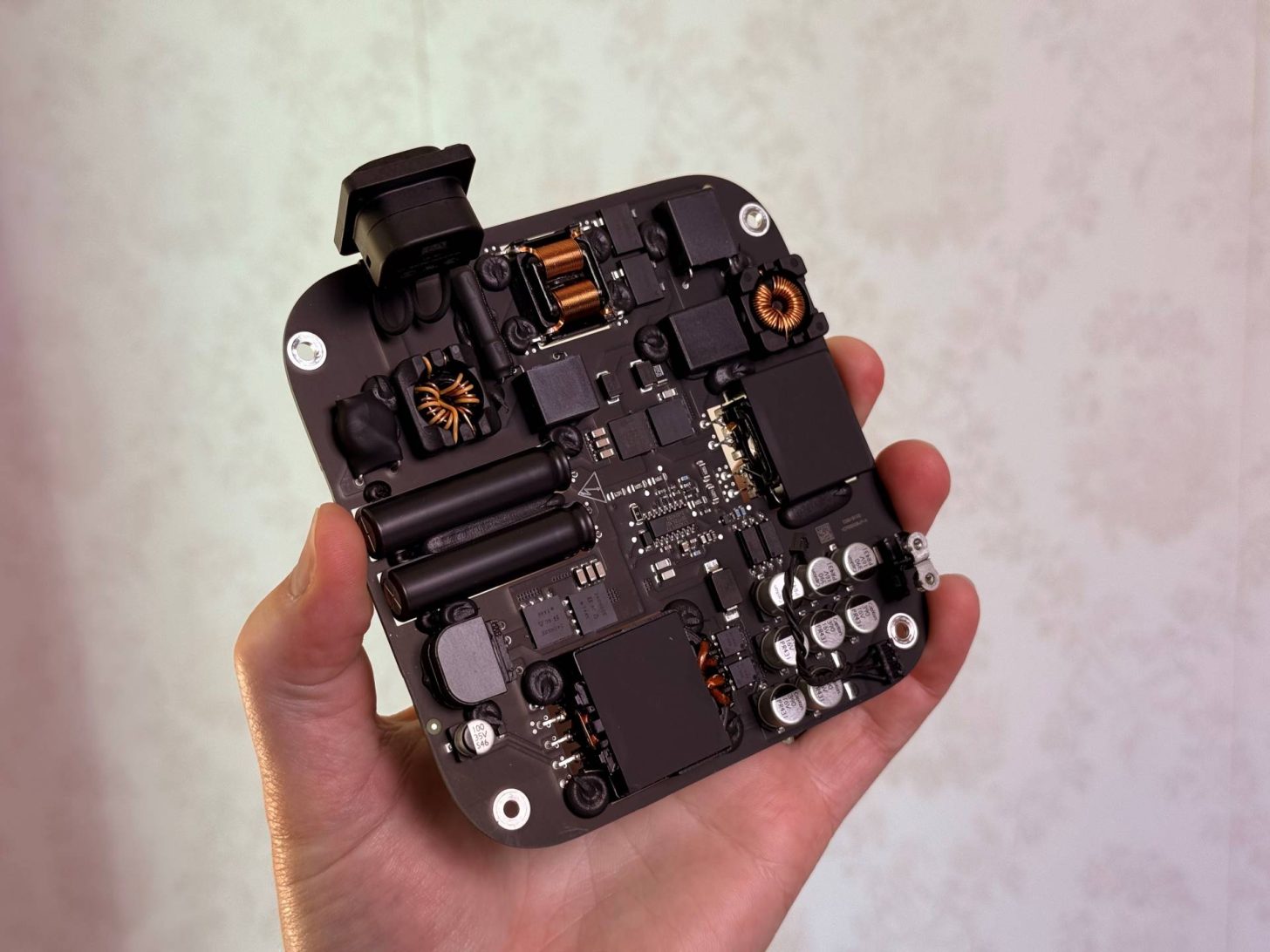
Apple's redesigned Mac mini features a meticulously designed power supply unit with horizontally aligned components to save space, as revealed in a teardown by YouTuber Quinn Nelson. The compact design includes a spiraling heatsink and a separate motherboard for Wi-Fi and Bluetooth. The M4 chip's efficiency allows the Mac mini to operate with a 150W power supply, aided by bus bars on the motherboard. Despite the compact design, the Mac mini remains affordable, with recent price cuts on Amazon.
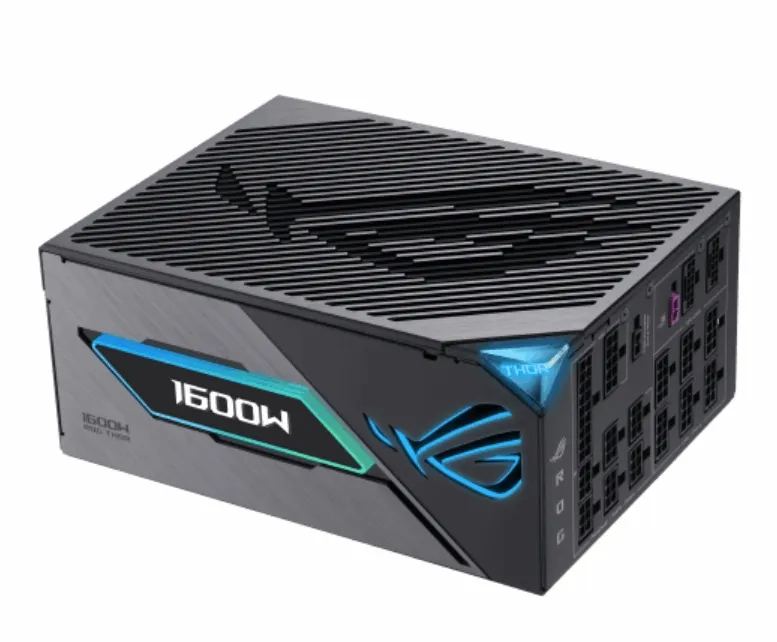
ASUS has introduced the ROG Thor III 1600W power supply unit, featuring a modular OLED display and designed to meet ATX 3.1 standards. It offers high energy efficiency with an 80 PLUS Titanium certification and includes a Turbo mode for enhanced cooling. The OLED display is detachable and can be positioned for optimal visibility. Pricing and availability details are yet to be announced.
Alarms went off on the Dali cargo ship hours before it crashed into the Francis Scott Key Bridge in Baltimore, indicating an inconsistent power supply while still docked. The vessel later lost power as it approached the bridge, ultimately causing the collapse. Six members of a road repair crew were killed, and a fourth body was recovered from a missing construction vehicle in the Patapsco River. The FBI has confirmed a criminal investigation into the events leading up to the crash.
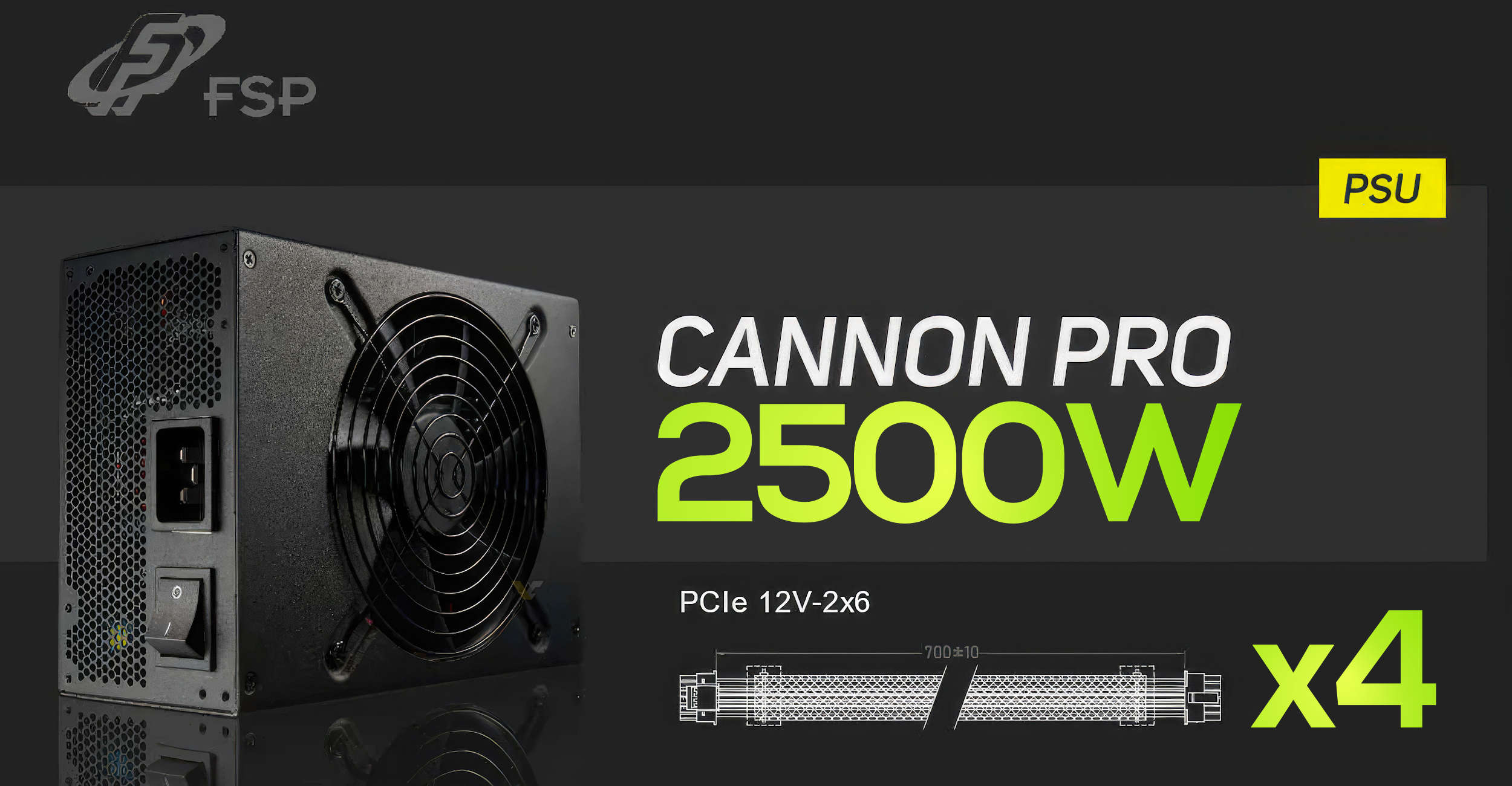
FSP is preparing to launch the Cannon Pro 2500W power supply, featuring 80 Plus Platinum certification and upgraded PCIe Gen5 connectors. With three PCIe 6+2-pin and four PCIe 12V-2x6 connectors, it can support up to four RTX 4090 cards simultaneously. The fully modular design allows for flexibility in configurations, and the high power capacity ensures wattage is not a limiting factor. FSP has more products planned for a 2024 launch.
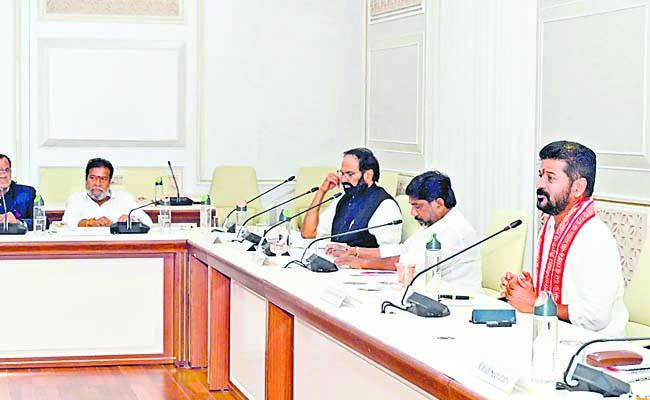
Telangana's new chief minister, Revanth Reddy, has wasted no time in making his mark on the administration. He has opened up the previously inaccessible Pragathi Bhavan to the public, reinstated the "Praja Darbar" concept of meeting with common people, and called for a meeting on the electricity sector, aiming to cut down unnecessary power purchases and ensure judicious consumption. Additionally, he is focusing on curtailing unnecessary expenditure on fancy schemes to promote frugality in public spending. It remains to be seen how long he can sustain this momentum.
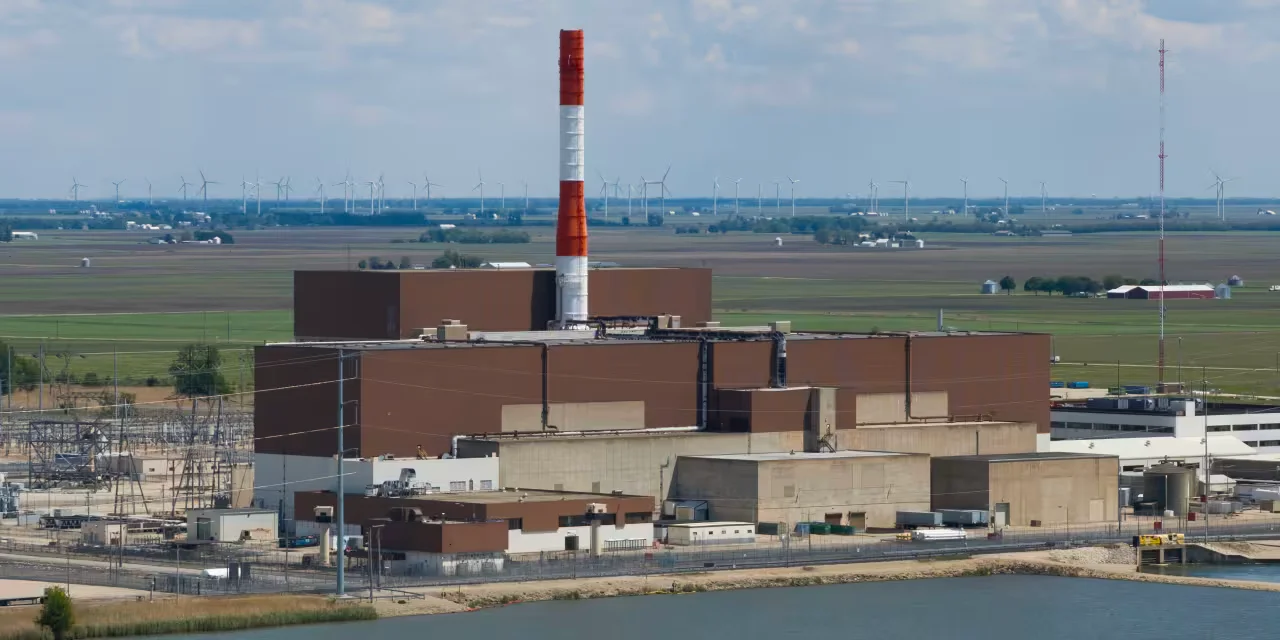
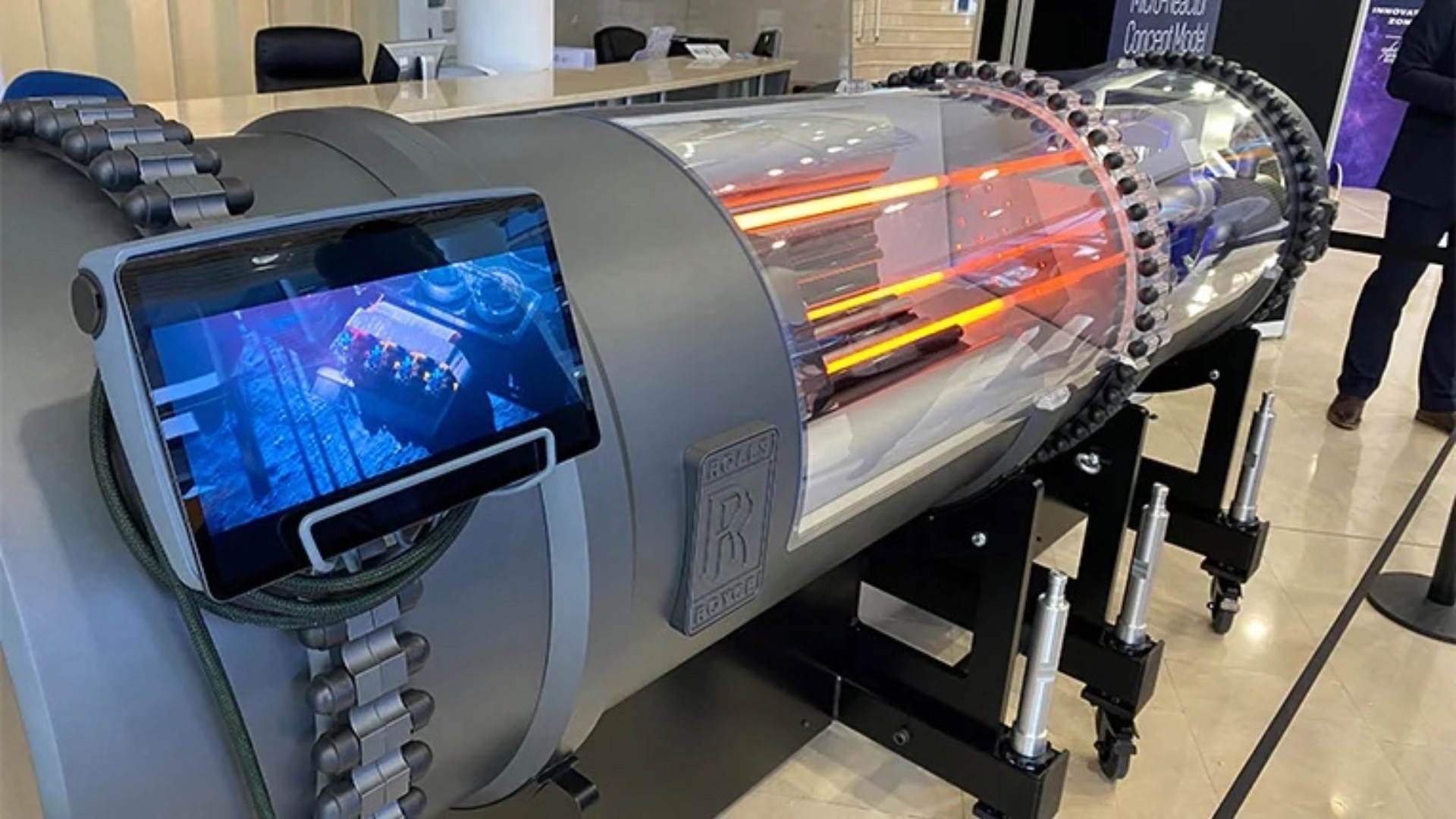
Rolls-Royce has revealed a conceptual model of a nuclear Space Micro-Reactor that could provide electricity for a lunar settlement. NASA has identified the Moon's southern pole as a potential location for a lunar outpost due to the presence of water deposits. The reactor would be crucial in providing a steady power supply for astronauts and enabling operations in the perpetually shadowed areas.
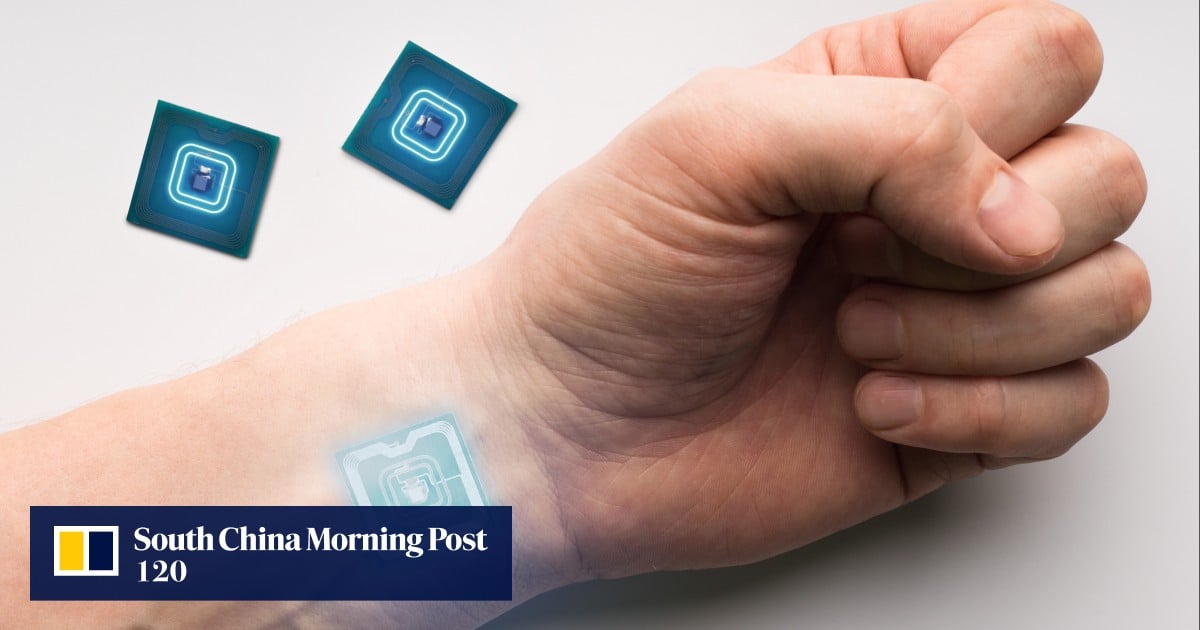
Chinese scientists have developed a biodegradable wireless energy receiving and storage device that can power bioelectronic implants, such as drug delivery systems. The device consists of a magnesium coil that charges when an external transmitting coil is placed on the skin above the implant. Power passes through a circuit and enters an energy storage module made of zinc-ion hybrid supercapacitors. The prototype device, contained in a flexible biodegradable chip-like implant, integrates energy harvesting and storage. Tests on rats showed that the device can function effectively for up to 10 days and fully dissolves within two months. The researchers believe this development is a significant step forward in advancing transient implantable bioelectronic devices.
Choosing the right power supply unit (PSU) is crucial for a PC build, as it can affect the stability and performance of the entire system. Factors to consider when buying a PSU include wattage, efficiency ratings, form factor, connectors, and noise. Wattage determines the power output, while efficiency ratings indicate how efficiently the PSU converts power. The form factor should be compatible with the PC case, and the PSU should have the necessary connectors. It's important to calculate the wattage needed for the components and leave some headroom for future upgrades. Spending a little more on a higher-rated PSU is recommended for system stability. PSUs can be reused in new builds and often come with long warranties.
Linewell, the manufacturer of power cables for brands like ASUS, conducted a test on the new 12V-2x6 GPU connector. The cable, when not fully inserted, survived a 640W power test without overheating, reaching a temperature of only 41°C. The design of the cable should prevent such situations, but the test demonstrated that the new power pins are more conductive and less prone to generating excessive heat. The updated 12V-2x6 cable has become the standard for new RTX 40 cards, with power supplies adapting to the new standard. However, it's important to remember that all power cables carry some risk of failure.