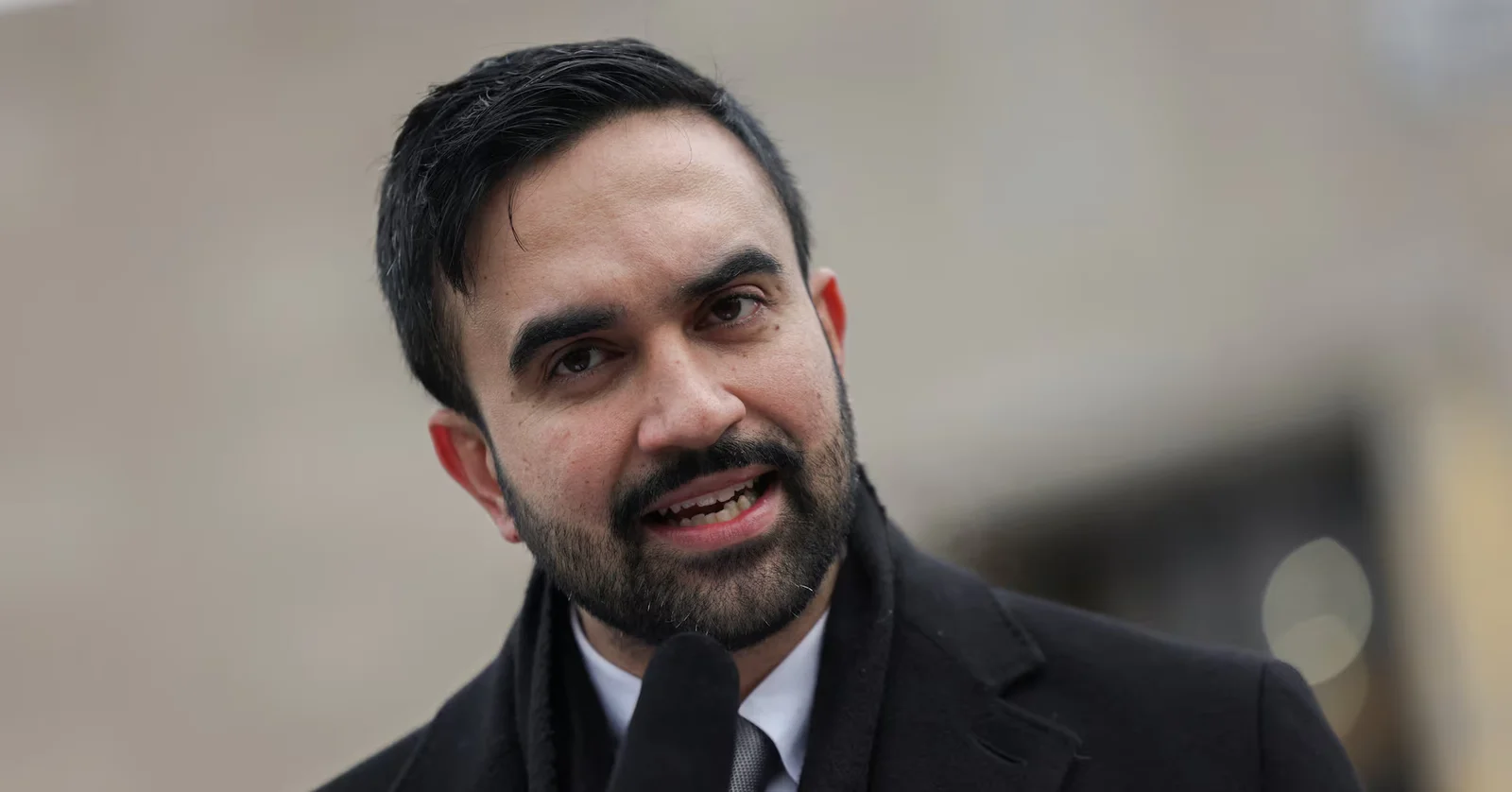
New York City Mayor Zohran Mamdani has revoked several executive orders issued by his predecessor, Eric Adams, including those related to immigration, antisemitism, and divestment from Israel, citing a need to focus on community protection and addressing hate crimes, while facing criticism from Israel's Foreign Ministry.
Mamdani, the new mayor, defends eliminating executive orders related to antisemitism and Israel, emphasizing efforts to combat hate and division in the city, while facing criticism from some Jewish community members over his past comments and policies.
New NYC Mayor Zohran Mamdani revoked several of his predecessor's orders related to antisemitism and Israel, while focusing on housing initiatives, signaling a shift in policy and priorities early in his administration.
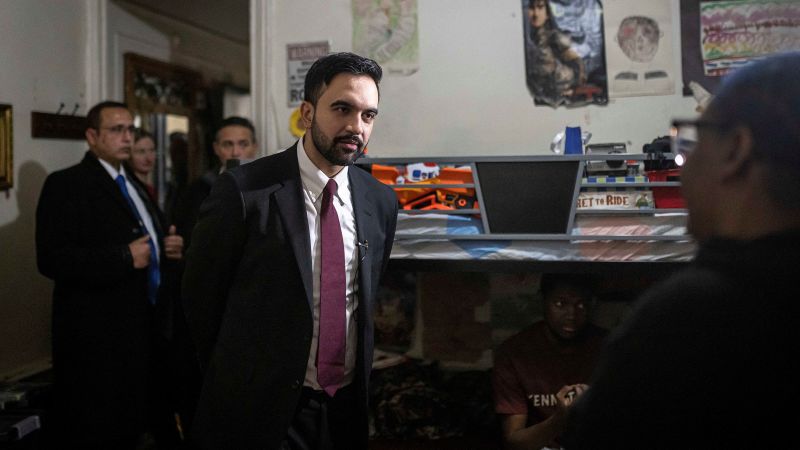
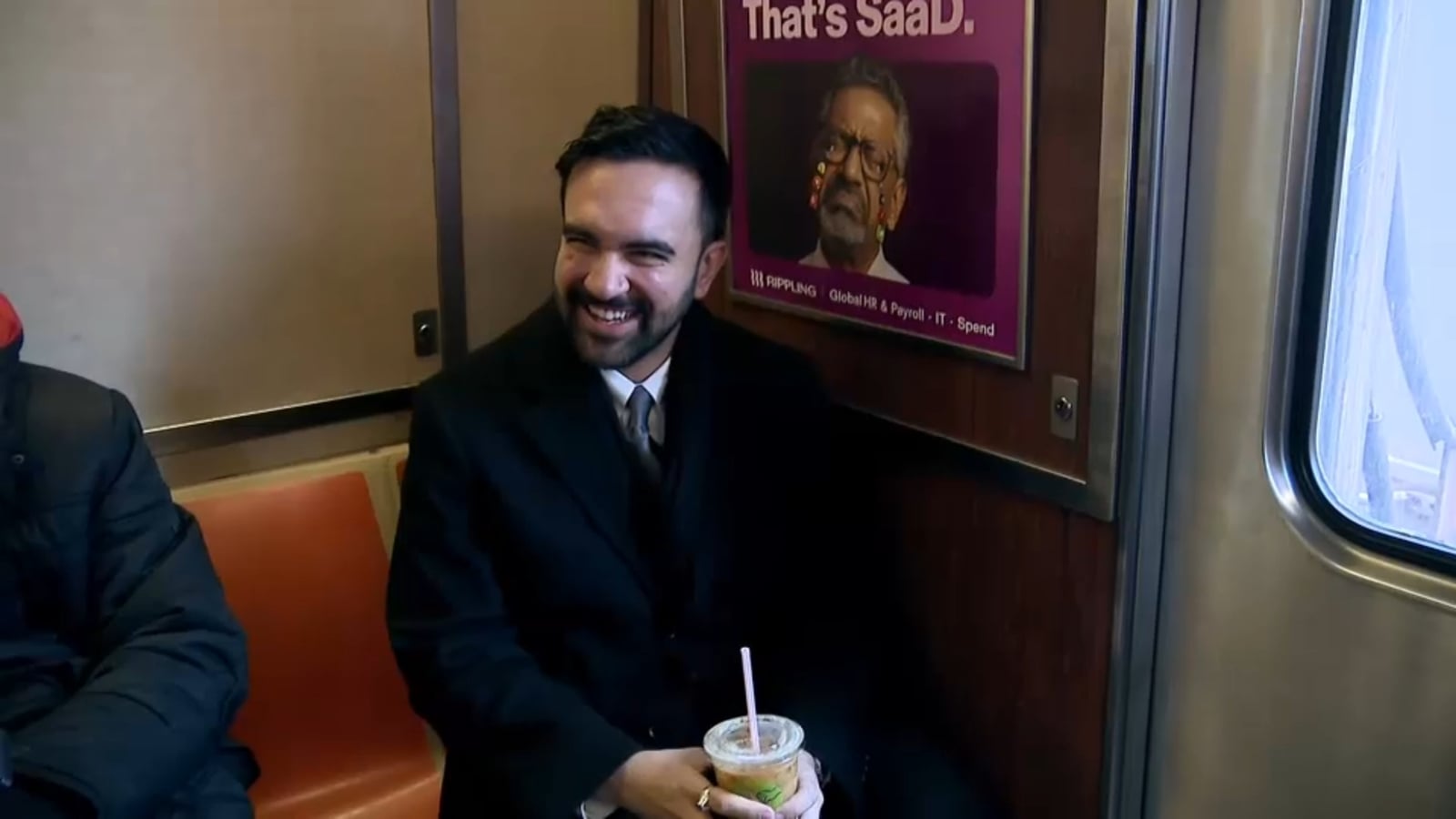
New NYC Mayor Zohran Mamdani, on his second day in office, engaged with commuters on the subway, opposed the fare hike, and signed executive orders focused on addressing the city's housing crisis, including reviving tenant protections and establishing housing task forces.
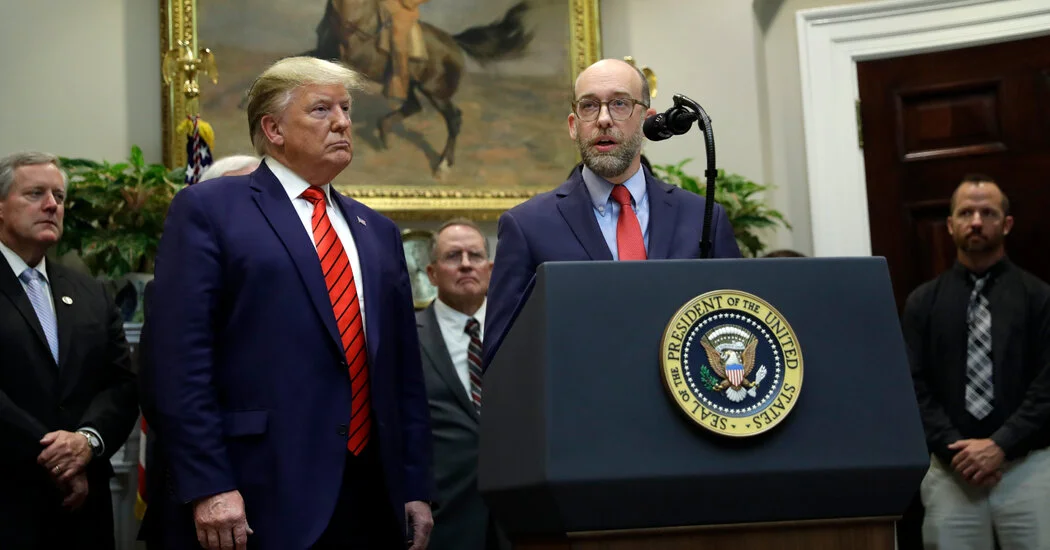
In 2025, President Trump dominated headlines with aggressive policies, issuing a record number of executive orders, pushing boundary-pushing immigration and trade measures, and implementing a costly tax law, but faced declining popularity due to economic concerns, rising inflation, and public dissatisfaction, despite technological advances like AI gaining widespread adoption.
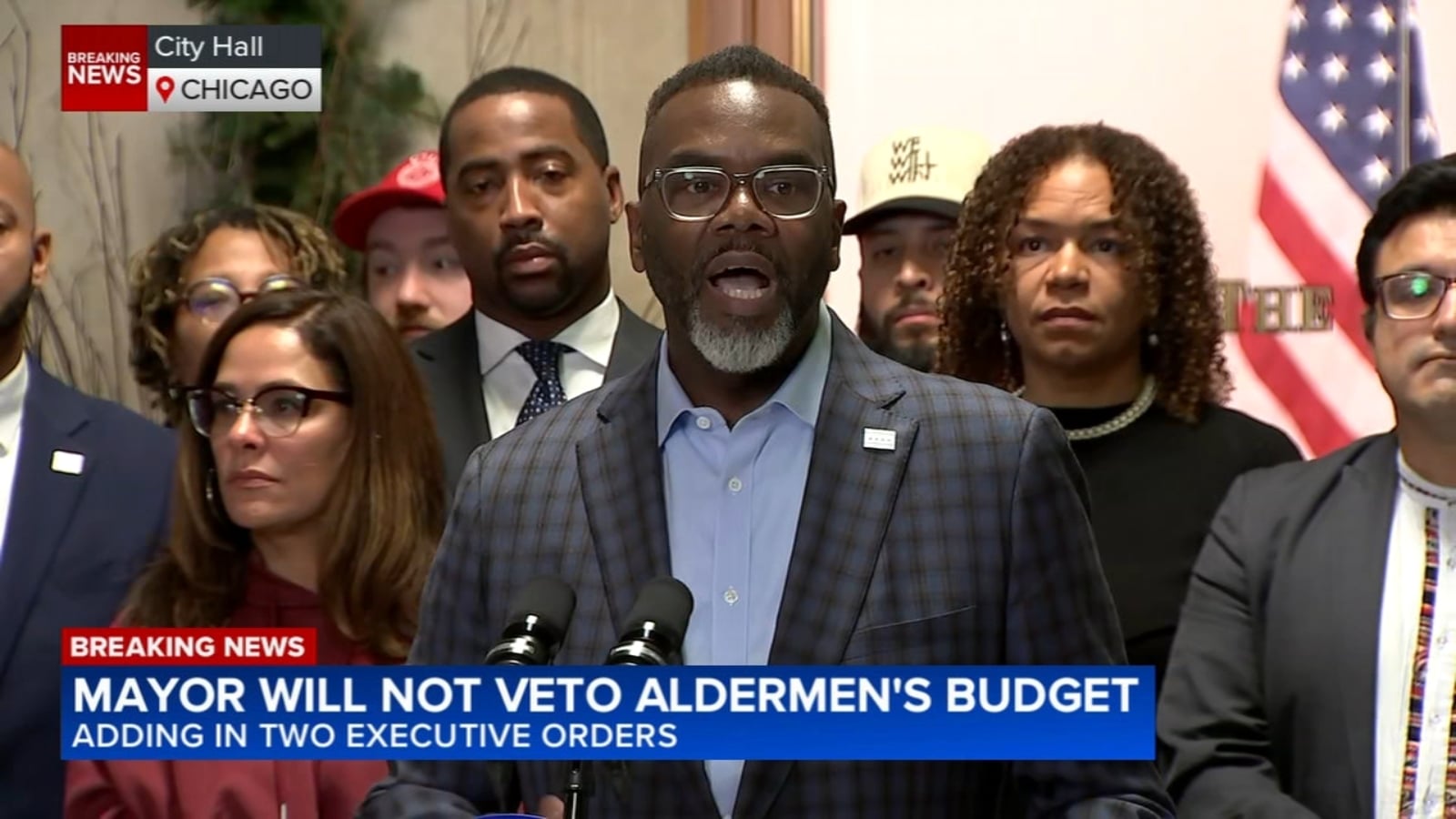
Chicago Mayor Brandon Johnson announced he will proceed with the city council's alternate budget, which he opposes, and signed two executive orders to regulate city debt sales and police overtime spending, emphasizing fiscal discipline and transparency amid ongoing budget debates.
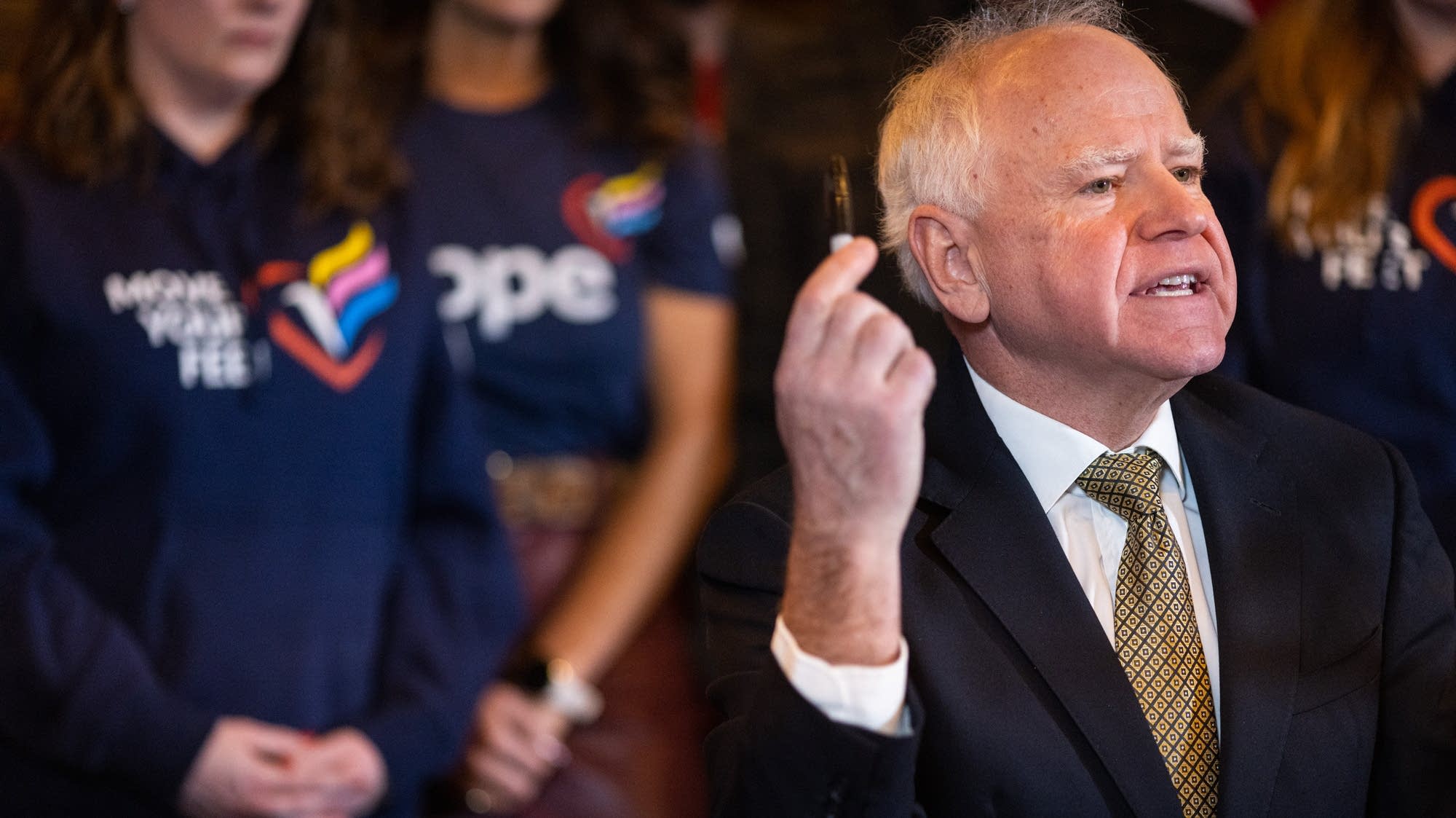
Governor Tim Walz signed two executive orders aimed at reducing gun violence in Minnesota, including creating a safety council and promoting awareness of Extreme Risk Protection Orders, after legislative efforts to pass stricter gun laws stalled. The orders received mixed reactions, with Democrats supporting the steps and Republicans criticizing them as insufficient and politically motivated.
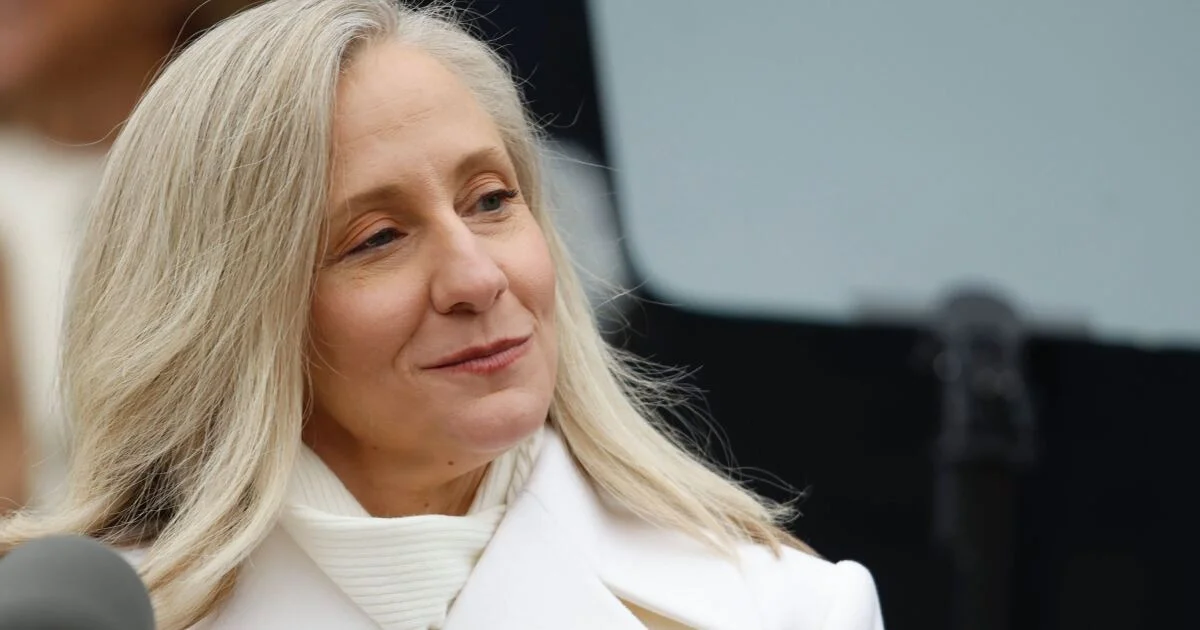
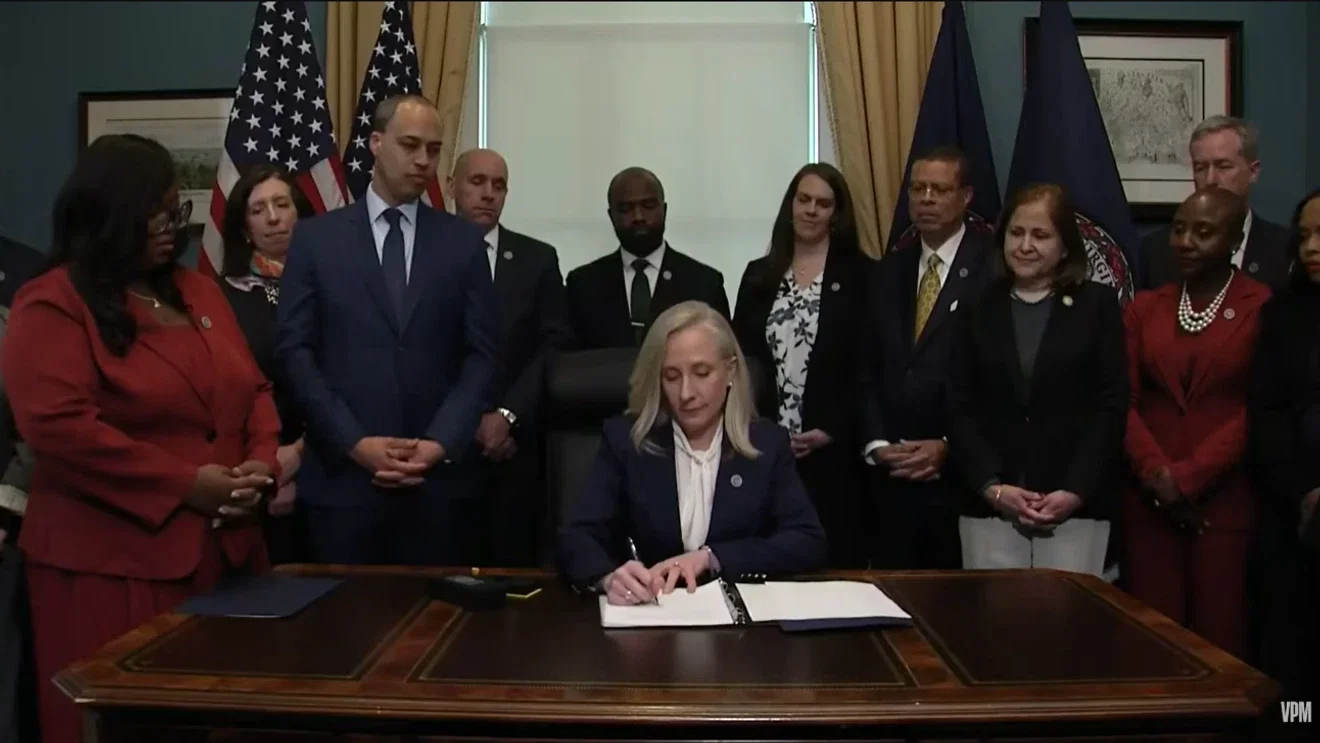
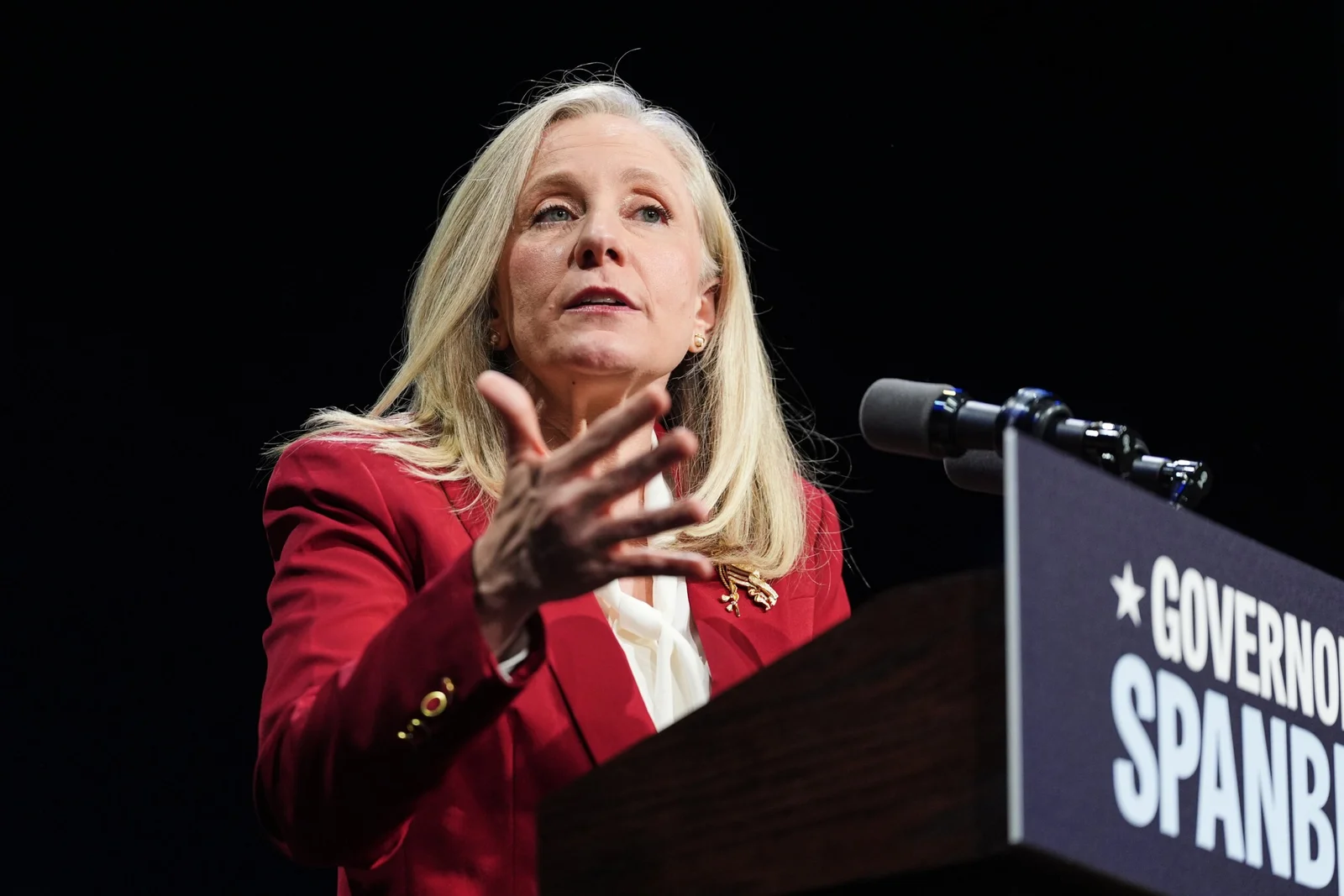
Virginia's governor-elect Abigail Spanberger plans to focus on affordability issues through executive orders on day one, intends to reverse some of Youngkin's policies, and emphasizes collaboration with the legislature to address high costs in housing, healthcare, and energy, while also preparing to challenge federal actions she views as harmful to Virginians.
The article details the implementation and threats of various tariffs, tariffs on specific countries, transshipment penalties, and potential digital services tax (DST) measures under President Trump's trade policies, with specific effective dates and exemptions outlined.
A bipartisan group of 48 senators introduced the Protect America’s Workforce Act to nullify President Trump's executive orders that stripped federal employees of union rights, aiming to restore collective bargaining agreements and oppose what they describe as union-busting measures.
The article discusses President Trump's recent actions, including executive orders to deploy the National Guard domestically, the removal of Federal Reserve Governor Lisa Cook, a controversial flag-burning order, and his claims of not wanting to be a dictator, highlighting concerns about his expanding power and authoritarian tendencies.
President Donald Trump issued executive orders threatening to withhold federal funding from D.C. if it does not reinstate cash bail and directed federal agencies to focus on safety, continuing his emphasis on crime issues in the capital.
President Donald Trump signed executive orders to limit no-cash bail policies across the U.S., aiming to enhance public safety and control over jurisdictions using cashless bail, amid claims of a crime wave in Washington D.C. and broader efforts to assert presidential authority.
President Donald Trump plans to sign executive orders, including ending cashless bail in Washington, D.C., and host South Korean President Lee Jae-myung, while threatening to deploy National Guard troops to Baltimore and possibly Chicago amid ongoing law enforcement and public safety issues.
The Supreme Court issued a complex and confusing ruling on the Trump administration's cancellation of NIH public health grants, which involved research on critical health issues and was challenged in court for being arbitrary and lacking clear guidance, with Justice Jackson criticizing the decision as 'Calvinball jurisprudence' that favors the administration.