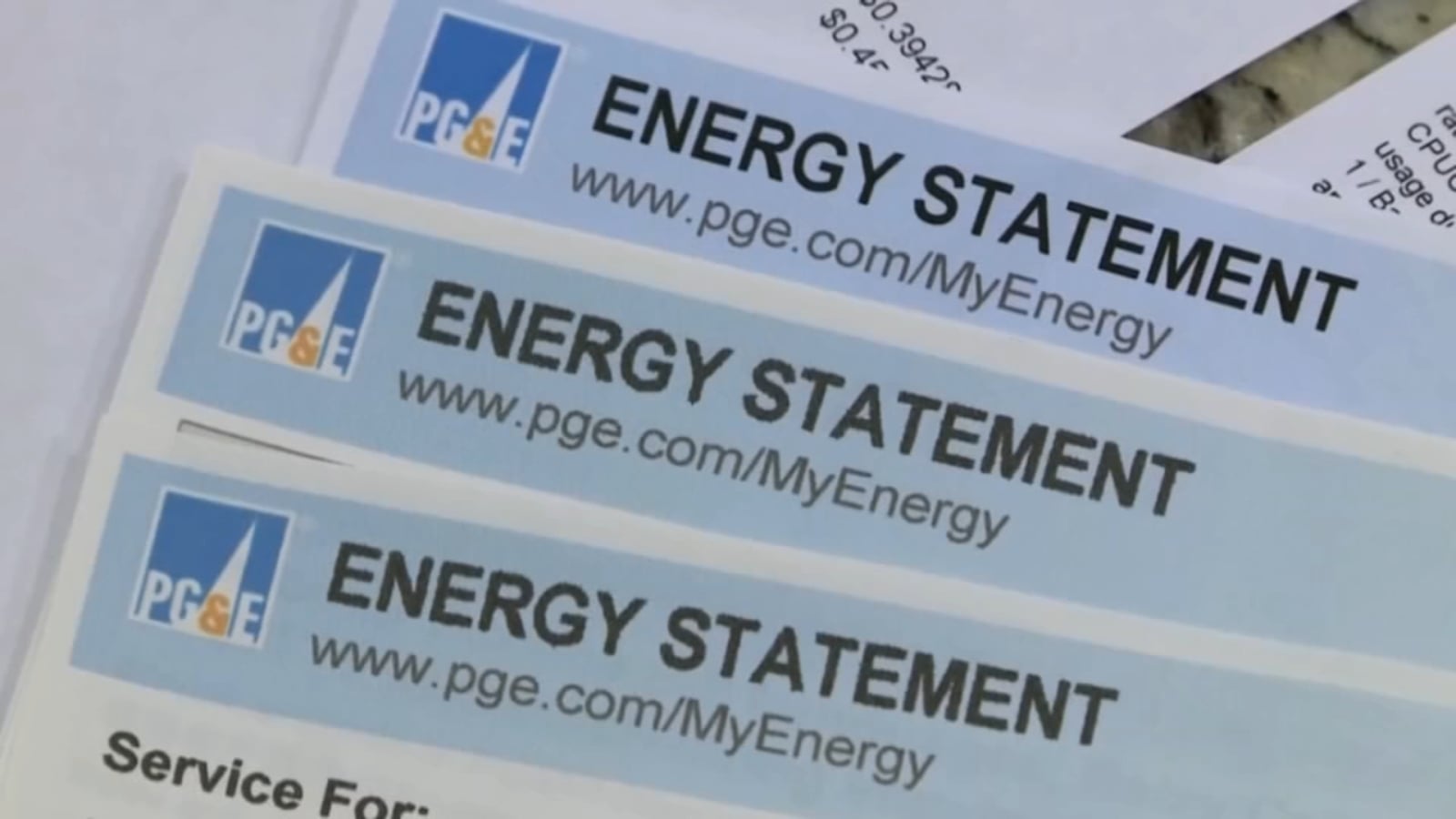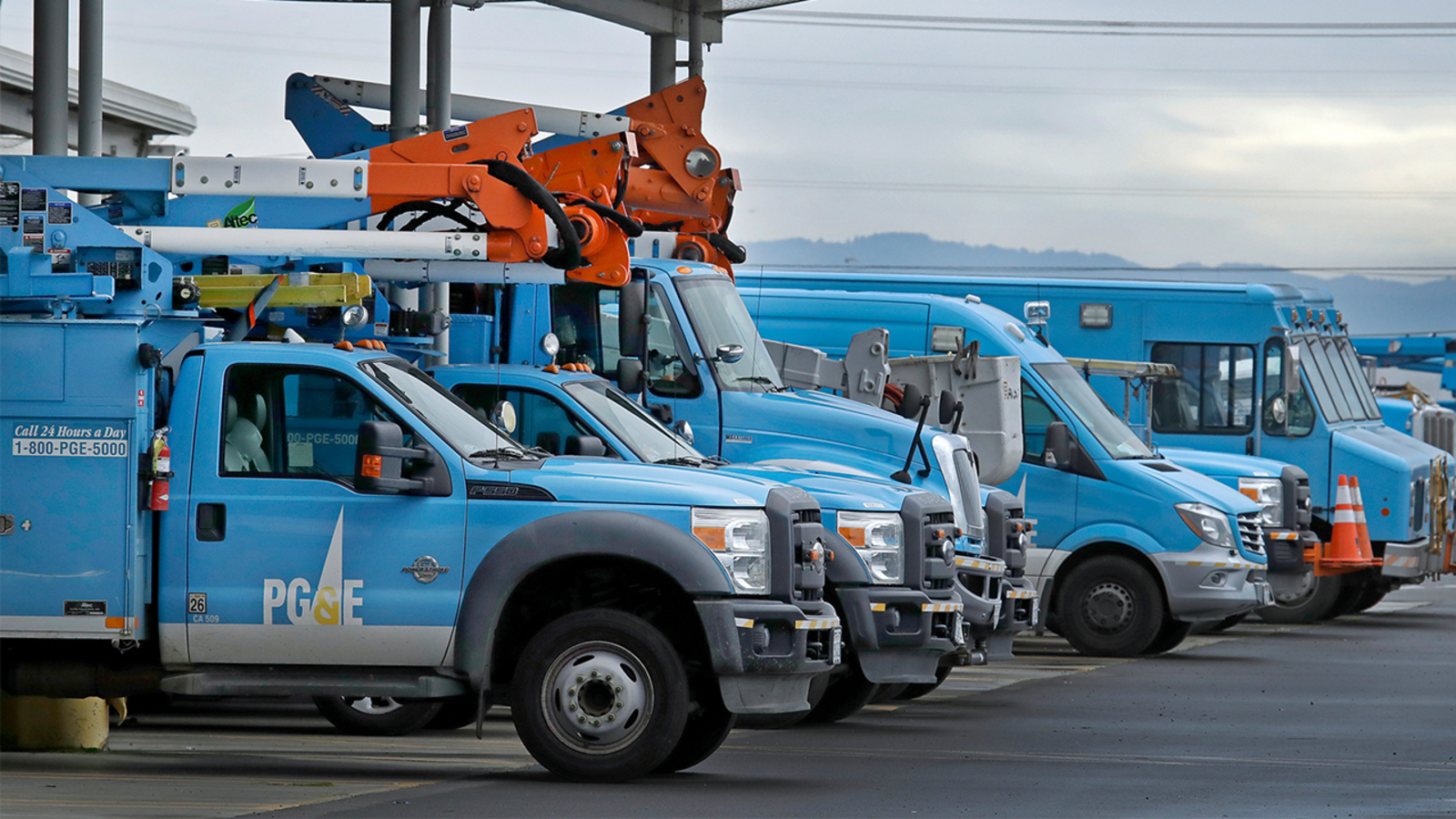
Pacific Gas and Electric Company announced that starting January 1, residential electricity rates will decrease by about 5%, saving the average customer around $7 per month, with natural gas rates dropping by 3%. The rate cuts are part of PG&E's efforts to stabilize energy costs amid rising national prices, and residents in the Central Valley may see even larger savings.
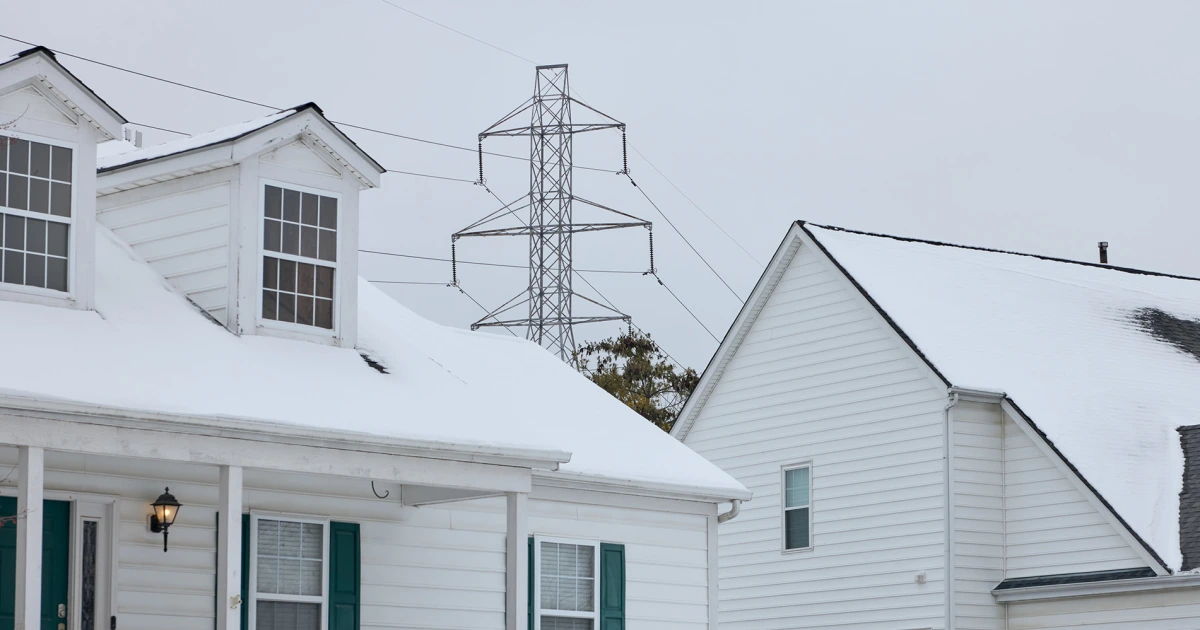
This winter, U.S. households are expected to spend an average of $995 on home heating, an increase of $84 from last year, driven by colder weather, rising electricity costs, and increased demand from AI data centers, with electric heating costs potentially reaching $1,233 and natural gas heating around $704.
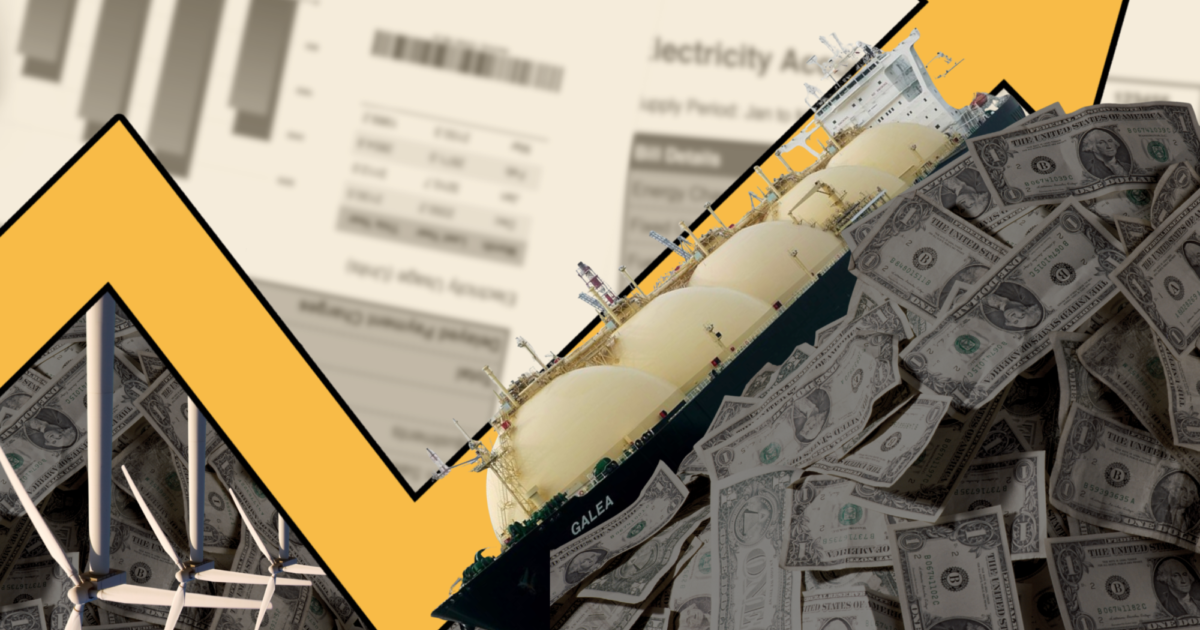
A new report indicates that US energy bills have increased by 13% since Trump took office, driven by policy changes that favor fossil fuels over renewable energy, leading to higher costs, canceled projects, and job losses in the clean energy sector.
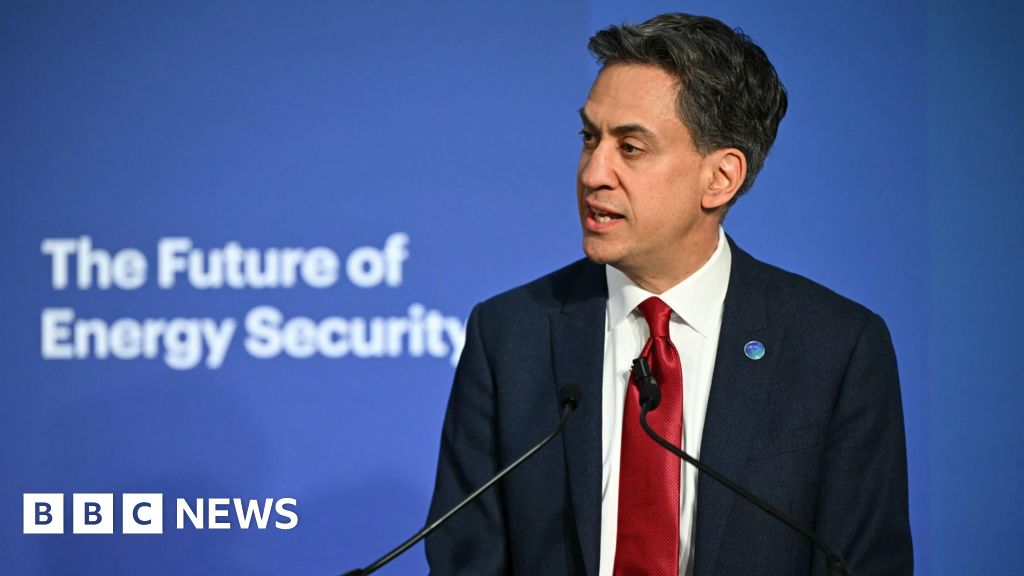
Ed Miliband's pledge to cut energy bills by £300 by 2030 is under scrutiny as expert analysis suggests rising electricity costs and offshore wind expenses could undermine the savings, with debates ongoing about the best approach to achieve affordable and sustainable energy in the UK.
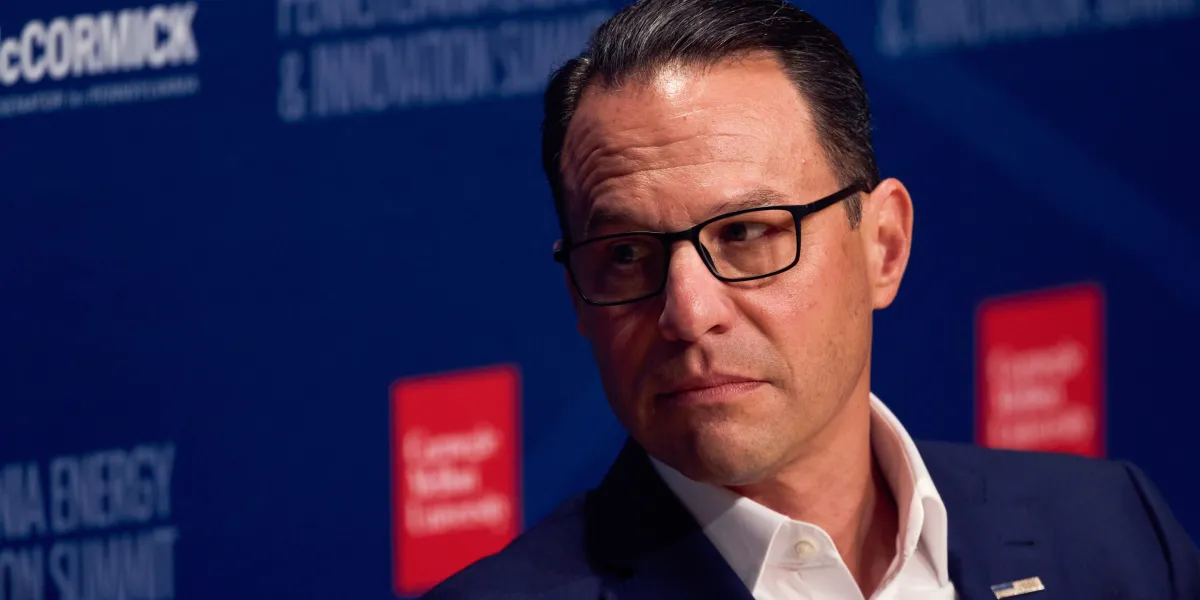
Pennsylvania Governor Josh Shapiro threatened to leave the PJM power grid if it doesn't reform to address surging energy costs, citing the need for increased transparency, state involvement, and faster energy production, amid rising demand from data centers and infrastructure challenges.
Pennsylvania's Governor Josh Shapiro threatened to leave the PJM power grid if it doesn't reform to better address surging energy costs, citing issues like rising demand from data centers and infrastructure challenges. The summit highlighted frustrations with the current system, with calls for increased state influence and potential alternatives like forming a separate grid or renegotiating participation in power auctions. The debate underscores the urgent need for grid modernization amid rising energy demands and costs.
Electric bills in New York are at a decade-high and expected to rise further due to grid upgrades, gas exports, and conflicts over renewable energy, highlighting ongoing challenges in meeting climate targets and the impact on residents' costs.
The proposed GOP budget bill would significantly increase household energy costs in Minnesota by 28%, reduce clean energy jobs, and slow the development of renewable energy sources, while favoring fossil fuel industries, leading to concerns about higher prices, job losses, and energy reliability.
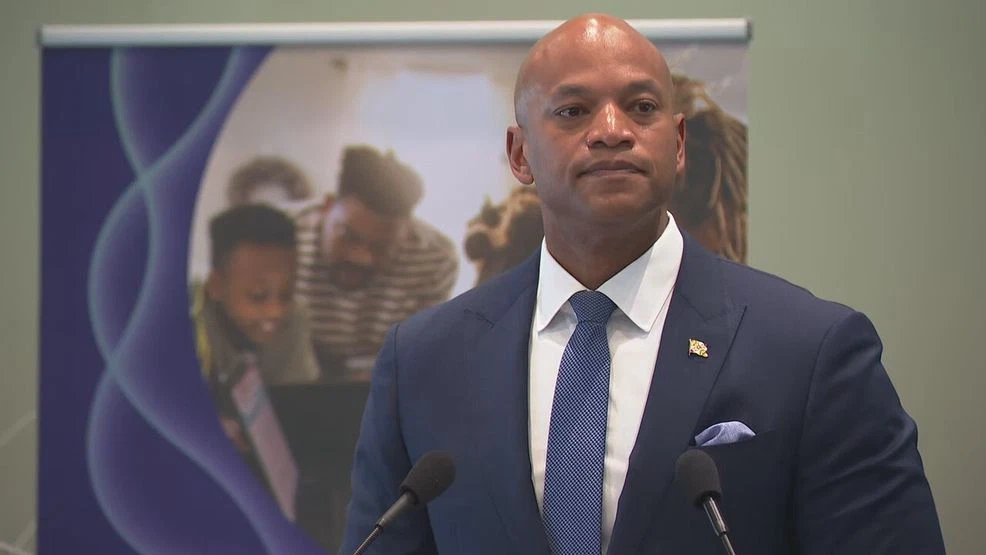
Maryland Governor Wes Moore announced a $19 million relief fund for BGE customers facing rising energy costs, with $15 million allocated specifically for residential customers, offering one-time grants from $250 to $750, to be administered by United Way of Central Maryland, with applications opening on July 1.
Pacific Gas and Electric Company (PG&E) reported a nearly 25% increase in profits to $2.2 billion for 2023, following substantial rate hikes at the beginning of the year. This announcement has sparked outrage among customers who already paid some of the highest energy bills in the country. The Utility Reform Network (TURN) expressed dissatisfaction, calling for concrete action to prevent further bill increases, while PG&E stated that their investments aim to maintain a safe and reliable energy system for customers.
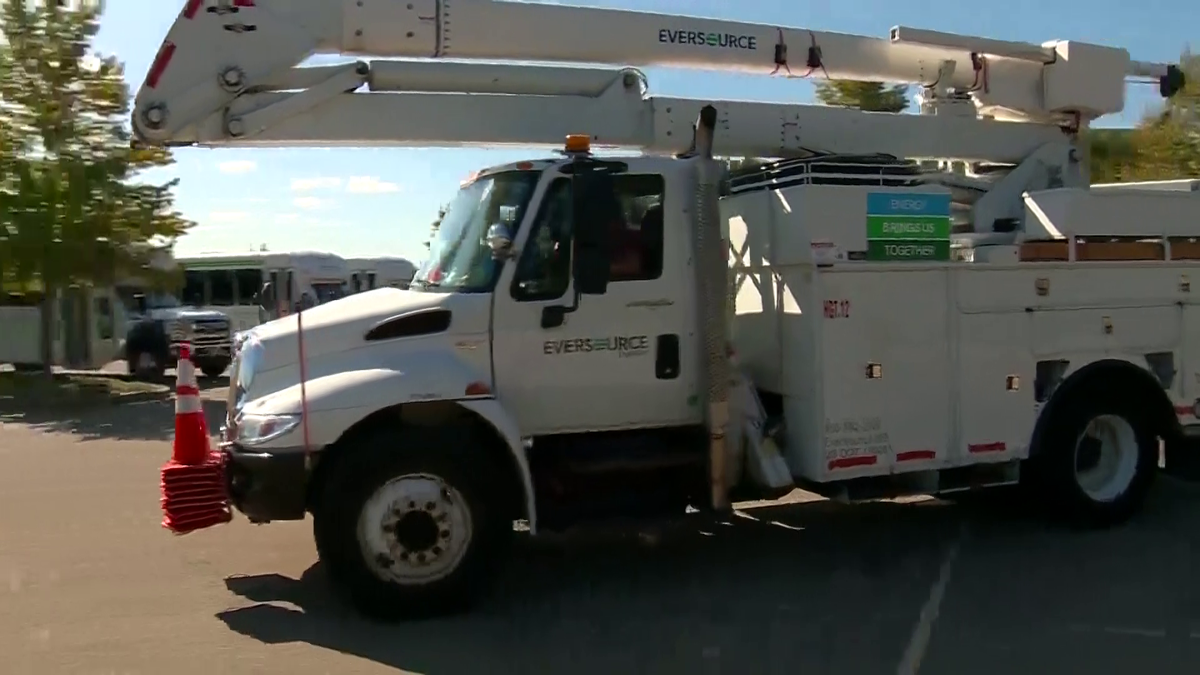
Eversource, Connecticut's largest electrical utility, has filed for a rate increase that could raise the average household bill by $38 a month, attributing the spike to a 2019 state deal with Dominion Energy and initiatives adopted during the COVID pandemic. The company has proposed solutions to shield customers from "rate shock," including phasing in the potential rate increase over time and changing the ratemaking methodology to forecast costs and avoid future issues.
Millions of the poorest Americans are struggling to pay their air conditioning bills during heat waves, as federal aid reaches only a fraction of those in need. Climate change has led to soaring temperatures across the U.S., forcing vulnerable households to make difficult choices between cooling their homes or paying costly bills. The Low Income Home Energy Assistance Program (LIHEAP), which subsidizes energy costs for low-income Americans, falls short in reaching those in need, with less than 3% receiving assistance for their summer bills. Many states do not offer assistance for summer months, and the program has been slow to adapt to climate change. President Joe Biden has increased the LIHEAP budget, but more substantial government intervention is needed to address the growing energy insecurity crisis.
Eversource customers in Massachusetts will see lower energy bills as the utility's basic service rate drops from July 1 through the end of the year. Customers in Eastern Massachusetts can expect to save an average of $58 per month, while those in the western part of the state will save an average of $42 per month. The rate adjustment is due to falling energy supply prices across New England.
Plumbline Services president Bob Logan warns homeowners against turning off their HVAC system during work hours, opening windows at night, and not changing air filters, as these mistakes can increase energy bills. Instead, he recommends setting a comfortable temperature on a programmable thermostat, sealing up the home, and changing air filters every 30 days. Other tips include installing LED lights, closing blinds during the hottest part of the day, and only running the dishwasher and washing machine when they are full.
The UK Budget 2022 has introduced policies aimed at getting people into work and keeping them there, including changes to childcare and pensions. The Energy Price Guarantee will continue for another three months, limiting energy bills for a typical household to £2,500 a year, plus a £400 winter discount. Working parents with three and four-year-olds are eligible for 30 hours of free childcare per week, which will be extended to cover younger children in England when both parents are working. The tax-free limit for pension savings during a lifetime will be abolished in April, and the annual allowance will go up from £40,000 to £60,000. The inflation rate is expected to drop to 2.9% by the end of the year, and the fuel duty has been frozen again.