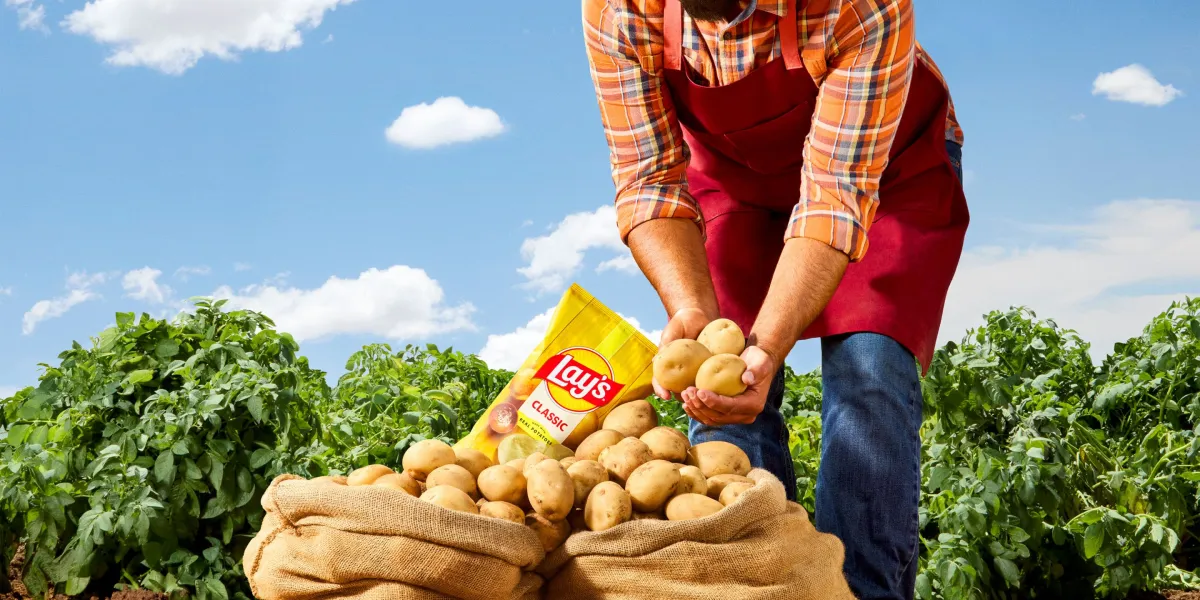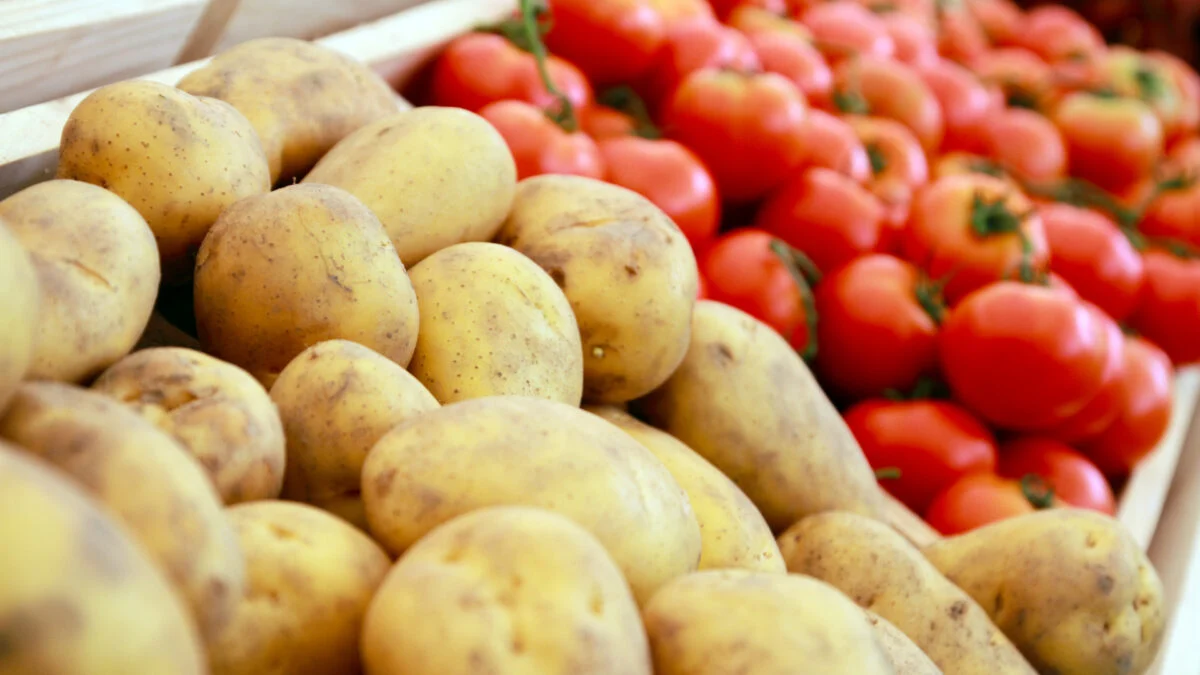
Lay's is rebranding to emphasize its natural potato origins by removing artificial dyes, updating packaging to resemble a potato crate, and highlighting the use of real potatoes, in response to consumer misconceptions and health trends, while facing declining sales.
A Harvard study links eating three servings of French fries weekly to a 20% increased risk of developing diabetes, while healthier potato preparations like baked or boiled potatoes do not pose this risk. Replacing potatoes with whole grains can reduce diabetes risk, emphasizing the importance of preparation methods and dietary choices for health.
A study finds that eating French fries increases the risk of type 2 diabetes, while other potato preparations do not, and replacing potatoes with whole grains can lower risk, highlighting the importance of preparation methods and food choices in diabetes prevention.
A new study suggests that while potatoes are generally healthy, French fries pose a higher risk of developing Type 2 diabetes due to their preparation involving frying and added salt. The study emphasizes that cooking methods significantly impact the healthfulness of potatoes, with baked, boiled, or mashed potatoes being healthier options. Potatoes are nutritious, providing fiber, vitamins, and minerals, but their health benefits can be diminished by unhealthy preparation and consumption habits. To enjoy potatoes healthily, it's recommended to cook them at home, leave the skin on, control portion sizes, and consider cooling cooked potatoes to increase resistant starch content.
A study indicates that eating three or more servings of French fries weekly may increase the risk of developing type 2 diabetes by 20%, highlighting the impact of food preparation methods on health and suggesting replacing fries with whole grains to reduce risk.
A Harvard study found that eating French fries is linked to a 20% increased risk of developing type 2 diabetes, unlike other potato preparations like baking or boiling. The study emphasizes that how food is prepared is as important as what is eaten, with deep-frying being particularly harmful. Replacing French fries with whole grains can reduce diabetes risk by 19%, highlighting the importance of cooking methods and food choices in health outcomes.
A long-term study found that eating French fries increases the risk of type 2 diabetes, while other potato preparations do not. Replacing potatoes with whole grains may reduce this risk, emphasizing the importance of food preparation and substitution choices in diabetes prevention.
A study published in BMJ found that consuming French fries three times a week increases the risk of Type 2 diabetes by 20%, likely due to the unhealthy fats absorbed during deep frying, whereas boiled, baked, or mashed potatoes do not show this association. The study emphasizes the importance of food preparation methods in health outcomes and suggests healthier cooking options to reduce diabetes risk.
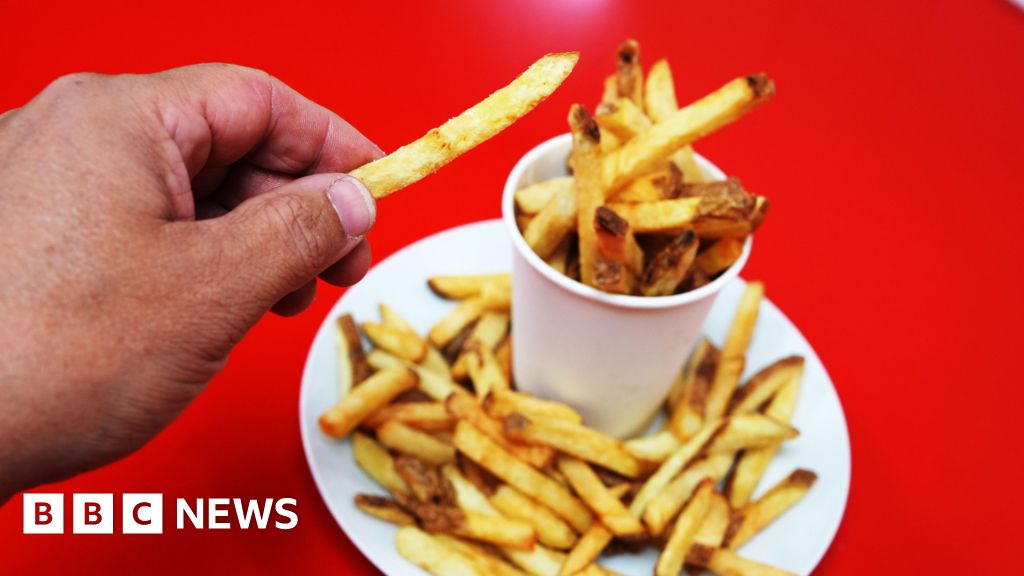
A study published in the British Medical Journal found that eating chips three times a week increases the risk of developing type 2 diabetes by 20%, with higher risks associated with more frequent consumption. The research emphasizes that how potatoes are prepared impacts their health effects, with frying significantly increasing health risks compared to baking, boiling, or mashing. Replacing chips with whole grains or healthier potato preparations can reduce the risk, while substituting potatoes with white rice may increase it. The findings are observational and do not establish causation.
A recent study reveals that modern potatoes evolved from a hybridization event between wild tomatoes and potato-like plants in South America around nine million years ago, highlighting the significant role of ancient hybridization in evolution and opening new avenues for potato breeding.
Scientists have discovered that modern potatoes evolved from an ancient tomato ancestor around 9 million years ago, with key genetic contributions from both species enabling the development of tubers in potatoes.
Research reveals that potatoes originated from a hybridization event between wild tomato plants and potato-like species around 8-9 million years ago, which led to the development of tubers and contributed to the diversity of potato species today.
A recent study reveals that modern potatoes are descended from tomatoes, with genetic analysis showing potatoes likely emerged about 9 million years ago as a hybrid of tomatoes and a potato-like species, etuberosum, challenging previous beliefs about their origins.
A Michigan woman, Bonita Gibson, celebrated her 114th birthday, attributing her long life to eating potatoes, staying positive, and healthy habits, having survived multiple historical events and COVID-19, and living a life filled with family, travel, and joy.
Nutrition experts debunk the bad reputation of certain foods, including eggs, potatoes, frozen vegetables, and coffee. Eggs are high in protein and vitamins, and recent science has shown that their dietary cholesterol content does not significantly impact blood cholesterol. Potatoes are nutritious when prepared healthily, with the skin left on and not fried. Frozen vegetables can be more nutritious than fresh ones and help reduce food waste. Coffee, when consumed without excessive sugar and creamer, has been linked to reduced risks of heart failure, Type 2 diabetes, and cancer.