Texas A&M University is implementing new restrictions on discussing race, gender, and sexuality in courses, affecting around 200 classes, including cancellations and content revisions, amid political and social backlash.
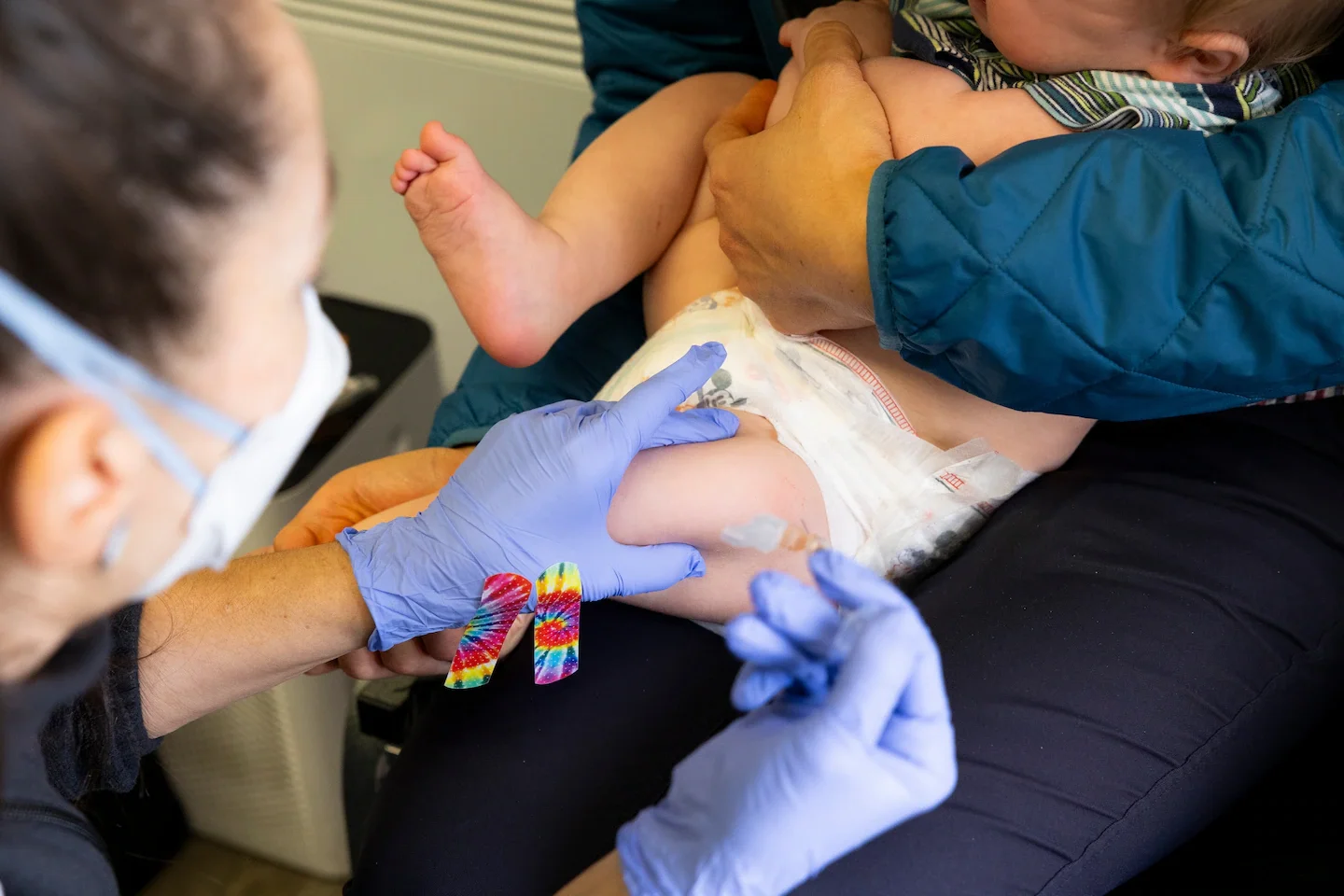
The Trump administration has reduced the recommended childhood vaccine schedule from 17 to 11 vaccines, aligning with international standards, which has sparked controversy and political debate over public health and vaccine trust.
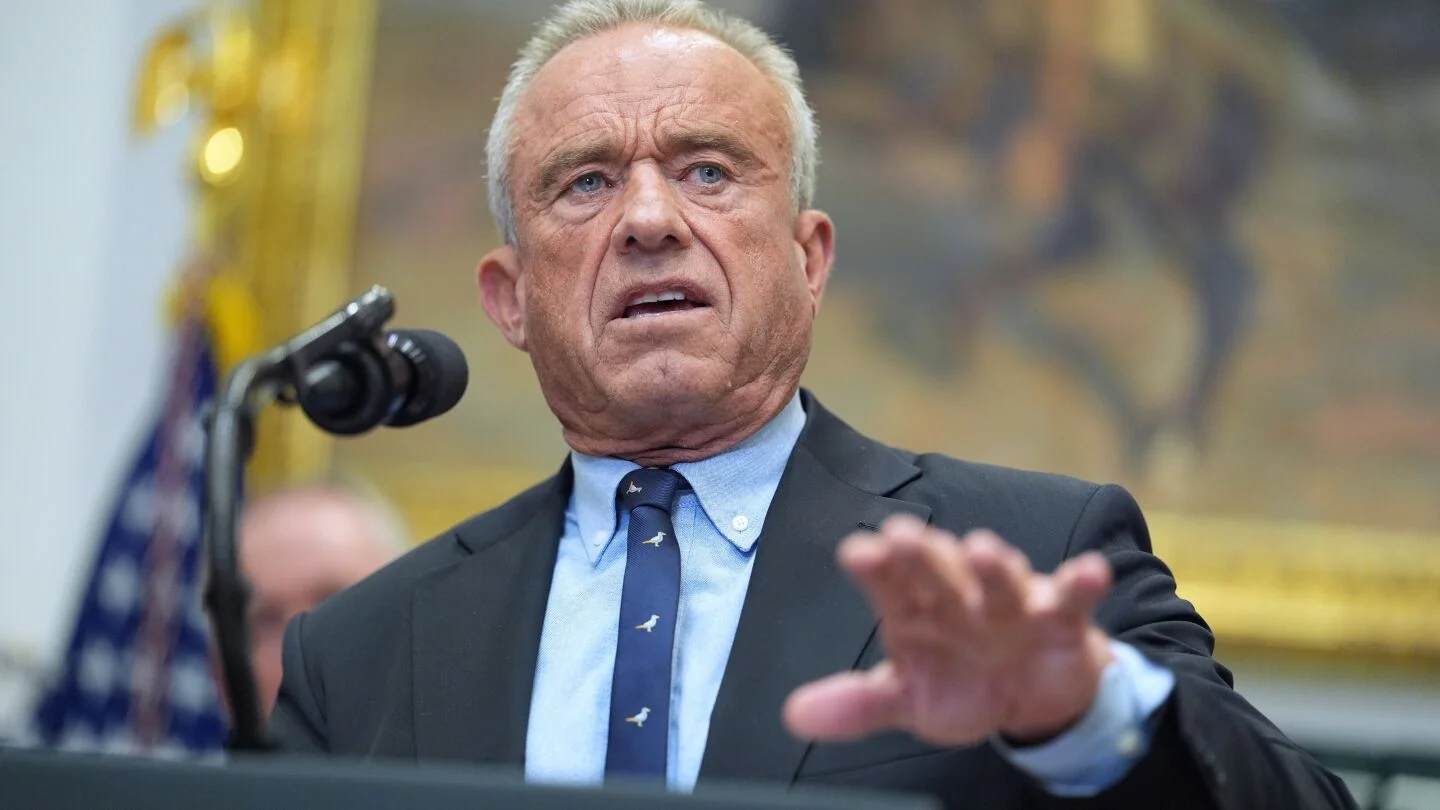
The CDC no longer broadly recommends certain childhood vaccines, including for influenza, rotavirus, and hepatitis A, under new guidance from the Trump administration and Health Secretary Robert F. Kennedy Jr., aiming to align with other countries but facing criticism from health experts for potentially reducing protection against common diseases.
The US has reduced its recommended childhood vaccines from 16 to 11, focusing only on the most essential vaccines, a move criticized by medical experts for potentially increasing preventable diseases and causing public confusion, while being driven by political motives and lacking transparent review.
The U.S. Department of Health and Human Services is reversing Biden-era rules that allowed states to pay child care providers in advance based on enrollment, instead restoring attendance-based billing and parental voucher flexibility to prevent fraud and ensure funds are used appropriately for supporting working families.
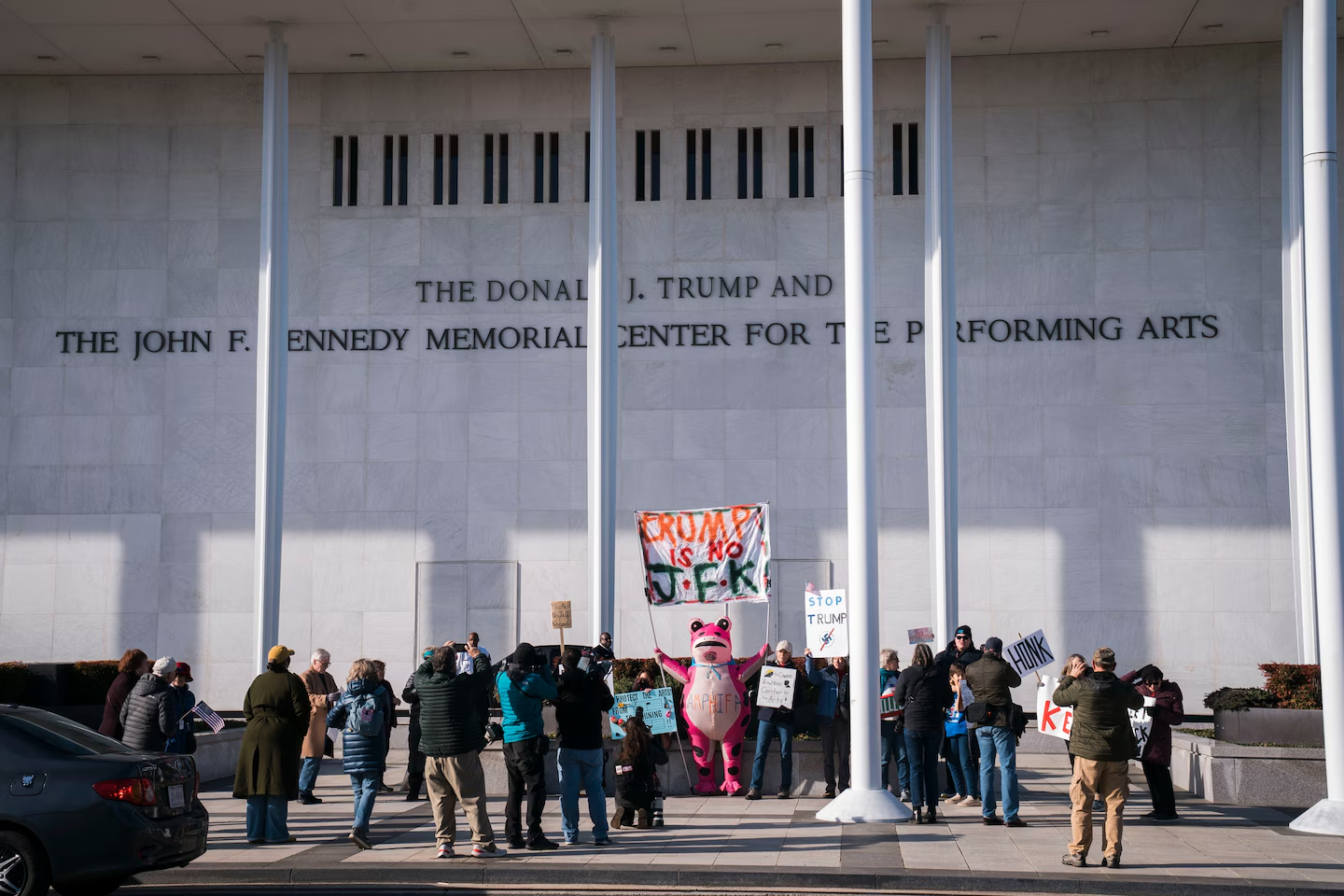
The Kennedy Center amended its board rules months before a vote to add Trump's name, now allowing only trustees appointed by the president to vote, excluding other members including Democrats, citing 'longstanding precedent.'
A recent study shows that the success rate for discharging student loans in bankruptcy has increased dramatically to 87%, largely due to updated guidelines introduced in 2022 that make it easier for borrowers to seek relief, offering a potential lifeline for millions struggling with education debt.
Wage garnishment for defaulted student loans is set to resume early next year, signaling a return to debt collection efforts for borrowers who have defaulted on their loans.
The CDC has officially stopped recommending universal hepatitis B vaccination for all newborns, instead advising only those born to infected mothers to receive the vaccine within 24 hours, citing informed consent concerns. This decision has faced criticism from health experts who warn it could lead to increased hepatitis B cases, reversing decades of progress in disease prevention. The change reflects broader shifts in CDC guidance under new leadership, raising concerns about scientific integrity and public health safety.
A group of former FDA leaders criticized the agency's new vaccine safety policies, arguing that they undermine scientific evidence and could harm public health, especially regarding COVID-19 and flu vaccines, amid ongoing political influences on vaccine policy.
Thailand has temporarily lifted its longstanding afternoon alcohol ban for a six-month trial to boost tourism, allowing alcohol sales from 14:00 to 17:00, just ahead of peak holiday seasons, as part of efforts to revitalize the economy and attract more visitors.
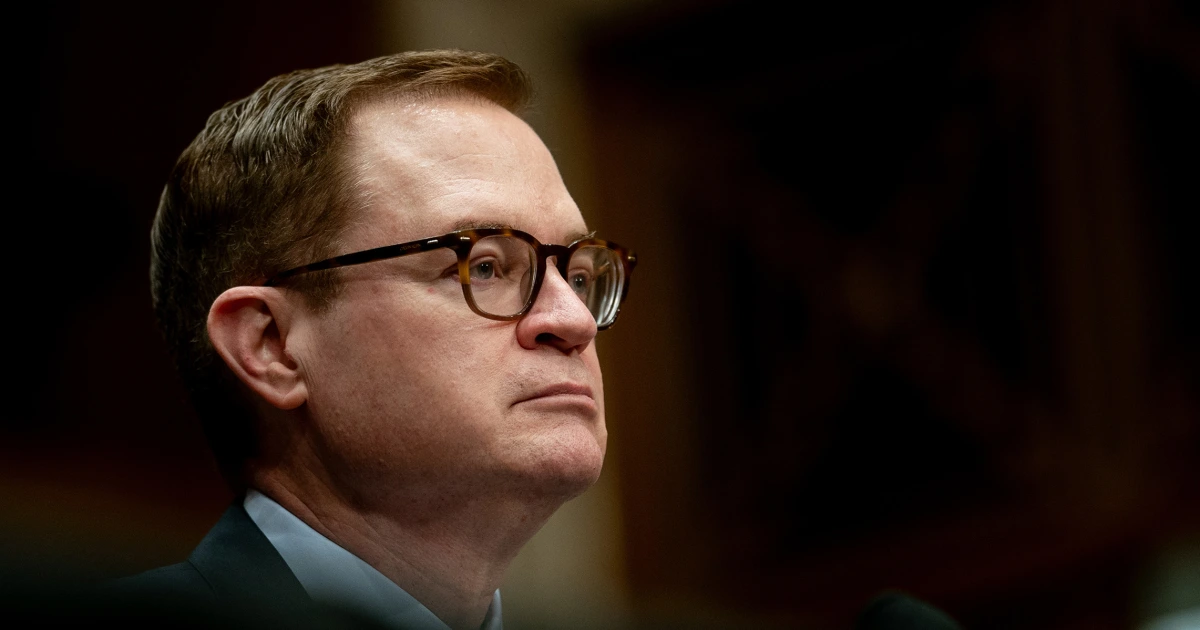
An FDA official announced plans to revise the vaccine approval process, citing an internal analysis linking 10 child deaths to COVID-19 vaccines and questioning the lethality of the virus for children, leading to potential stricter safety requirements and longer trial periods.
The Department of Homeland Security has announced the termination of South Sudan's Temporary Protected Status, effective January 5, 2026, citing that conditions no longer meet statutory requirements, and advising South Sudanese nationals on departure procedures.
Nearly two dozen attorneys general sued the Education Department over a new rule that limits eligibility for the Public Service Loan Forgiveness Program by deeming certain activities 'substantially illegal,' arguing it violates the law and politicizes student loan forgiveness, while the Department defends it as a measure against organizations involved in illegal activities.
The Trump administration has limited the number of refugees admitted to the US in 2026 to 7,500, primarily white South Africans, marking a significant decrease from previous years and citing humanitarian or national interest reasons. This move continues the decline of a longstanding refugee program, which has faced suspension and restrictions since Trump took office.