Ontario Premier Doug Ford has announced plans to banish Crown Royal whisky from the province, citing a dispute with Diageo over the company's plans to move production to the US and the loss of local jobs. Ford has urged residents to stock up before the ban takes effect and has threatened to target other Diageo brands, emphasizing his stance on economic nationalism and protecting Ontario's interests.
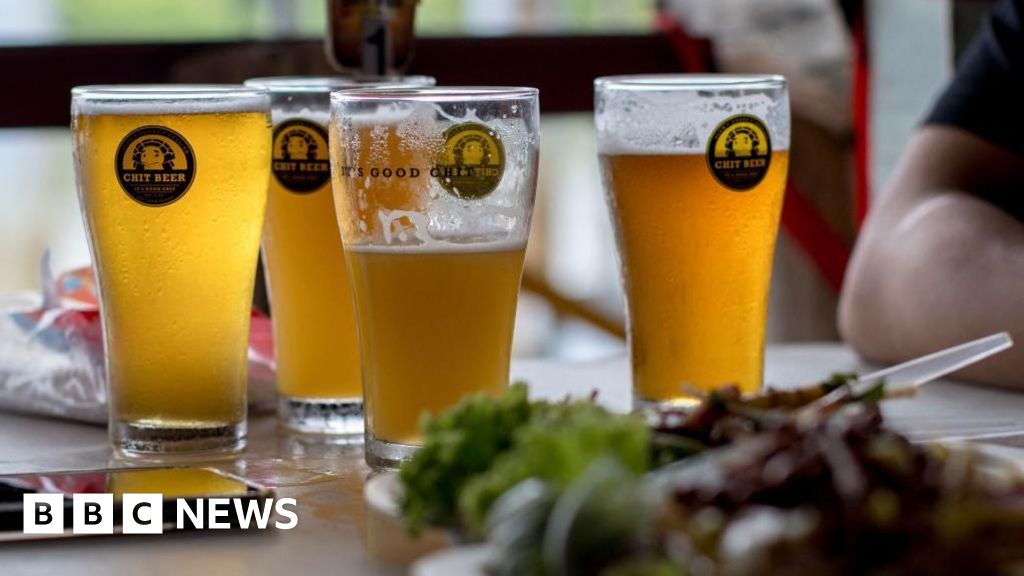
Thailand has temporarily lifted its longstanding afternoon alcohol ban for a six-month trial to boost tourism, allowing alcohol sales from 14:00 to 17:00, just ahead of peak holiday seasons, as part of efforts to revitalize the economy and attract more visitors.
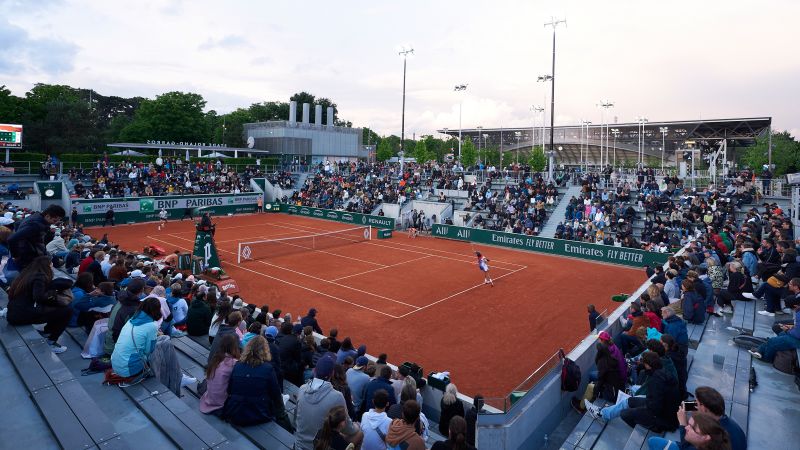
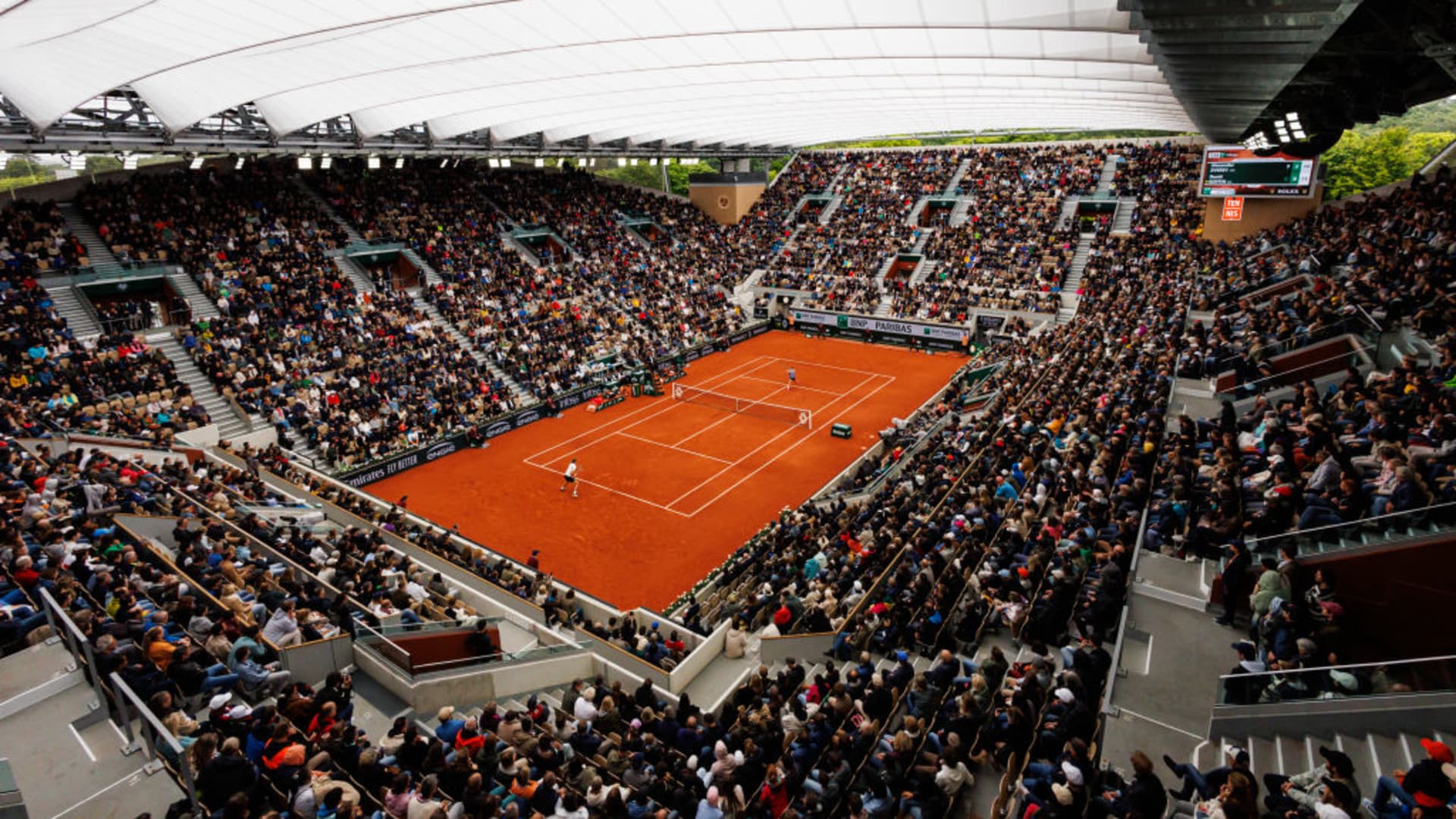
The French Open has banned alcohol in the stands following reports of disruptive behavior from fans, including incidents where players were spat at and shouted at during matches. Tournament director Amélie Mauresmo emphasized the need for stricter measures to ensure proper conduct and maintain the integrity of the event.
The French Open has banned alcohol sales in the stands following rowdy fan behavior, including incidents of spitting gum and disruptive noise during matches. Tournament director Amelie Mauresmo emphasized the need to respect players and the game, and stated that umpires will enforce stricter rules. The U.S. Open has no plans to implement a similar ban.
The French Open has banned alcohol from the stands to improve fan behavior after incidents of disrespect, including a spectator allegedly spitting gum at David Goffin. Tournament director Amelie Mauresmo announced stricter security and umpire enforcement to ensure respect for players and the game.
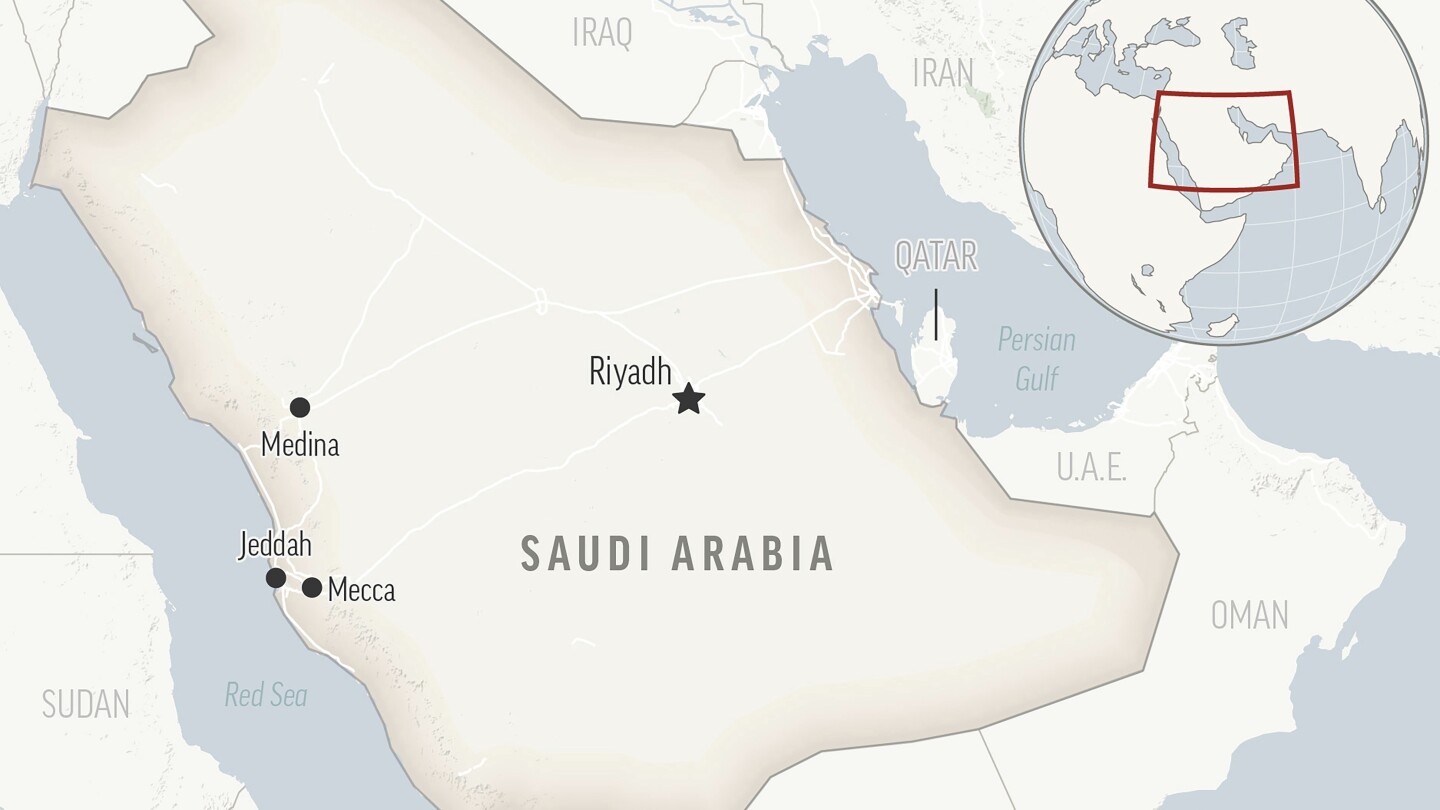
Saudi Arabia has opened its first liquor store in over 70 years, located in Riyadh's Diplomatic Quarter and restricted to non-Muslim diplomats, as part of the kingdom's efforts to liberalize socially and economically. The store stocks liquor, wine, and two types of beer, with purchases made through a mobile app on an allotment system. This move comes amid Crown Prince Mohammed bin Salman's plans to diversify the economy and attract tourism, but challenges persist due to international reputation and conservative Islamic mores. The kingdom has banned alcohol since the 1950s, and while the recent opening signals social change, strict laws and sensitivities remain regarding alcohol consumption in the country.
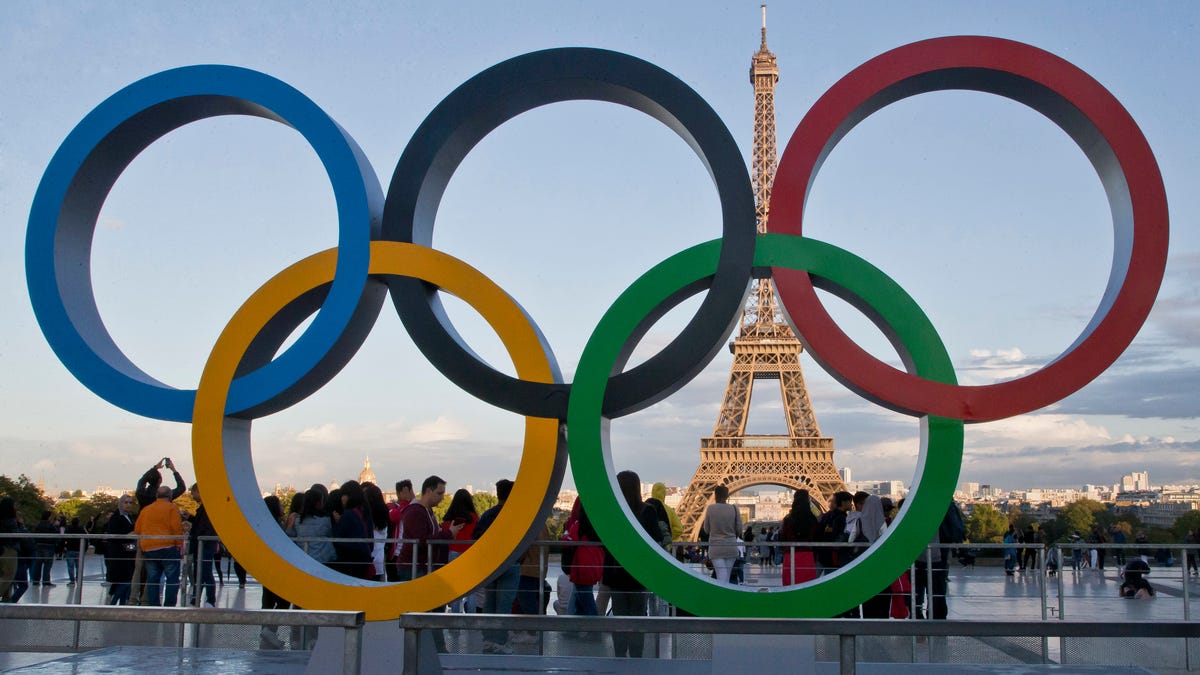
Alcohol sales will be banned to the general public during the Paris Olympics due to Evin's Law, which restricts public distribution and marketing of alcohol and tobacco in France. Only fans in VIP areas will have access to alcohol, thanks to a loophole that permits alcohol distribution in hospitality areas. The law restricts advertising on television, marketing toward young people, and sponsorships by alcohol brands among other regulations.
Fans attending the 2024 Paris Olympics will not be allowed to drink alcohol at competition venues due to the application of Evin's law, a 1991 statute pertaining to the sale and advertisement of alcohol. However, VIPs will be able to consume alcohol in catered hospitality areas. The ban on alcohol for regular fans is due to French law, and Paris 2024 did not seek an exemption from it.
Only VIPs will be allowed to drink alcohol during the Paris Olympics as organizers have decided not to seek an exemption to Evin's Law, which prohibits the sale of alcohol in stadiums to the general public in France. The law allows for an exemption for 10 events per organizer per year per municipality, but such an exemption would have required a change in the law for an event the size of the Games. Alcohol was also banned from stadiums at the COVID-delayed Summer Olympics in Tokyo, but events were eventually held without spectators due to the pandemic.
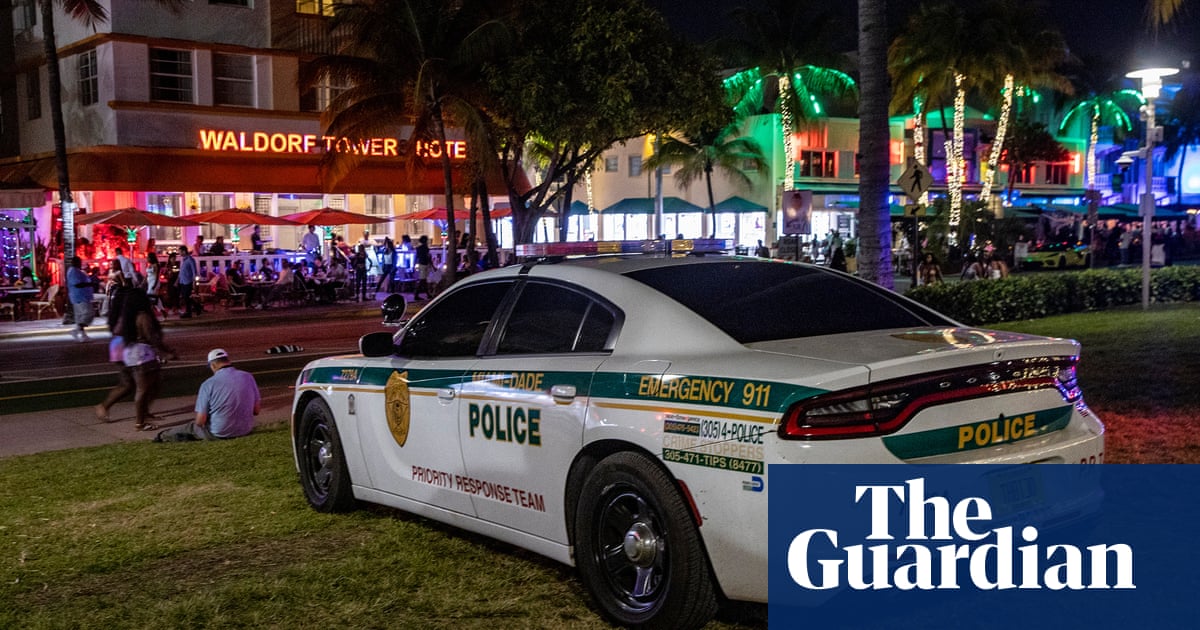
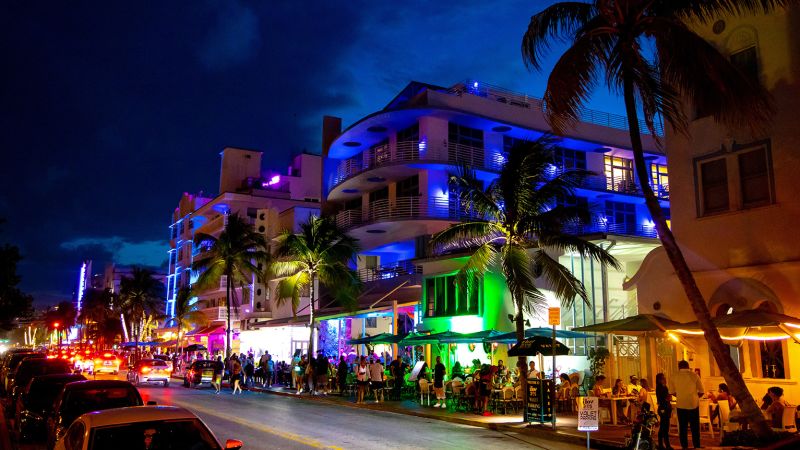
Miami Beach is considering changes to its approach to spring break after two weekends of violence left two people dead, hundreds arrested, and dozens of guns confiscated. The mayor of Miami Beach, Dan Gelber, said the mayhem was akin to a giant, unruly street party, with authorities struggling to control tens of thousands of unwanted guests and a business community blocking measures to try to control it. The city did approve a dusk-until-dawn ban on alcohol sales over the weekend, coinciding with Miami’s highly popular Ultra music festival. Gelber plans to meet with city, business, and community leaders, and police chiefs following this year’s spring break to strategize for future years.
A temporary halt has been granted to the ban on alcohol sales after 2 a.m. in parts of South Beach, allowing nightclubs to serve alcohol until 5 a.m. through the spring break season. The ban was initially approved by the Miami Beach City Commission to address complaints about nightclubs from city residents. Lawyers for Story nightclub filed a motion to withhold enforcement of the city ordinance until after March 27, citing substantial and irreparable harm to the business and hundreds of hospitality workers who depend on it for their livelihoods.