
Student Loan Wage Garnishment to Resume Early Next Year
Wage garnishment for defaulted student loans is set to resume early next year, signaling a return to debt collection efforts for borrowers who have defaulted on their loans.

All articles tagged with #debt collection
Wage garnishment for defaulted student loans is set to resume early next year, signaling a return to debt collection efforts for borrowers who have defaulted on their loans.
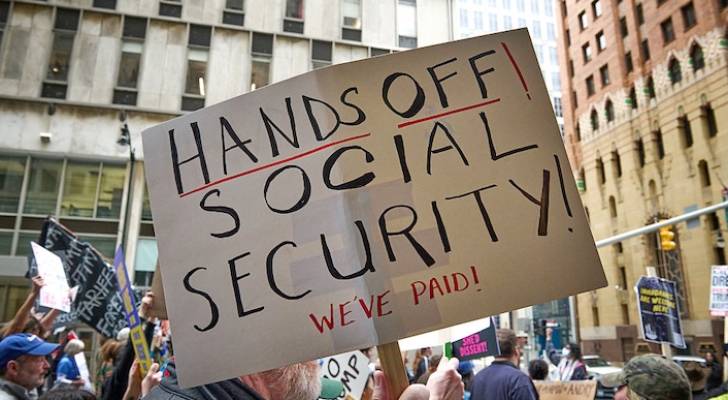
The Trump administration is resuming collection efforts on defaulted federal student loans, which could lead to a 15% deduction from Social Security benefits for retirees, affecting nearly 3 million seniors, including over 450,000 who have defaulted on loans while receiving benefits.

NPR is investigating 'zombie second mortgages,' which are old loans that homeowners believed were resolved but are now being pursued by debt collectors, sometimes in violation of state and federal laws. Homeowners affected by these practices are encouraged to share their experiences with NPR to help understand the issue's scope.
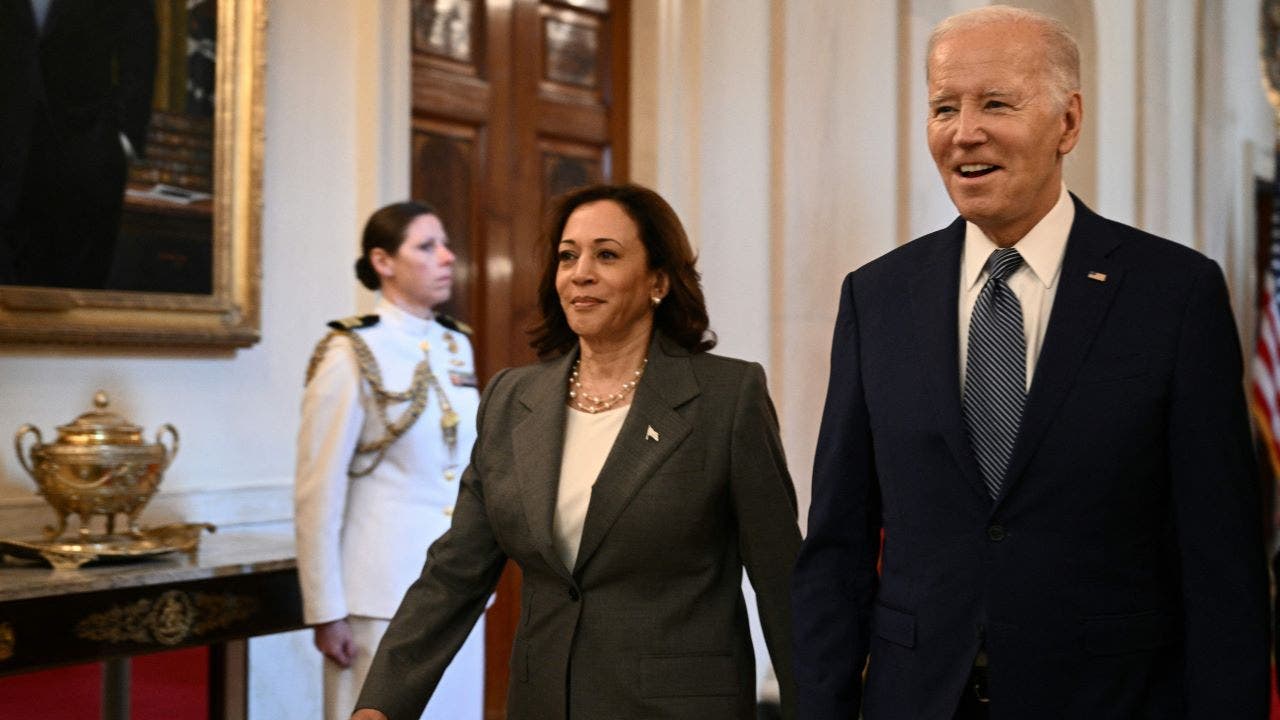
The Biden administration plans to remove medical bills from credit reports through a proposed rule change by the Consumer Financial Protection Bureau (CFPB). The rule would prohibit consumer reporting agencies from including medical debts and collection information on consumer reports used by creditors. It aims to prevent debt collectors from using the credit reporting system to pressure consumers into paying questionable debts. However, creditors could still access medical bill information for other purposes, such as verifying the need for medical forbearances or evaluating loan applications for medical services. The CFPB's analysis found that medical billing data on credit reports is less predictive of future repayment and often contains mistakes and inaccuracies. The proposed rule will undergo a public comment period before a final rule is proposed.

A report by the Consumer Financial Protection Bureau (CFPB) reveals that college tuition payment plans offered by many institutions can put student borrowers at risk. The report found inconsistent disclosures and confusing repayment terms in these plans, leading to missed payments, late fees, and accumulating debt. Some institutions also withhold transcripts as a debt collection tool, which is potentially illegal and can have severe consequences for students. The report highlights the need for colleges and universities to review their repayment plans and avoid high fees or coercive debt collection practices. Additionally, the report identifies other risks such as snowballing fees, forced arbitration provisions, and confusing disclosures. The CFPB will continue to monitor tuition payment plans and school-based lenders for potential violations of consumer financial law.

A mother in North Carolina was billed nearly $102,000 for her son's stay at a state-run mental health facility. Her son, who has autism, post-traumatic stress disorder, and ADHD, spent over 100 days at the facility in 2020. The family had agreed to a discounted rate, but received a bill significantly higher than expected. State attorneys general, responsible for protecting consumers from harmful debt collection practices, often find themselves in a contradictive position when collecting unpaid debts for state-run facilities. The case highlights the challenges of unaffordable healthcare, lack of billing transparency, and the financial burden faced by patients and their families. Efforts are being made to strengthen consumer protections and curb aggressive debt collection practices.
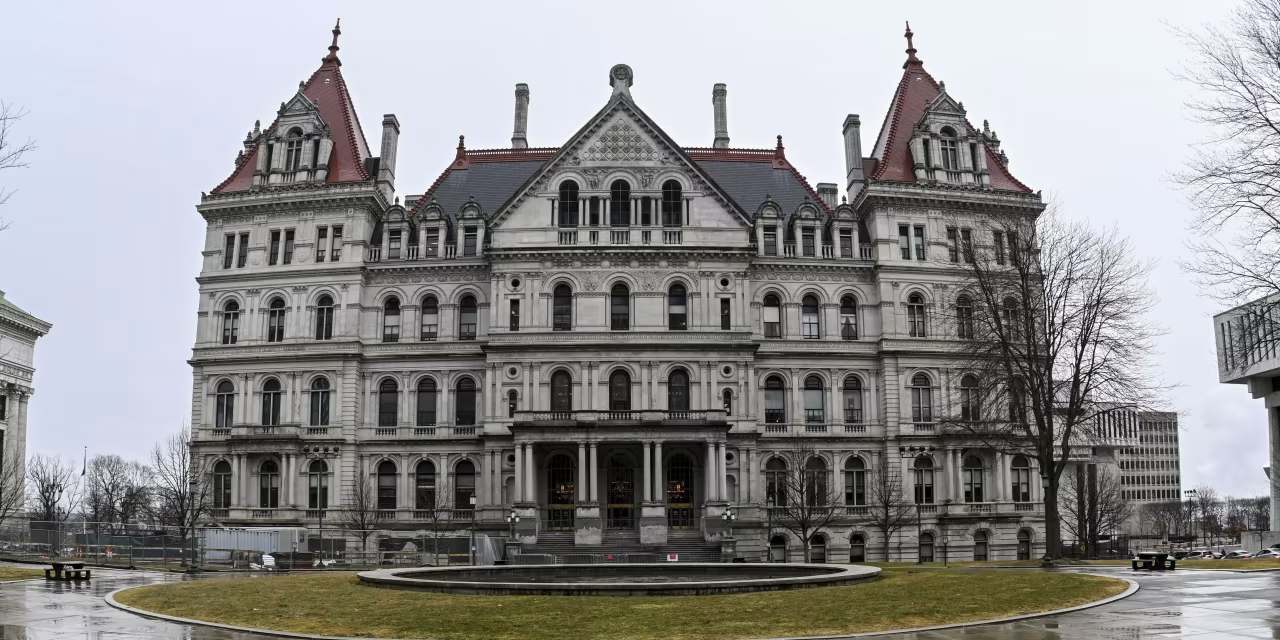
The recent ruling by a New York court in favor of Chinese creditors in a debt collection case highlights the importance of New York's legal system in global finance. The decision sets a precedent for future cases involving Chinese creditors seeking to collect debts from foreign entities, and reinforces New York's position as a hub for international debt collection. However, the ruling also raises concerns about the potential for abuse by Chinese creditors and the need for greater transparency in debt collection practices.

Debt collection agencies are already flooding courts with low-quality, small-dollar cases, and courts are unprepared for a future where anyone with a chatbot can become a high-volume filer, or where ordinary people might rely on chatbots for desperately-needed legal advice. The vast majority of civil cases in state and local courts have at least one party who does not have a lawyer, often because they have no other option, and court processes are designed for lawyers, making it difficult for self-represented litigants. This could lead to a future where robot lawyers flood the courts, resulting in garbage in, garnishments out.

A 4-year-old boy was billed for an emergency room visit and then sent to collections, despite being insured through his father's employer, HCA Healthcare. The family was referred to a burn center by the emergency room doctor, who promised that they would not be billed. However, months later, the family received a bill from Envision Physician Services, the provider staffing service that employed the ER doctor. The family was unable to dispute some of the charges because the bills were addressed to the child, not the parents. The hospital eventually canceled the family's debt after being contacted by the media. Patients should ensure their name is listed as the responsible party when seeking medical care for a minor and document every interaction with debt collectors.
The Consumer Financial Protection Bureau (CFPB) has taken action against Portfolio Recovery Associates, one of the largest debt collectors in the US, for violating a 2015 CFPB order and engaging in other violations of law. The CFPB filed a proposed order that would require Portfolio Recovery Associates to pay more than $12 million to consumers harmed by its illegal debt collection practices, in addition to a $12 million penalty that would be deposited into the CFPB’s victims relief fund. Portfolio Recovery Associates violated the 2015 order by collecting on unsubstantiated debt, collecting on debt without providing required documentation and disclosures to consumers, suing or threatening legal action against consumers without offering or possessing required documentation, and suing to collect on debt outside the statute of limitations.