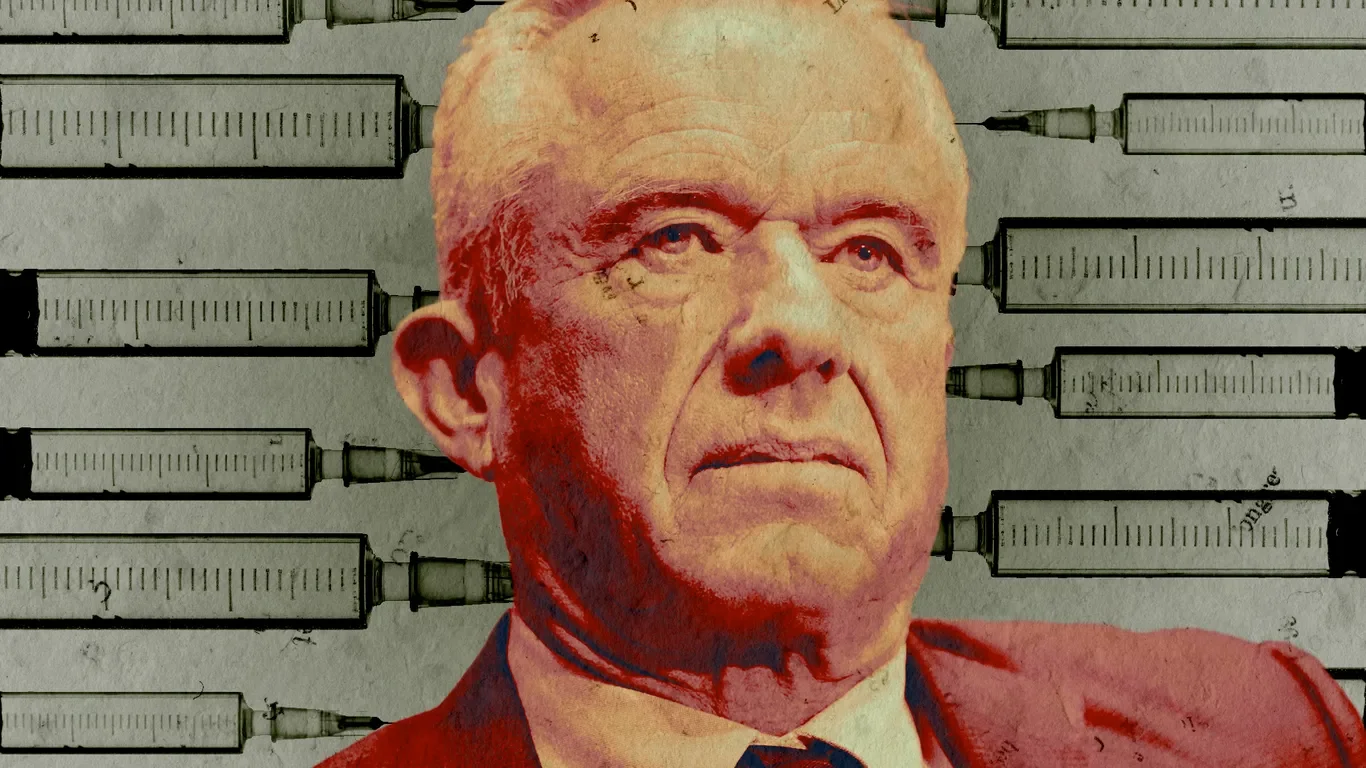
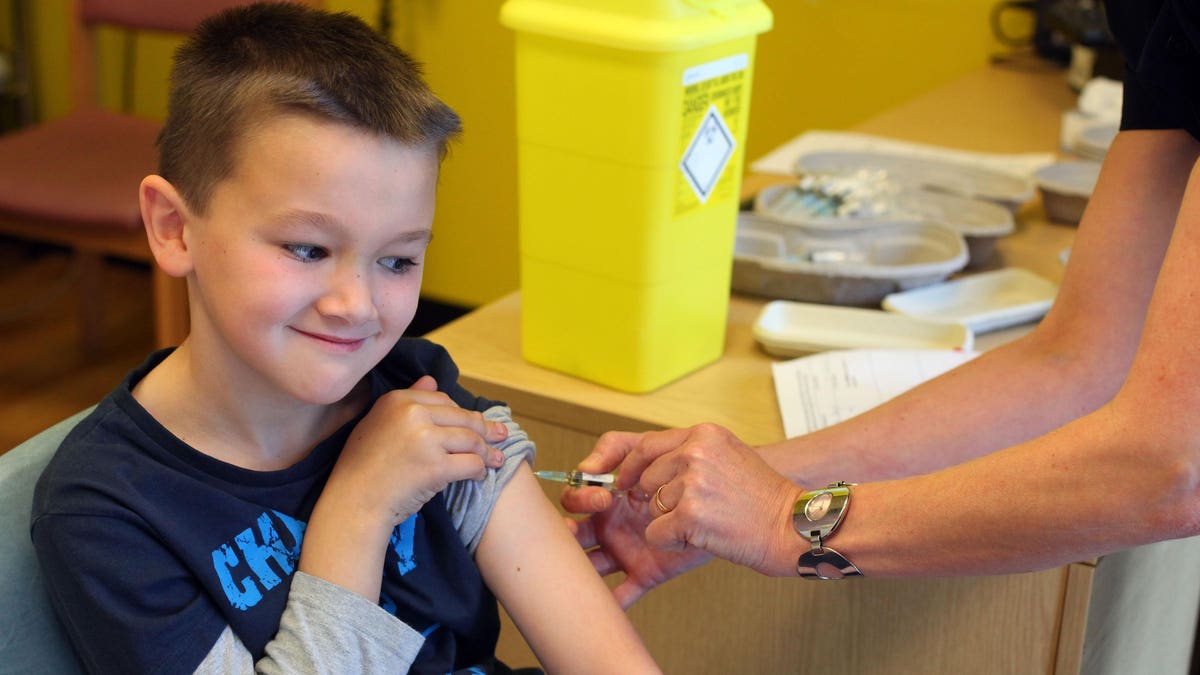
The Trump administration has reduced the recommended childhood vaccine schedule from 17 to 11 vaccines, aligning with international standards, which has sparked controversy and political debate over public health and vaccine trust.
The U.S. may adopt a new childhood vaccine schedule similar to Denmark's, which could reduce vaccine coverage and potentially expose manufacturers to legal liabilities, threatening access to certain vaccines and altering the current liability protections established in 1986.
The CDC is reviewing the childhood vaccine schedule under the influence of Robert F. Kennedy Jr., raising concerns among public health officials about potential impacts on vaccination rates and disease outbreaks, despite the schedule's proven safety and effectiveness.
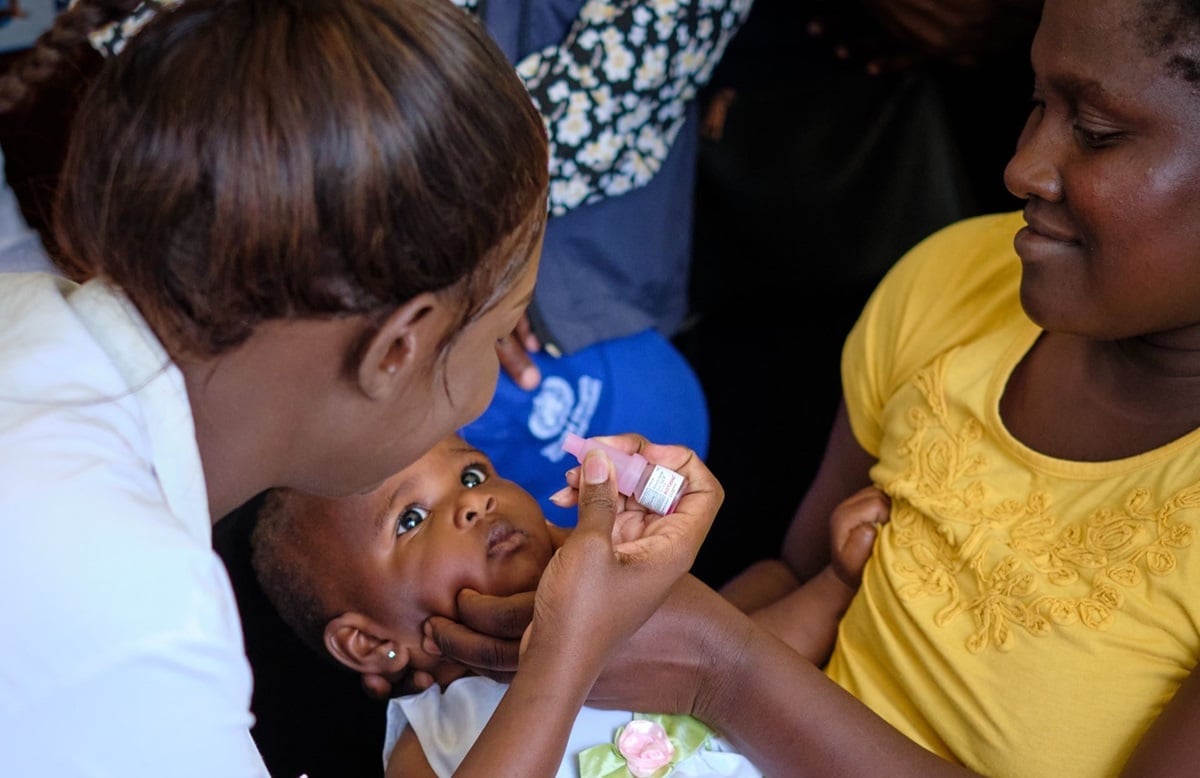
Global childhood immunization coverage stalled in 2023, leaving 2.7 million more children un- or under-vaccinated compared to 2019, according to WHO and UNICEF. Key vaccines like DTP and measles saw stagnation or decline in coverage, with over half of unvaccinated children in conflict-affected areas. Despite some progress in HPV vaccine coverage, significant gaps remain, highlighting the need for increased global efforts to close the immunization gap and strengthen healthcare systems.
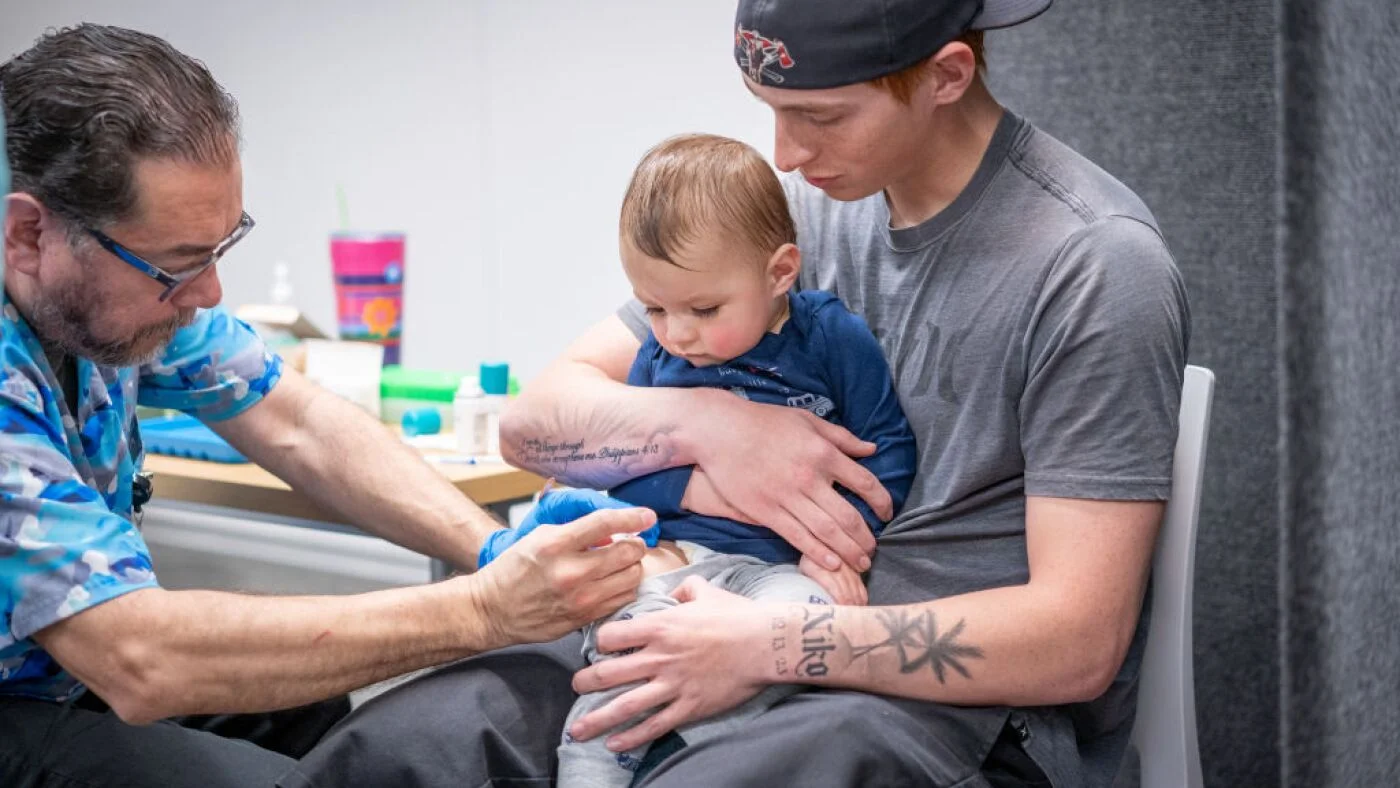
Pediatricians are increasingly concerned about parents delaying their children's measles-mumps-rubella (MMR) vaccinations, creating a vulnerable pool of toddlers at risk of contracting measles. The politicization and misinformation surrounding COVID-19 vaccines have seeped into discussions about routine childhood vaccinations, leading to a rise in parents seeking alternative schedules or delays for their children's vaccines. This trend poses a potential vulnerability gap in a child’s first four years and threatens the achievement of herd immunity. Despite the lack of scientific basis and known benefits, some parents are opting to delay vaccinations, influenced by exposure bias and misinformation on social media.
New York City has recorded its first measles cases of 2024, both travel-related and not due to local transmission, while child vaccination rates remain below pre-pandemic levels. Nationally, measles cases are on the rise this year. City health officials attribute the decline in vaccination rates to limited travel during the pandemic, vaccine misinformation, access issues, and barriers to prioritizing vaccinations. Efforts are being made to bring up vaccination rates, with 95.3% of students in K-12 public and charter schools up to date with all vaccine requirements. The city is working to ensure new arrivals are informed about vaccination options, and reminders to families to get young children vaccinated are being considered.
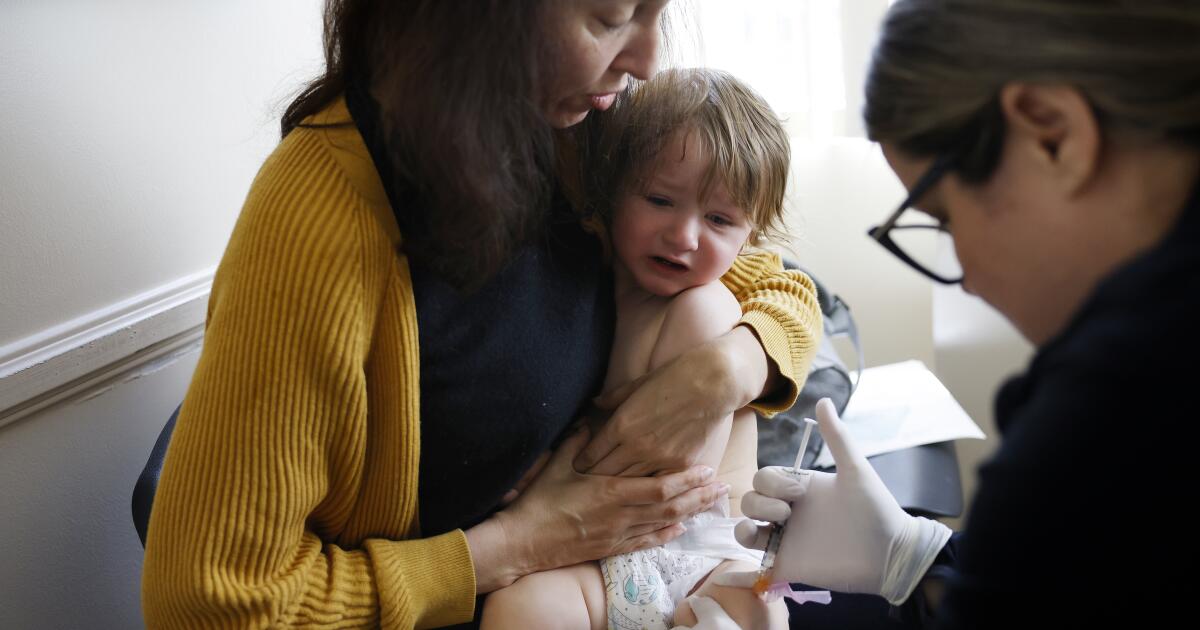
While school vaccination requirements vary by state, the four most common childhood vaccines (DTaP, MMR, polio, and varicella) are universally required for enrollment in kindergarten in all states except Iowa. Hepatitis B vaccines are required in all states except Alabama and South Dakota, while Hepatitis A vaccines are required in 23 states. Only a few states require the annual flu shot, and the HPV vaccine and MenACWY vaccine are required in certain grades in select states. The Covid-19 vaccine is not currently required for school attendance in any state. Vaccination helps protect not only the individual child but also the entire class by preventing the spread of diseases.
The Centers for Disease Control and Prevention (CDC) is cutting funding for state childhood vaccination data systems, which track vaccine doses administered and identify areas with low immunization rates. The budget cuts come at a time when immunization rates among children are slipping and facing opposition from anti-vaccine rhetoric. The size of the budget reductions is not yet clear, but state health departments are concerned about the impact on these vital data systems. The funding cut is linked to the debt ceiling deal, which affected federal immunization grants. Public health officials warn that reducing federal support for routine childhood vaccine administration is not advisable.