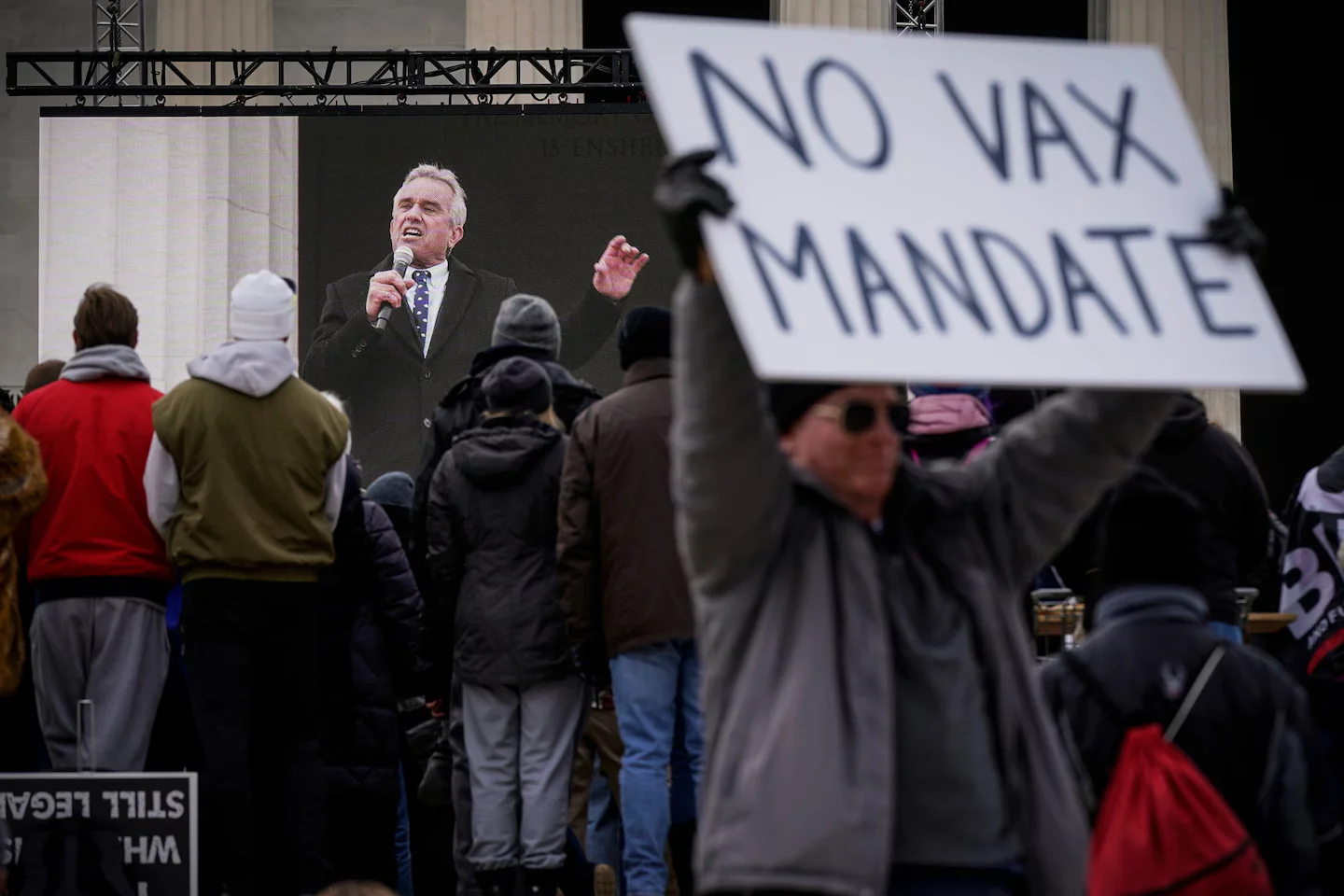
Recent changes to US vaccine guidelines, emphasizing shared decision-making and targeting only at-risk groups, have caused confusion and skepticism among parents and healthcare providers, potentially undermining vaccination rates and public health efforts.
The US Department of Health and Human Services has revised the childhood vaccine schedule, recommending fewer vaccines and emphasizing shared decision-making for some, sparking debate among health officials, medical organizations, and parents about the safety, effectiveness, and implications of these changes.
The CDC no longer broadly recommends certain childhood vaccines, including for influenza, rotavirus, and hepatitis A, under new guidance from the Trump administration and Health Secretary Robert F. Kennedy Jr., aiming to align with other countries but facing criticism from health experts for potentially reducing protection against common diseases.
Federal health officials, under President Trump's directive, have significantly reduced the recommended childhood vaccination schedule from 17 to 11 vaccines, aligning more closely with international standards, amidst controversy and concerns from medical experts about potential public health risks and increased confusion.
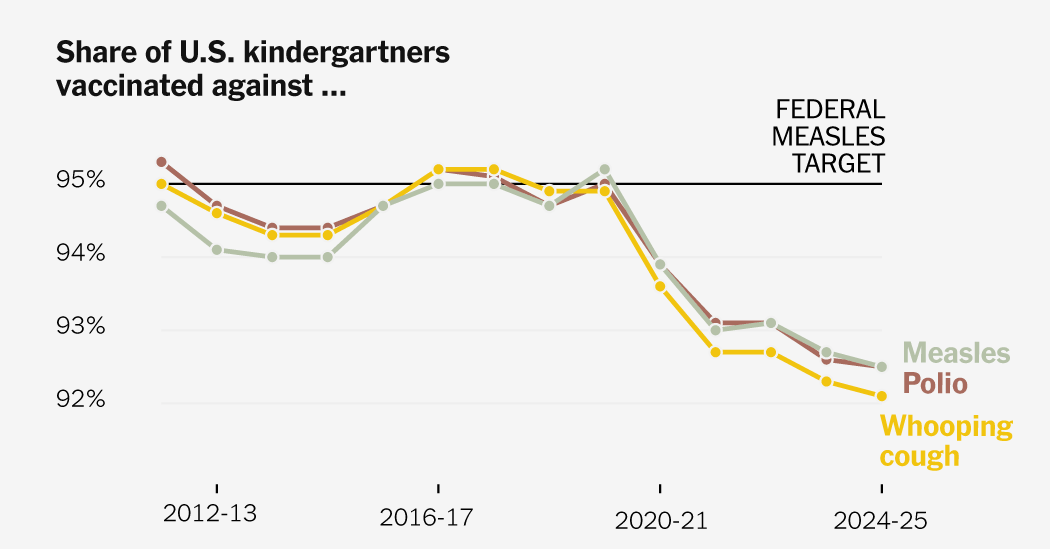
U.S. childhood vaccination rates have declined again during the 2024-25 school year, leading to increased outbreaks of preventable diseases like measles and pertussis, amid rising vaccine exemptions and skepticism, which pose a public health risk.
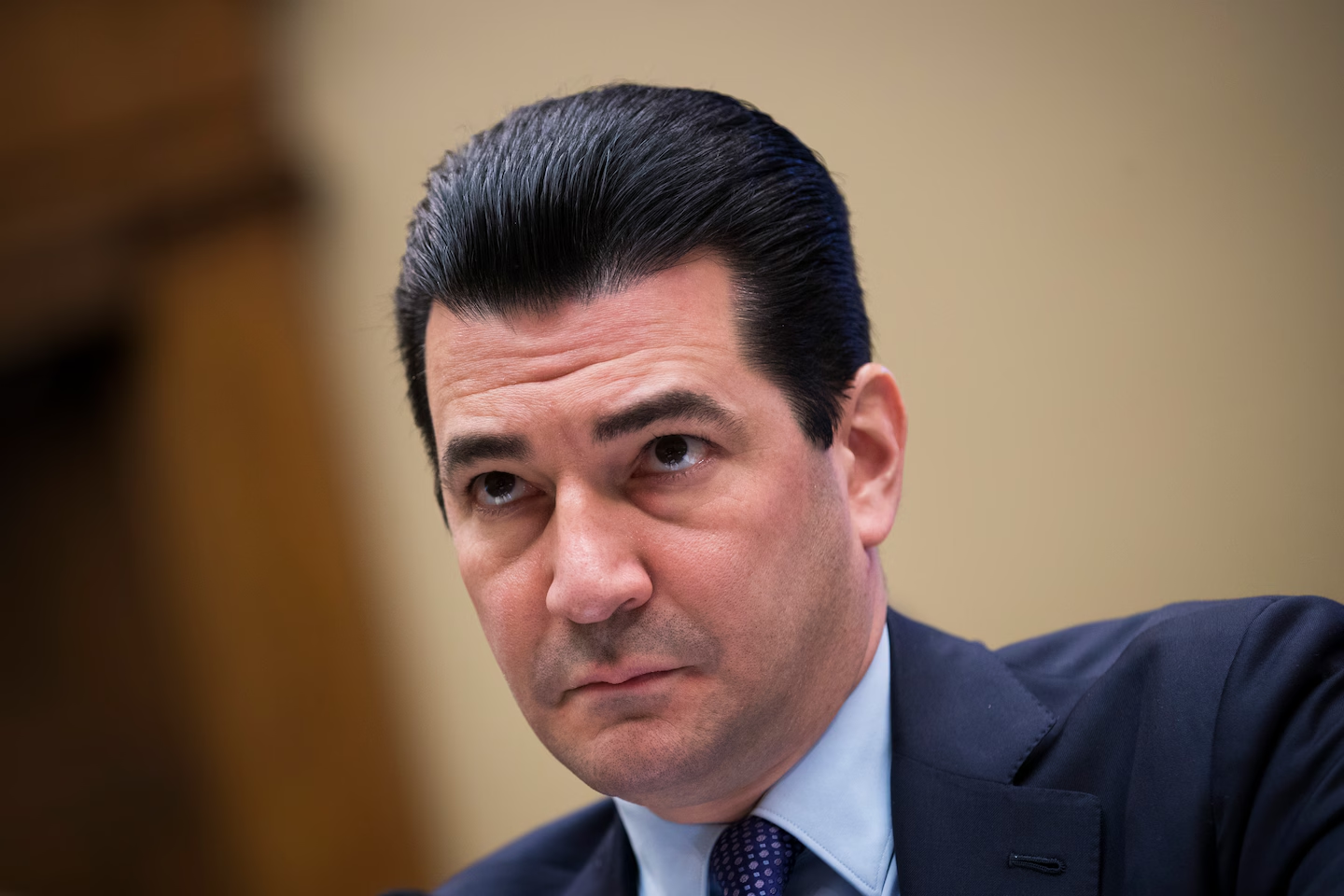
Former FDA commissioner Scott Gottlieb has expressed concern that Robert F. Kennedy Jr.'s potential confirmation as secretary of Health and Human Services could lead to decreased vaccination rates and subsequent measles outbreaks. Kennedy's criticism of federal childhood immunization recommendations is cited as a factor that could exacerbate the recent decline in vaccination rates, potentially endangering children's lives.
Tennessee's recent law requiring direct consent from birth parents or legal guardians for routine childhood vaccinations has created obstacles to vaccination and fueled doubt about vaccine safety. This legislation, along with others nationwide, has sparked a debate between parental freedom and community and children's health. The revived parental rights movement may threaten routine immunizations for school attendance, and the declining childhood vaccine rates are a cause for concern. The anti-vaccine movement's influence on lawmakers has led to legislation that silences experts and creates challenges for healthcare providers in vaccinating minors. This debate highlights the tension between parental rights and public health, as unvaccinated individuals pose risks to others, including vulnerable populations.
Michigan is at risk of a measles outbreak due to low vaccination rates, with only 66% of toddlers vaccinated. Three recent cases have prompted a scramble to track down potential exposures, and rising school-age vaccination waivers are a concern. The pandemic has led to missed vaccinations and increased hesitancy, making it challenging for public health leaders to promote vaccines. Achieving herd immunity is crucial, and revaccination is recommended for those unsure of their vaccination history.
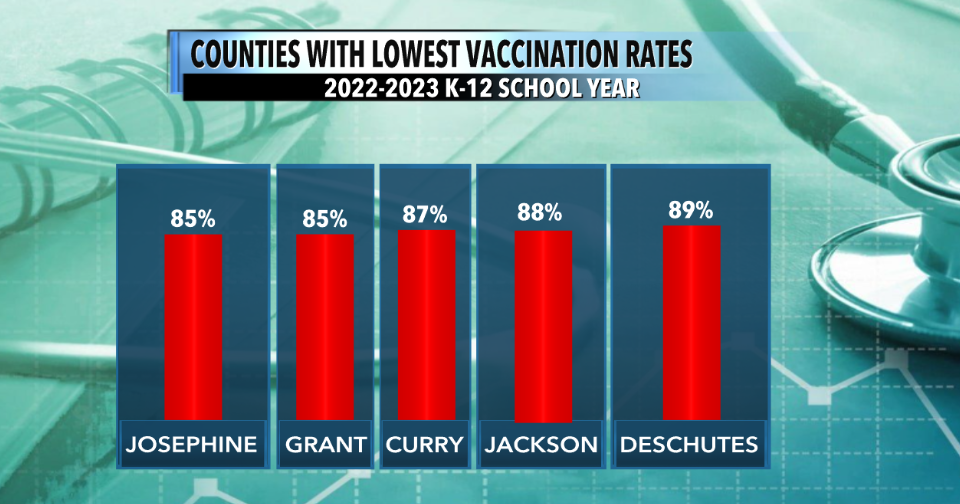
Oregon's School Exclusion Day is approaching, requiring students to be up to date on vaccinations or have exemptions to attend school. Southern Oregon has some of the lowest vaccination rates in the state due to the allowance of nonmedical exemptions. Local public health departments are sending notices to parents, urging them to take action before the February 21 deadline. While exclusion day is seen as a last defense, it aims to keep schools safe from vaccine-preventable diseases.
Lower vaccination rates for seasonal and routine childhood shots have been observed in the Northwoods region, posing a risk for preventable diseases. Vaccine hesitancy, cultural concerns, and a lack of trust in healthcare providers have contributed to the decrease in vaccination uptake. Public health officials emphasize the importance of vaccines in preventing severe illness and reducing hospitalization and death rates. In addition to vaccines, maintaining overall health through hand-washing, a good diet, rest, and exercise is crucial in preventing disease, especially during the winter months when respiratory illnesses tend to increase.
A study published in the journal Pediatrics reveals that more than one in six toddlers in the United States are not receiving all the recommended doses of early childhood vaccines. The analysis of vaccination records from 2019 for over 16,300 toddlers found that 27% had not completed the full series of vaccines, with factors such as moving across state lines, lack of insurance coverage, and lower household income contributing to non-compliance. Black children were more likely to have incomplete vaccine series compared to White children. The study authors emphasize the need for strategies to encourage multi-dose series completion to achieve vaccination coverage goals and protect against preventable diseases.