The U.S. Department of Health and Human Services is reversing Biden-era rules that allowed states to pay child care providers in advance based on enrollment, instead restoring attendance-based billing and parental voucher flexibility to prevent fraud and ensure funds are used appropriately for supporting working families.
USCIS has updated its VAWA policy guidance to address a surge in filings and prevent fraud, including clarifications on eligibility, evidence requirements, and residence conditions, to protect legitimate survivors of domestic abuse and ensure program integrity.
Casap, a New York-based fintech startup, has raised $25 million to use AI for improving credit and debit card dispute processes, making them faster and more transparent while combating first-party fraud. The company's software streamlines dispute management, reduces resolution time, and offers innovative features like dispute status tracking and fraud prediction, aiming to disrupt traditional dispute handling by banks and financial institutions.
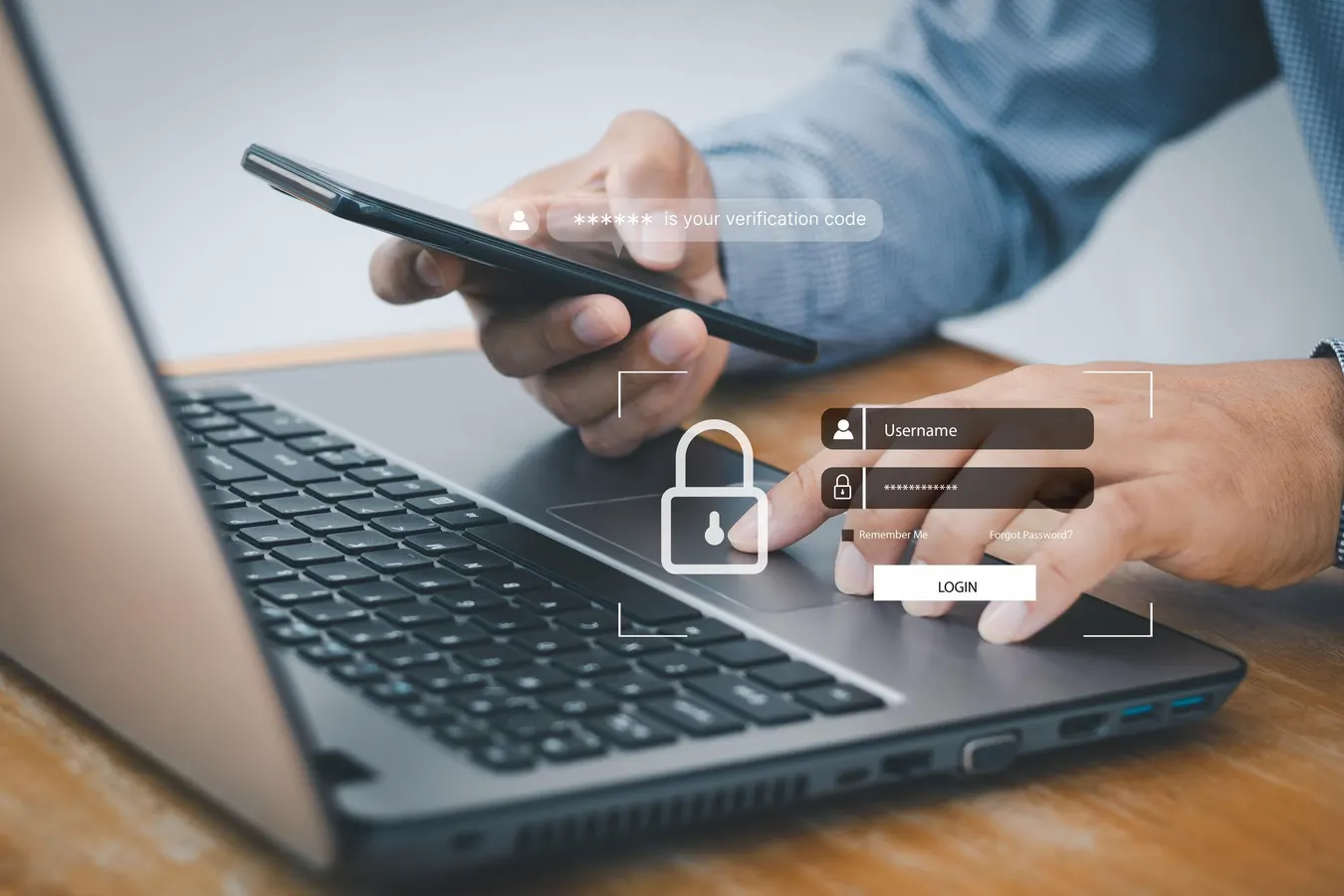
The Social Security Administration is implementing a new online authentication process that will require seniors to verify their identity online or visit field offices for routine tasks, raising concerns about accessibility for older and rural populations, despite agency claims that visits to field offices will not increase. The policy aims to combat fraud but may complicate access for some beneficiaries, with critics arguing there is no evidence that phone-based identity verification leads to fraud.
Scam texts offering fake jobs are increasing, exploiting people's unemployment worries and the rise of online work, with scammers using sophisticated AI to craft convincing messages. These scams often seek personal data or money, and the vulnerable, especially younger generations and those anxious about jobs, are prime targets. Despite efforts, combating these scams remains challenging due to limited coordination among authorities and telecom companies, emphasizing the importance of vigilance and skepticism among consumers.
Dollar General is experiencing stronger-than-expected growth as higher-income consumers seek value, while financial institutions focus on real-time account validation and behavioral data to improve security, underwriting, and access to financial services amid evolving regulations and fraud risks.
British phone company O2 has launched "Daisy," an AI "granny" designed to engage phone scammers in lengthy conversations, preventing them from targeting real people. Daisy, who talks about her cat and feigns confusion, can keep scammers on the line for up to 40 minutes. This initiative, supported by YouTuber Jim Browning, aims to protect users and raise awareness about phone scams. O2's broader efforts include investing in firewall technology and AI-powered spam detection to enhance customer safety.
The FBI has issued a warning to Black Friday shoppers about potential scams targeting users of Safari, Chrome, and Edge browsers. Shoppers are advised to verify the security of websites by checking for a padlock icon and 'https' in the URL. Additional precautions include reviewing seller feedback, avoiding unusual shipping arrangements, and not using pre-paid gift cards for purchases. The warning comes as fraud prevention experts highlight the increased risk of cyber attacks during the shopping season, with significant financial losses reported in 2024.
The Consumer Financial Protection Bureau (CFPB) has finalized a rule to supervise large nonbank digital payment apps, ensuring they comply with federal laws similar to banks and credit unions. This rule targets companies processing over 50 million transactions annually, aiming to protect consumer privacy, reduce fraud, and prevent illegal account closures. The CFPB's oversight will address issues like data collection, transaction errors, and "debanking," enhancing consumer protection in the rapidly growing digital payment sector.
Cybersecurity experts warn of a rise in sophisticated two-step phishing attacks using Microsoft Visio files and SVG attachments to evade detection and steal credentials. These attacks exploit user trust by embedding malicious URLs in familiar file formats and instructing victims to perform actions like holding down the Ctrl key to bypass security systems. As cyber fraud evolves, especially during International Fraud Week, businesses are urged to enhance their defenses with robust email security and two-factor authentication to mitigate risks.
A woman named Jenna Herrera received $300 from a stranger on Venmo, followed by a request to return the money, which she suspected was a scam. This technique involves scammers using stolen financial information to send money, then asking for it back, leaving the recipient at a loss when the transaction is reversed. Herrera declined the request and kept the money in her account, seeking guidance on how to return it to its rightful owner. Venmo advises contacting them to help reverse such payments, as this is a common scam tactic.
The American Bankers Association (ABA) is calling for federal intervention to combat the rising issue of online financial scams, which resulted in $10 billion in losses last year. Banks and the federal government are at odds, with banks urging the government to implement a national strategy and create new offices to tackle fraud, while the government wants banks to take more responsibility for compensating scam victims. The ABA suggests measures like updating fraud laws and creating a database of spam texts to help monitor and educate on scam trends.
Skimming devices were found at two Big Y supermarkets in Connecticut, prompting the company to inspect all terminals and work with law enforcement. No customer information is confirmed compromised, but customers are urged to check their bank and credit card statements for fraudulent activity. The devices were in place for less than eight hours.
Clark Hoefnagels developed an AI tool called Catch to detect scam emails after his grandmother was defrauded, but public interest has been low despite rising AI-driven fraud. While older individuals show concern, they often rely on low-tech solutions. Financial institutions, however, are increasingly adopting AI to combat sophisticated scams.
A former New York Times writer shares her harrowing experience of falling victim to a $50,000 online scam, despite her background in financial journalism, highlighting the vulnerability of individuals to sophisticated fraud tactics. The scam involved a phone call from someone claiming to be from Amazon customer service, escalating into a fabricated crisis involving identity theft and money laundering charges. The victim was manipulated into handing over $50,000 in cash to scammers, emphasizing the need for vigilance and skepticism towards unexpected requests for personal information or money. Tips for protecting against such scams include verifying unexpected contacts, using strong antivirus protection, removing personal information from the internet, and utilizing identity protection services.