A comprehensive review finds no convincing evidence linking paracetamol use during pregnancy to autism or ADHD in children, emphasizing that the medication is safe for pregnant women when used appropriately, and that concerns about its effects are largely unfounded.
European and UK health agencies confirmed that paracetamol is safe during pregnancy, disputing U.S. President Trump's claim linking it to autism, while WHO highlighted inconsistent evidence and urged caution in drawing conclusions.
The MHRA has confirmed that taking paracetamol during pregnancy is safe and does not cause autism in children, emphasizing that it remains the recommended pain relief when used as directed and that ongoing monitoring and scientific assessment support this guidance.
Scientists have developed a method using genetically modified E. coli bacteria to convert plastic waste into the painkiller paracetamol, offering a sustainable way to produce drugs while cleaning up environmental plastic pollution.
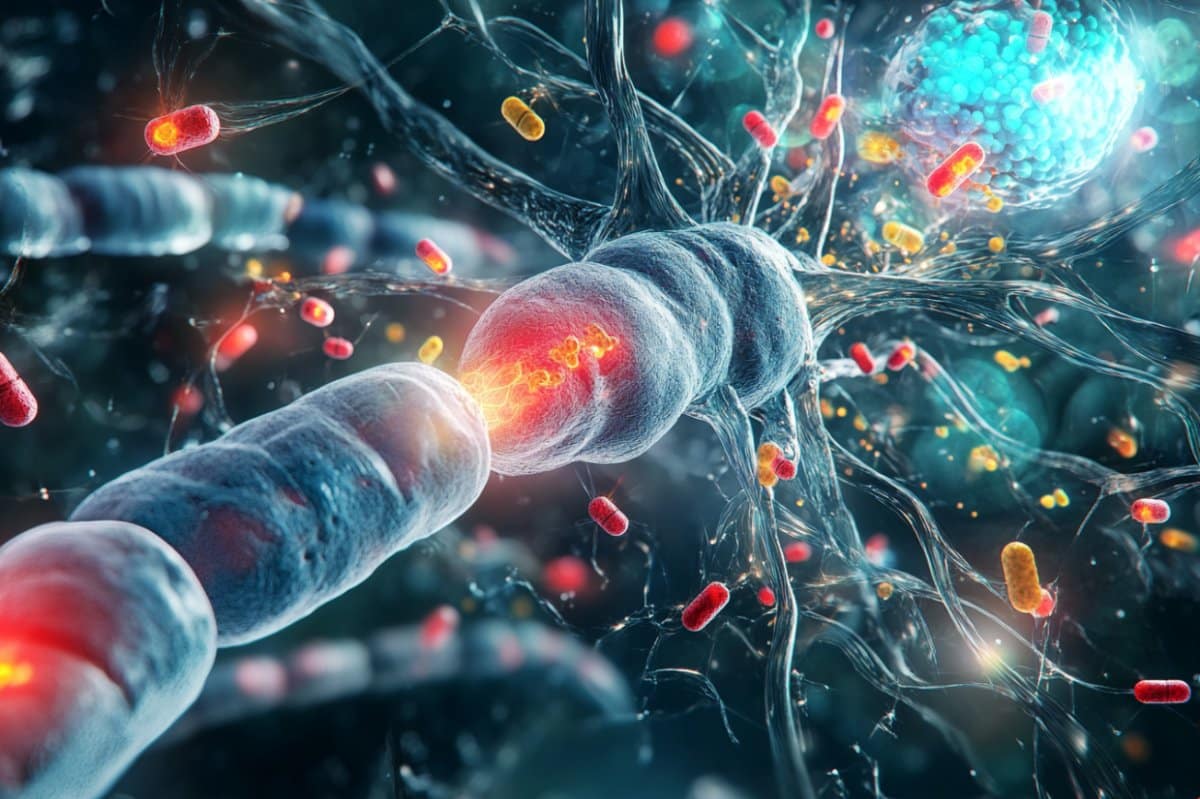
A new study from Hebrew University reveals that paracetamol not only acts in the brain but also directly blocks pain at its source by targeting sodium channels in nerve endings, opening new avenues for safer, more targeted pain treatments.
A study from Hebrew University reveals that paracetamol (acetaminophen) not only acts in the brain but also produces AM404 in peripheral nerves, which blocks sodium channels responsible for transmitting pain, offering a new understanding of its pain-relief mechanism and potential for targeted, side-effect-free treatments.
An inquest into the death of Laura Higginson, who died in 2017 at Whiston Hospital after being mistakenly overdosed with paracetamol, revealed hospital panic and procedural errors. Despite the hospital's claim that the overdose did not cause her death, her husband, Dr. Antony Higginson, only learned of the error months later through a post-mortem report. The inquest highlighted issues with weight-based dosing protocols, which have since been revised. The hearing continues as the family seeks answers regarding her death.
A study presented at the American Physiology Summit in California has found that even low doses of paracetamol, commonly used as a painkiller, can cause changes in proteins in the heart tissue of mice, potentially leading to heart damage. The research suggests that long-term medium- to high-dose use could result in heart issues due to oxidative stress or the buildup of toxins. The study's lead researcher recommends using paracetamol at the lowest effective dose and for the shortest duration possible, and advises against exceeding the recommended dosage.
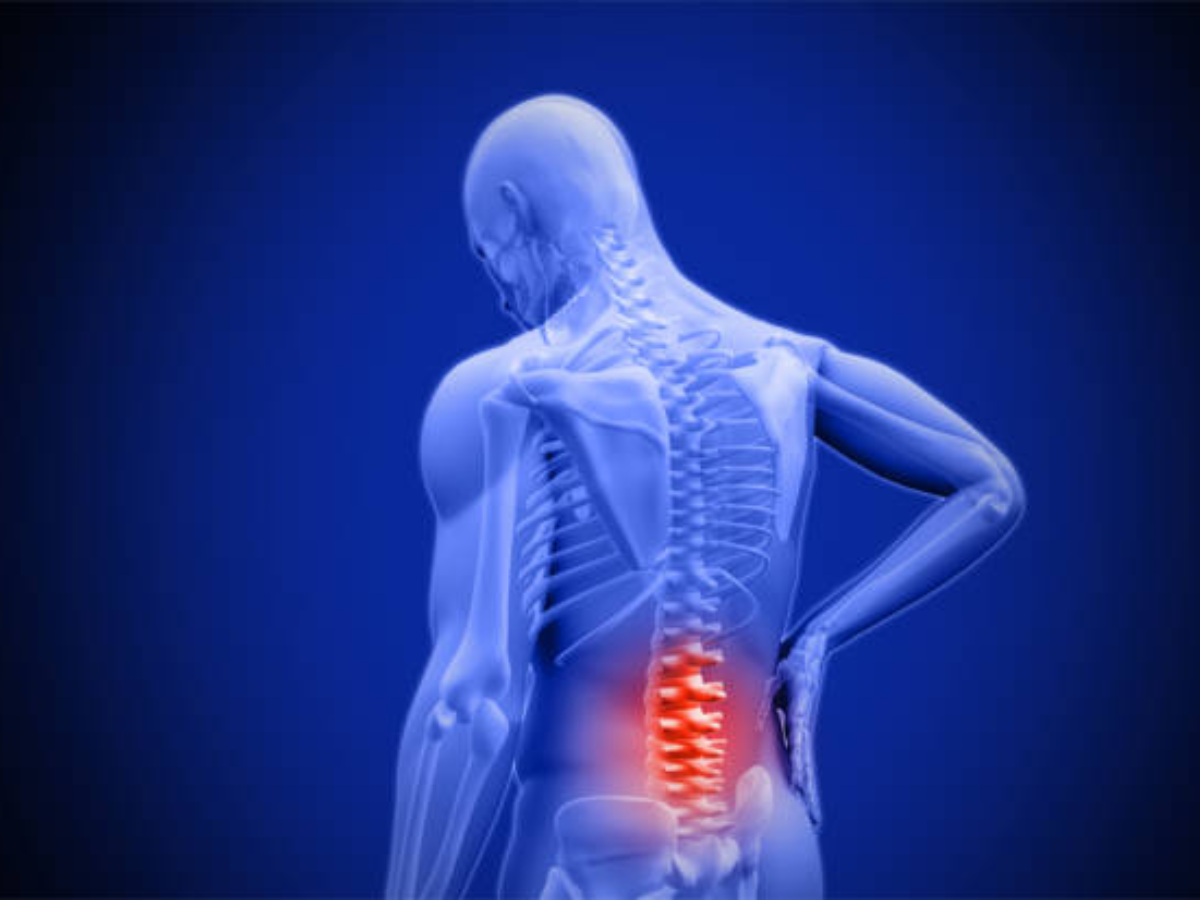
A new study warns against the use of analgesics like paracetamol, ibuprofen, and codeine for treating acute non-specific low back pain due to their potential to increase the risk of adverse side effects. The study found that these medicines might have a small impact but it is not clinically meaningful. Health experts suggest physical activity as the key to reduce the pain, as sitting for too long and being sedentary makes the muscles around the spine weak and thus it loses its grip.