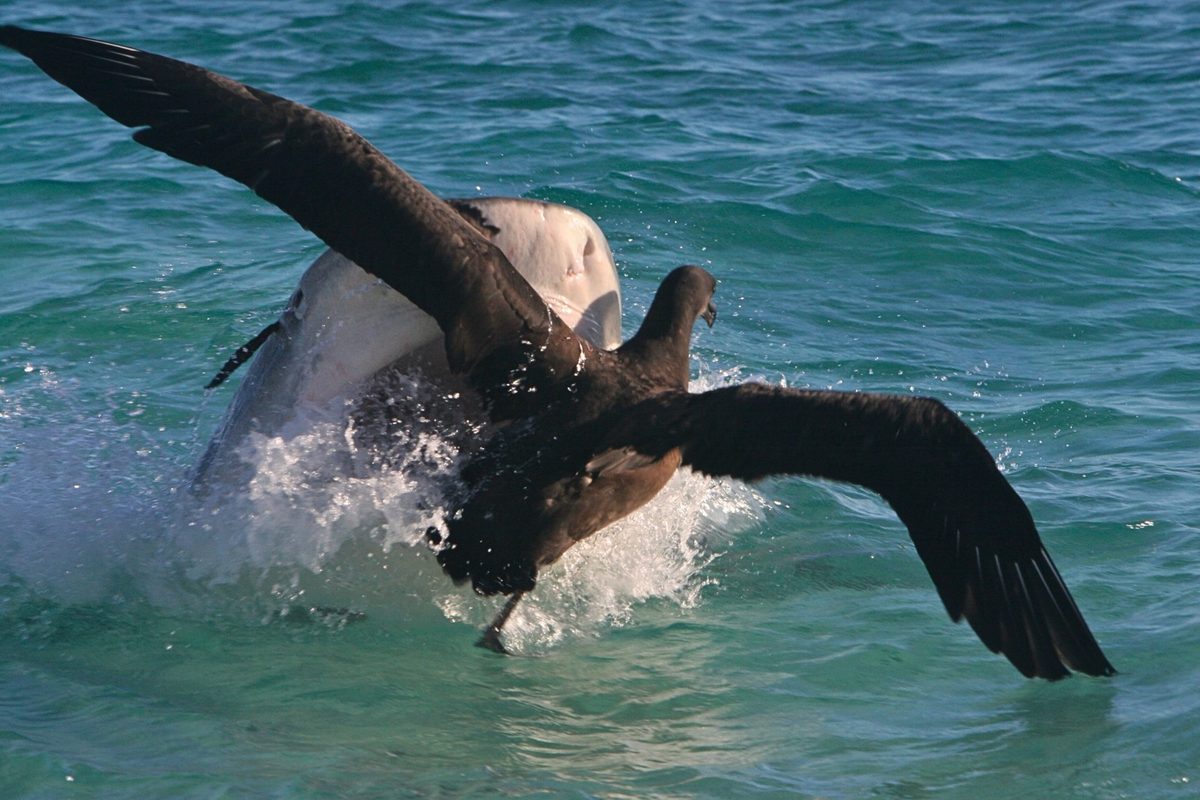
Scientists in Hawai'i have found that tiger sharks prey on albatrosses at seasonal nesting sites, causing other shark species to alter their habitats to avoid predation, revealing complex predator-prey dynamics and the importance of seabird nesting sites in marine ecosystems.
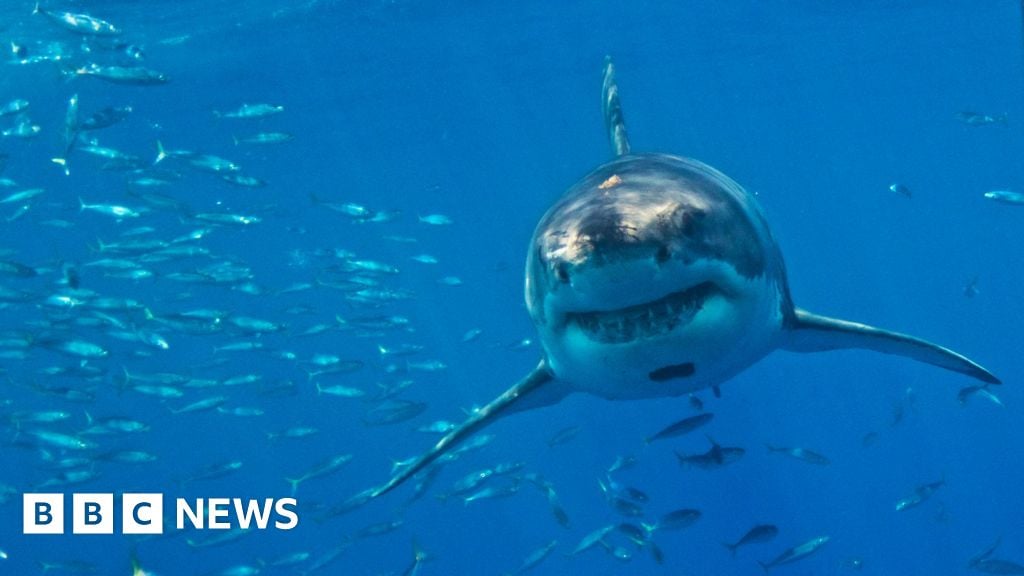
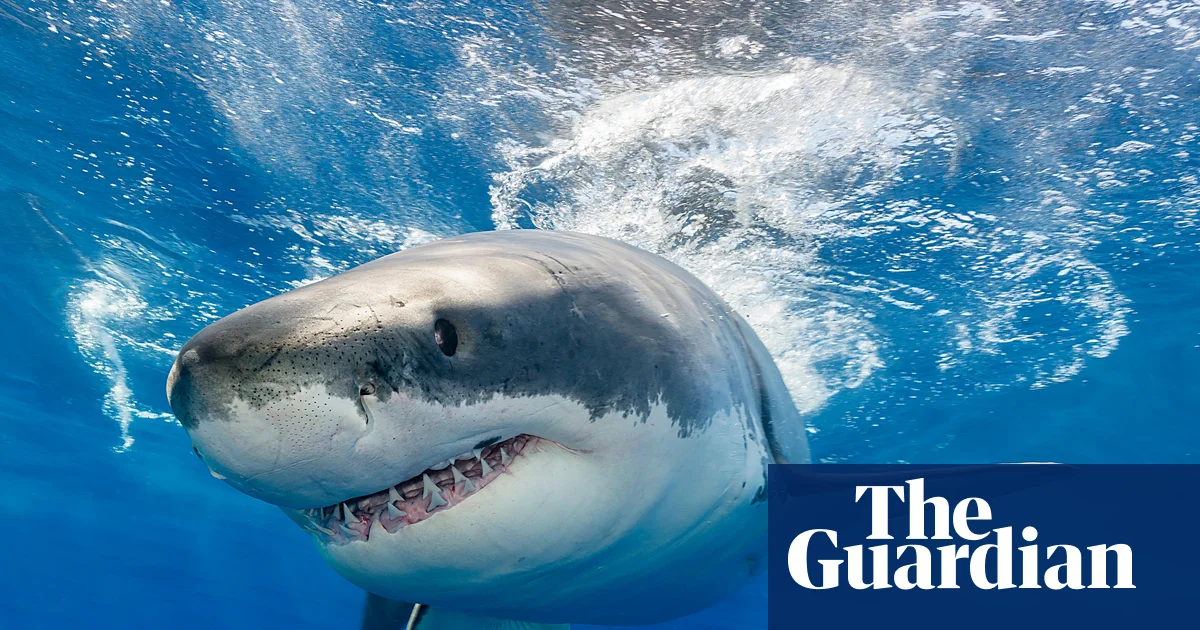
Great white sharks in the Mediterranean are critically endangered due to illegal fishing and are being sold in North African markets, with over 40 sharks killed in 2025 alone. Despite international protections, enforcement is weak, and the ecosystem is heavily degraded, raising concerns about the species' potential extinction unless urgent conservation efforts are made.
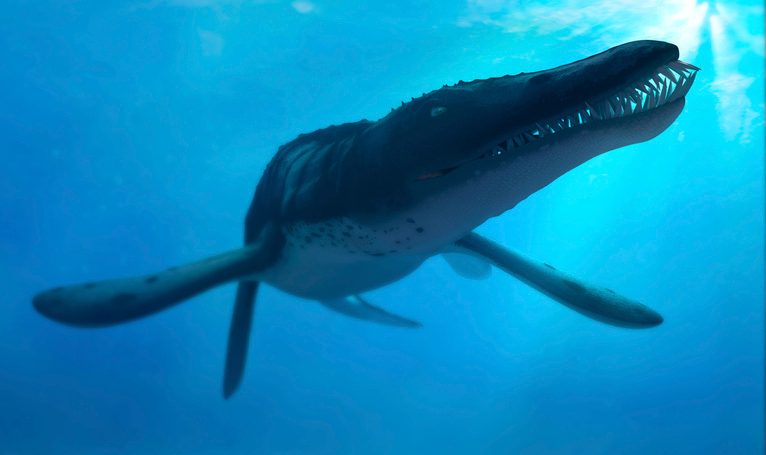
Scientists studying the Paja Formation in Colombia have uncovered evidence that ancient oceans were dominated by enormous marine reptiles, some over 10 meters long, filling a previously unseen seventh level at the top of the food chain, unlike today's oceans which typically have six levels of predators.
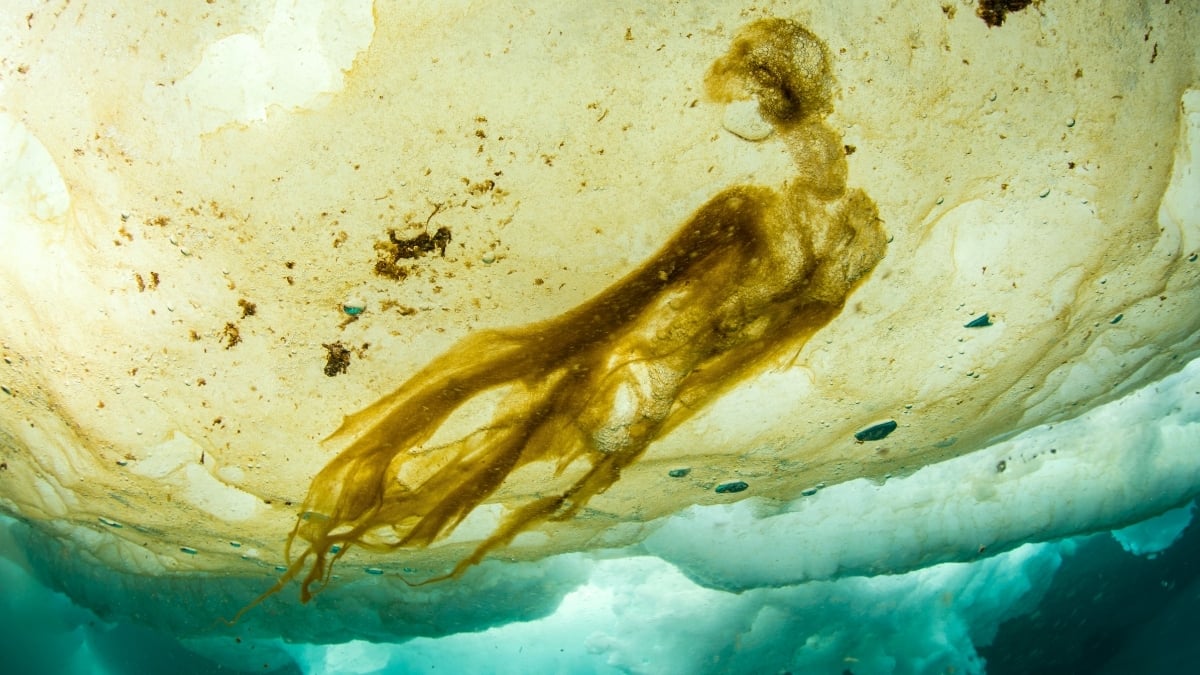
Scientists have discovered that nitrogen fixation occurs under Arctic sea ice, challenging previous assumptions that it was impossible in such inhospitable conditions. This process, vital for supporting marine food webs and potentially influencing the ocean's carbon budget, is now understood to be more widespread in the Arctic than previously thought, especially as sea ice retreats due to climate change. The findings suggest that Arctic ecosystems may be more resilient and productive than expected, but also highlight the need to include nitrogen fixation in future climate models.
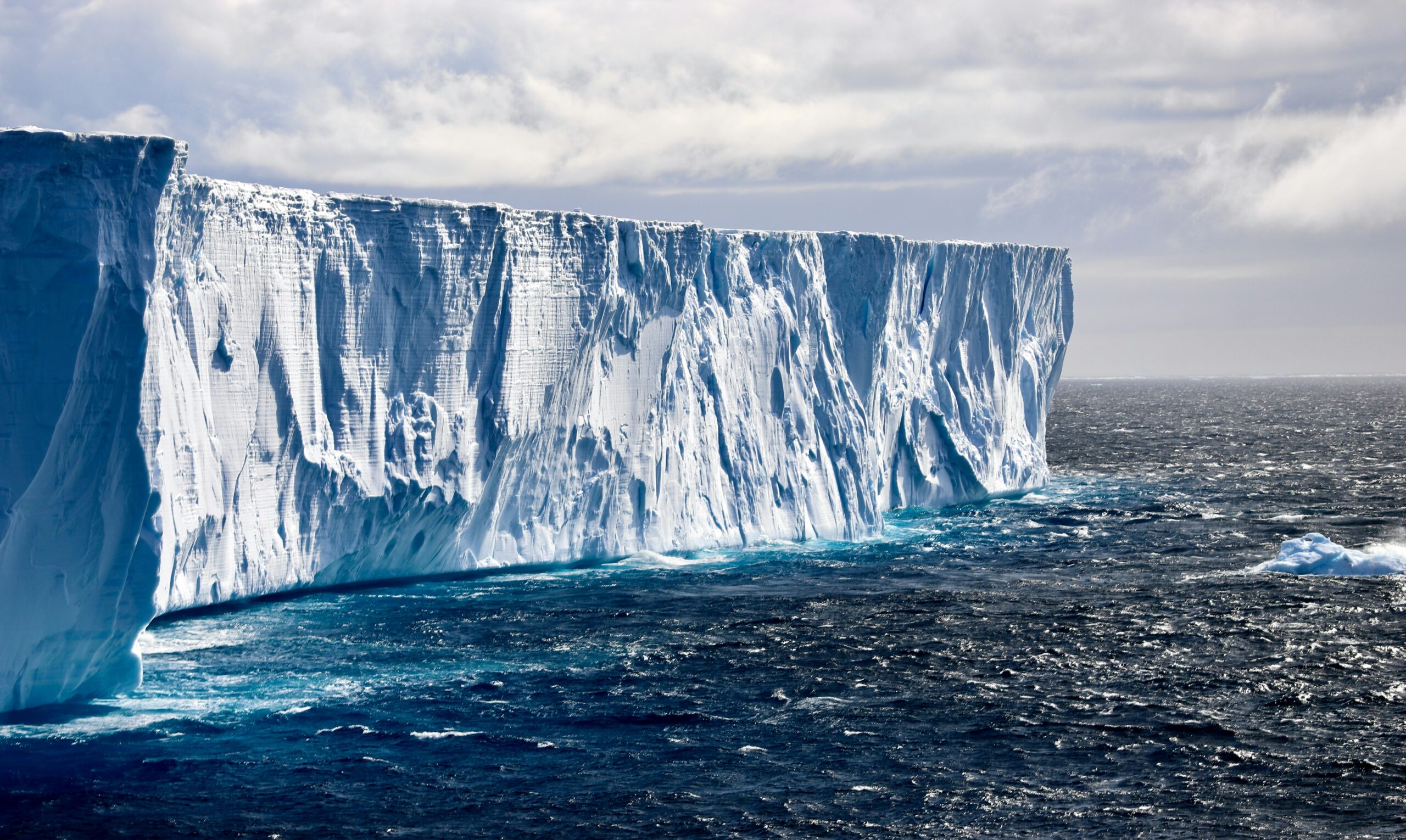
Scientists discovered thousands of fish nests beneath the Antarctic ice after the A68 iceberg broke off, revealing a complex and delicate marine ecosystem that highlights the resilience of life in extreme environments.
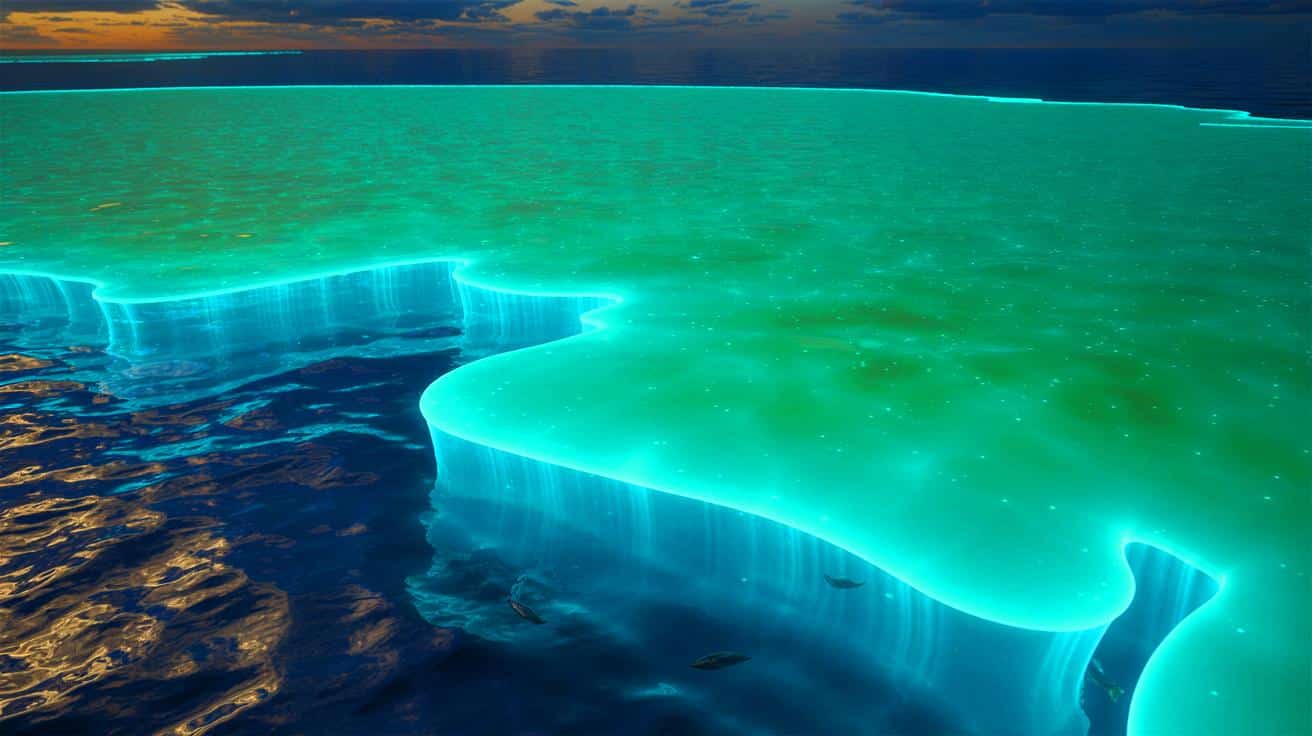
NASA satellites have captured a stunning bioluminescent phytoplankton bloom off Australia's coast, visible from space, which supports marine life like blue whales and highlights the importance of ocean health and climate understanding.
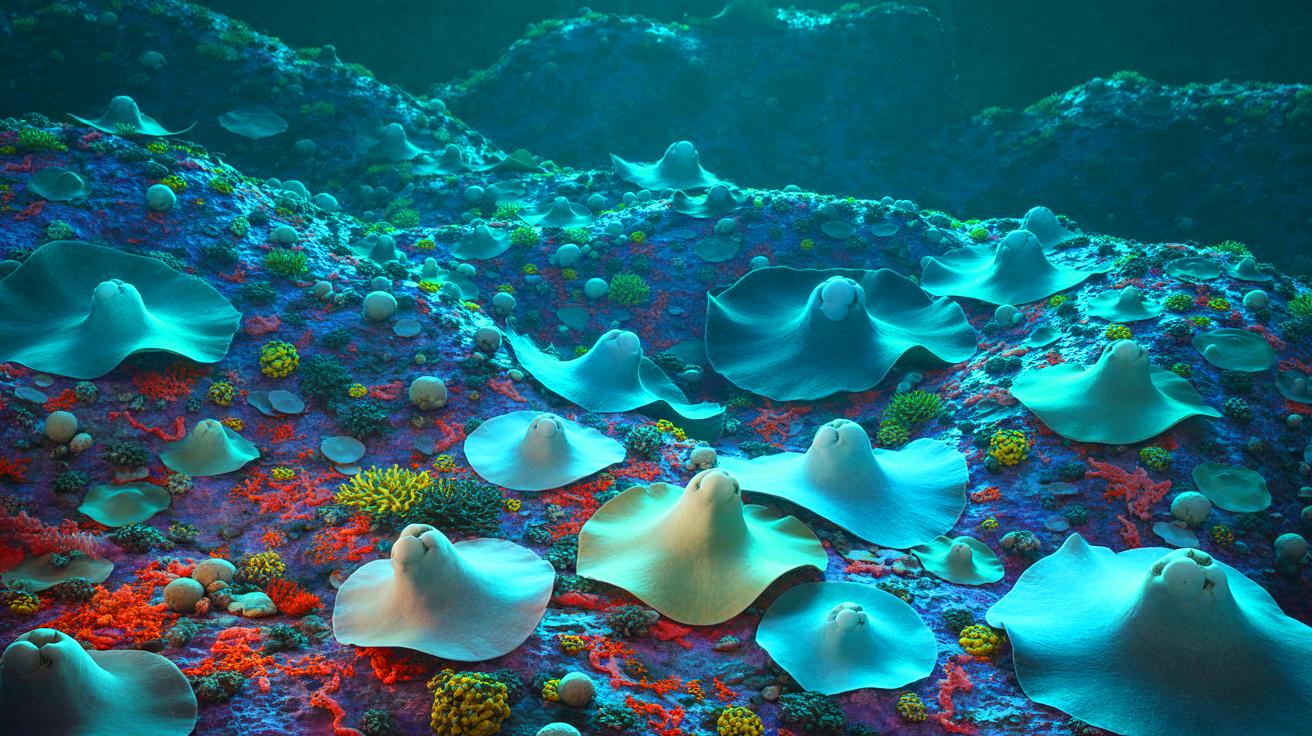
Scientists discovered a thriving marine ecosystem within a previously thought dormant underwater volcano off Vancouver Island, featuring a large nursery of white skate ray eggs, highlighting the resilience of deep-sea life and the importance of conserving these fragile environments.
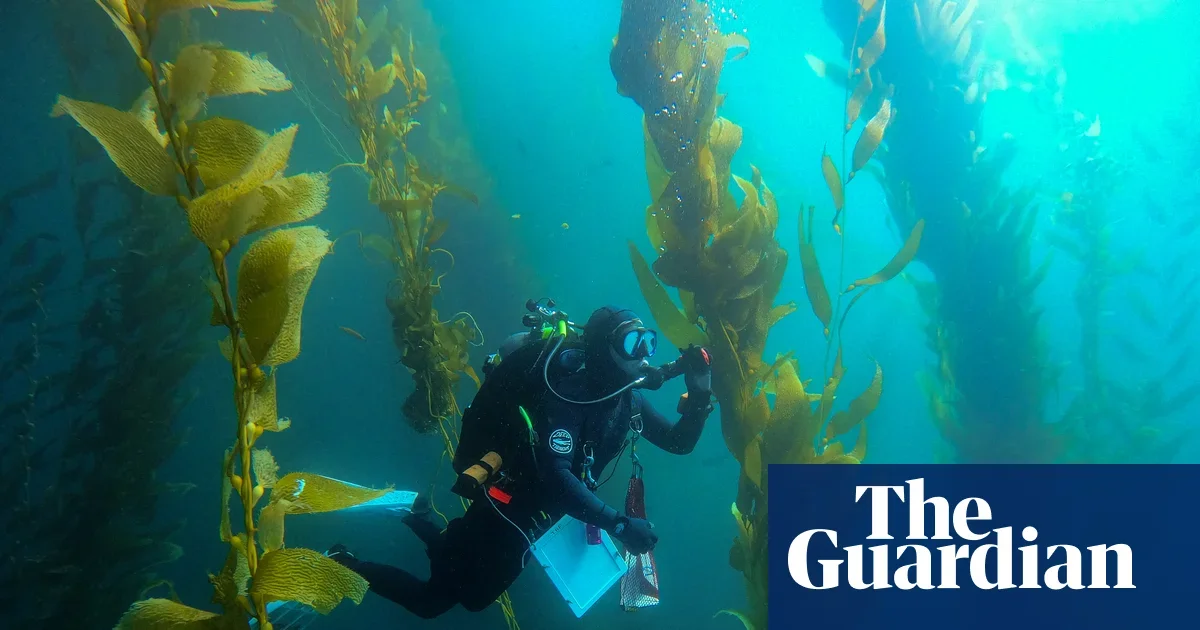
Efforts to restore California's kelp forests by smashing 5.6 million invasive sea urchins have led to significant recovery of these vital marine ecosystems, which provide habitat, store carbon, and protect coastlines, demonstrating a successful model for global kelp conservation.
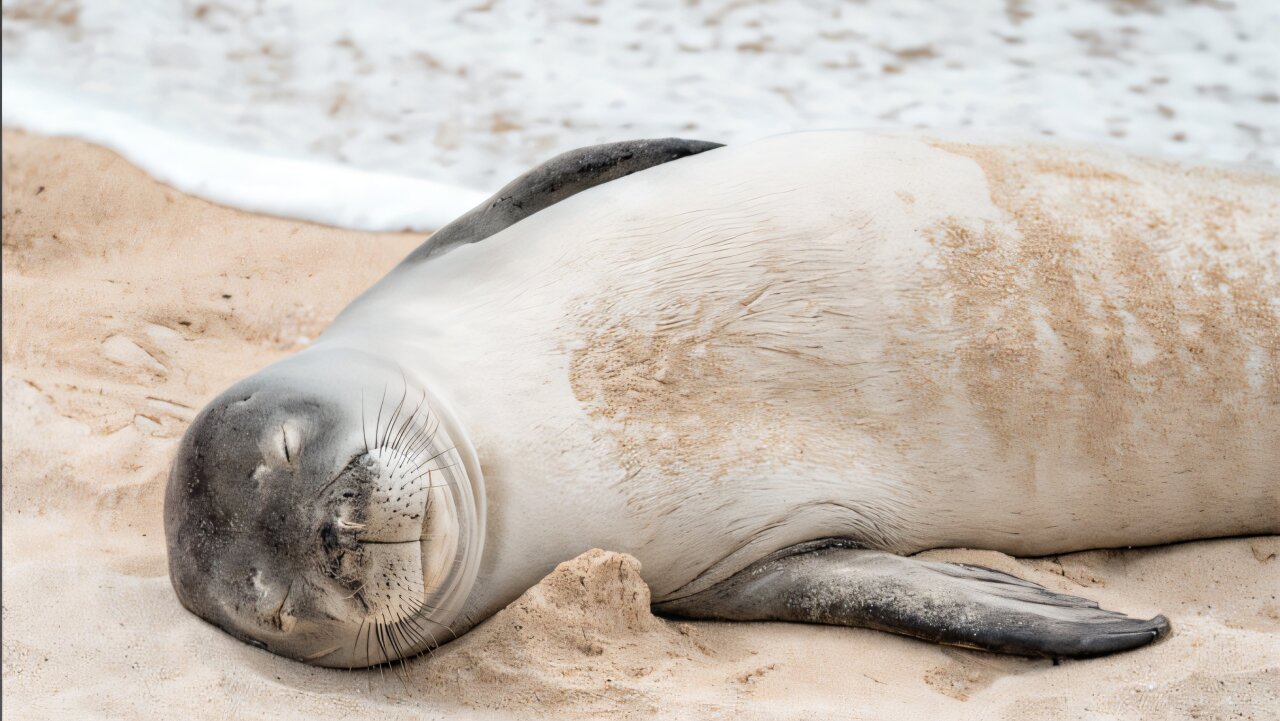
A study from the University of Hawaiʻi found that the temporary absence of tourists during the COVID-19 pandemic led to rapid ecological recovery in Hanauma Bay, with clearer water, more active fish, and increased sightings of endangered monk seals, highlighting the reefs' resilience and the potential for sustainable tourism management.
A new study suggests that increasing ocean acidity due to climate change could damage shark teeth, potentially impairing their ability to feed and affecting marine ecosystems. Experiments showed that teeth in more acidic conditions suffered twice as much damage, which could threaten shark populations unless they adapt by increasing tooth replacement or strengthening. The findings highlight the broader impact of ocean acidification on marine predators and the importance of reducing CO2 emissions.
Authorities in Guardamar del Segura, Spain, temporarily closed all beaches after spotting venomous 'blue dragons' (Glaucus atlanticus), rare marine creatures that pose a danger to swimmers due to their potent stings, highlighting concerns about changing marine ecosystems possibly linked to climate change.
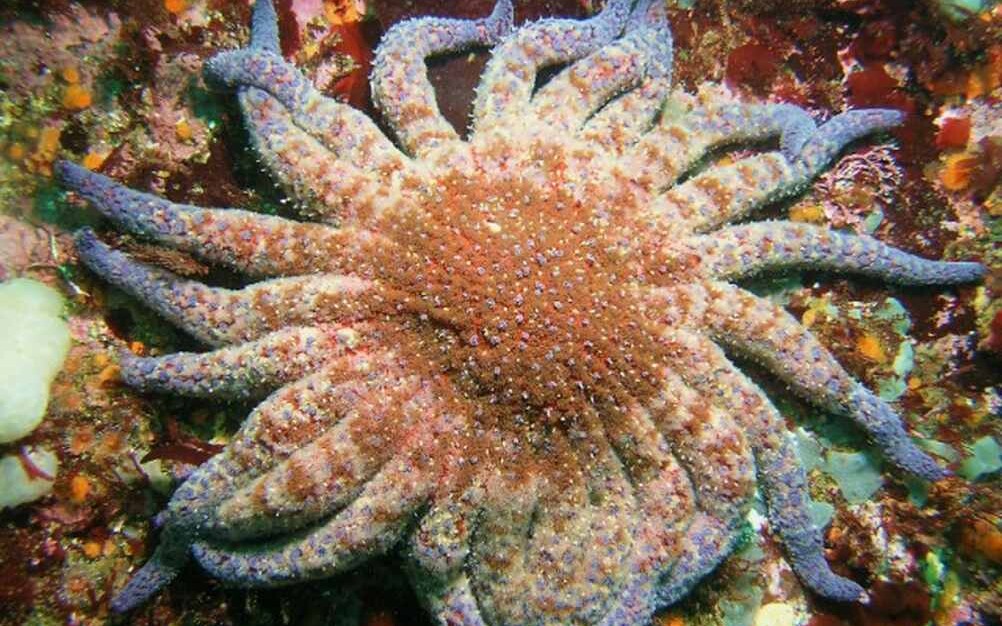
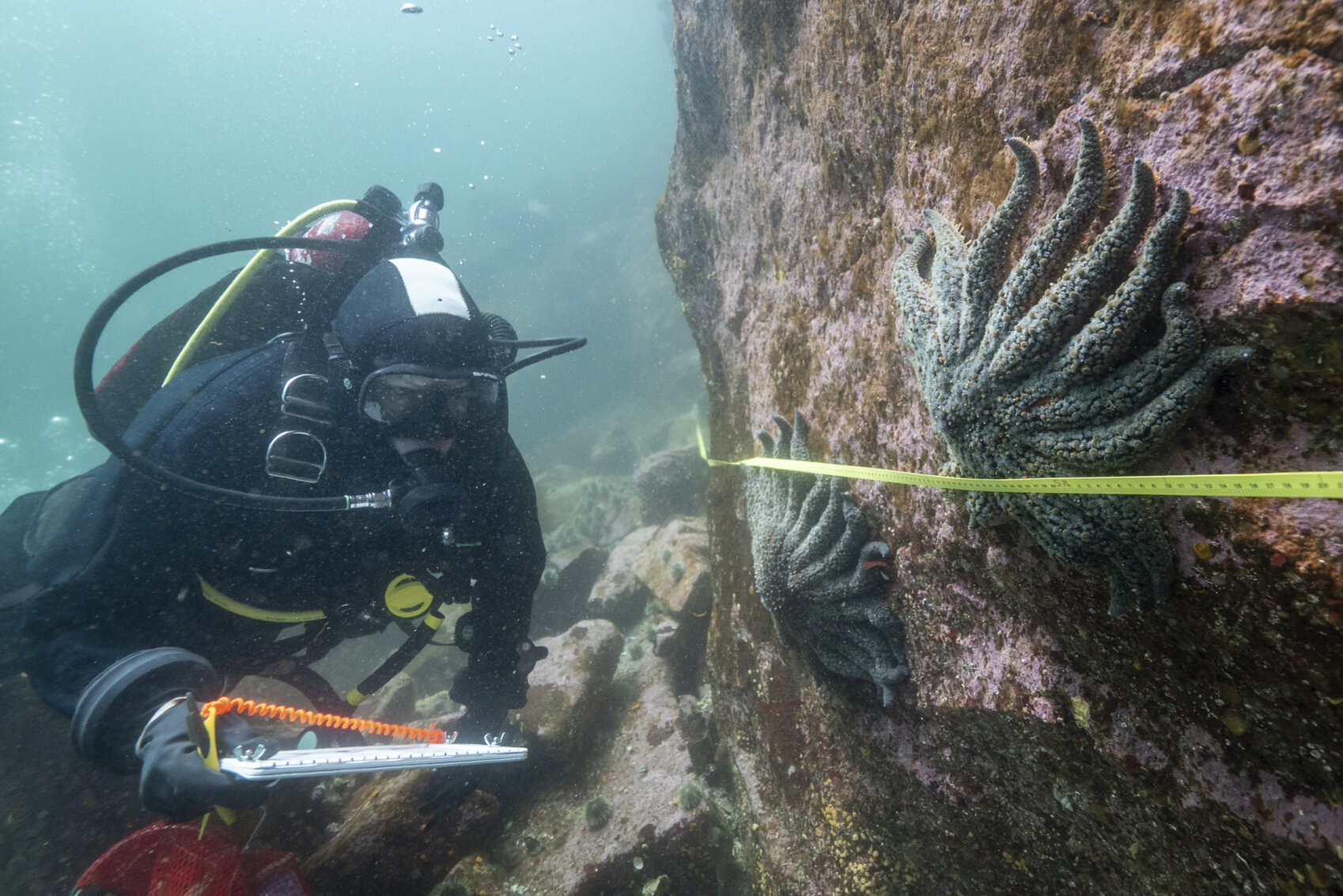
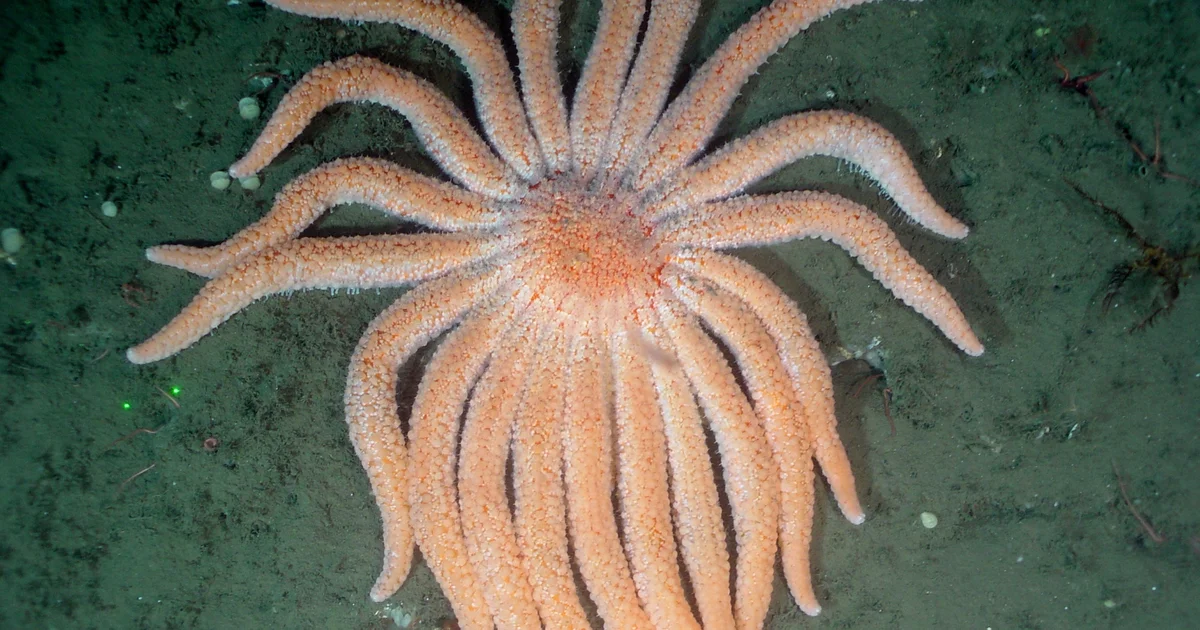
Scientists have identified Vibrio bacteria as the cause of the sea star wasting disease devastating populations along the California coast, linked to warming waters, and are now working on recovery strategies including breeding programs and public education.
Scientists have identified bacteria Vibrio pectenicida as the cause of the decade-long epidemic that killed over 5 billion sea stars along the Pacific coast, leading to ecological impacts like the explosion of sea urchins and destruction of kelp forests, and opening avenues for potential recovery efforts.
Scientists have identified bacteria Vibrio pectenicida as the cause of the decade-long epidemic that killed over 5 billion sea stars along the Pacific coast, which has severely impacted marine ecosystems and kelp forests. This discovery opens avenues for potential interventions to help restore sea star populations and protect ocean habitats.