Tag

Environmental Research

All articles tagged with #environmental research

environment1 year ago

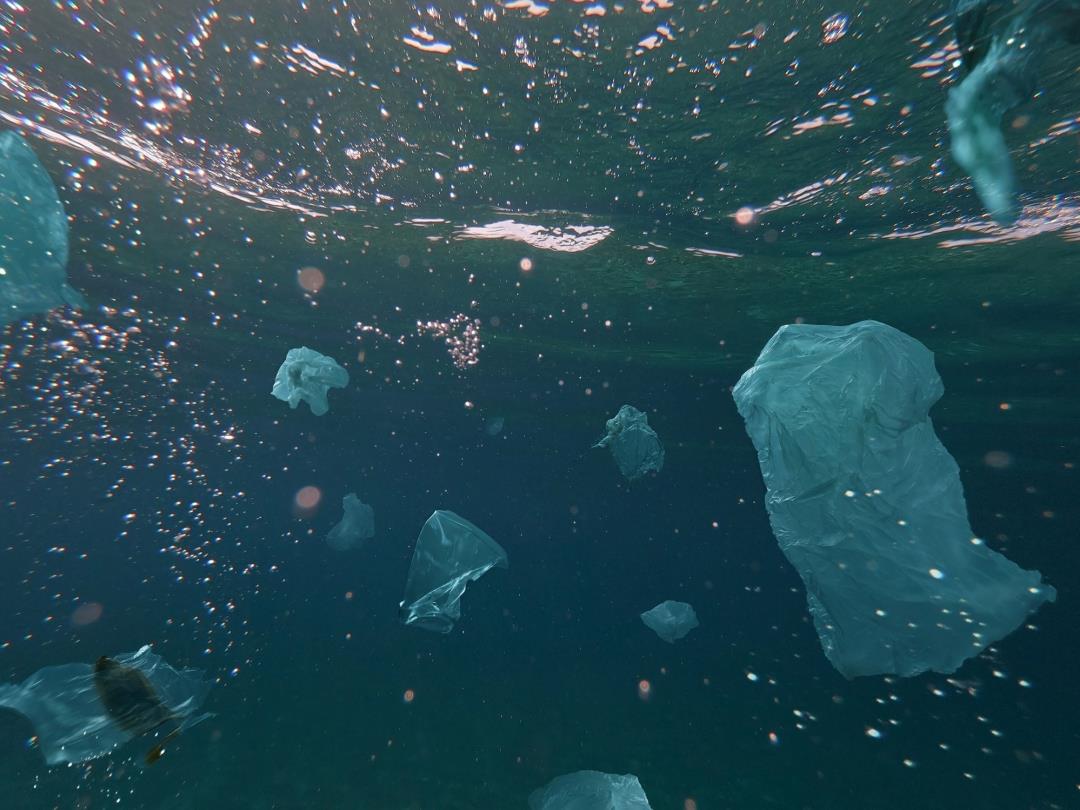
Satellites to Monitor Ocean Trash

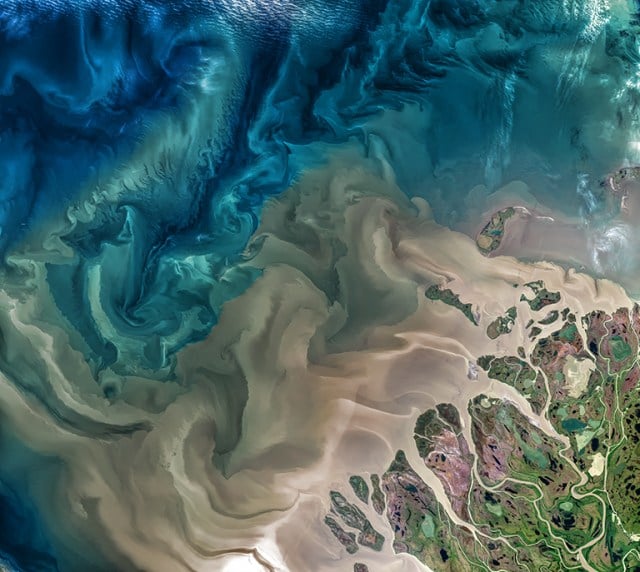
New research published in Nature Communications reveals that satellites, even those not specifically designed for the task, can effectively track ocean garbage from space. By analyzing images from the Copernicus Sentinel-2 mission, researchers identified litter windrows in the Mediterranean Sea, highlighting pollution hotspots and seasonal variations. This breakthrough could enhance future satellite missions and improve environmental monitoring, ship navigation, and search-and-rescue operations.

science1 year ago

"Plastic-Eating Fungus Discovered in Great Pacific Garbage Patch"

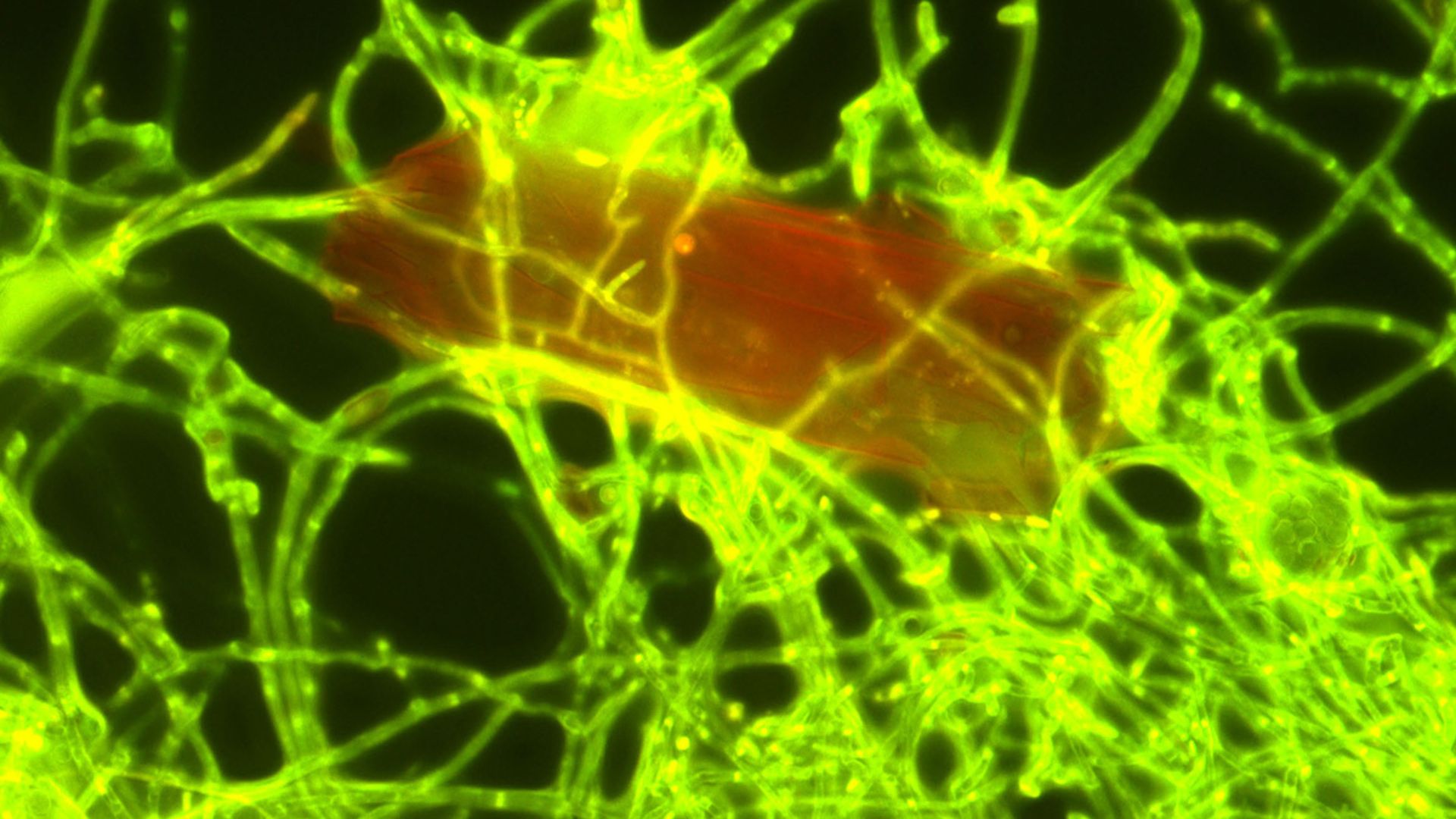
Scientists have discovered a marine fungus, Parengyodontium album, on plastic debris in the Great Pacific Garbage Patch that can break down polyethylene, a common plastic pollutant. This fungus could offer a biological solution to mitigate oceanic plastic pollution, as it converts polyethylene into carbon dioxide. The research, conducted by marine microbiologists from the Royal Netherlands Institute for Sea Research and other institutions, highlights the potential of P. album to degrade plastic, although it requires UV-light exposure to initiate the process.

environment1 year ago

"Researchers Urge Firms to Abandon Bright Plastic for Sustainability"

Researchers from the University of Leicester and the University of Cape Town have found that brightly coloured plastics degrade into microplastics faster than plainer colours, with red, blue, and green plastics becoming brittle and fragmenting more quickly. The study suggests that manufacturers should avoid using these colours in products to reduce environmental pollution and improve recyclability.

science1 year ago

"NASA's Innovative Earth Day Climate Research Initiatives"

NASA has chosen six new airborne missions to study various aspects of Earth and climate change, including fire-induced clouds, Arctic coastal change, air quality, landslide hazards, shrinking glaciers, and emissions from agricultural lands. These missions, funded through NASA's Earth Venture program, aim to provide finer detail measurements than satellites and complement satellite observations. The selected missions will receive roughly $120 million in funding and will be carried out between 2026 and 2029, with a focus on promoting diversity, equity, and inclusion in the teams.

environment1 year ago

"Pacific Plastic Research Reveals Alarming Discovery"

Researchers studying plastic waste in the Pacific Ocean found equally large quantities of microplastics in a remote marine reserve northwest of Hawaii, challenging previous assumptions about plastic distribution. The study highlights the widespread impact of plastic pollution on the entire ocean ecosystem and emphasizes the urgent need for global efforts to address the issue efficiently.

environment1 year ago

"Scientists Troubled by Remote Ocean Plastics Study"

A new study published in Environmental Science & Technology reveals that plastic pollution is more widespread in the Pacific Ocean than previously thought, with significant amounts of plastic waste and microplastics found in remote marine protected areas. Researchers from the Helmholtz Centre for Environmental Research and the Alfred Wegener Institute conducted a five-week expedition and discovered that plastic pollution is not only concentrated in well-known areas like the Great Pacific Garbage Patch, but also present across the entire ocean ecosystem. The study highlights the serious threat posed by ocean plastics to marine life and the potential risks to human health through the consumption of seafood contaminated with microplastics.

science-and-technology1 year ago

"Revolutionary Air Pollution Scrubbing Method Unveiled by Scientists"

Scientists at The Ohio State University have developed a new method, called Direct Air CO2 Capture with CO2 Utilization and Storage (DACCUS), which combines direct air carbon dioxide capture (DACC) technologies with geothermal energy to create large-scale carbon dioxide capture and storage systems. The process isolates captured carbon into deep saline aquifers, using the geologic formations to produce renewable energy for DACC systems. The team believes their system could be operational by 2025 and start removing carbon by 2030, with up to 25 DACCUS systems operating in the Gulf Coast by 2050.

climate-change1 year ago

"Unconventional Climate Solutions: Scientists' Risky Experiments and Desperate Measures"

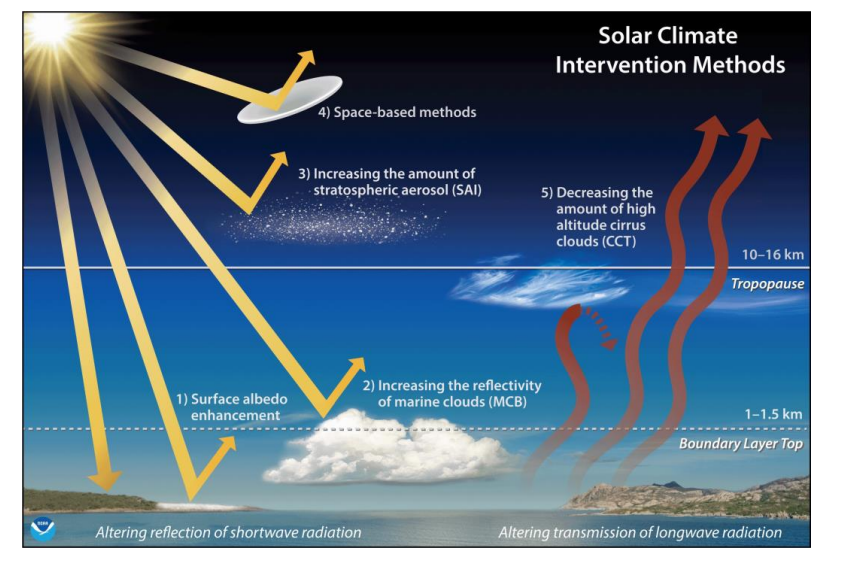
Scientists are resorting to once-unthinkable techniques such as dumping chemicals in the ocean and spraying saltwater into clouds in a desperate attempt to cool the planet as global efforts to check greenhouse gas emissions are failing. These geoengineering approaches were once considered taboo but are now being tested outdoors with taxpayer funds and private investments. However, there are concerns about the short and long term risks, including unintended consequences and the potential for massive spending without guaranteed success.

spaceenvironmental-science1 year ago

"NASA's PACE Mission: Observing Earth's Invisible Universe from Space"

SpaceX successfully launched NASA's nearly $1 billion PACE satellite, designed to study the complex relationship between aerosols, clouds, and ocean ecosystems to advance understanding of climate change. The mission, which faced multiple cancellation threats, aims to shed light on the role of phytoplankton in ocean biology and provide high-precision data to fine-tune climate models. The satellite, equipped with three instruments, is expected to provide real-time measurements of aerosol movement, plankton health, and carbon transport, with a mission cost of $948 million and an anticipated operational lifespan of 10 years.

environment2 years ago

"Revolutionary Proposal: Addressing Climate Change, Biodiversity Loss, and Social Injustice"

An international team of scientists led by Oregon State University researchers has proposed a "restorative" pathway to address climate change, biodiversity loss, and social injustice, emphasizing social and economic justice as well as environmental sustainability. The pathway, outlined in a paper published in Environmental Research Letters, aims to limit warming more effectively by prioritizing large-scale societal change and reducing resource consumption, without relying on carbon capture technologies or assuming continued economic growth. The researchers argue that their scenario should be included in climate models to provide a contrast to current scenarios and offer a bold solution to environmental and social crises.

obituary2 years ago

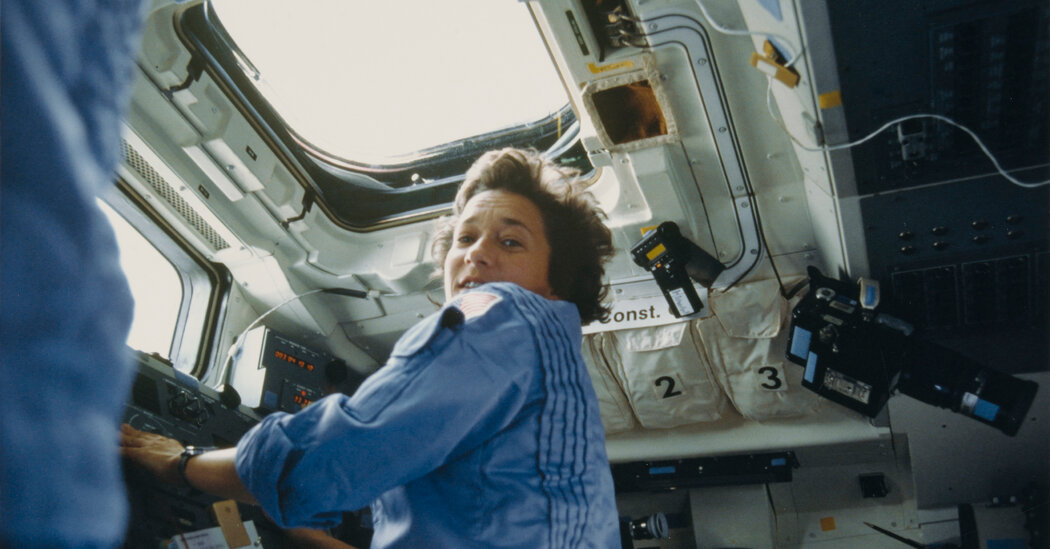
Mary Cleave, Space Explorer Who Witnessed Earth's Decline, Passes Away at 76

Mary Cleave, an astronaut who flew on two space shuttle missions in the 1980s, passed away at the age of 76. Witnessing the deteriorating state of the Earth from space, particularly the deforestation of the Amazon rainforest, prompted her to shift her focus to environmental research for NASA. After retiring as an astronaut, she managed a project at the Goddard Space Flight Center that studied the impact of global warming on the oceans. Cleave's passion for science and her concern for the Earth's rapid changes made her a force of nature in her field.

crime2 years ago

"Escalating Violence: U.S. Biologist's Murder Highlights Perils Faced by Scientists in Mexico"

Gabriel Trujillo, a U.S. biologist conducting research in Sonora, Mexico, was shot and killed while collecting plant samples. Trujillo's death is the latest in a series of violent incidents targeting scientists studying the environment in Mexico. The killing follows the deaths of two other scientists in June and a shooting targeting a biology student. Researchers face significant risks and challenges in conducting their work in Mexico, with many areas considered dangerous due to drug and human trafficking routes. The violence has led to the suspension of research projects and a decline in funding for conservation efforts.

environment2 years ago

Disturbing Discovery Made by Sailors in Remote Ocean Region

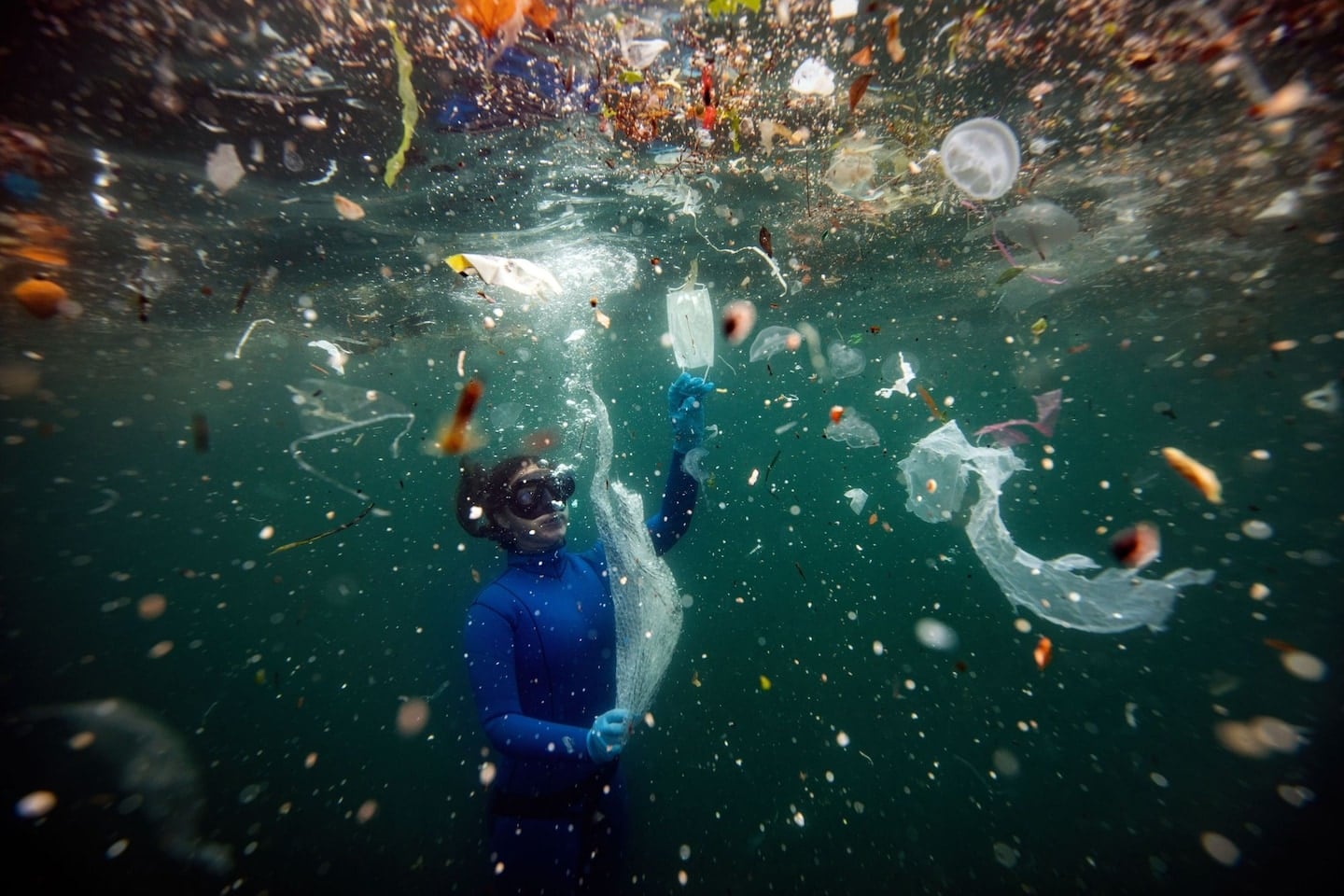
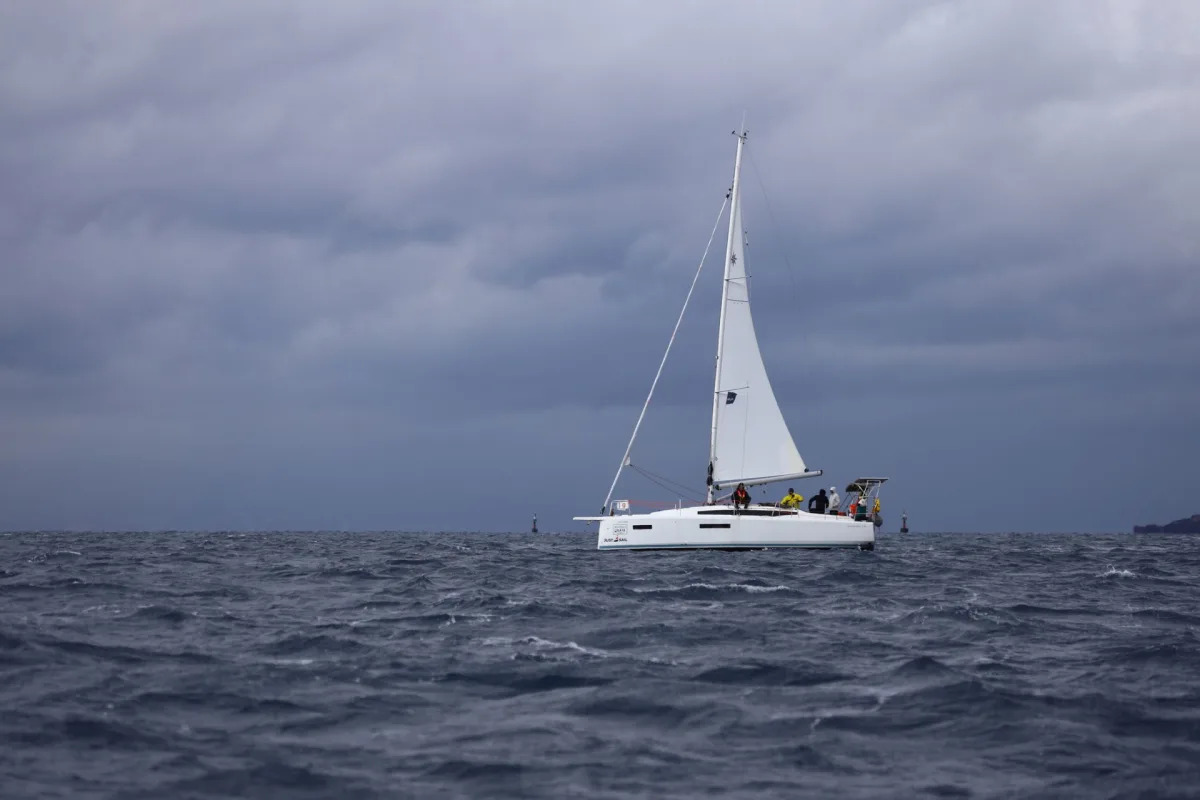
During The Ocean Race of 2022-23, sailors found microplastic concentrations up to 18 times higher than during the last race in 2017-18 in some of the most remote parts of the ocean. Microplastics are tiny pieces of plastic shed from larger plastic products, and their health risks are still largely unknown. The sharp increase in microplastic pollution between the last race and the current one is concerning, and scientists are working on ways to filter out or treat microplastics while governments are beginning to address the root of the problem by banning the worst offenders.