The U.S. Department of Energy plans to cancel funding for major Direct Air Capture hubs in Texas and Louisiana, potentially hindering progress in carbon removal technology despite industry and congressional support, raising concerns about setbacks in climate and industrial policy.
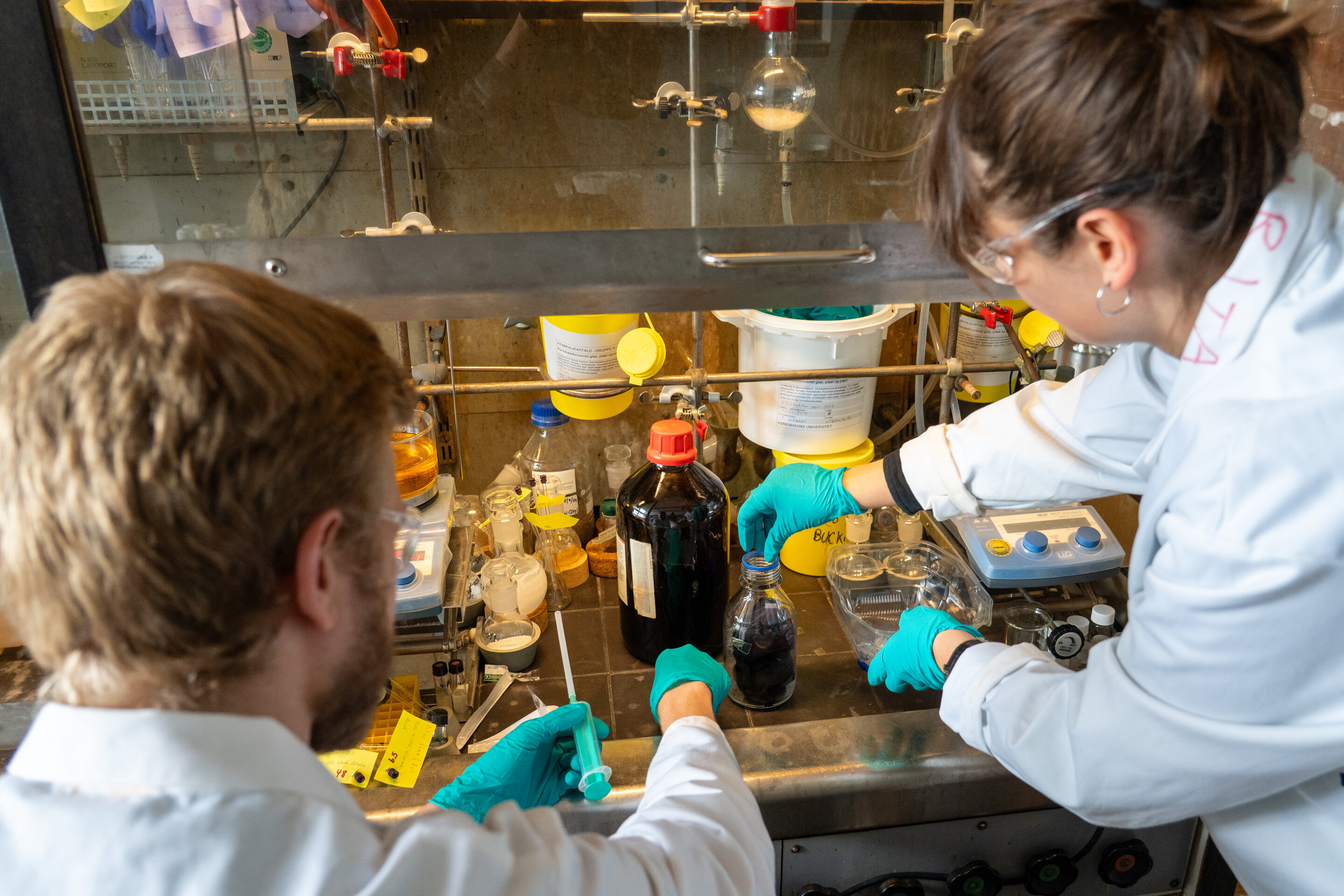
Scientists at the University of Copenhagen have developed a method to convert PET plastic waste into a material called BAETA that efficiently captures CO2, addressing both plastic pollution and climate change by turning waste into a useful resource for industrial carbon capture.
FuelCell Energy's stock surged after announcing a partnership with ExxonMobil's affiliate in the Netherlands to develop and test carbon-capture technology aimed at reducing CO2 emissions. If successful, the technology could be deployed globally, offering a game-changing solution for decarbonizing heavy industry.
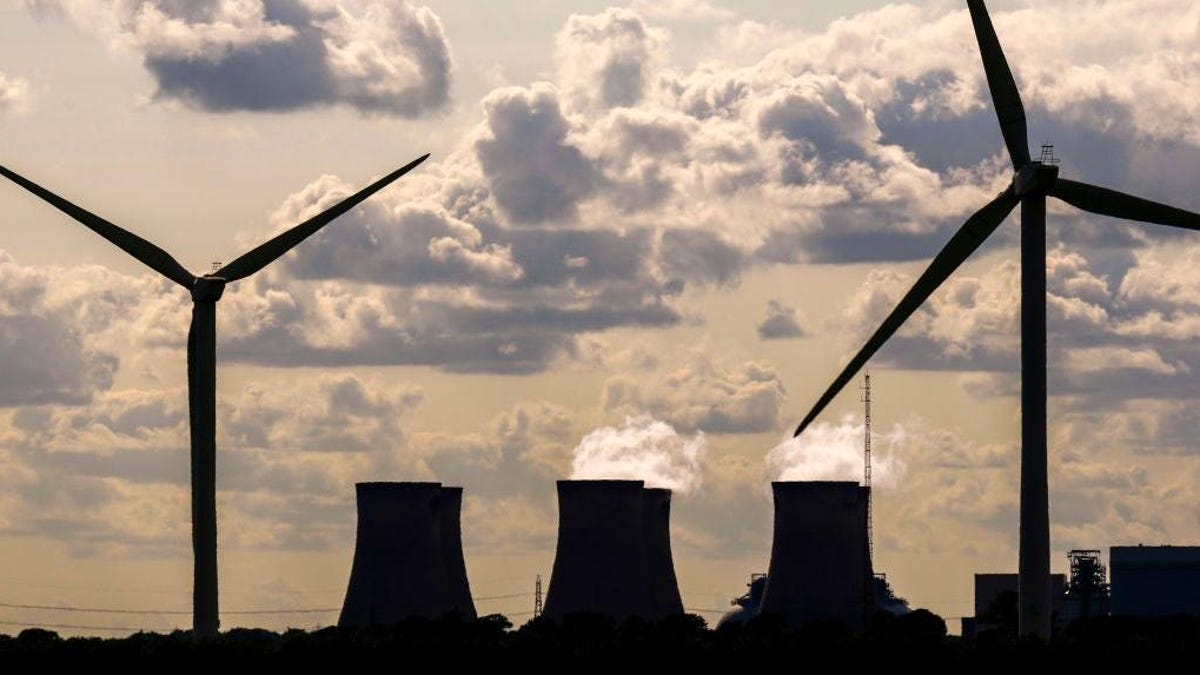
The International Energy Agency (IEA) has released an updated roadmap for achieving zero greenhouse gas emissions by 2050, highlighting that carbon capture technology and carbon credits have not delivered on their promise of removing CO2 from the atmosphere. The report emphasizes that renewables, such as solar and wind power, have made significant progress in reducing emissions and should be prioritized. The IEA also calls for international cooperation and investment in clean energy to avert the worst impacts of the climate crisis. The report underscores the need to stop putting carbon into the atmosphere and focuses on the importance of tripling renewable capacity and doubling energy efficiency by 2030 to stay on track for limiting global warming to 1.5 degrees Celsius.
Congress has allocated billions of dollars in subsidies to promote the expansion of carbon capture technology, which aims to prevent CO2 emissions from fossil fuel-burning plants by capturing and storing them underground. However, critics argue that carbon capture is a costly distraction and that investing in renewable energy projects would be more effective in reducing emissions. The Petra Nova coal-fired power plant, the only commercial plant in the US to use carbon capture, faced technical issues and high costs before being mothballed. Some experts believe that direct air capture, which extracts CO2 from the atmosphere, could play a role in combating climate change, but current facilities can only remove a fraction of annual CO2 emissions.
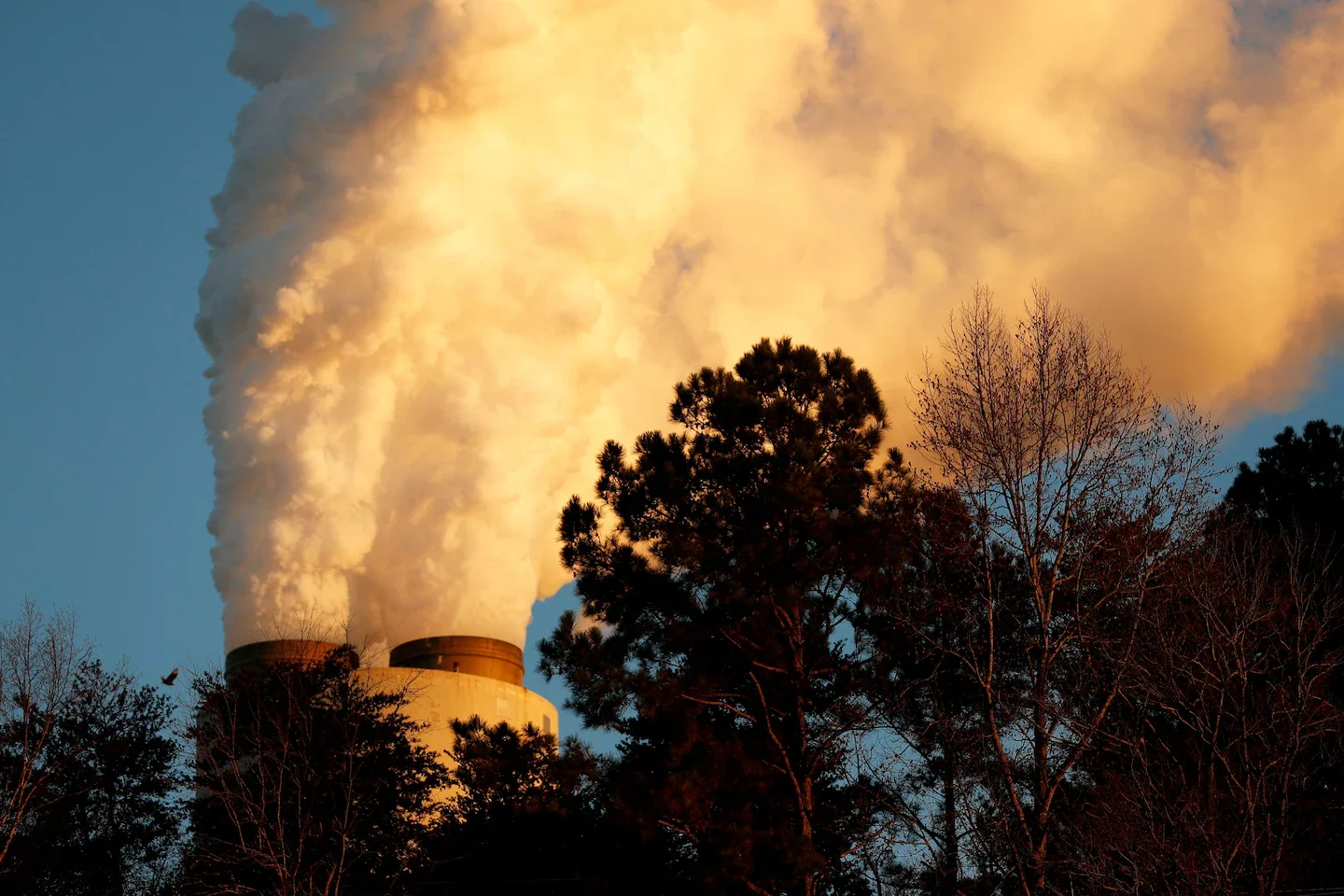
The Biden administration is set to unveil a proposal that would require power plants to nearly eliminate their greenhouse-gas emissions by 2040, with limits on the amount of emissions each plant can emit. Fossil-fuel-burning plants would likely need to use carbon-capture technology or switch to hydrogen to meet the limits. The electric-power sector remains the country’s second-largest contributor to climate change, responsible for a quarter of such emissions nationwide in 2021, according to EPA data. The proposal is still under final analysis at the White House and could change before the EPA announces it.