Tag

Plastic

All articles tagged with #plastic

environment1 year ago

UN Plastic Treaty Talks Collapse Amid Global Divisions

The UN plastic treaty talks in Busan, South Korea, ended without reaching a deal as oil-rich nations and high-ambition countries remained deadlocked. The EU and oil producers clashed over potential limits on plastic production, with the EU pushing for restrictions while oil producers resisted. The negotiations aimed to address the growing issue of plastic waste, but the influence of the oil industry, which benefits from increased plastic production, posed a significant challenge to reaching an agreement.

health-and-environment1 year ago

"Human Eyes Contain Concerning Contaminant: Unveiling Potential Implications"

Researchers have discovered the presence of over 8,500 microplastic particles in the eyes of individuals with various eye conditions, raising concerns about the potential implications for ocular health. Microplastics, which can carry harmful chemicals, have been found to cause inflammation and toxicity in animal studies, highlighting the urgent need for further investigation into the effects of microplastic exposure on public health. This study emphasizes the pervasive reach of plastic pollution into the human body and underscores the need for continued research and vigilance in addressing this emerging health risk.

environment1 year ago

"Uncovering the Widespread Health Risks of Microplastics"

Scientists are racing to understand the potential health impacts of microplastics, which have been found in human placentas, blood, organs, and tissues. The diverse types and chemical additives of microplastics present a daunting challenge for researchers. While some evidence suggests that microplastics could trigger health issues, the full extent of their impact remains unclear. With hundreds of millions of tons of plastics entering the environment annually, scientists are urging for precautionary measures and government regulation to limit the flow of plastics and protect human health.

environment1 year ago

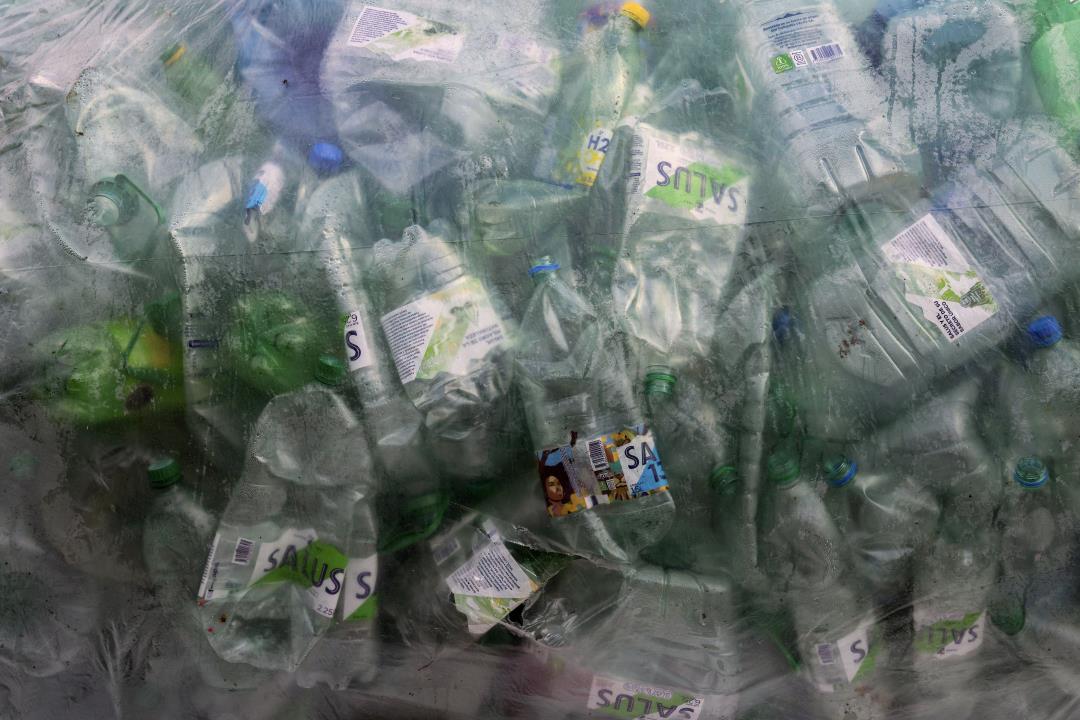
Plastic Industry Deception: The Truth About Recycling

A new study suggests that big businesses have known for decades that recycling plastic is not effective, despite promoting it as a solution to environmental issues. The report highlights how the oil and plastic industries have misled the public about the effectiveness of recycling, leading to a false sense of accomplishment and hindering efforts to address the environmental impact of plastic waste.

environment1 year ago

Plastics Industry's Decades-Long Deception on Recycling Exposed

A new report reveals that plastic producers have known for over 30 years that recycling is not a viable solution for plastic waste management, yet they have continued to promote it. The report, published by the Center for Climate Integrity, exposes internal documents and industry statements showing that the promotion of recycling was deceptive. The report suggests that the industry may have violated laws and misled the public about the effectiveness of recycling. As the plastic industry faces growing public scrutiny and legal action, advocates are calling for accountability and a shift in business practices to address the environmental impact of plastic production and disposal.

consumer-safety1 year ago

"Massive Frigidaire Refrigerator Recall Over Choking and Laceration Hazards"

Frigidaire is recalling nearly 400,000 side-by-side refrigerators sold between 2015 and 2019 due to a potential choking and cutting hazard caused by plastic pieces breaking off into the ice bucket. The recall comes after 343 reports of plastic breaking off and two reports of consumers being cut or hurt after ingesting it. The affected refrigerators were sold at stores like Home Depot and Lowe’s, and on Frigidaire.com for between $1,400 and $2,400. Model numbers and details of the recall are provided, and this follows previous recalls of washer-dryer units and GE refrigerators for safety concerns.

health1 year ago

"Plastics and Preterm Births: The Link You Need to Know"

A new study published in Lancet Planetary Health suggests that phthalates, synthetic chemicals found in plastics, may be linked to tens of thousands of premature births in the U.S. each year, leading to significant lifetime medical costs. Exposure to these chemicals has been associated with hormone disruption and various health concerns. The study found that phthalate exposure was associated with lower gestational age and increased risk of premature birth, particularly with certain types of phthalates used as replacements for DEHP. The findings highlight the need for regulating phthalates as a class and suggest reducing the use of plastic whenever possible to mitigate health risks.

technology1 year ago

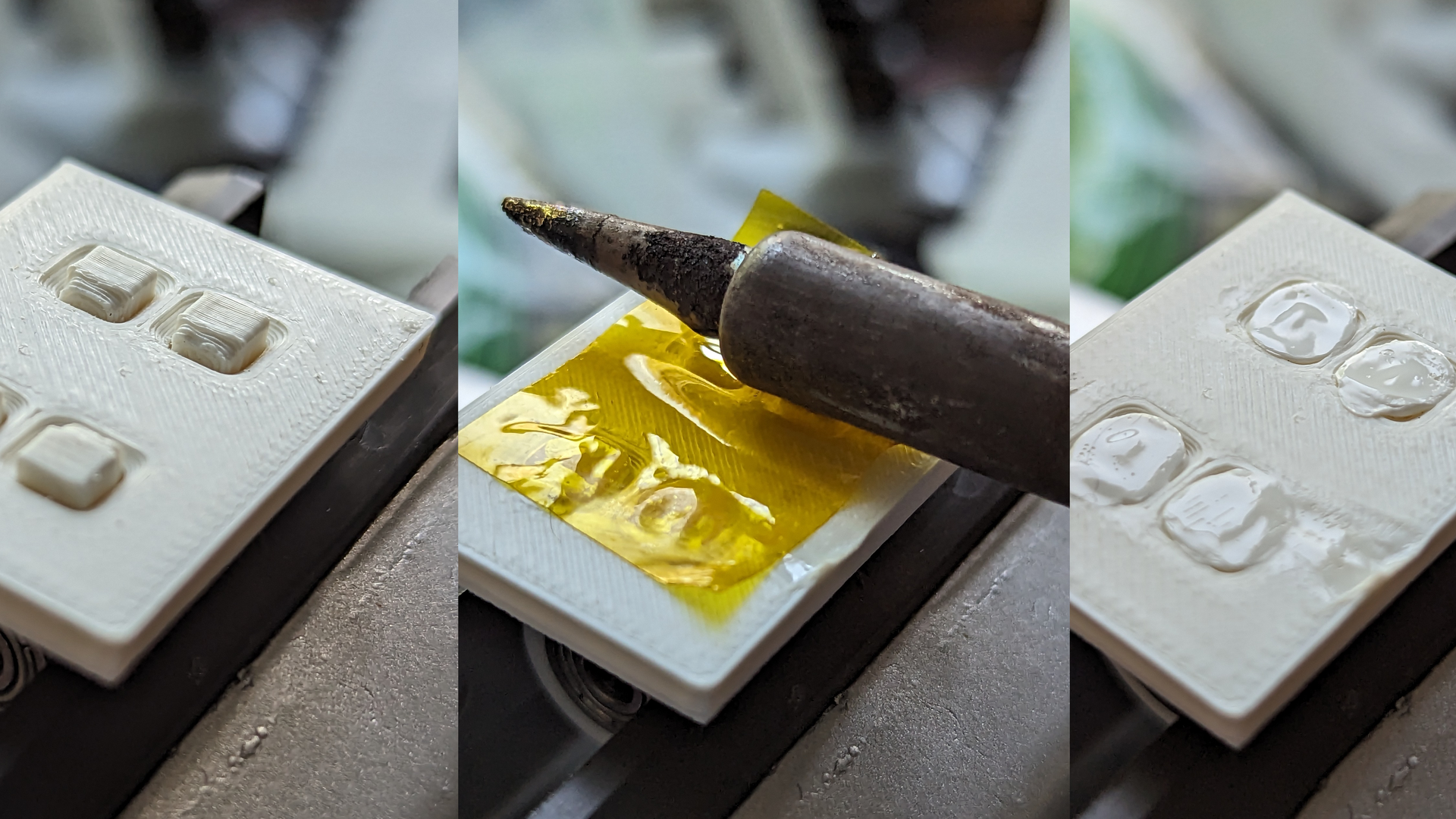
"Mastering 3D Printed Joinery with Heat Staking"

When 3D printing parts as a single piece isn't feasible, heat-staking offers a solution for joining plastic components together. This technique involves using a soldering iron and pressure to soften and spread out the plastic, creating a strong joint without the need for additional hardware. Heat-staking allows for optimized layer lines in each aspect of a part and could be a valuable technique to consider in certain applications.

health-environment2 years ago

"The Health Care Costs of Plastic Chemicals"

Chemical additives in plastics, such as BPAs and phthalates, are estimated to have cost $249 billion in health care in 2018 alone, with connections to various health issues including cancer, diabetes, obesity, fertility problems, and child brain development. The study highlights the impact of endocrine-disrupting chemicals used in plastics and emphasizes that the financial estimate does not fully capture the overall health costs associated with plastic exposure and pollution.

environment2 years ago

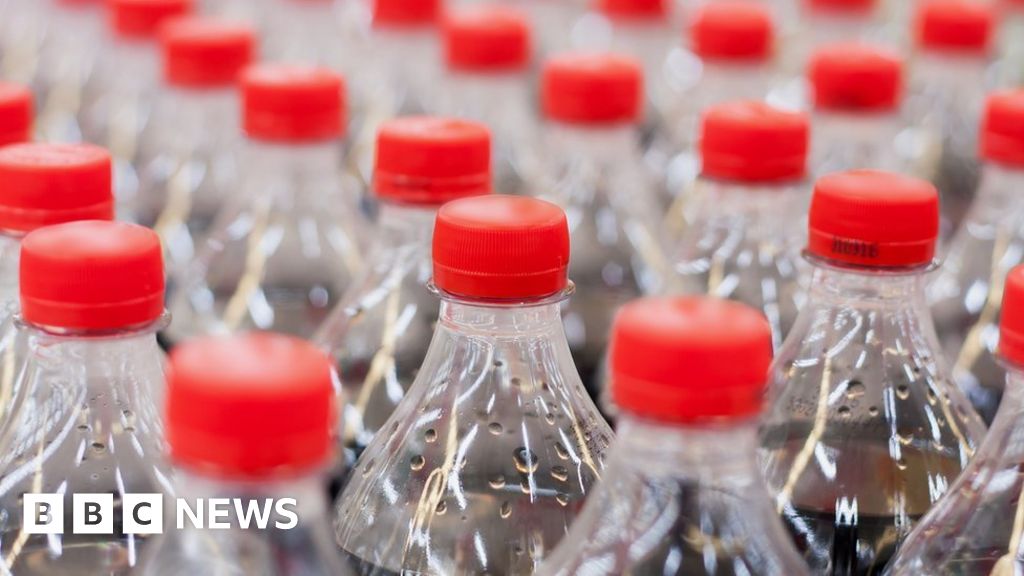
"Coca-Cola's Innovative Solution: Turning CO2 Emissions into Bottle Tops to Combat the Climate Crisis"

Coca-Cola plans to fund a three-year trial at Swansea University to develop bottle tops made from carbon dioxide (CO2) captured from the atmosphere or factory emissions. The company aims to reduce its carbon footprint and move away from fossil fuels by using CO2 as a resource to produce a key ingredient for plastics. The process involves passing an electric charge through a mixture of CO2 and water to produce ethylene, a component used in flexible plastics. Coca-Cola's goal is to achieve net zero emissions by 2040 and explore innovative technologies to reduce its environmental impact.

business2 years ago

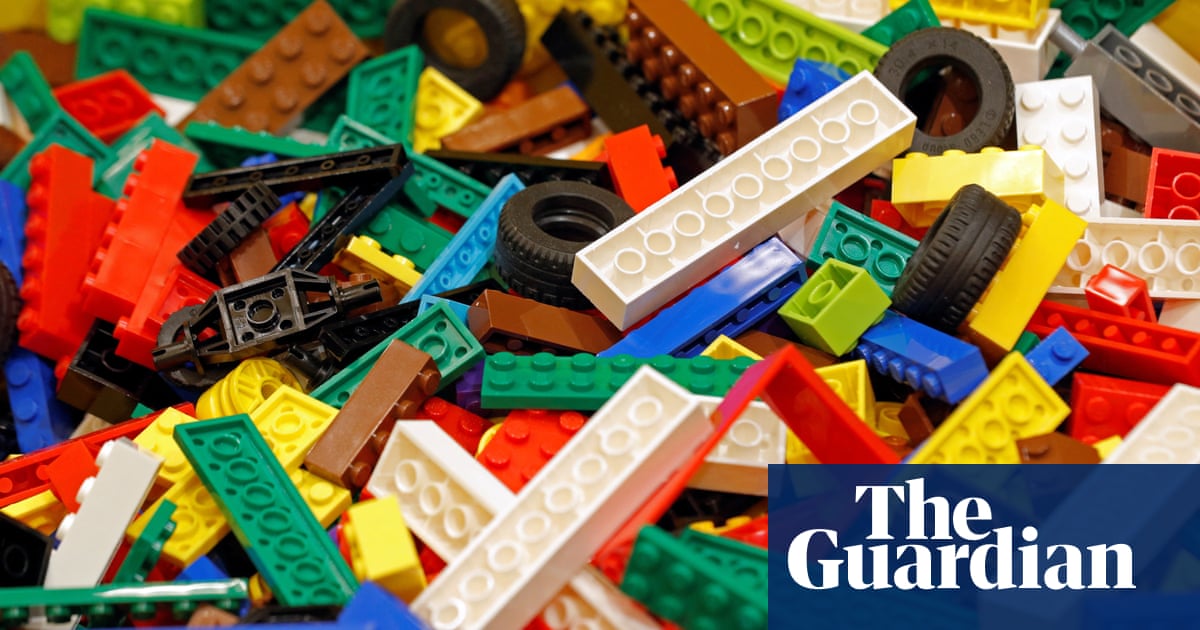
Lego Drops Plan to Make Oil-Free Bricks from Recycled Bottles

Lego has abandoned its plans to produce bricks made from recycled bottles, as the company found that using the new material did not reduce carbon emissions. The toy giant remains committed to making bricks from sustainable materials and is currently testing and developing alternatives. Lego has been exploring alternative materials to plastic in order to improve its green credentials, but finding a durable material that can last for generations has proven challenging. The company has invested over $1.2 billion in sustainability initiatives and aims to reduce its carbon emissions by 37% by 2032.

environment2 years ago

Lego Ditches Recycled Plastic Bottle Bricks

Lego has abandoned its project to make bricks from recycled plastic bottles, citing higher carbon emissions over the product's lifetime. The Danish toymaker had been researching a potential transition to recycled PET from ABS, the material used in about 80% of Lego blocks. However, the non-oil-based material required additional ingredients for durability and greater energy for processing and drying, resulting in a higher carbon footprint. Instead, Lego plans to make each part of ABS more sustainable by incorporating more bio-based and recycled material, while tripling spending on sustainability to $3bn a year by 2025.

environment2 years ago

Lego's Shift to Oil-Free Bricks Derailed, Financial Times Reports

Lego has abandoned its plans to replace oil-based plastics in its bricks with a more sustainable alternative after finding that the new material would result in higher carbon emissions. The company had been testing hundreds of materials, including recycled polyethylene terephthalate (RPET), but was unable to find a suitable alternative that would maintain the same color, shine, and sound as the original bricks. Lego had previously pledged to transition to sustainable materials by the end of the decade.