Tag

Chemical Additives

All articles tagged with #chemical additives

"The Health Care Costs of Plastic Chemicals"
health-environment2 years ago

"The Health Care Costs of Plastic Chemicals"

Chemical additives in plastics, such as BPAs and phthalates, are estimated to have cost $249 billion in health care in 2018 alone, with connections to various health issues including cancer, diabetes, obesity, fertility problems, and child brain development. The study highlights the impact of endocrine-disrupting chemicals used in plastics and emphasizes that the financial estimate does not fully capture the overall health costs associated with plastic exposure and pollution.
Toxicity Levels in Common Plastic Products Leave Researchers Astonished
environment2 years ago

Toxicity Levels in Common Plastic Products Leave Researchers Astonished

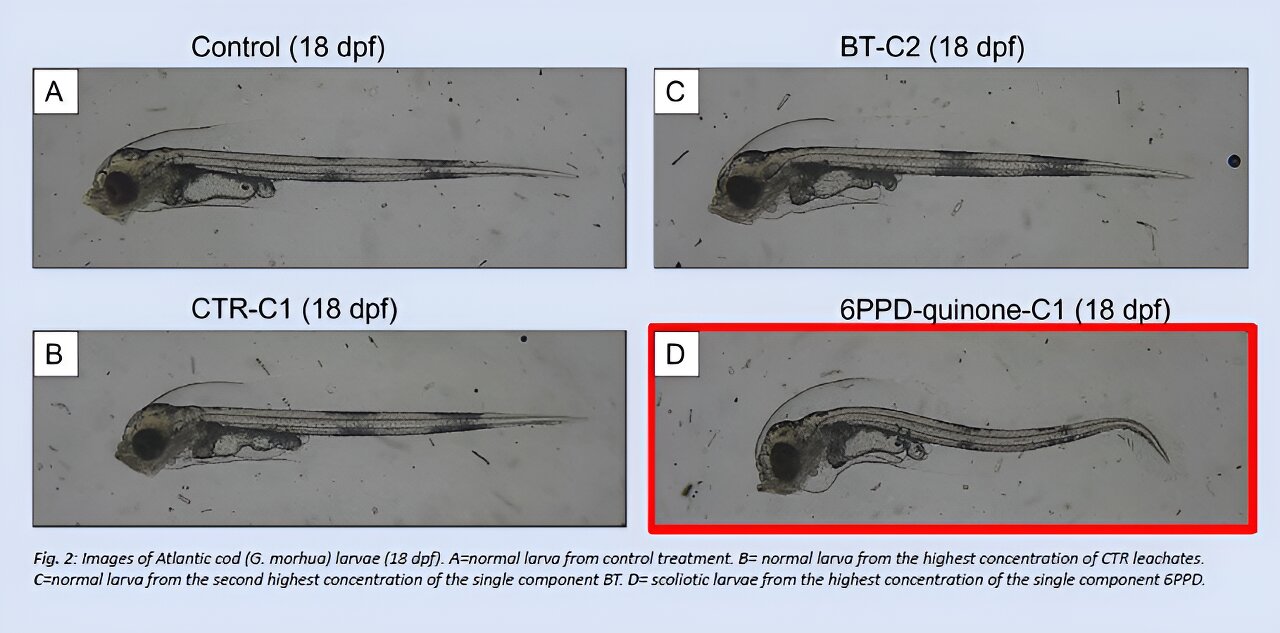
Researchers have found that chemical additives in standard plastic products, including rubber, can leach out into the marine environment and have toxic effects on marine organisms. The study examined 50 everyday plastic items and discovered a wide range of chemicals, many of which were unidentified. Rubber products, such as dishwashing gloves, were found to be particularly toxic. The researchers also exposed cod embryos and larvae to microplastic particles and the chemicals, finding that the chemicals were essential in producing toxic effects. The study highlights the need to reduce plastic use and raises concerns about the potential impact on human health.

California's New Laws: Skittles Safe, Chemicals Banned, Emissions Disclosed
health-and-safety2 years ago

California's New Laws: Skittles Safe, Chemicals Banned, Emissions Disclosed

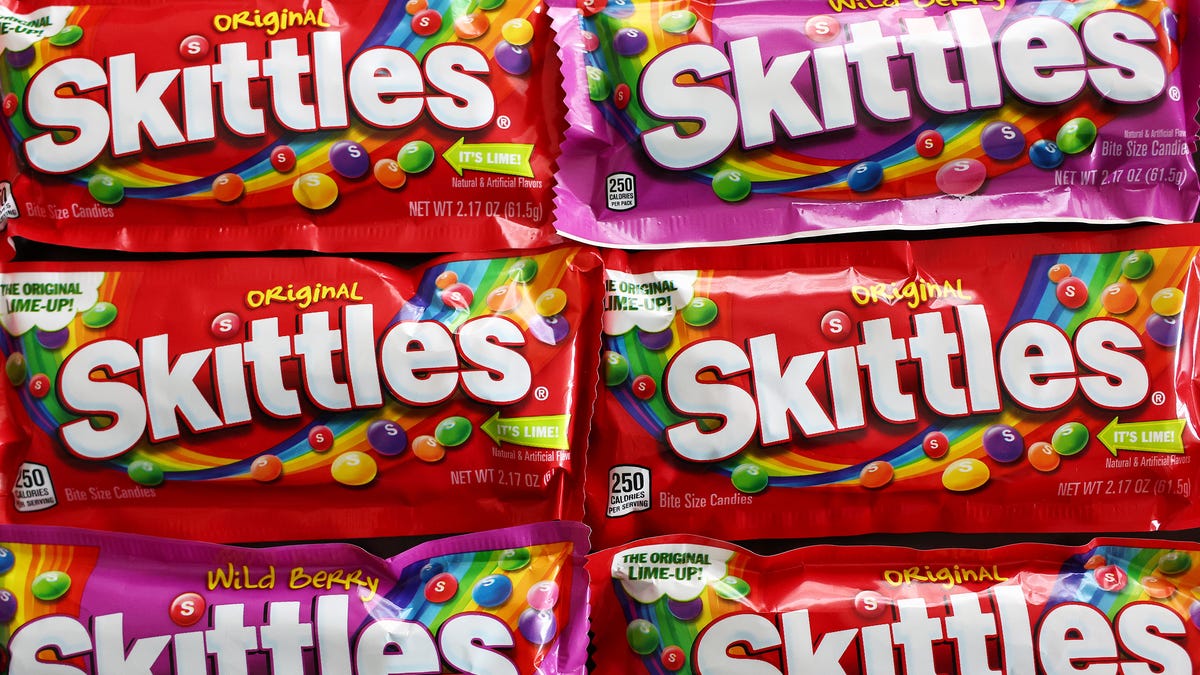
California has become the first state to ban the use of four food additives commonly found in thousands of products across the United States, including cereals, sodas, and candies. The law, misleadingly known as the "Skittles ban," prohibits the manufacture, sale, or distribution of brominated vegetable oil, potassium bromate, propylparaben, and Red Dye 3. These chemicals, which have never been approved for consumption by the FDA, have been linked to health concerns. The law will take effect in 2027, giving companies time to revise their recipes. Other states, including New York, are considering similar bans. European regulators have already banned these additives.

California Takes Bold Steps to Protect Public Health and Environment
health2 years ago

California Takes Bold Steps to Protect Public Health and Environment

California has become the first state to ban four chemicals used in popular candies, baked goods, and beverages due to their link to health problems, including cancer. The banned chemicals include red dye No. 3, brominated vegetable oil, potassium bromate, and propylparaben. These additives are already banned in various other countries and the European Union. The law, which doesn't take effect until 2027, aims to protect children and families from toxic chemicals in the food supply. Governor Gavin Newsom also vetoed a bill that would have decriminalized the possession and personal use of hallucinogens, including psychedelic mushrooms, stating that more research is needed.

California Governor Signs Laws Targeting Chemical Additives and Emissions Disclosure
health2 years ago

California Governor Signs Laws Targeting Chemical Additives and Emissions Disclosure

California Governor Gavin Newsom has signed a bill into law that bans certain chemical additives used in popular candies and processed foods. The law, known as AB 418 or The California Food Safety Act, prohibits the use of Red Dye No. 3, potassium bromate, brominated vegetable oil, and propylparaben in food products. The bill, authored by Assemblyman Jesse Gabriel, aims to protect public health by aligning with scientific research that links these additives to cancer, reproductive issues, and developmental problems in children. Major brands and manufacturers have already voluntarily stopped using these additives due to health concerns. The ban will take effect in 2027, allowing companies time to adjust their formulas.