Major corporations largely stayed silent in the legal challenge against tariffs imposed by the Trump administration, citing concerns over internal decision-making and the need for clarity and consistency in trade laws. Critics argue the tariffs threaten broader national interests and set dangerous precedents for executive power, but few companies publicly opposed them due to fear of repercussions or internal disagreements.
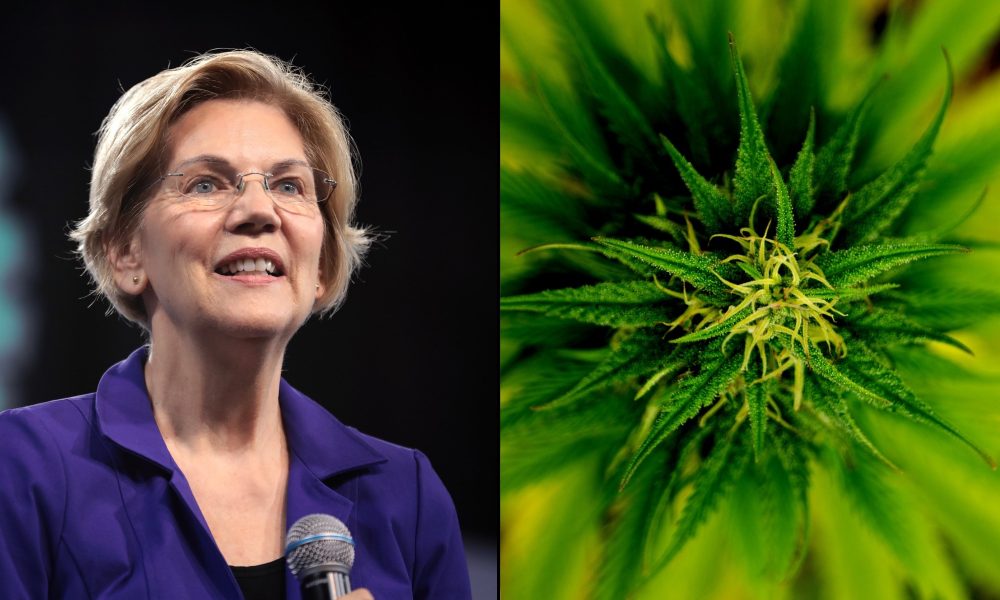
At an anti-monopoly cannabis event, Sen. Elizabeth Warren emphasized the need to legalize marijuana in a way that prevents domination by big businesses like Amazon and Big Tobacco, and addresses the century of racist policies under prohibition. She stressed the importance of prioritizing small businesses and communities most harmed by the war on drugs to ensure fairness and competition in the emerging cannabis industry.
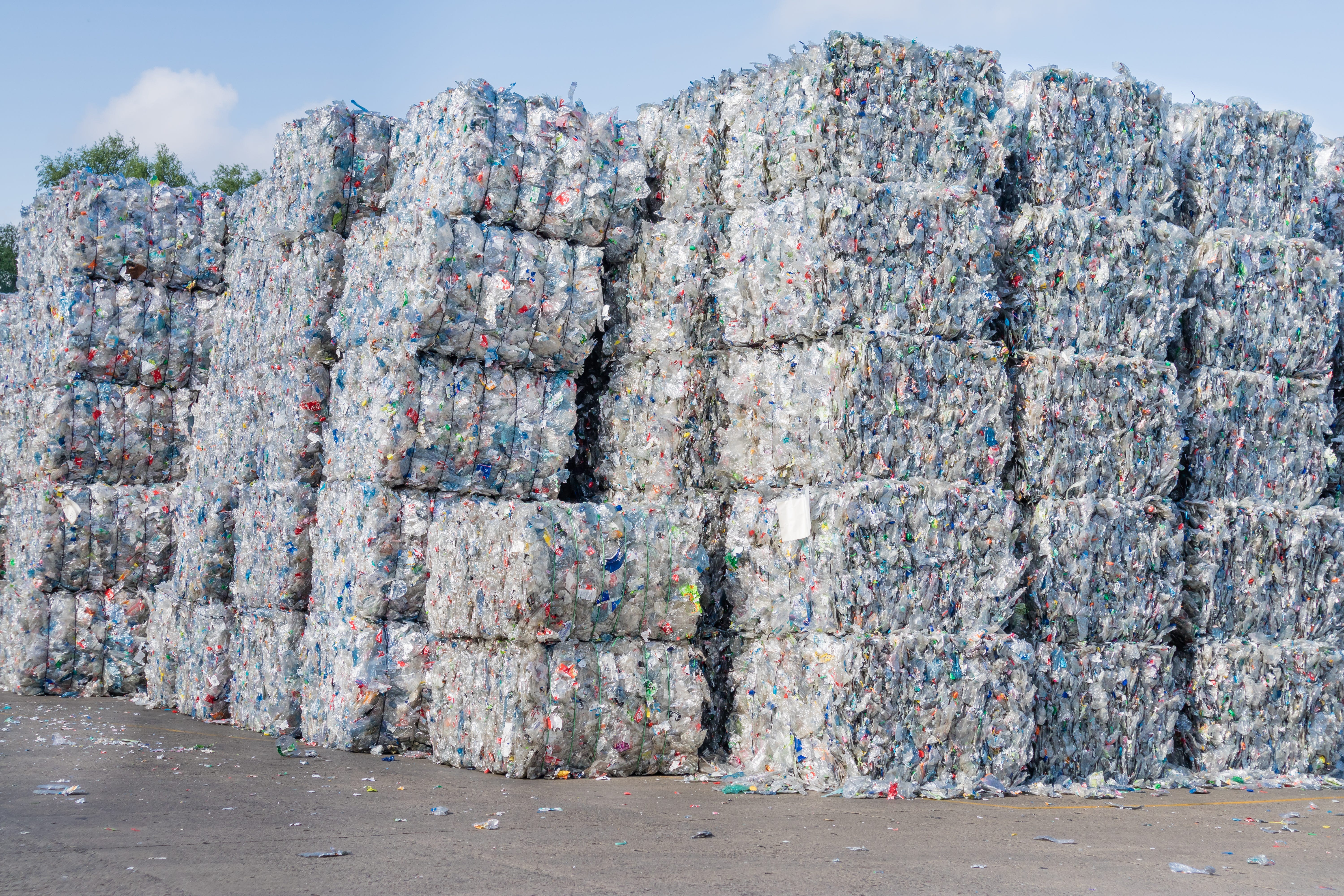
A new study suggests that big businesses have known for decades that recycling plastic is not effective, despite promoting it as a solution to environmental issues. The report highlights how the oil and plastic industries have misled the public about the effectiveness of recycling, leading to a false sense of accomplishment and hindering efforts to address the environmental impact of plastic waste.
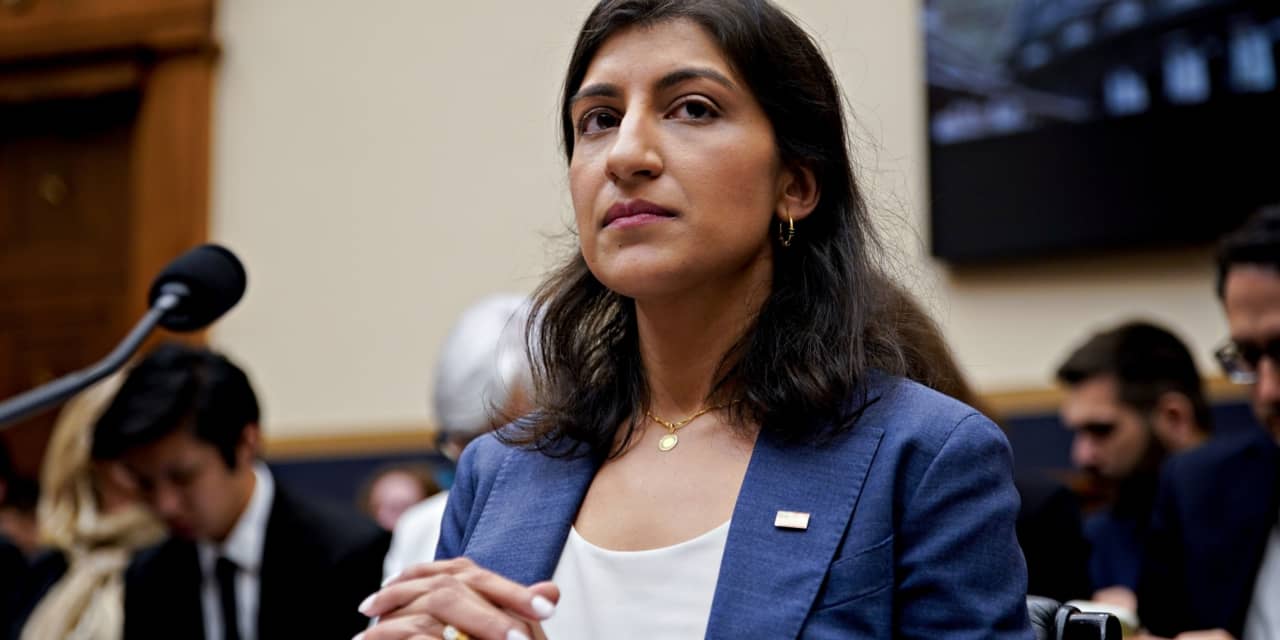
The Federal Trade Commission's (FTC) new merger review has sparked controversy and opposition from big business, leading to criticism of FTC Chairwoman Lina Khan. The Biden administration's antitrust regulators have clashed with major companies, causing tension in the industry.
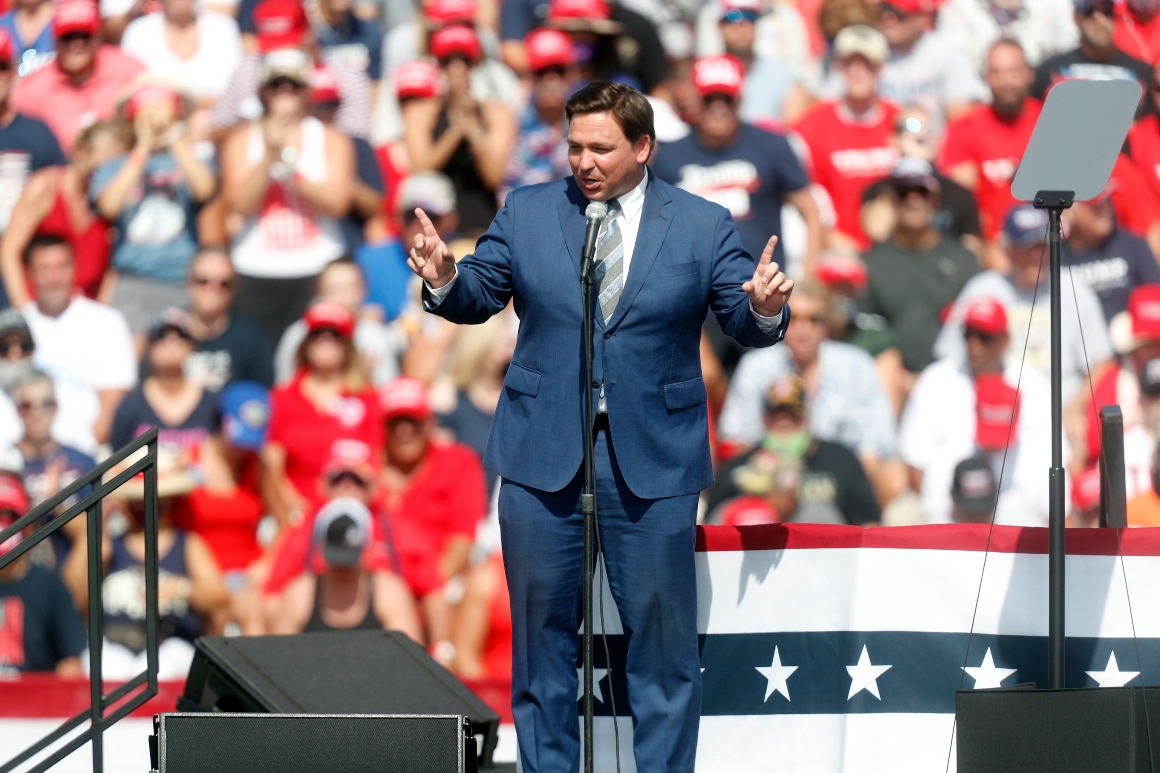
Florida Governor Ron DeSantis has a history of picking fights with major corporations, including Walt Disney Co., Norwegian Cruise Line, and U.S. Sugar. DeSantis has also taken on tech companies, signing a law that bans social media companies from censoring political candidates. His populist streak and willingness to push policies that lead to brawls with big business are quickly reshaping the relationship between the GOP and corporate America.