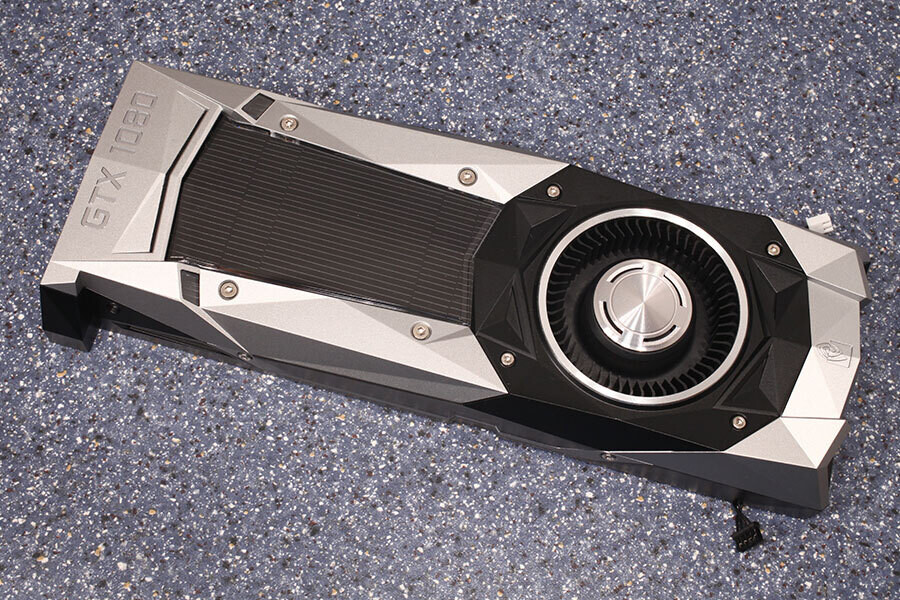
Arch Linux has dropped support for NVIDIA Pascal and older GPUs with the upgrade to driver version 590, focusing support on newer hardware while providing workarounds for older GPUs through community packages.
Linux 6.19-rc2, the second release candidate for the upcoming Linux 6.19 kernel, has been released with minor bug fixes, driver updates, and support for new hardware, including Seagate Barracuda drives and a guitar controller. The release is part of the usual quiet phase before the stable release expected in early February, with most changes focusing on drivers, architecture, and filesystem improvements.
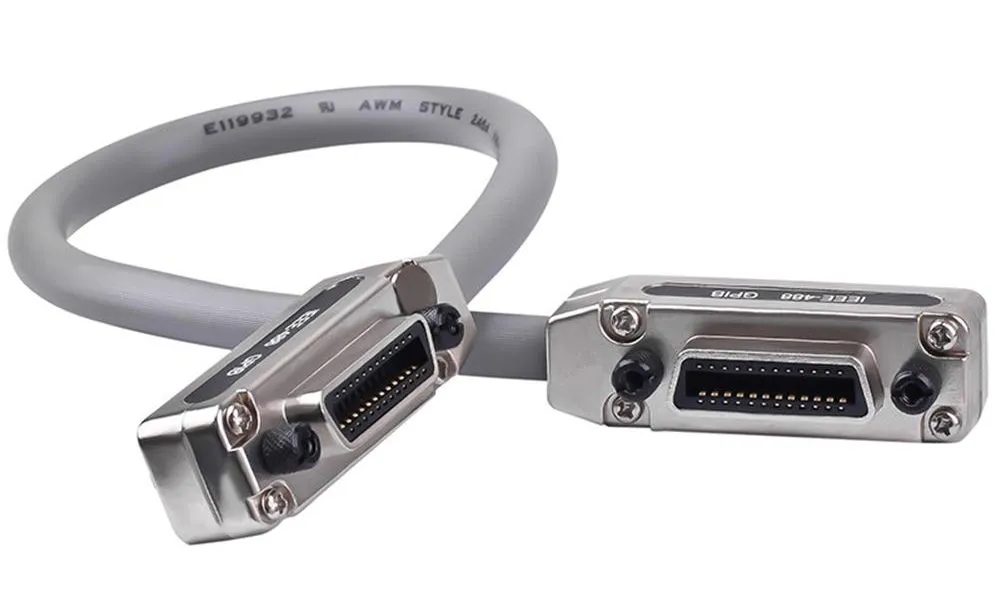
Linux kernel 6.19 now includes stable support for GPIB (IEEE 488), a long-standing interface bus used in laboratory and microcomputer equipment since the 1970s, making it easier to connect and communicate with legacy and modern devices using this protocol.
Linux 6.19 introduces significant driver updates to enhance support for laptops and gaming handhelds, including new drivers for Uniwill laptops, support for ASUS ROG, Lenovo Legion, and Ayaneo devices, along with features like rapid charging and power management improvements.
The FSFLA has released GNU Linux-libre 6.7-gnu, a downstream version of the Linux 6.7 kernel that removes non-free microcode/firmware blob support and other non-free elements. The release includes updates and clean-ups for various graphics drivers and hardware support, and can be downloaded from FSFLA.org.
The QLogic 10Gb Ethernet driver, QLGE, is set to be removed from the Linux kernel source tree due to lack of maintenance and no active users. The driver, which has not seen any improvements since January 2021, will be deleted unless users of QLogic 10Gb Ethernet hardware express their need for it. This removal will lighten the Linux kernel source tree by 10.8k lines of code.
Unplugging Logitech USB receivers has been causing the Linux kernel to crash for several months. The issue has been addressed in the Linux 6.6-rc6 kernel, with a fix that will also be back-ported to existing stable Linux kernel series. Red Hat's Hans de Goede played a significant role in resolving the bug, which involved addressing four time-of-check vs. time-of-use races. Users are advised not to unplug their Logitech USB receivers on recent Linux kernel versions to avoid potential crashes.
The OpenCore Legacy Patcher 1.0.0 has been released, enabling 83 unsupported Mac models to run macOS Sonoma, despite lacking official support. The patcher project allows newer macOS versions to work on older models, expanding the range of features available to users without requiring hardware upgrades. However, the T1 Security Chip found in 2016 and 2017 MacBook Pro models with a Touch Bar is not currently supported. The list of compatible models includes various MacBook, MacBook Air, MacBook Pro, Mac mini, iMac, Mac Pro, and Xserve models from 2007 to 2019.
Linus Torvalds has released the first Release Candidate (RC) milestone for Linux kernel 6.4, which includes new features such as Intel LAM support, user events for tracing, and improved hardware support through new and updated drivers. The final release is expected in late June or early July 2023.