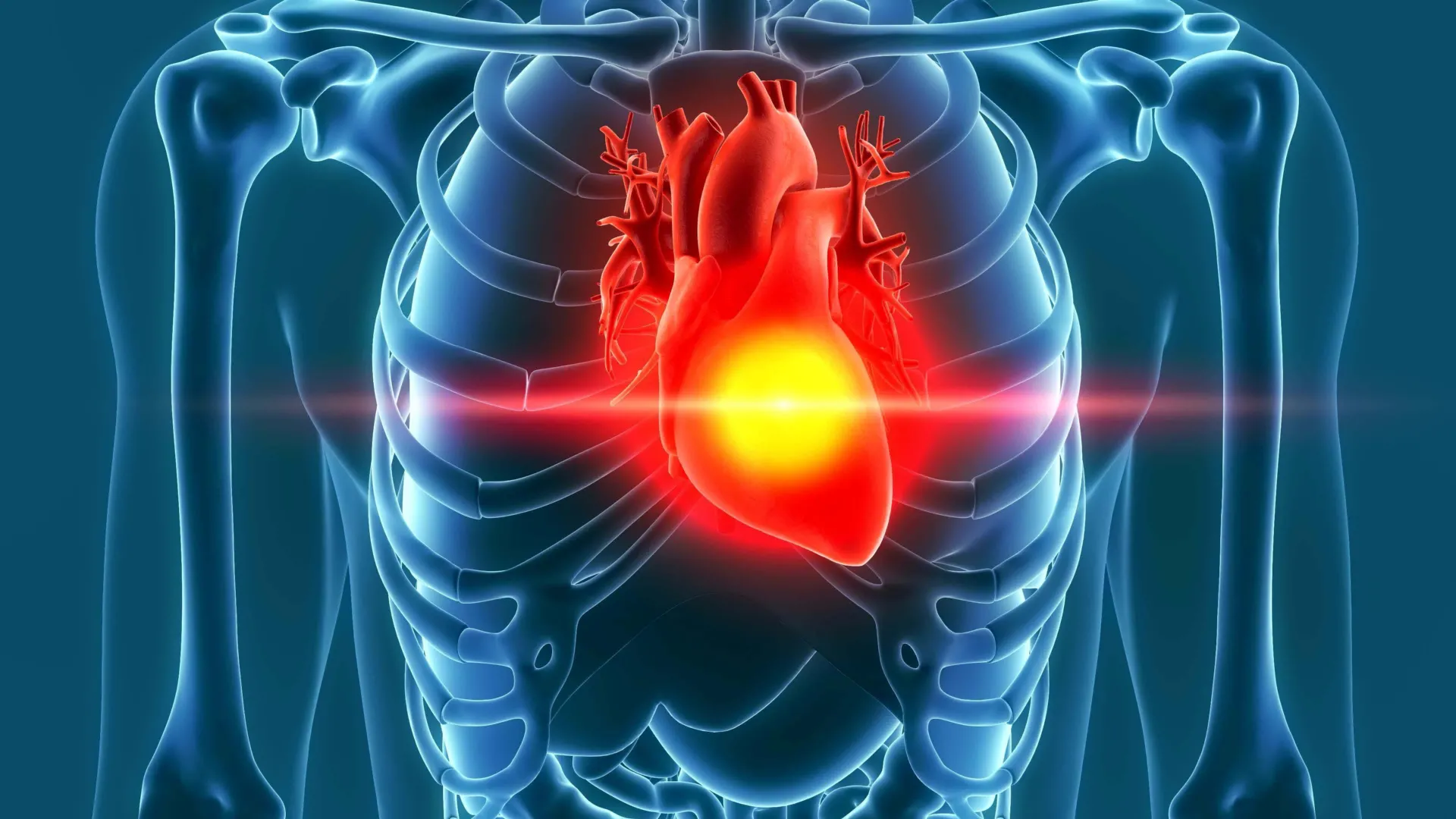
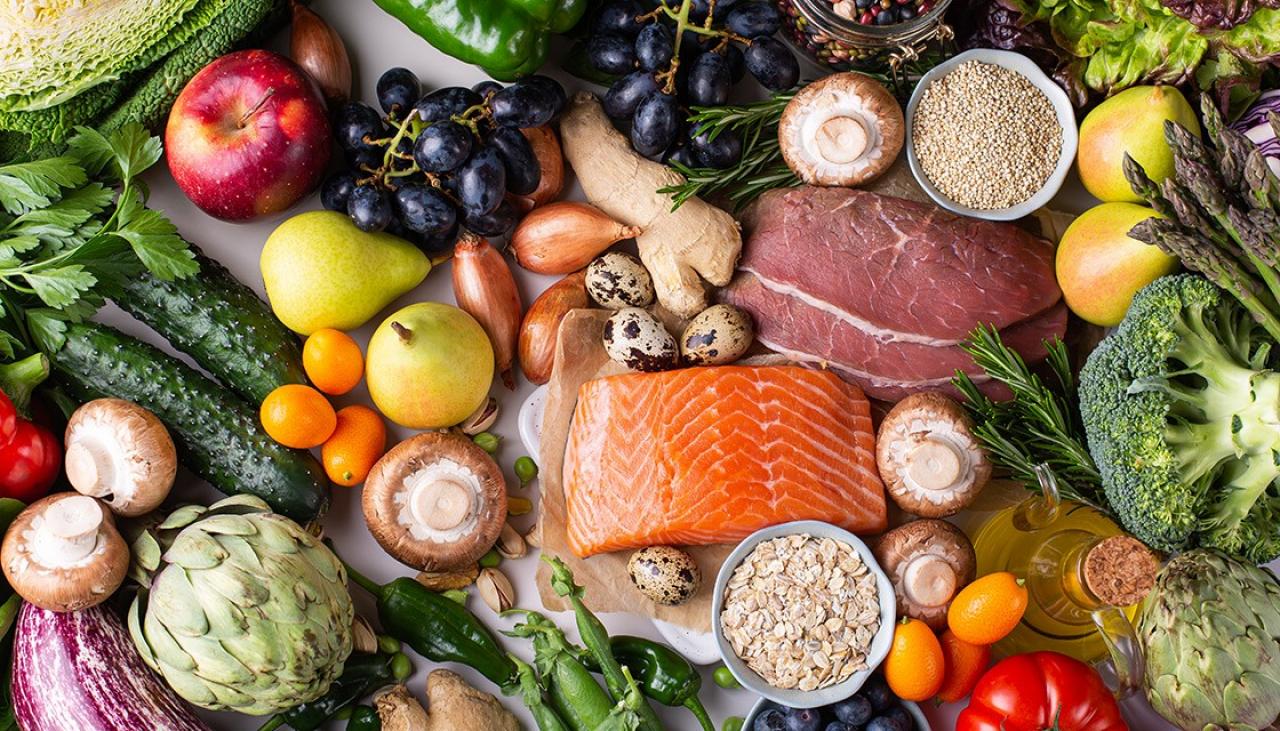
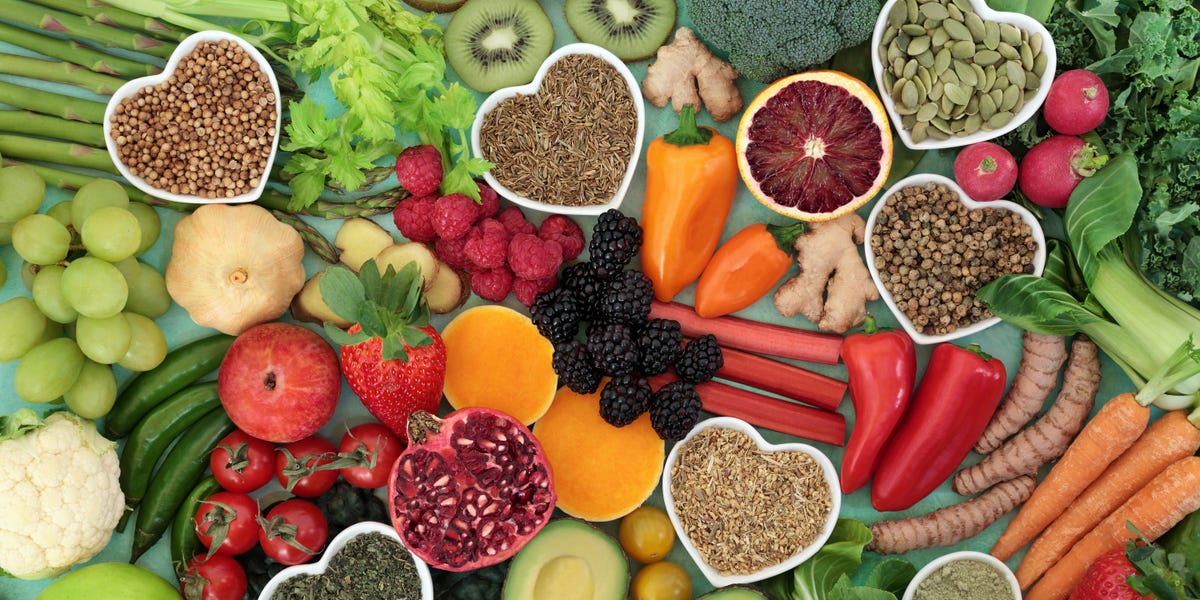
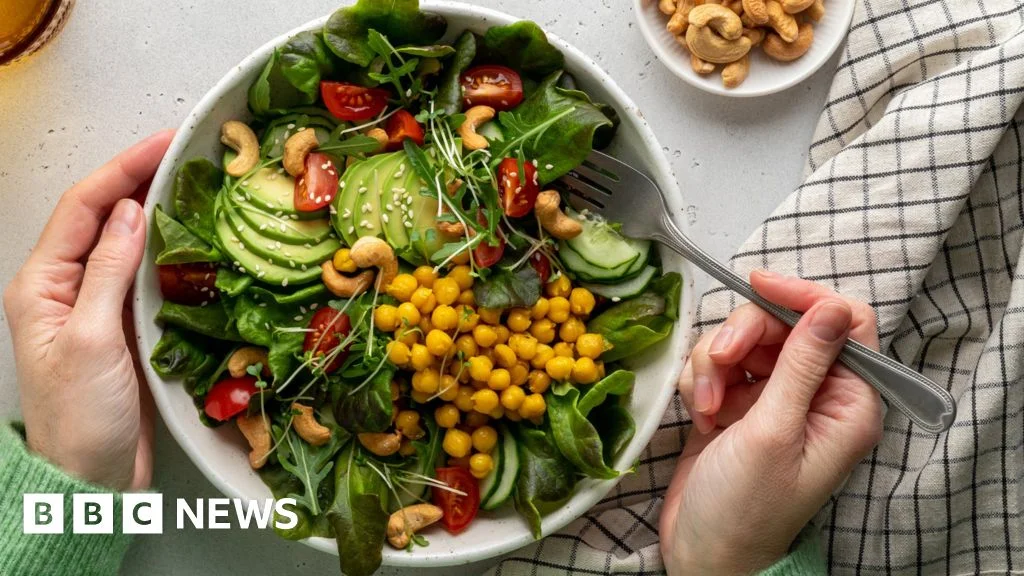
A recent study found that while high-quality, minimally processed plant-based diets can lower heart disease risk, diets high in ultra-processed plant foods may increase it, highlighting the importance of food quality and processing level in dietary choices.
A study published in eClinicalMedicine reveals that vegetarians and vegans tend to consume slightly more ultra-processed foods compared to red meat eaters, with vegetarians consuming 1.3 percentage points more. This trend is attributed to the reliance on meat substitutes and convenience foods, which are often high in additives and unhealthy ingredients. The study emphasizes the importance of focusing on minimally processed foods when transitioning to plant-based diets, as ultra-processed foods can negatively impact health. The findings highlight the complexity of defining ultra-processed foods and the need for balanced dietary choices.
The Mediterranean diet has been named the best overall diet for 2024, topping the list for the seventh consecutive year and also ranking first in several other categories. The DASH and MIND diets followed in second and third place, respectively, with all three emphasizing plant-based eating. The vegan diet was newly evaluated and placed third in the best plant-based diets category. The Mediterranean diet, known for its health benefits, focuses on fruits, vegetables, whole grains, and healthy fats, while the raw food diet ranked last due to its overly restrictive nature. The popular keto diet ranked 25th overall but claimed the top spot in the fast weight-loss category, despite concerns about its long-term sustainability and potential health risks.
Researchers have found that labeling food as "vegan" may deter people from choosing meat and dairy-free options. In an experiment involving over 7,300 participants, food labeled as "healthy and sustainable" was chosen more often (44%) compared to food labeled as "vegan" (20%). This bias against veganism reflects the cultural resistance seen broadly within the wider community. To overcome this, some researchers suggest focusing on flexitarianism, which involves reducing but not eliminating animal products, as a more attainable and sustainable goal. The study highlights the potential of using labels as a low-cost intervention to promote healthy and sustainable food choices.
A study conducted by the University of Southampton has found that 90% of pregnant women from high-income countries are lacking essential nutrients necessary for healthy pregnancies and the well-being of unborn infants. The study warns that this situation could worsen as more people turn to plant-based diets, which are often deficient in key vitamins found in meat and dairy products. The prevalence of vitamin deficiencies among women attempting to conceive in wealthy countries is a serious concern, and the push to reduce meat and dairy consumption for environmental reasons could further deplete expecting mothers of vital nutrients. The study suggests that over-the-counter multivitamins should be recommended to reduce nutrient deficiencies in pregnant women.
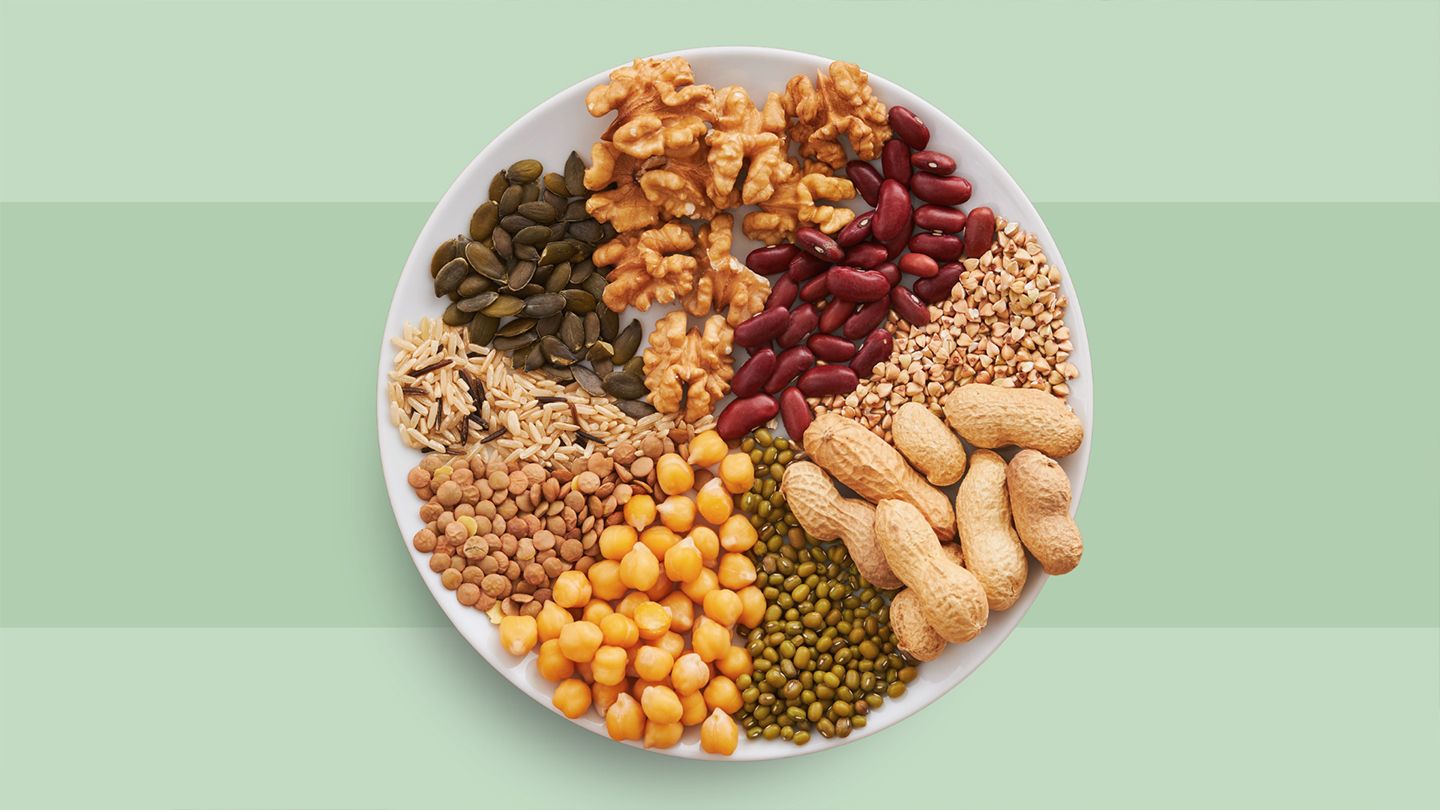
A new study suggests that replacing animal proteins with plant-based options like nuts and legumes is associated with a lower risk of heart disease, type 2 diabetes, and premature death. The study found that swapping out red and processed meats for plant-based alternatives made the biggest impact, with significant reductions in the risk of heart disease and premature death. Plant-based diets rich in fiber, fatty acids, and phytochemicals can help reduce inflammation, improve blood pressure, lower cholesterol, and slow down weight gain. Red meat, in particular, is harmful to cardiovascular health due to its high saturated fat and cholesterol content. Replacing red and processed meats with healthier animal protein sources like poultry and seafood can also be beneficial.
Not all plant-based diets are equal in their potential influence on Parkinson's disease risk, according to European researchers. Analyzing the diets of over 100,000 individuals, the study found that consuming healthy plant-based foods was associated with a significantly reduced risk of Parkinson's disease. However, unhealthy plant-based foods were linked to a higher risk. The study highlights the potential role of dietary modifications in reducing the incidence of neurodegenerative diseases like Parkinson's.
Food writer Alicia Kennedy's new book, "No Meat Required: The Cultural History and Culinary Future of Plant-Based Eating," explores the radical history of plant-based diets and critiques the industrialized food system. Kennedy argues that the present-day plant-based movement has become too focused on an industrialized approach to plant-based meats, risking the reproduction of the same mistakes as the meat industry. She emphasizes the importance of supporting local food systems and rejecting opaque and profit-driven industrialized agriculture. Collaboration and good-faith discussions among different plant-based groups are crucial for moving the conversation forward and achieving a future of sustainable and accessible plant-based food.
A study conducted by Oxford scientists analyzed the dietary data of 55,000 individuals and found that vegans have only 30% of the environmental impact of high-meat eaters. The study considered five key measures: greenhouse gas emissions, land use, water use, water pollution, and biodiversity loss. Even the least sustainable vegan diet was found to be more environmentally friendly than the most sustainable meat eater's diet. The research highlights the significant impact of meat consumption on the planet and emphasizes the need for a transition towards more plant-based diets to reduce the food system's global environmental and health impact.
Many people are not getting enough protein in their diets, especially as they age, which can lead to a loss of muscle mass. For those on plant-based diets, it's important to ensure they are getting enough iron, as many plant-based sources of protein also come with a lot of carbohydrates. Nutritionists recommend aiming for at least 30 grams of protein per meal to maintain muscle mass and prevent falls as you age.
A new meta-analysis of 30 randomized controlled trials published between 1980 and 2022 found that plant-based diets can help decrease levels of cholesterol and fats in the blood and promote heart health. The study found that vegetarian and vegan diets decreased LDL, or bad, cholesterol by 10%, total cholesterol by 7%, and apolipoprotein B by 14%. However, experts note that you don’t need to cut out animal products entirely to reap the heart-healthy benefits—instead, try making small changes toward plant-forward eating, such as opting for a maximum of three servings of meat per week and building meals around veggies. The Mediterranean diet, which is not completely meat and dairy-free but focuses on a high intake of plant-based foods as well as unsaturated fats from fish, olive oil, nuts, and seeds, was also found to be beneficial in reducing the risk of cardiovascular disease.
A new study has confirmed that plant-based diets can help decrease levels of cholesterol and fats in the blood and promote heart health. The research team conducted a meta-analysis of 30 randomized controlled trials and found that vegetarian and vegan diets decreased LDL, or bad, cholesterol by 10%, total cholesterol by 7%, and apolipoprotein B by 14%. The findings suggest that the adoption of a plant-based diet could postpone or even eliminate the need for statins. However, it is not necessary to go entirely vegan to reap the heart health benefits of a plant-based diet. Opting for a maximum of three servings of meat per week and incorporating more plant-based habits into daily life can also improve cholesterol levels.
A study published in the European Heart Journal found that vegan and vegetarian diets are linked to lower levels of cholesterol. The study compared the diets of 2,400 people who were omnivores, vegan, or vegetarian and found that those who didn't eat meat had lower levels of cholesterol than those who did. Plant-based diets tend to contain less saturated fat, which contributes to cholesterol levels. However, vegans and vegetarians should make sure they're getting nutrients such as vitamin B12. The study also mentioned the benefits of a Mediterranean diet, which includes high levels of plant-based foods and some unprocessed meat.
A new study suggests that plant-based diets can reduce cholesterol and blood fat levels, thereby decreasing the risk of heart and blood vessel diseases. Vegetarians and vegans experienced a seven-percent reduction in their risk of cardiovascular disease over five years, compared to omnivores. However, this was only a third of the effect of taking statins. Researchers propose that a combination of a plant-based diet and statins could further enhance the benefits.
A review of four decades of data by researchers in Denmark showed that vegetarian and vegan diets cut levels of cholesterol and fats in the blood that increase heart attacks. The effect was equivalent to about a third that of taking daily drugs and was "really substantial". However, experts said meat and dairy had their own health benefits and not all meat-free diets were actually healthy. The studies would have needed to have controlled people's diets for years or decades to see how that change in the blood played out.