Tag

Plankton

All articles tagged with #plankton

science1 year ago

Future Climate Change Threatens Ocean Life with Acidification and Warming

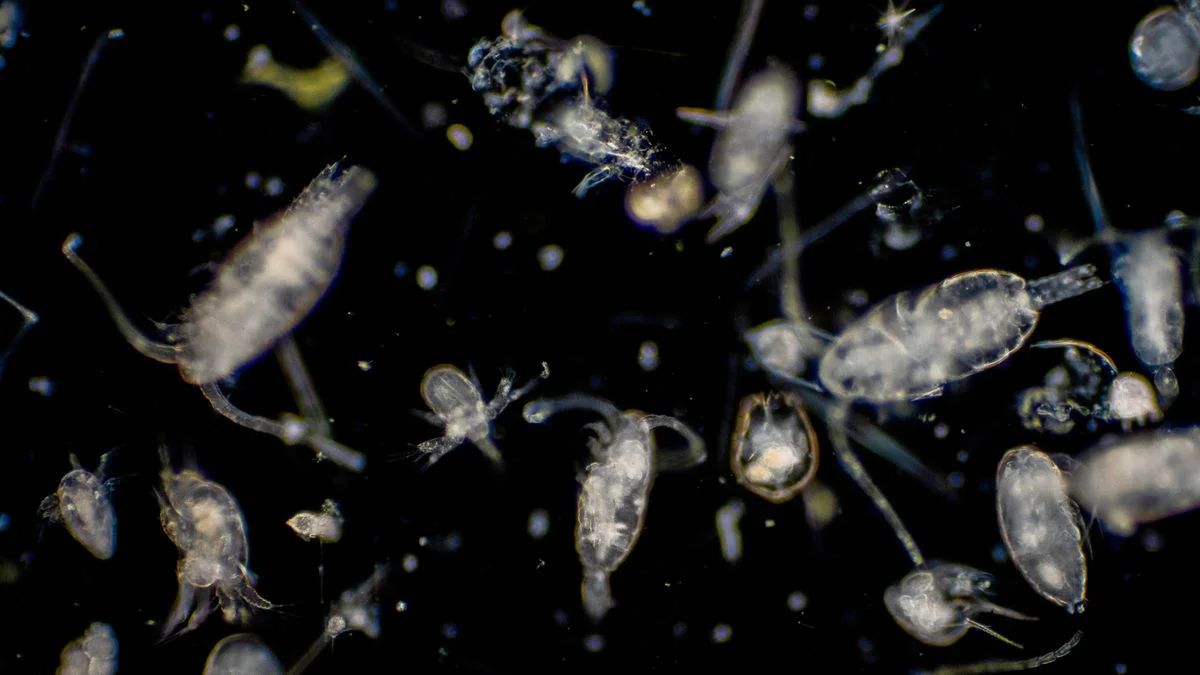
A study by the University of Bristol, published in Nature, warns that marine life, particularly plankton, may struggle to survive future global warming. The research compares ancient plankton responses to past warming with current climate projections, revealing that plankton cannot adapt quickly enough to the rapid temperature rise expected by the century's end. This threatens marine ecosystems and human food supplies, emphasizing the need for urgent global action to limit warming to below 2°C, as outlined in the Paris Agreement.

environment1 year ago

"Bigelow Scientists Discover Rare Climate Resilience in Boothbay"

Researchers from Boothbay-based Bigelow Laboratory have discovered that mixotrophic plankton, which can both photosynthesize and consume prey, are increasing in abundance in the warming Gulf of Maine. This finding suggests that these flexible feeders may be more resilient to climate change, potentially impacting nutrient cycling and the marine food web. The study, based on 60 years of data, highlights the importance of long-term environmental monitoring to understand oceanic changes.

spacescience1 year ago

"NASA's PACE Mission: Observing Earth's Invisible Universe from Space"

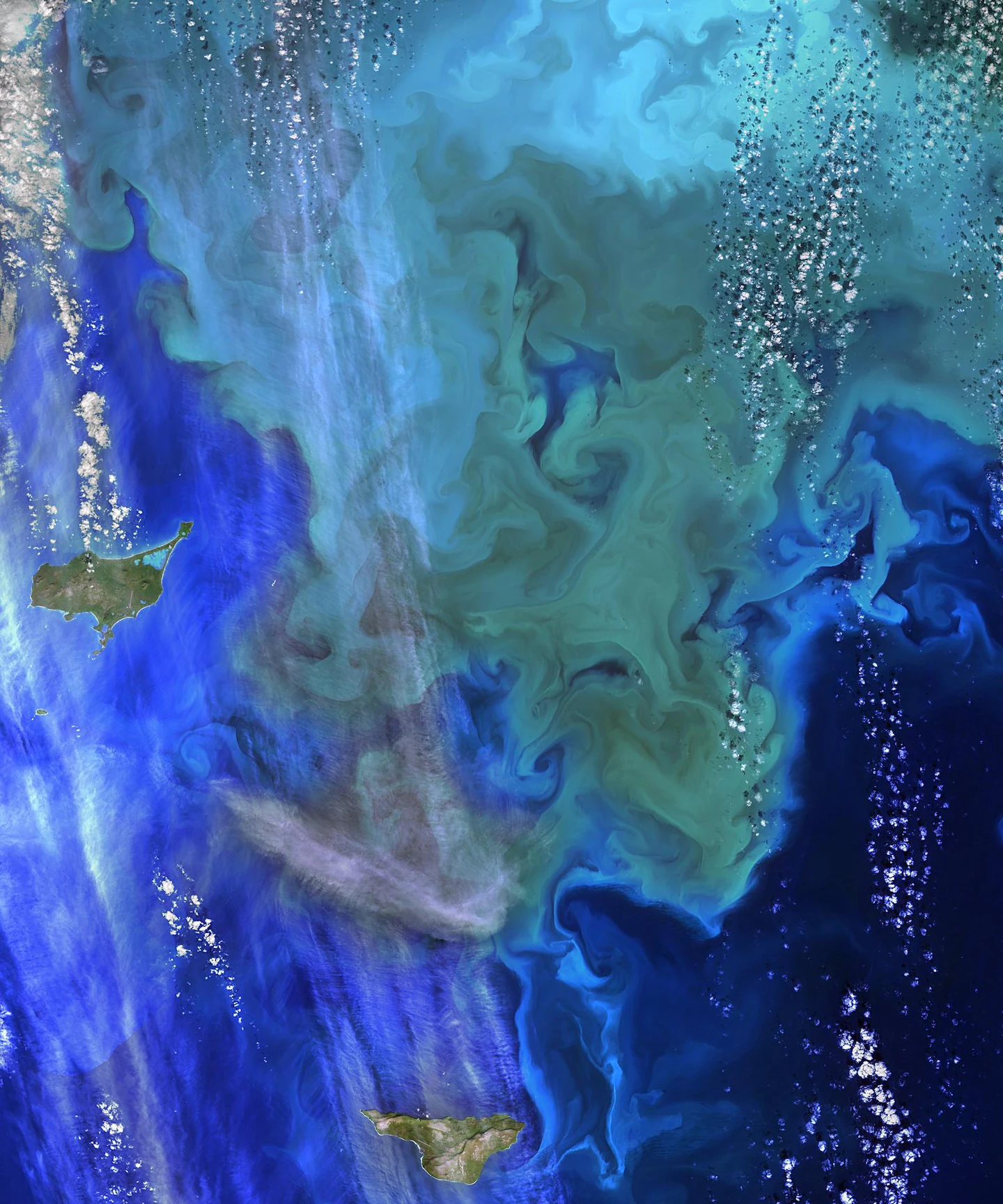
NASA has launched the PACE mission to study microscopic plankton and aerosols from space, aiming to understand their impact on the planet's climate. The mission will use advanced instruments to observe phytoplankton and aerosols, which play crucial roles in ocean ecosystems and atmospheric processes. The data collected will enhance knowledge of the ocean's influence on the climate cycle and aid in improving climate models. Additionally, the research may support potential strategies for carbon dioxide absorption and address concerns related to geoengineering.

science2 years ago

The Origins of Oil: Debunking the Dinosaur Myth

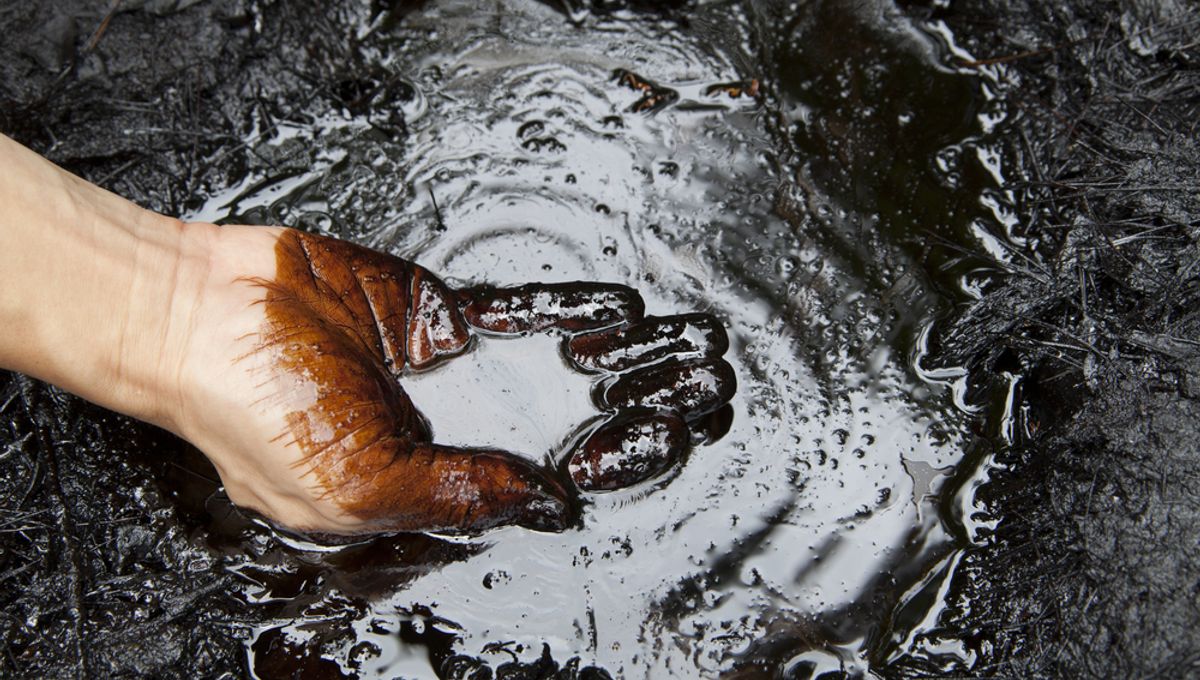
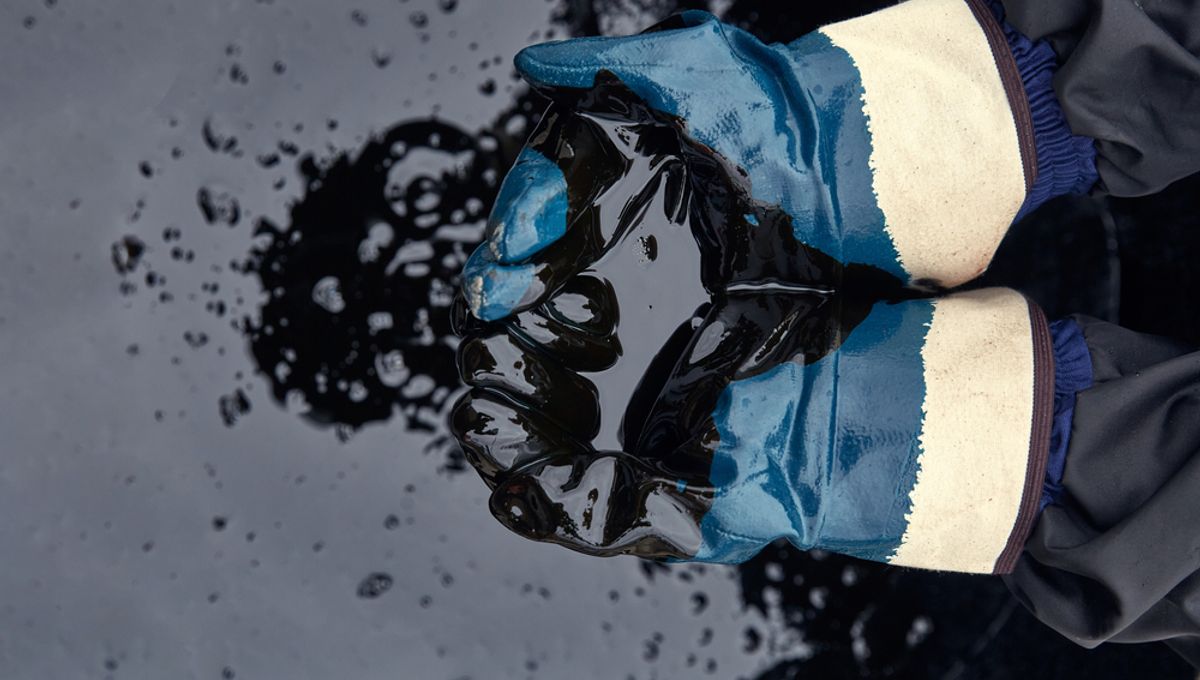
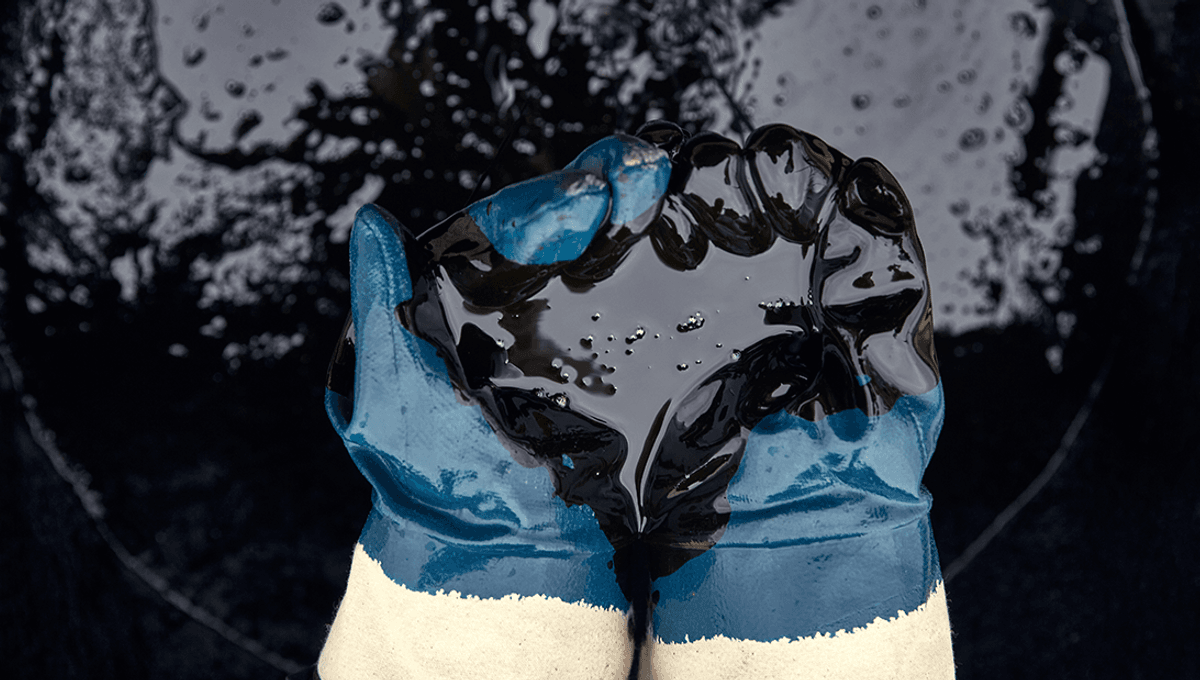
Contrary to popular belief, oil is not made from dinosaurs. Instead, it is formed from the remains of trillions of tiny algae and plankton that died millions of years ago and were buried under layers of sediment. Over time, these organic materials were "cooked" under high pressure and low oxygen conditions, transforming into the sticky black oil we use today. While marine dinosaurs may have ended up at the bottom of the ocean after death, they would not have been converted into oil themselves due to the need for an oxygen-deprived environment.

science-and-technology2 years ago

PlanktoScope: The Ultimate Alternative to Sea Monkeys

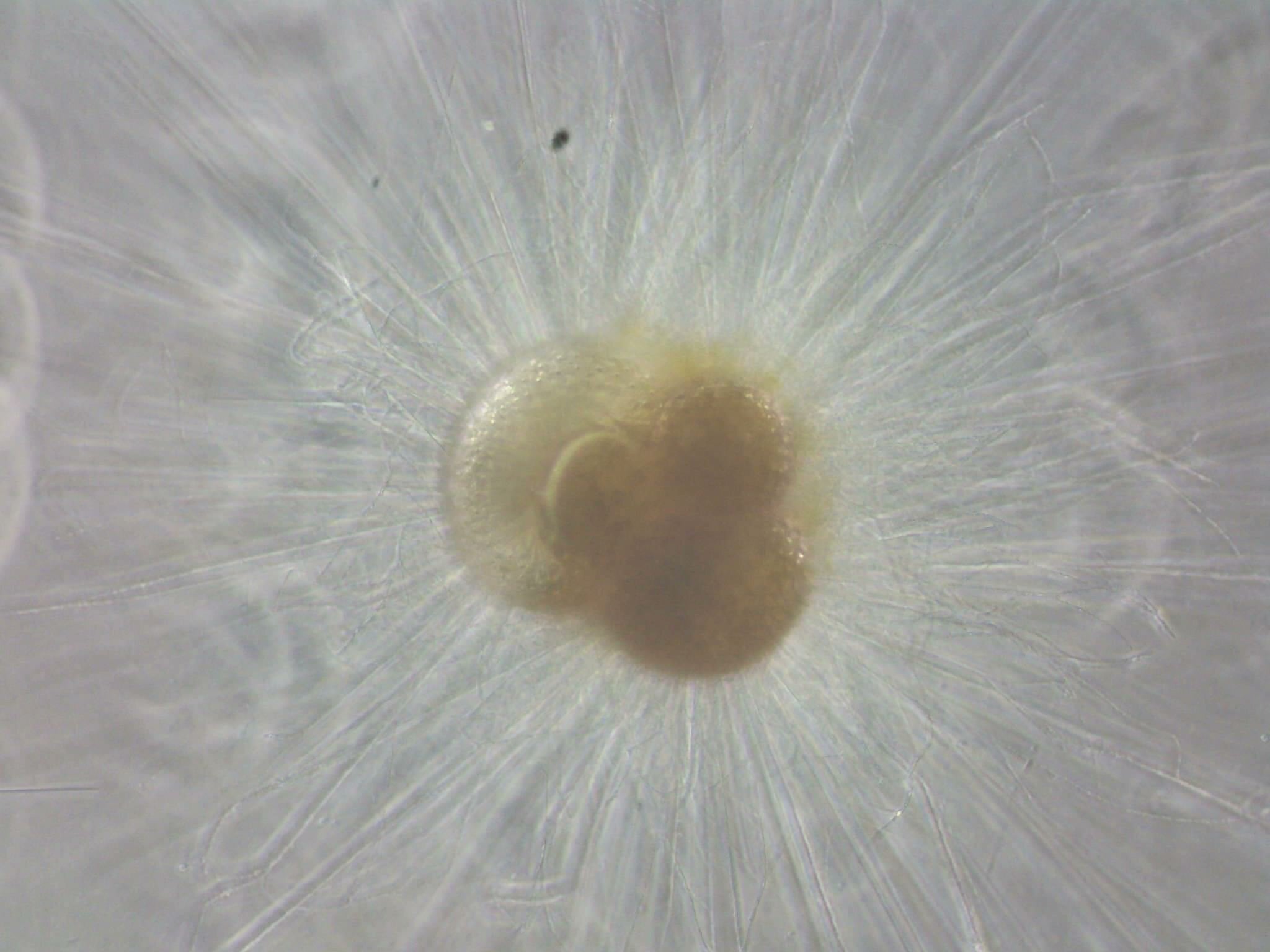
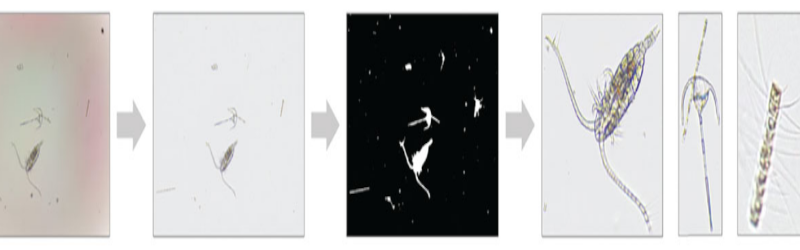
PlanktoScope is an affordable modular quantitative imaging platform for citizen oceanography that uses a software-controlled microscope with a Raspberry Pi as the computing hardware. It allows users to study and analyze plankton, tiny organisms responsible for fixing up to 50% of the world's carbon dioxide and serving as the base of many important food chains. The device can handle samples flowing through, capturing images with a high-resolution image sensor and a field of view of 2,300 microns wide by 1,730 microns high.

science-and-environment2 years ago

The Origins of Oil: Debunking the Dinosaur Myth

Contrary to popular belief, oil is not made from the decomposed bodies of dinosaurs. Instead, it is formed from trillions of tiny algae and plankton that died millions of years ago and sank to the bottom of the sea. Over time, under high pressure and low oxygen conditions, these organic remains turned into oil. Dinosaurs, even if they ended up at the bottom of the ocean, would not have been converted into oil themselves due to the need for an oxygen-deprived environment.

environment2 years ago

Unveiling the Role of Plankton Super Swimmers in the 2020 Red Tide Event

A study led by scientists at UC San Diego's Scripps Institution of Oceanography and Jacobs School of Engineering has revealed how the historic red tide event of 2020 off Southern California was fueled by the exceptional swimming ability of a plankton species called Lingulodinium polyedra. These dinoflagellates were able to create an exceptionally dense bloom due to their vertical migration, swimming upward during the day to photosynthesize and downward at night to access nutrients. The study validates a 50-year-old hypothesis and highlights the importance of understanding phytoplankton behavior and changes in the coastal environment to predict and mitigate harmful algal blooms.

science2 years ago

Unprecedented Viruses Discovered in Global Ocean Plankton

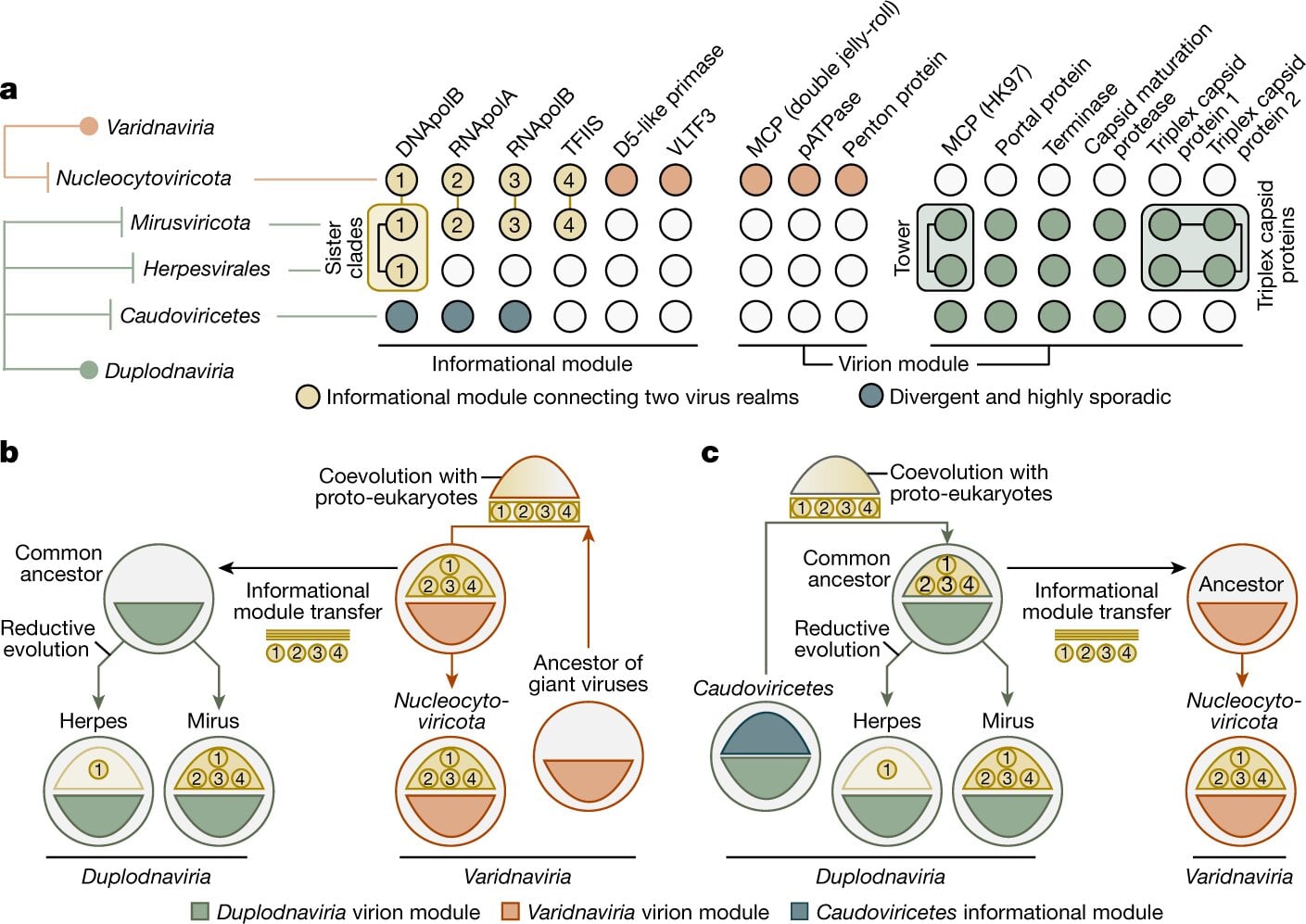
An international team of oceanologists, chemists, and microbiologists has discovered several new viruses that infect plankton in all of the world's oceans. The viruses, named mirusviruses, are double-stranded DNA viruses that help regulate the flow of carbon and other nutrients in the oceans. They belong to the Duplodnaviria virus family and are related to the viruses that cause herpes in humans. The discovery adds to knowledge regarding biodiversity in the world's oceans and may help with better understanding the roots of the virus behind herpes infections.

science2 years ago

Uncovering the Hidden World of Oceanic Viruses and Bacteria.

Scientists have discovered a new group of viruses called mirusviruses that thrive in sunlit oceans and infect plankton. The viruses belong to a large group of viruses called Duplodnaviria, which includes herpesviruses that infect animals and humans. However, the newfound viruses also share a staggering number of genes with a group of giant viruses called Varidnaviria, suggesting that mirusviruses are a hybrid between two distantly related viral lineages. The discovery highlights how little we know about the viruses lurking in Earth's oceans.