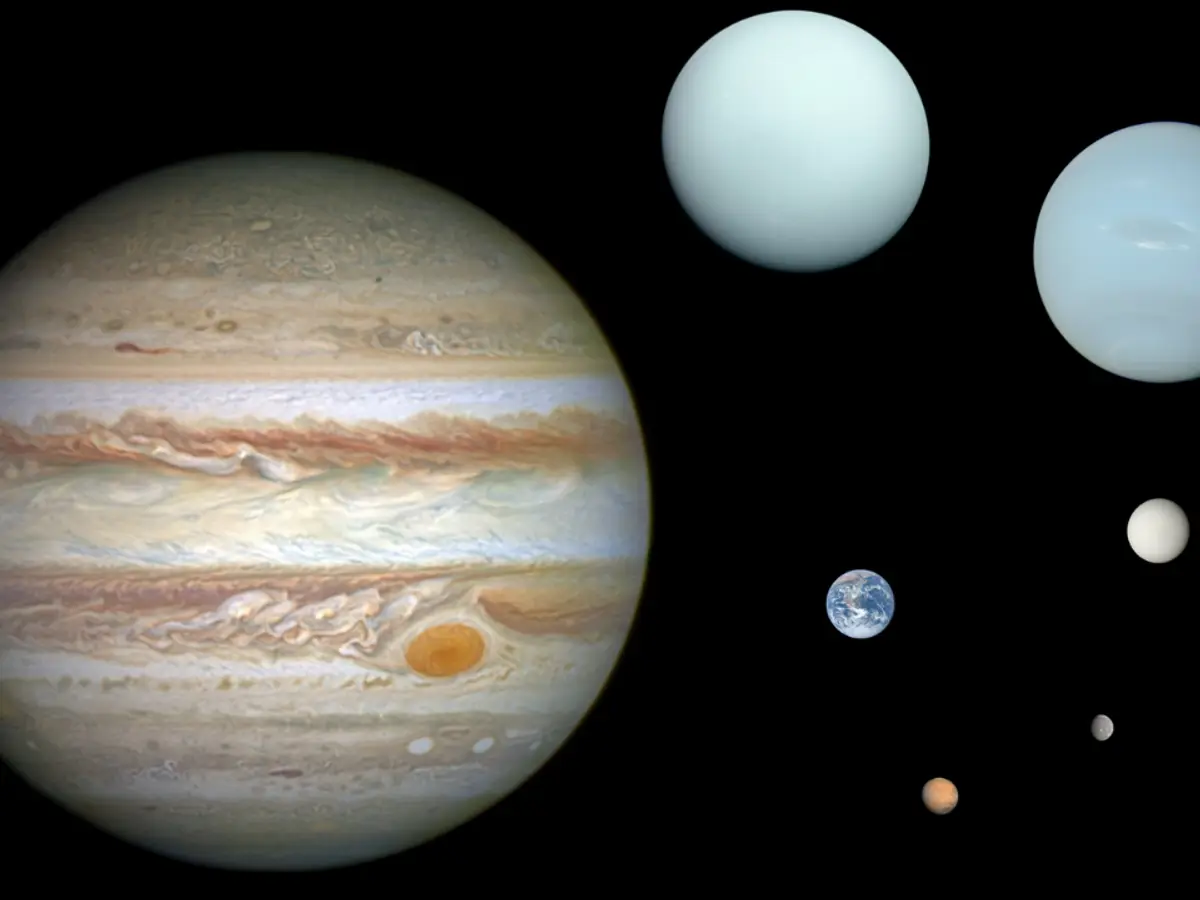
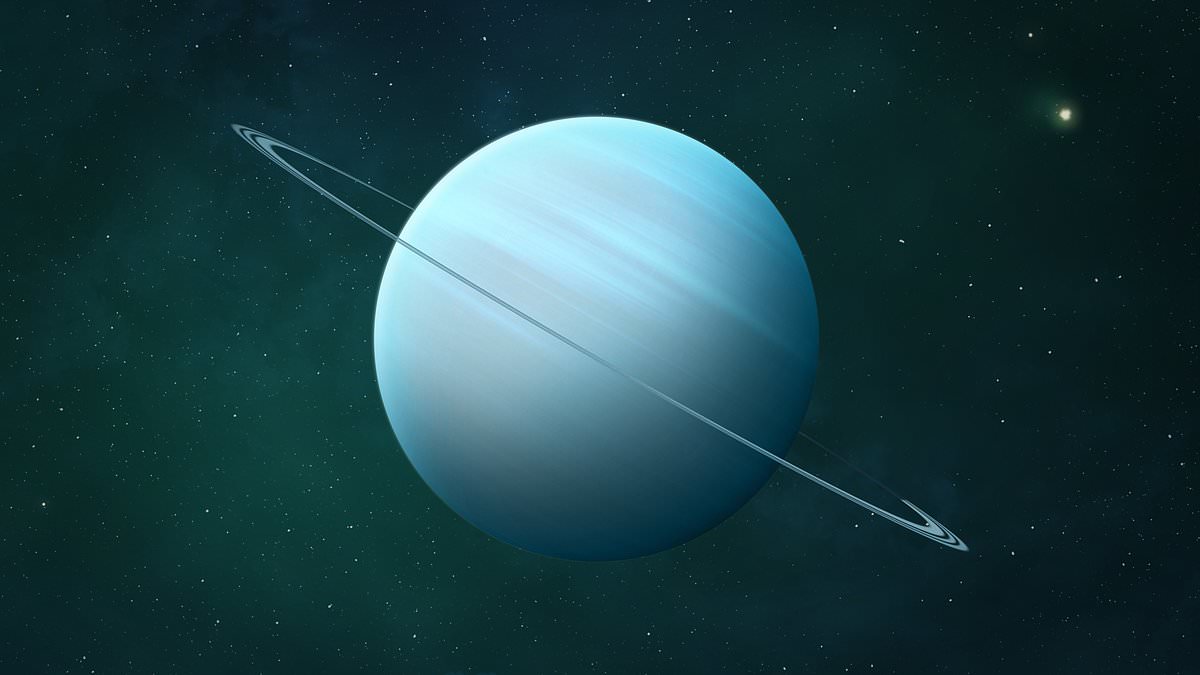
Uranus, the first planet discovered with a telescope in 1781, is a unique ice giant with a sideways rotation, faint rings, 28 moons, and a tilted magnetic field, yet many aspects of its nature remain poorly understood by scientists.
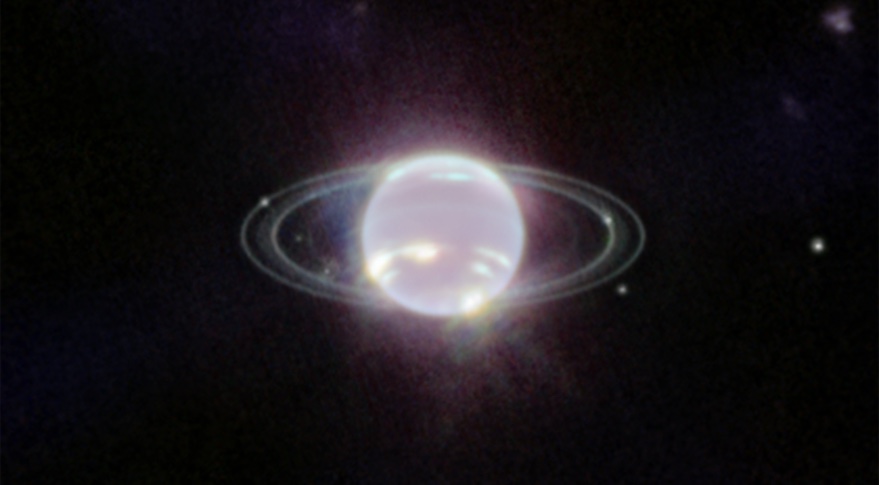
Chinese scientists are proposing their first mission to an ice giant, aiming to launch a radioisotope-powered spacecraft to orbit Neptune and study its moon Triton, following recent images of Neptune taken by the James Webb Space Telescope.
Scientists have discovered that Uranus contains a significant amount of methane, challenging previous beliefs that it is primarily made up of ice. The methane, found in a "mushy" state in the planet's core, accounts for roughly 10 percent of its composition. This finding suggests that Uranus may not fit the classification of an "ice giant" as previously thought, and researchers are now seeking to understand why the planet contains so much ice despite the presence of a substantial amount of methane. These new insights could provide valuable information about the formation of Uranus and other gas giants in the solar system.
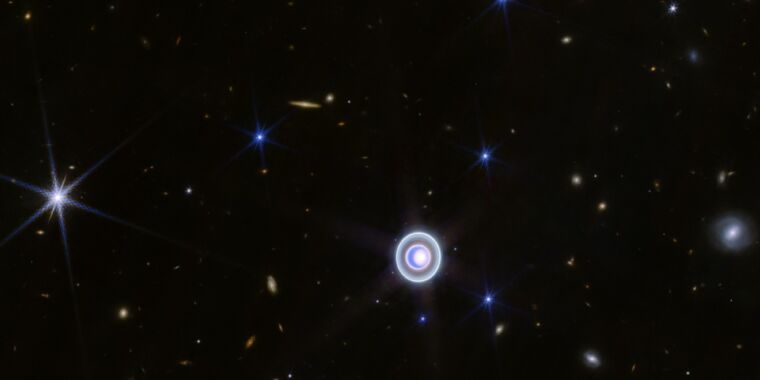
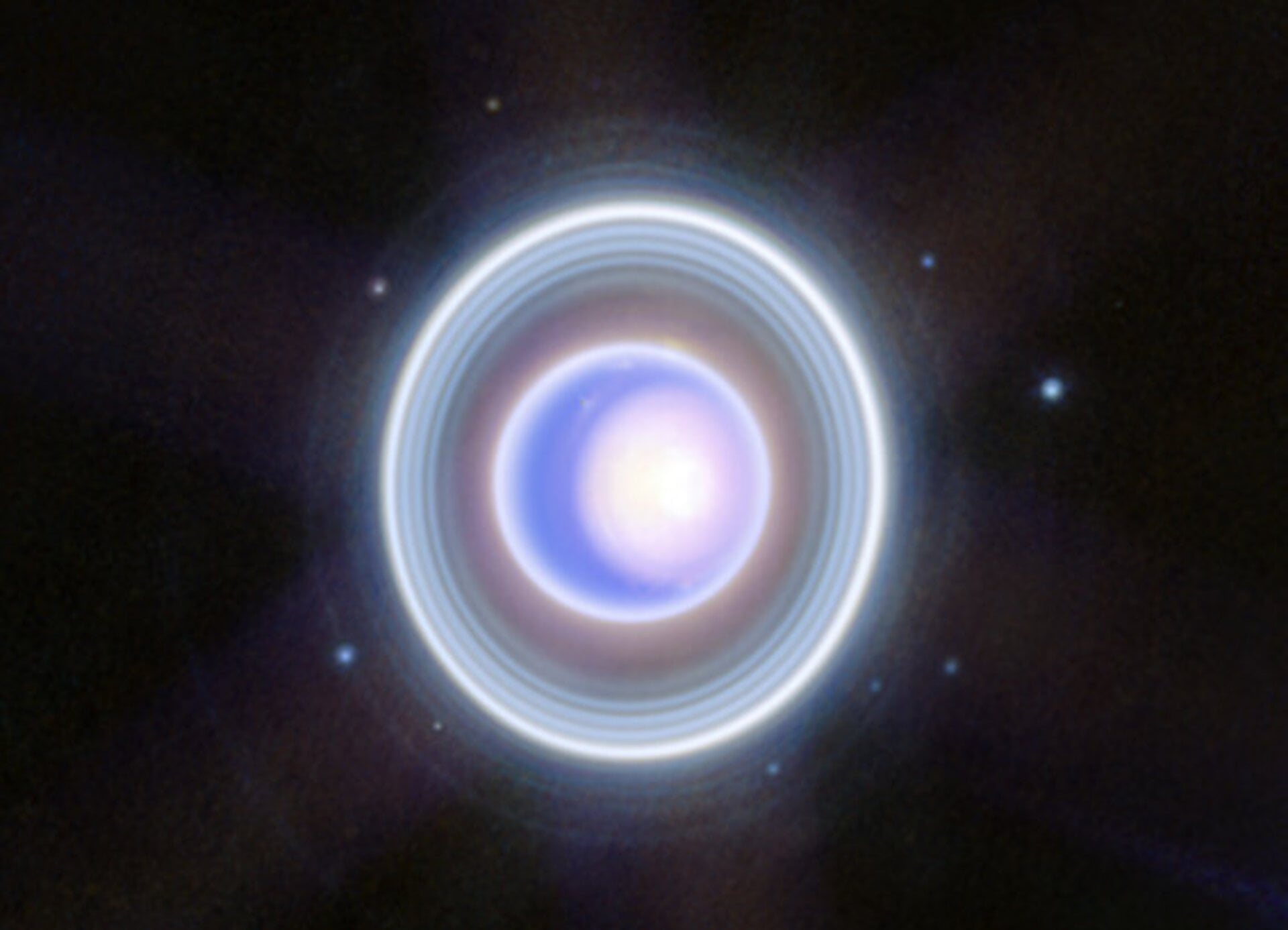
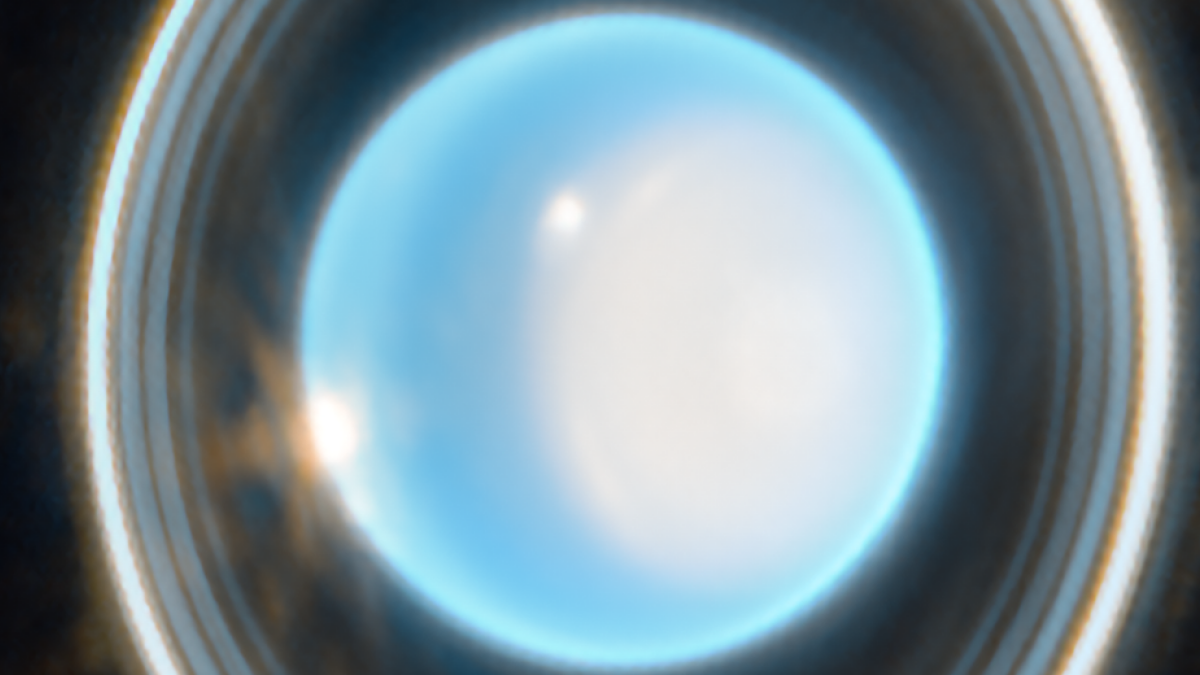
The James Webb Space Telescope has captured stunning images of Uranus, including a wide-field view showing the planet with its moons and background galaxies, as well as a close-up view highlighting its various rings. Astronomers have identified a Uranus orbiter as the highest priority science exploration mission for NASA to undertake in the future.
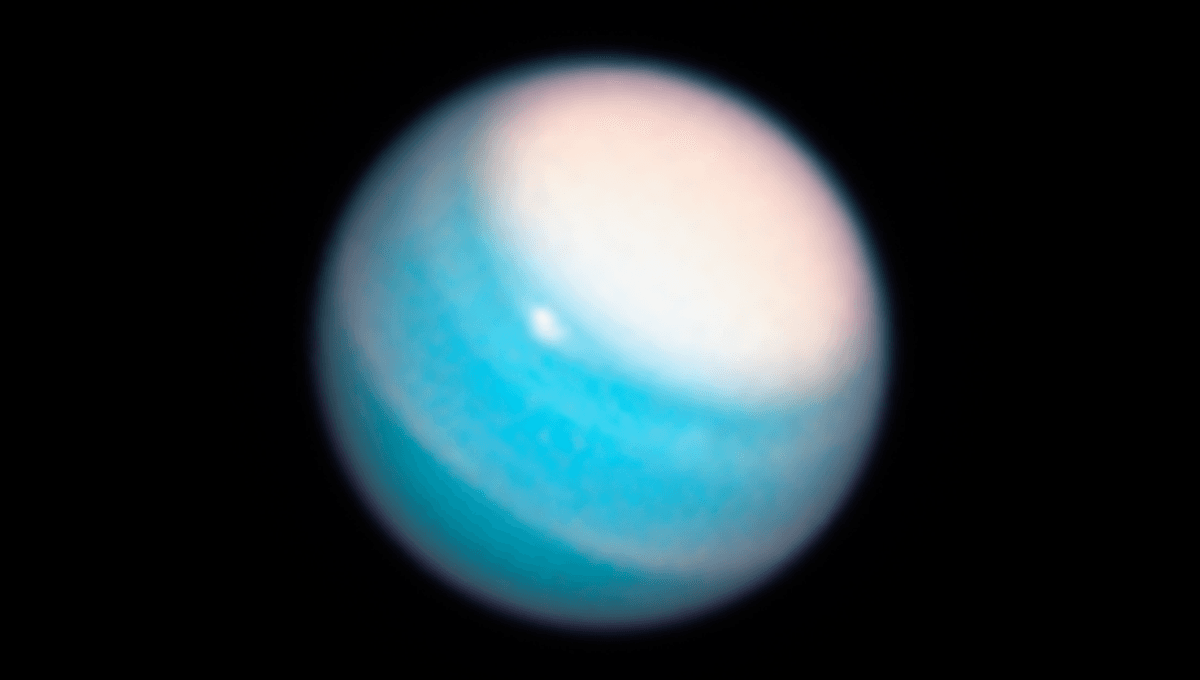
The James Webb Space Telescope has captured detailed images of Uranus, revealing its rings, moons, storms, and atmospheric features, including a seasonal polar cap. The telescope's infrared resolution and sensitivity provide groundbreaking clarity, offering valuable insights for future missions to Uranus and aiding in the study of exoplanets. Uranus serves as a proxy for understanding similarly sized exoplanets and placing our own Solar System in a larger context.
Uranus will make its closest approach to Earth on November 13, providing an excellent opportunity for stargazers to observe the ice giant with a small amateur telescope or binoculars. Larger telescopes may even reveal its rings. Billions of years ago, Uranus and Neptune likely formed closer to the Sun before migrating to their current positions, potentially flinging other ice giants out of the solar system. Uranus acquired its unusual tilt during a massive collision with a planet around 4 billion years ago.
Astronomers have calculated that there is a 7% chance of another planet hiding in our solar system's Oort cloud, a region of ice chunks and rocks far from the sun. These hidden planets, likely ice giants, have received little attention until now. Due to their distance, they are difficult to detect, making it plausible that a Neptune-sized planet could exist in our Oort cloud without our knowledge.
Astronomers have calculated that there is a 7% chance of another planet hiding in our solar system's Oort cloud, a region of ice chunks and rocks far from the sun. These hidden planets, likely ice giants, have received little attention until now. Due to their distance, they are difficult to detect, making it plausible that a Neptune-sized planet could exist in our Oort cloud without our knowledge.
Astronomers have calculated that there is a 7% chance of another planet hiding in our solar system's Oort cloud, a region of ice chunks and rocks far from the sun. These hidden planets, likely ice giants, have received little attention until now. Due to their distance, they are difficult to detect, making it plausible that a Neptune-sized planet could exist in our Oort cloud without our knowledge.
Astronomers have calculated that there is a 7% chance of another planet existing in our solar system's Oort cloud, a region of ice chunks and rocks far from the sun. If such a planet exists, it is likely an ice giant with an elongated orbit. However, detecting it would be extremely difficult due to its distance.
Astronomers have calculated that there is a 7% chance of another planet existing in our solar system's Oort cloud, a region of ice chunks and rocks far from the sun. If such a planet exists, it is likely an ice giant with an elongated orbit. However, detecting it would be extremely difficult due to its distance.
Astronomers have calculated that there is a 7% chance of another planet existing in our solar system's Oort cloud, a region of ice chunks and rocks far from the sun. If such a planet exists, it is likely an ice giant with an elongated orbit. However, detecting it would be extremely difficult due to its distance.
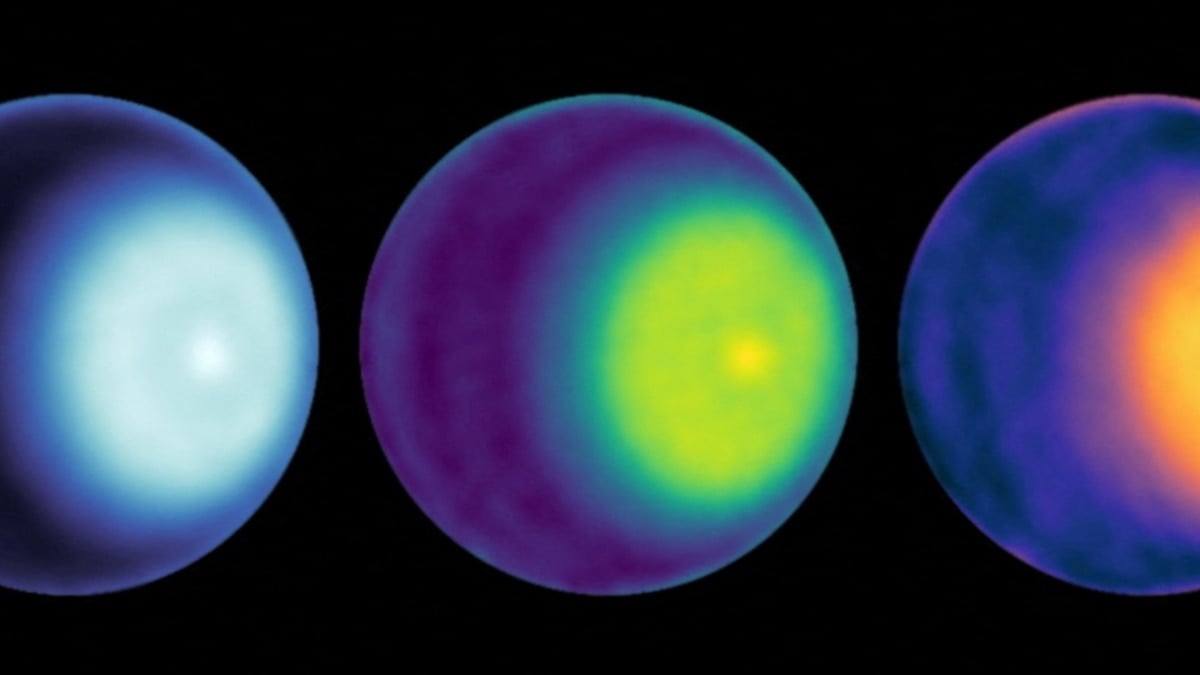
Scientists have detected a polar cyclone on Uranus, whose center measures a quarter of Earth's diameter. Uranus is an ice giant planet that spins on its side and has a misaligned magnetic field with its rotational axis. The planet's atmosphere is colder than any other planet in our solar system, and it is surrounded by two sets of rings and 27 small moons. The researchers used a telescope in New Mexico to observe the planet's atmosphere and found moving air at the north pole that was warmer and drier, evidence of a strong cyclone. Uranus has only been visited by a spacecraft once, Voyager 2, in 1986.
The James Webb Space Telescope has captured an image of Uranus' ring system, made of ice and dust, which has only been seen by two other cameras before. Uranus has 13 known rings, 11 of which are visible in the new image. The planet is the only one in the solar system tilted such that its equator is nearly at a right angle to its orbit, causing it to have extreme seasons. The new observations will help researchers understand what's going on and how it works.