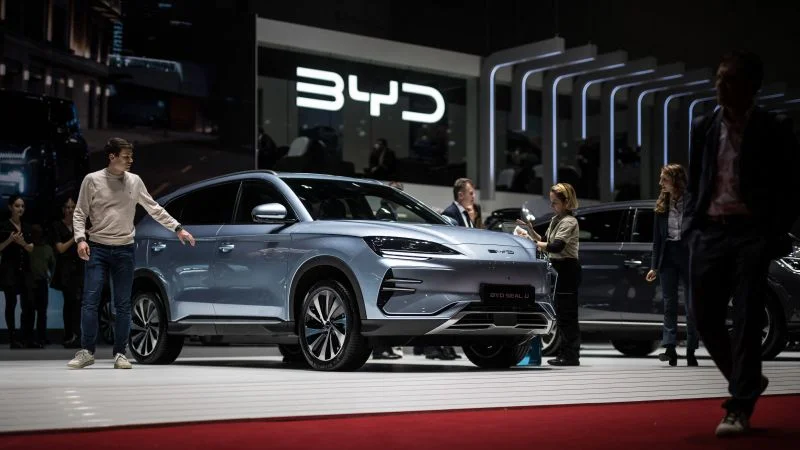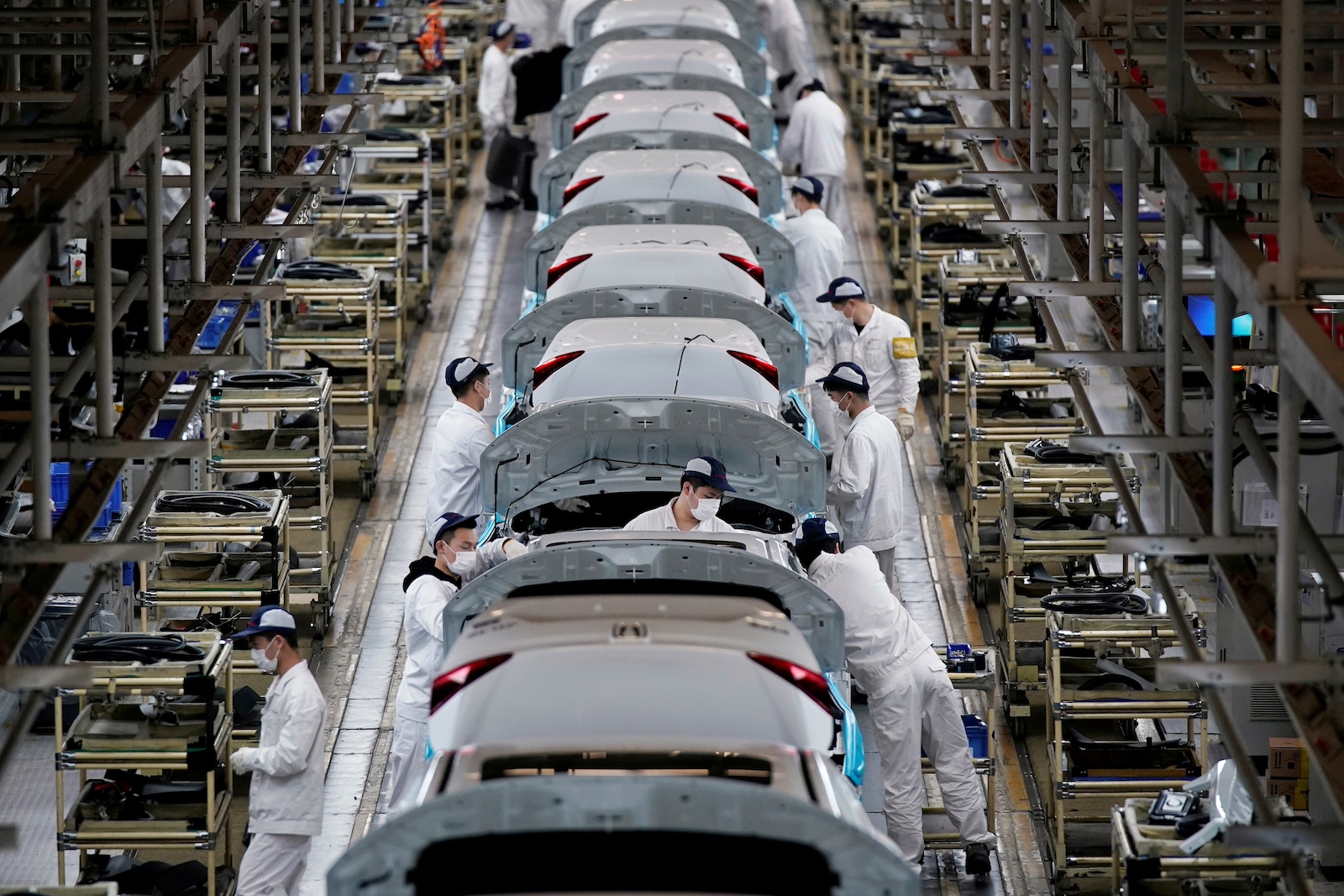
The Chinese electric vehicle industry is experiencing a brutal price war driven by overcapacity and intense competition, leading to numerous bankruptcies like Ji Yue and squeezing profit margins, while the government attempts measures to curb destructive practices and stabilize the market, though experts believe significant consolidation and reform are necessary for long-term stability.
China is experiencing a trend called 'involution,' characterized by intense and often destructive price wars across sectors like electric vehicles, solar, and food delivery, driven by overcapacity and hyper-competition, which threaten economic stability and lead to diminishing returns and profits.
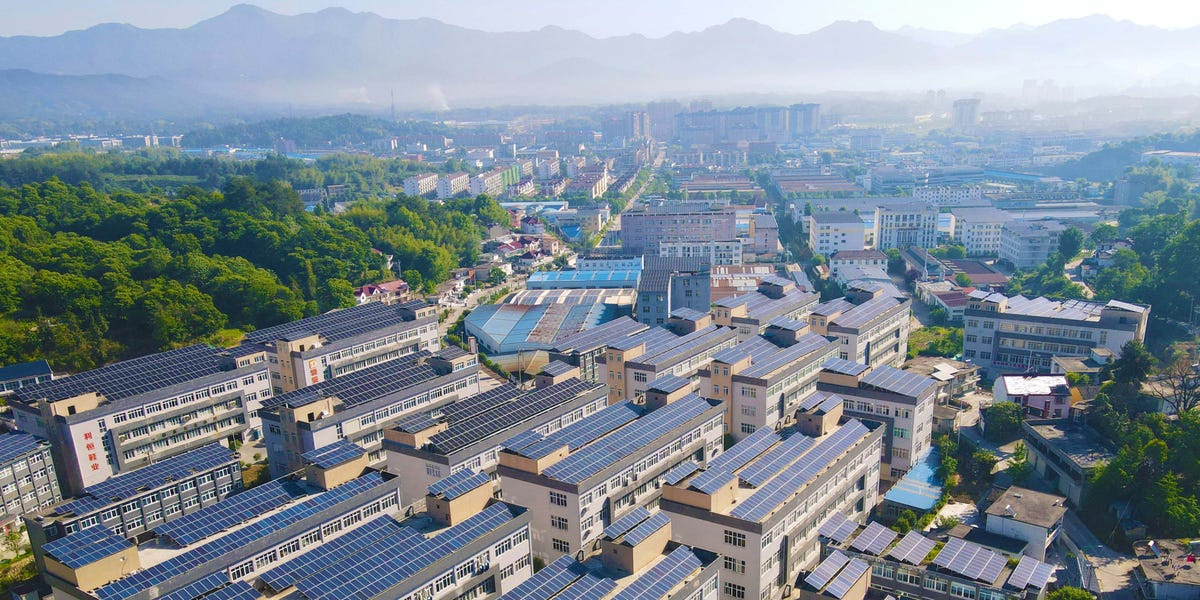
Chinese solar manufacturers face a significant overcapacity issue due to aggressive investments, leading to falling prices and profits. While this glut has caused financial strain domestically, experts suggest that leveraging this excess capacity for global renewable deployment could help meet climate goals and boost China's soft power. The industry is expected to stabilize as production constraints are implemented, but the overcapacity may persist, presenting both challenges and opportunities for China's role in global clean energy efforts.
China has produced an excess of solar panels, leading to overcapacity issues both domestically and internationally. This has resulted in calls from the US and EU for Beijing to control production, raising the possibility of a trade war. Domestically, China is facing challenges with storage and transmission of the excess energy, prompting a reduction in price support and fewer installations. The situation has led to layoffs in the industry and calls for mergers and acquisitions to manage capacity. The US has responded by increasing tariffs on Chinese solar imports.
The East Asian export model, despite its arduous nature, has been successful due to the diligence and self-sacrifice of the Japanese people and the managerial expertise of organizations like Japan's Ministry of International Trade and Industry. The Lucas paradox, where capital does not flow from rich countries to poor as predicted by classical economics, has been a challenge for developing economies. However, with China's rise as the world's largest economy, its "overcapacity" is crucial for the development of the Global South, as it allows for the flow of capital and goods to developing economies, resolving the Lucas paradox.
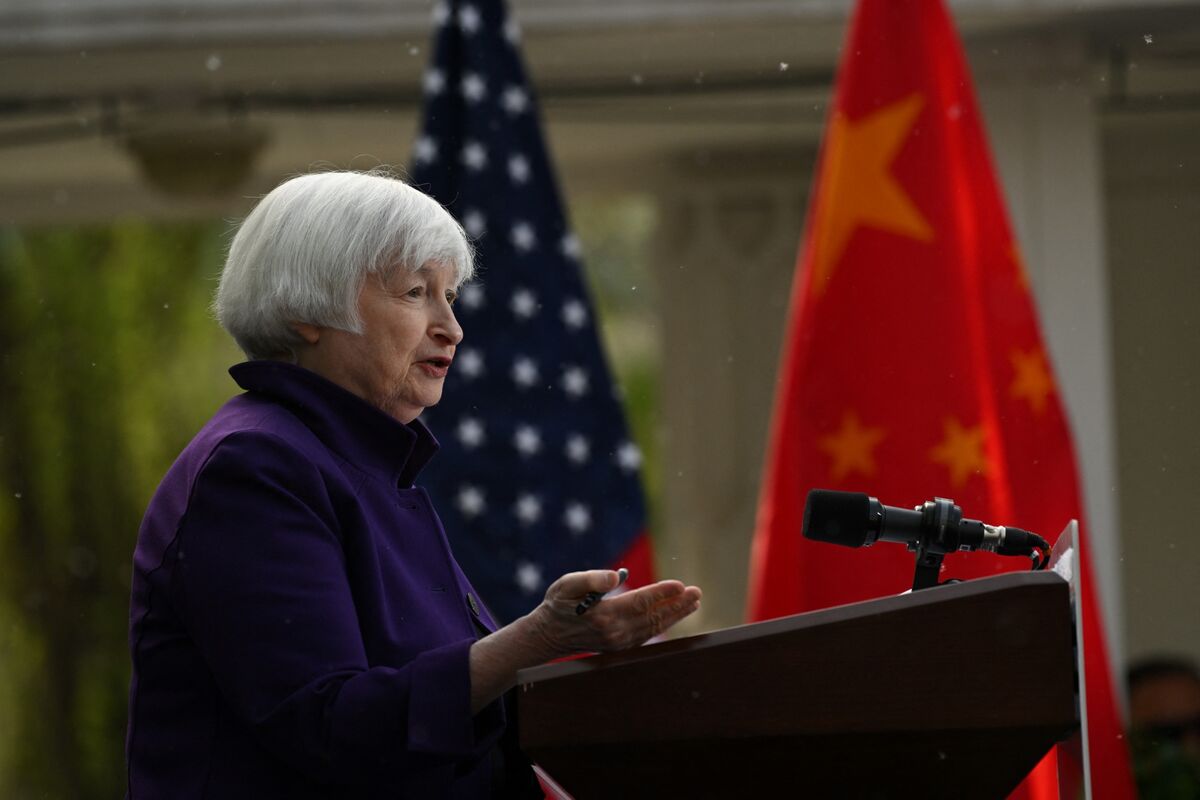
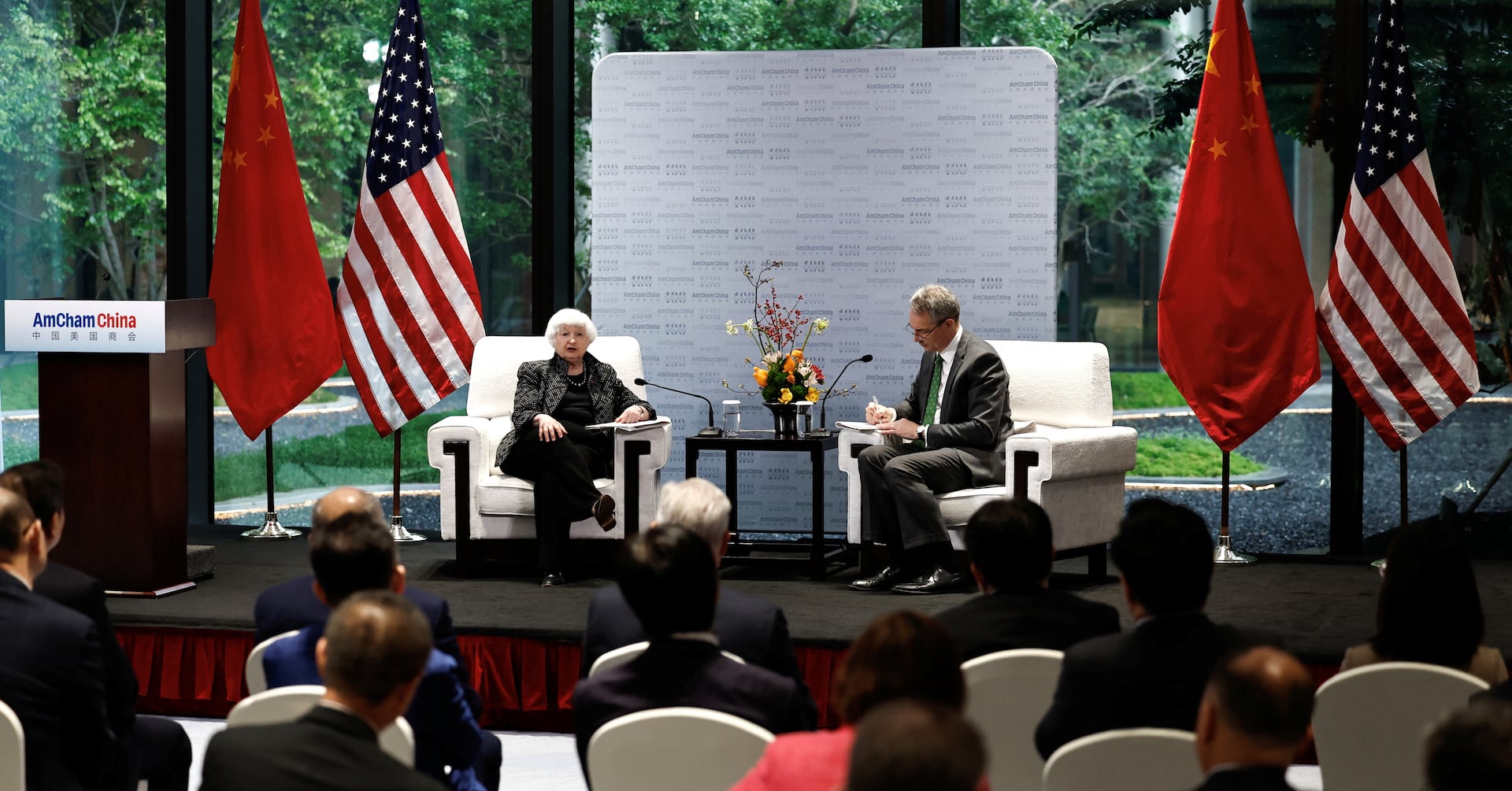
Treasury Secretary Janet Yellen stated that the US is open to considering all options, including additional tariffs, in response to China's overcapacity in manufacturing, which has led to an influx of cheap goods into the US market. Yellen emphasized that this issue is a concern for multiple countries, including Europe, Japan, India, Mexico, and Brazil.
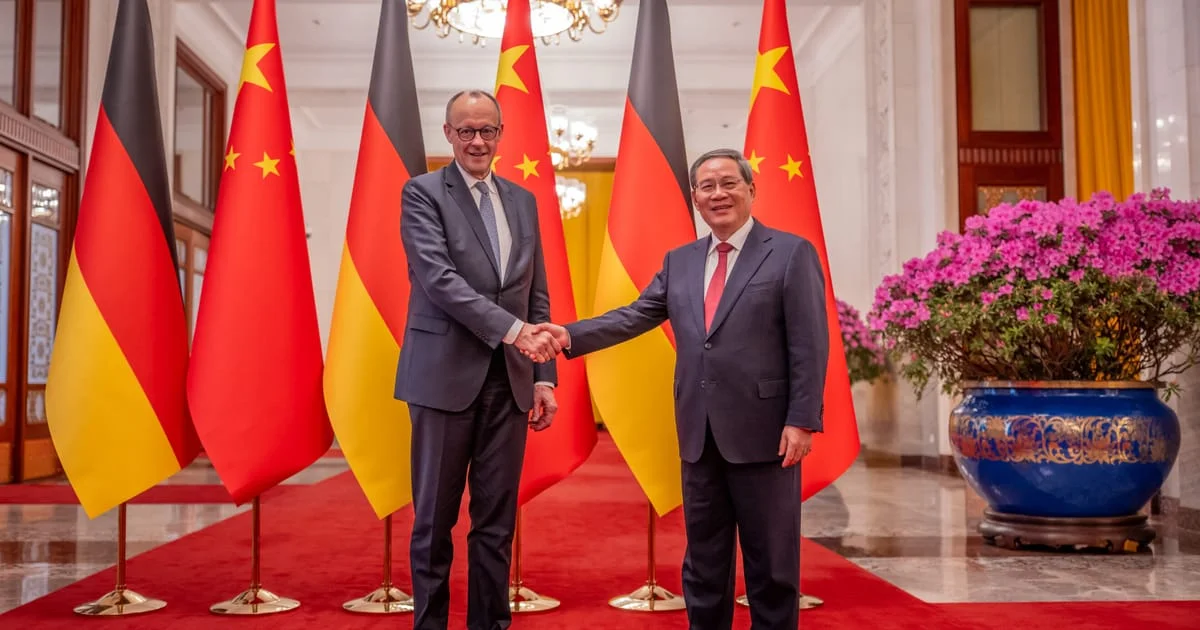
European Commission President Ursula von der Leyen and U.S. Treasury Secretary Janet Yellen have both called for a tough stance on China's perceived unfair trade practices, particularly regarding overcapacity in green energy products. This comes ahead of German Chancellor Olaf Scholz's trip to Beijing, where he is urged to address the issue. The U.S. and its allies have raised concerns about Chinese overcapacity undercutting domestic businesses, while China denies the claims and emphasizes its green technology industry's innovations. Despite resistance from the EU, there are discussions about potential tariffs and trade restrictions on Chinese goods.
U.S. Treasury Secretary Janet Yellen expressed concerns about the global economic impact of China's excess manufacturing capacity, particularly in sectors like electric vehicles and solar panels, during her visit to China. She emphasized the need for China to address overcapacity and its effects on other economies, while also highlighting areas of cooperation between the U.S. and China. Yellen's meetings with Chinese officials come amid escalating tensions and discussions about trade issues, with both sides expressing concerns about each other's trade practices.
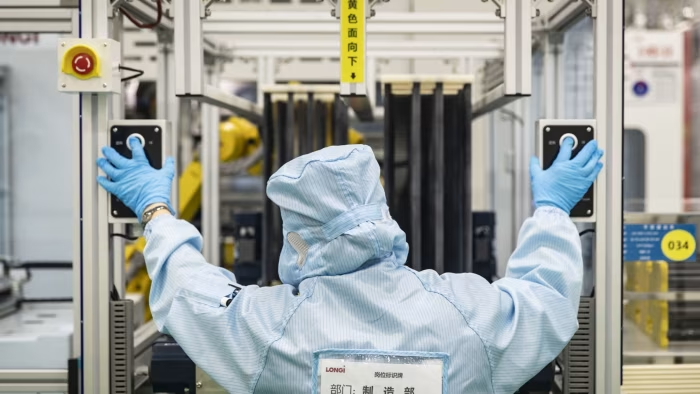
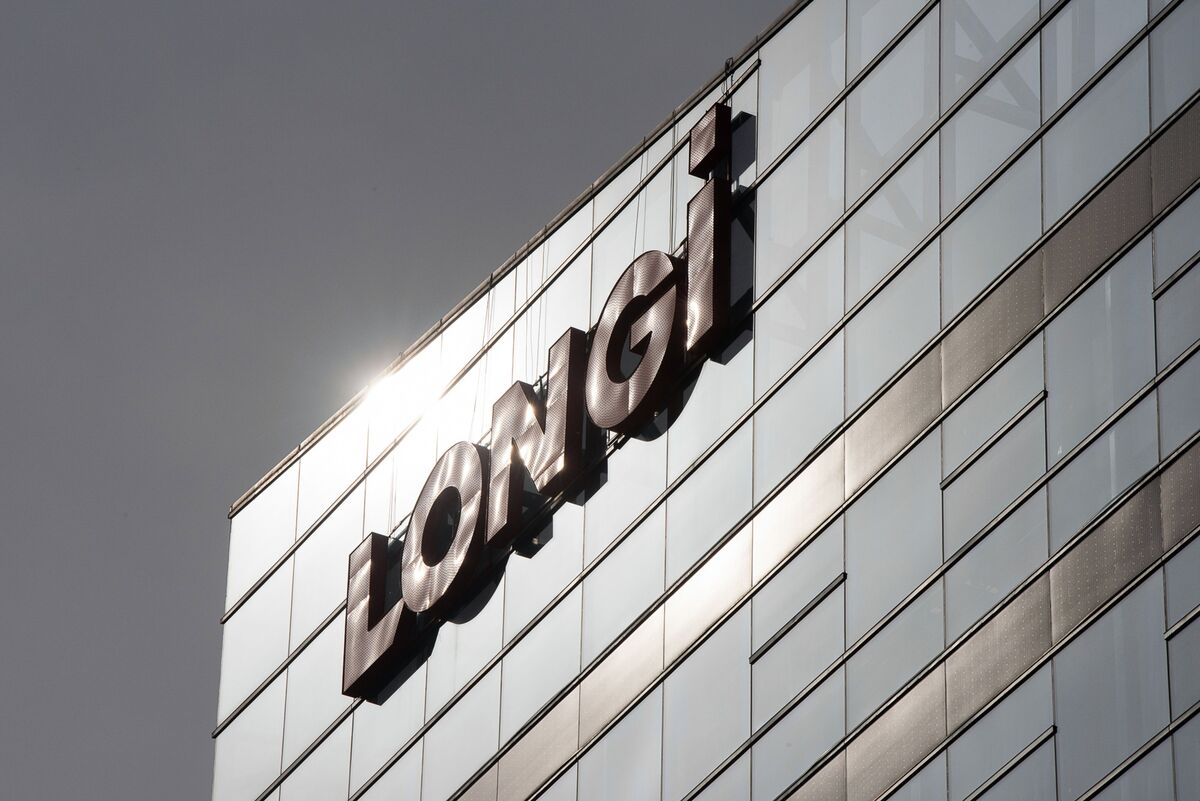
Longi Green Technology, the world's largest solar manufacturer, is reportedly planning to cut almost one-third of its workforce, totaling about 80,000 employees, in an effort to reduce costs amid overcapacity and intense competition in the solar industry.
The US Chamber of Commerce has warned that China's overcapacity in various industries is a persistent challenge that will continue to impact global trade, despite efforts to address the issue. The chamber's report highlights concerns about the impact of China's excess production capacity on international markets and calls for continued engagement with Chinese authorities to find solutions.
China's economic growth model, driven by industrial overcapacity and export reliance, is fueling trade tensions with the EU and other countries. Concerns over China's debt-driven development model and overcapacity in sectors like steel and electric vehicles have led to trade conflicts and protective measures from trade partners. While China aims to rebalance its economy towards domestic demand, its current path is seen as unsustainable and could lead to more trade conflicts in the future.
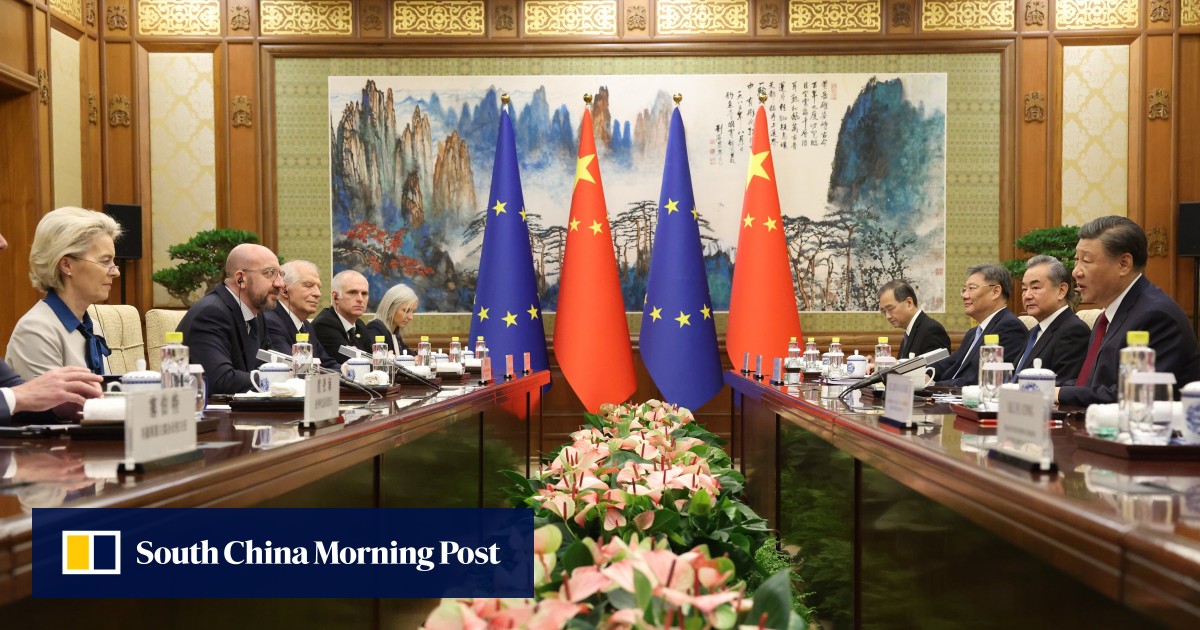
European Union leaders felt that Chinese President Xi Jinping and Premier Li Qiang took their concerns seriously during a summit in Beijing, signaling a potential improvement in EU-China relations. While the two sides remain far apart on core issues such as trade and Russia, Xi assured EU leaders that China sees Europe as a "pole" in its own right and not a "vassal" of anyone. The EU raised concerns about the lopsided trading relationship, overcapacity in the Chinese economy, circumvention of sanctions on Russia, and re-engagement in Ukraine-backed talks. Although no major breakthroughs were achieved, there is a sense that Beijing wants to avoid a full-blown trade war with the EU. Technical groups will be established to discuss specific issues, but suspicions remain about Beijing's intentions.
China's focus on high-tech manufacturing and increased lending to the sector has raised concerns about overcapacity and a potential wave of cheap exports. While the government aims to make China an advanced manufacturing powerhouse, critics argue that this comes at the expense of domestic consumption and a structural shift needed for sustainable growth. The trend has alarmed trading partners, particularly in Europe, where an investigation into Chinese EV subsidies is underway. Signs of excess capacity are already emerging, such as in lithium-ion batteries and automotive production. However, Chinese production could help curb global inflation, though it may exacerbate trade tensions and the need for market-driven adjustments.
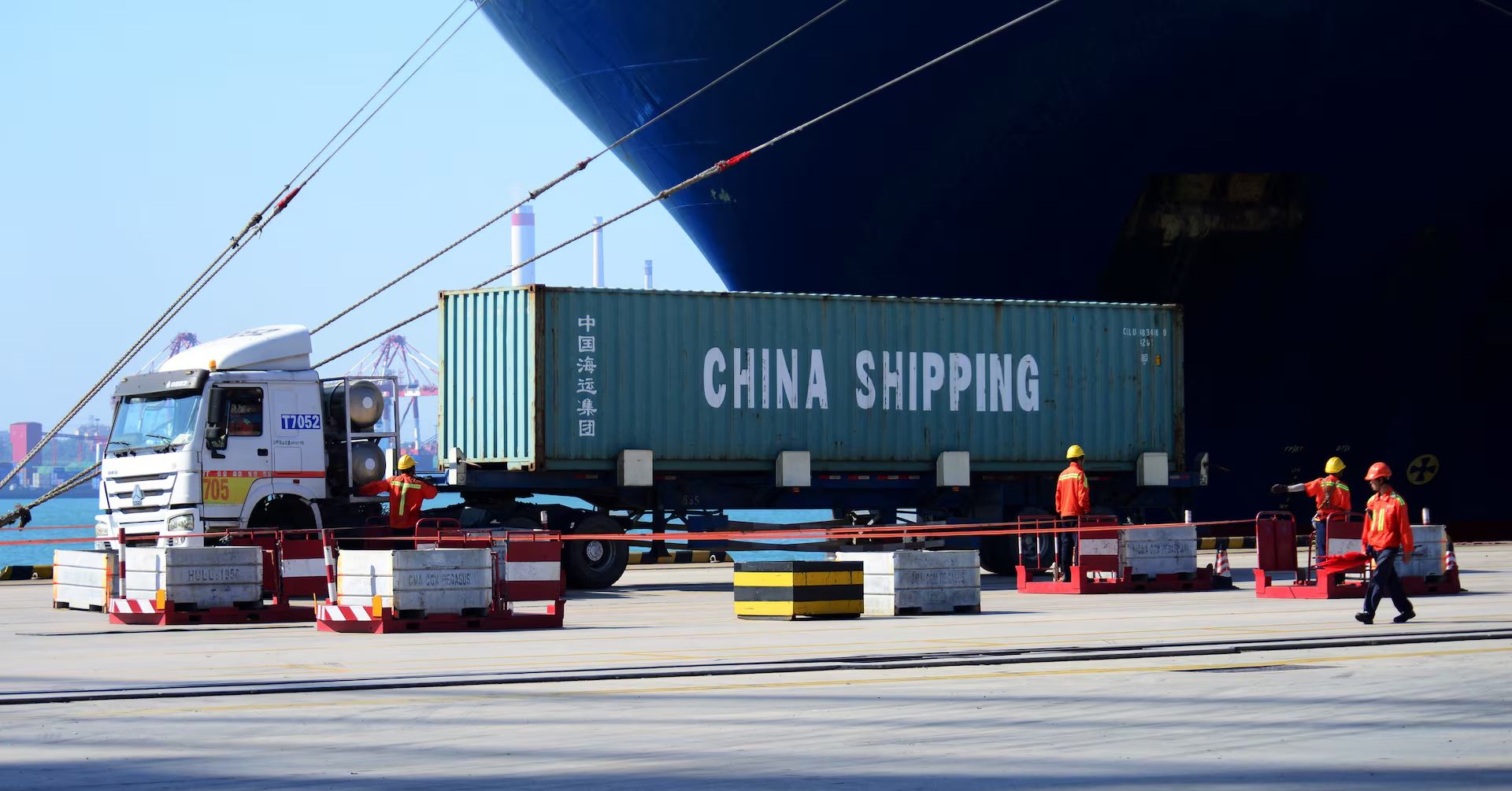
Shipping group A.P. Moller-Maersk announced a significant drop in third-quarter profit and revenue, leading to plans to cut at least 10,000 jobs due to overcapacity, rising costs, and weaker prices. The company, which controls a substantial portion of global container trade, cited a steeper downturn in demand than anticipated. Maersk expects global container volumes to decline by up to 2% this year, primarily due to weak consumer demand and destocking following the COVID-19 pandemic. The company's shares fell over 10% to their lowest level in three years.
Accounting firm EY is set to cut 3,000 jobs in the US as part of a restructuring plan aimed at eliminating "overcapacity". The move comes as the company seeks to streamline its operations and focus on digital services. EY has not disclosed which areas of the business will be affected by the job cuts.