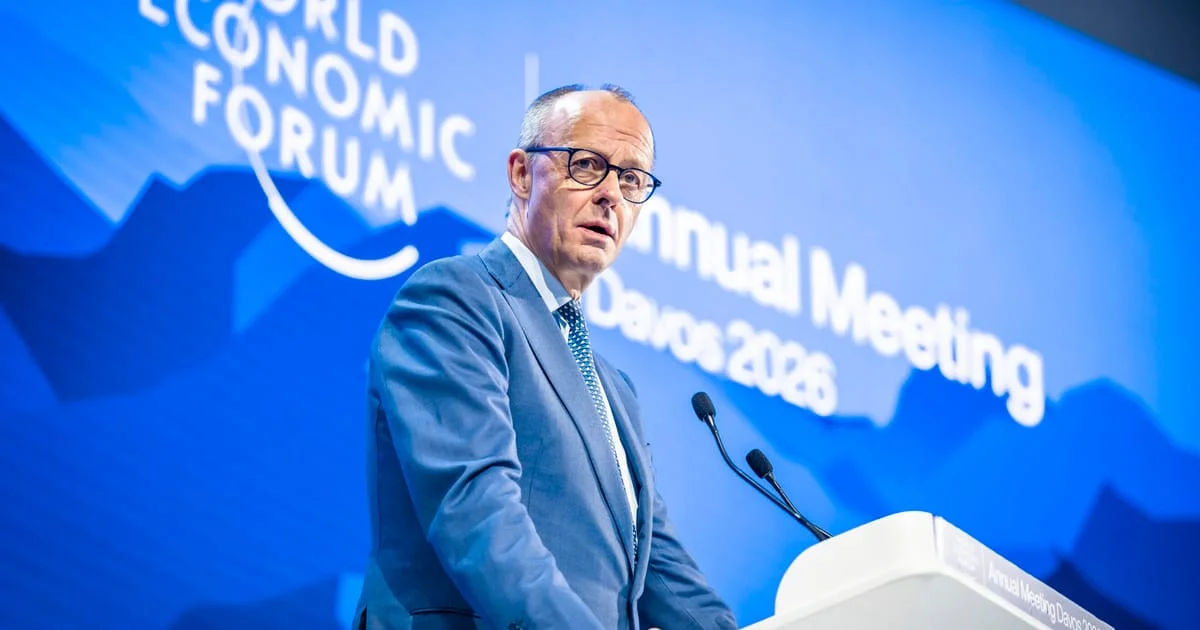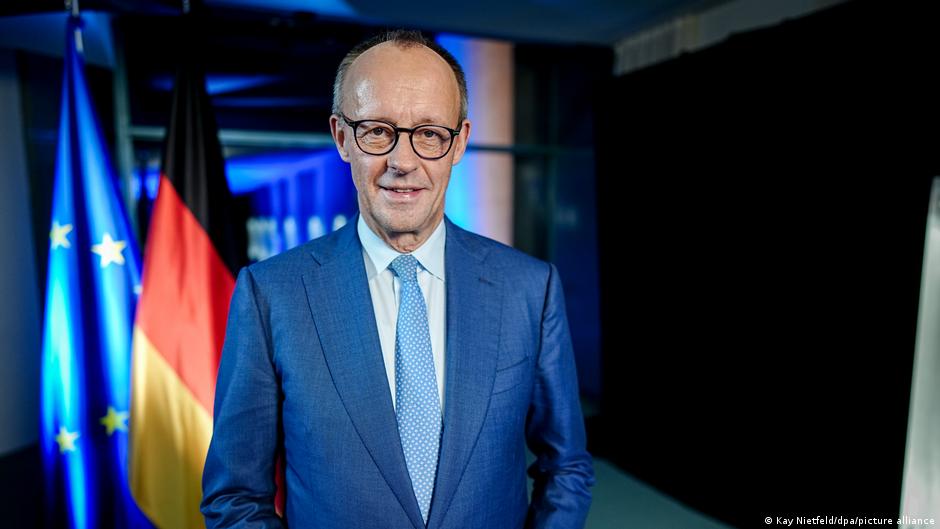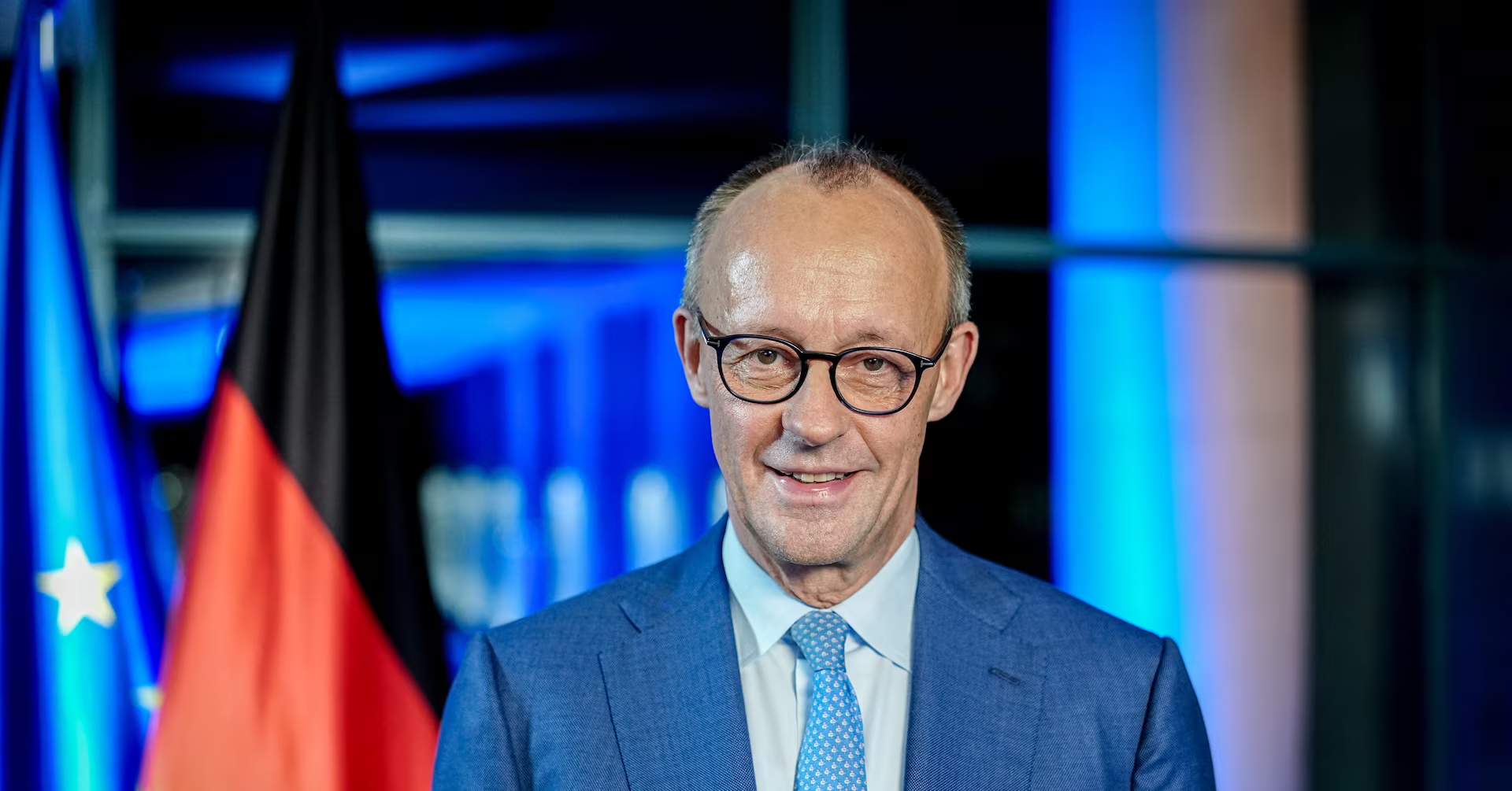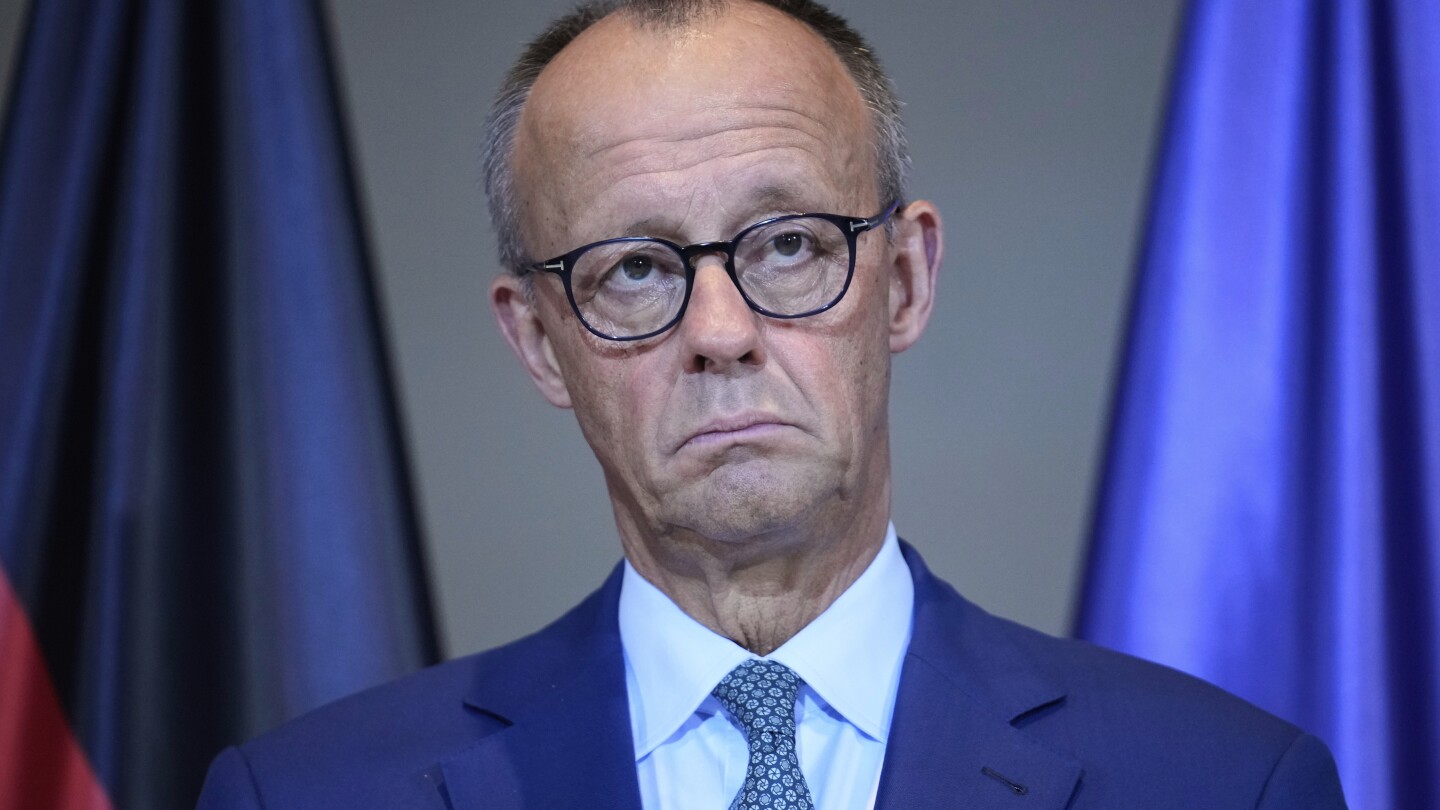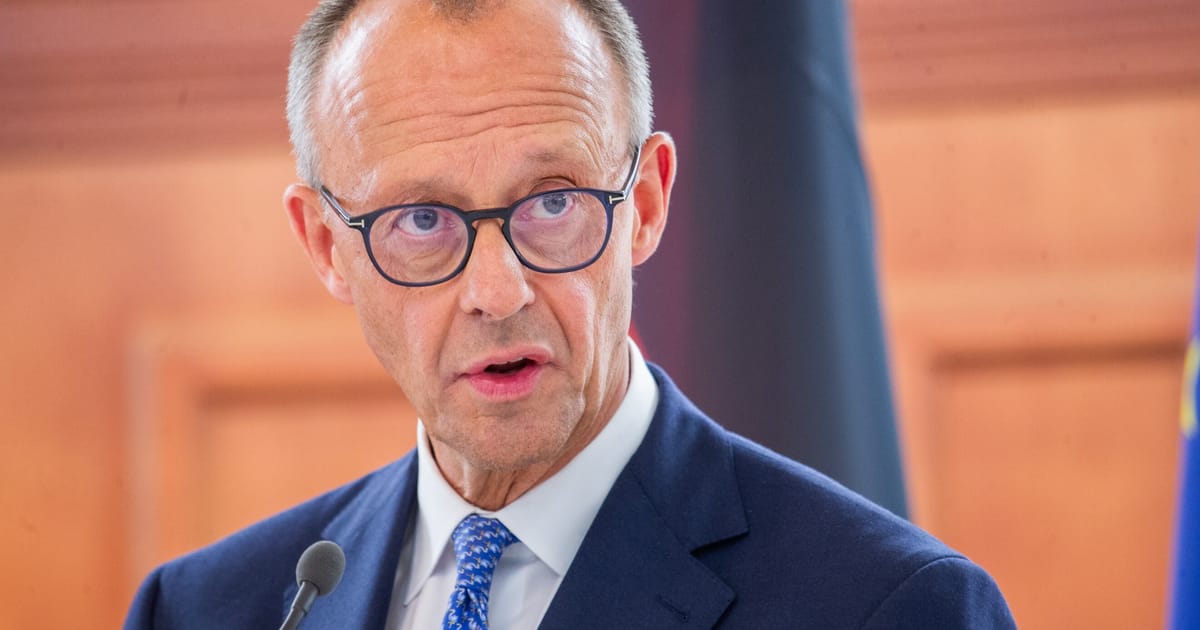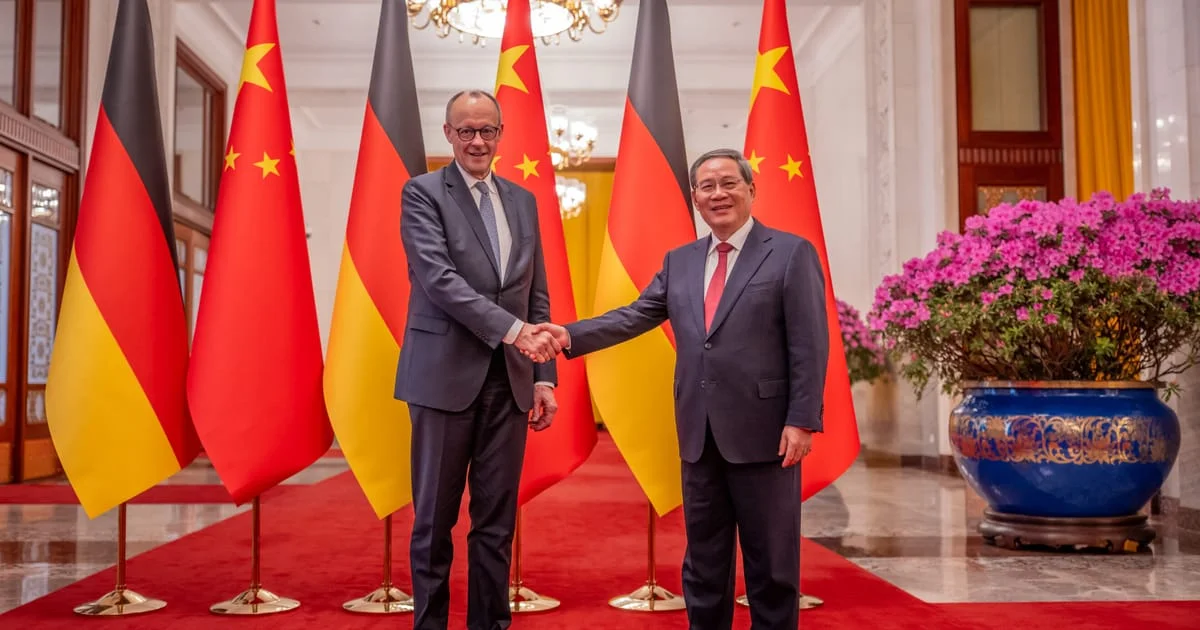
German Chancellor Friedrich Merz expressed optimism in his New Year's address, highlighting the challenges faced in 2025 such as the Ukraine war, economic pressures, and technological changes, while emphasizing the need for reforms and asserting that 2026 could be a year of renewal and new beginnings for Germany and Europe.
German Chancellor Friedrich Merz emphasized the need for Europe to assert its interests more strongly in 2026 to ensure peace and prosperity, citing threats from Russian aggression, global protectionism, and changing U.S. relations, while calling for increased European independence and confidence.
Germany's far-left Die Linke party abstained from a vote on a pension package, effectively ensuring its passage and saving Chancellor Friedrich Merz's coalition from a political crisis, although this move also highlights the fragile and ideologically diverse nature of the government.
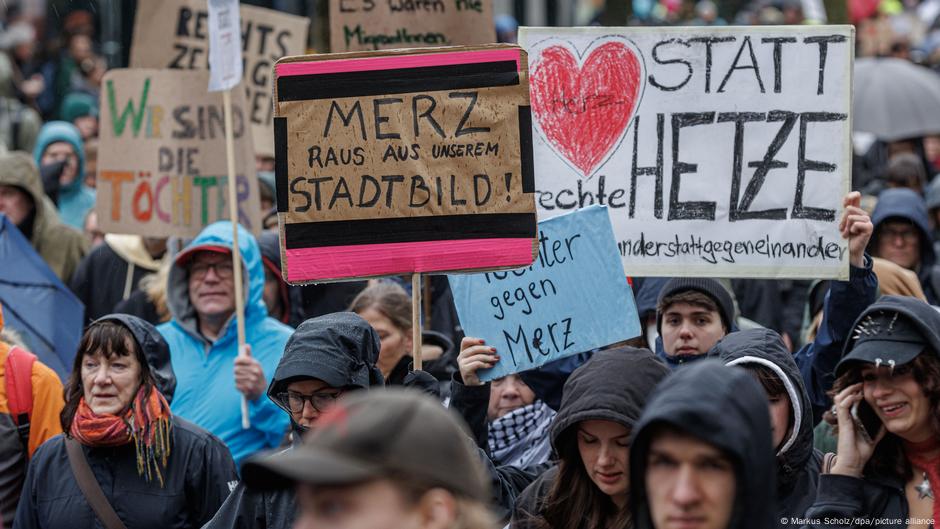
Protests erupted in Hamburg against Friedrich Merz’s controversial comments on migration, amid broader political debates in Germany about immigration policies, rising deportations, and the influence of far-right rhetoric. Meanwhile, the German Army faces setbacks in its digitalization efforts, Porsche shifts focus back to combustion engines, and bird flu outbreaks prompt calls for stricter poultry farming regulations.
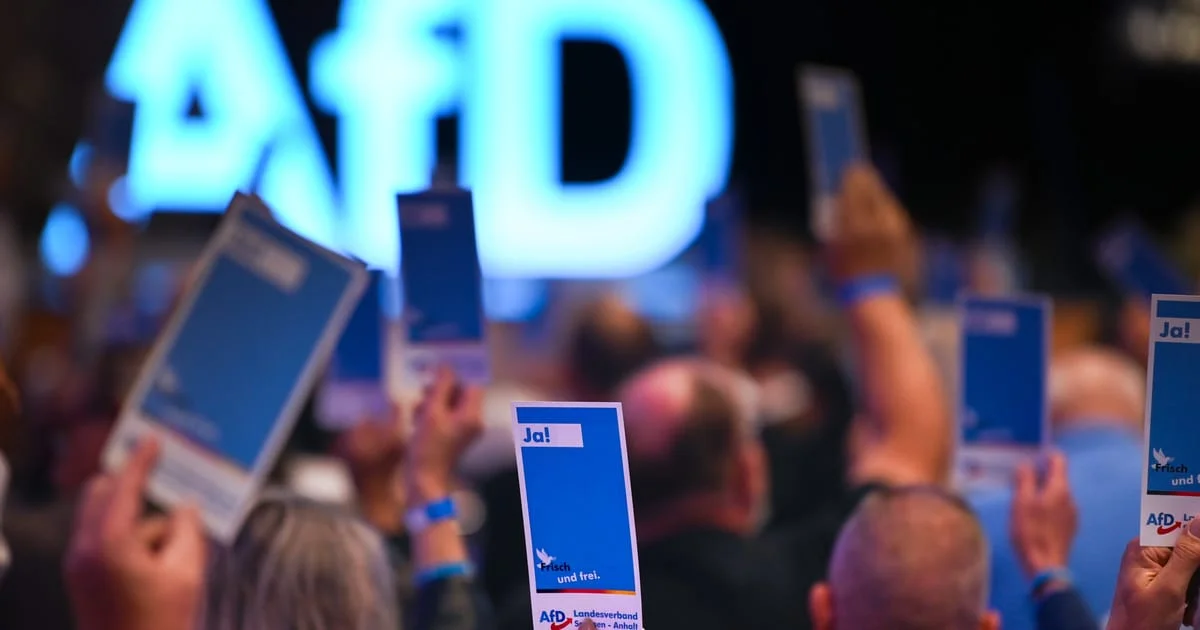
In Germany's North Rhine-Westphalia local elections, Chancellor Friedrich Merz's CDU finished first, but the far-right AfD made significant gains, nearly tripling its previous support and emerging as a major force in western Germany, reflecting broader political shifts and discontent with traditional parties.
A summit between Putin and Zelenskyy will not take place, according to Germany's Friedrich Merz, amidst ongoing geopolitical tensions and conflicts in the region.
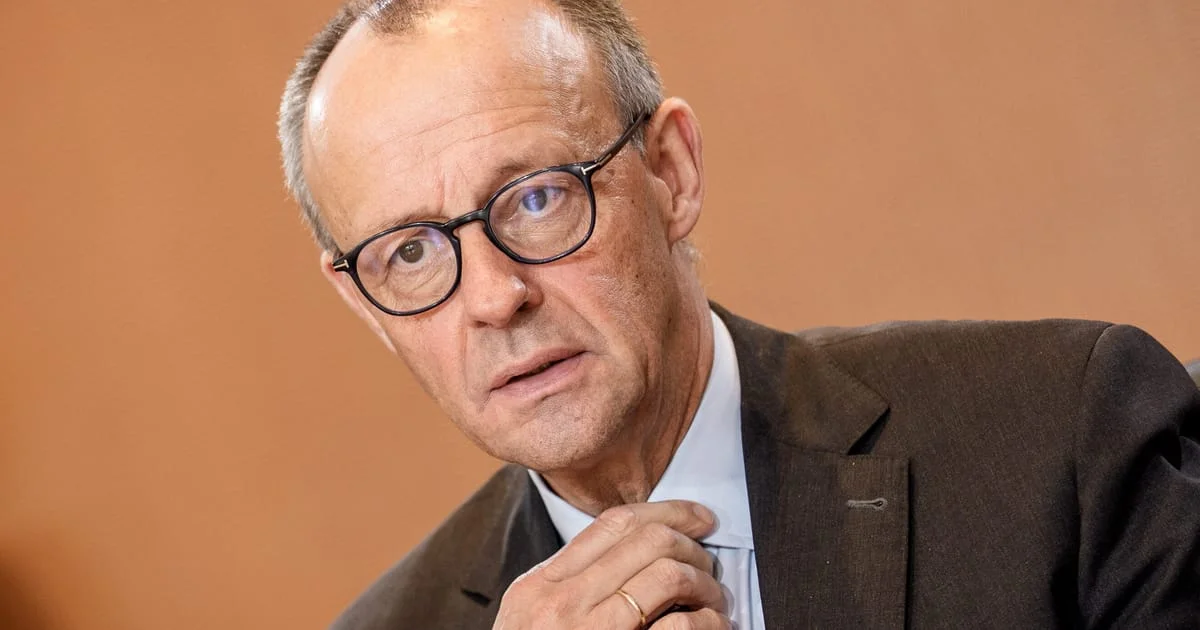
German CDU leader Friedrich Merz has called for reforming the country's social welfare system, citing unsustainable costs, while ruling out tax increases on medium-sized companies, signaling potential tensions within the coalition government and a shift towards traditional CDU voter concerns.
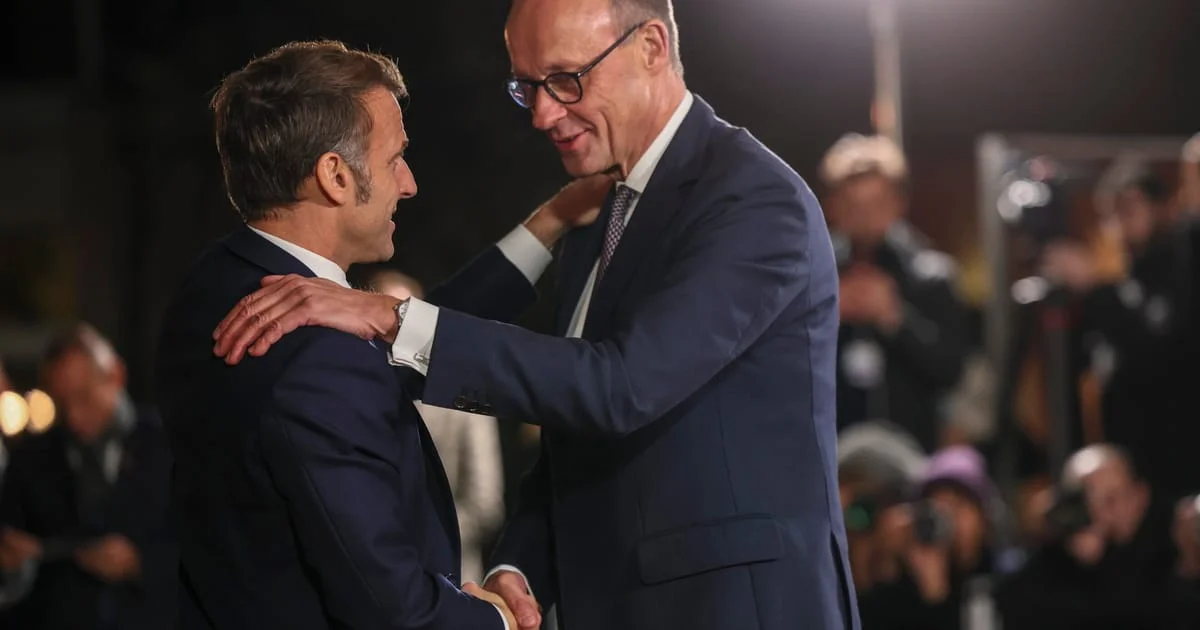
Despite warmer personal relations and some policy cooperation between French President Macron and German Chancellor Merz, their efforts to revitalize the Franco-German engine are hindered by deep divisions on defense and trade issues, with domestic political pressures and upcoming elections threatening further progress.
Germany's conservative leader Friedrich Merz faces internal and external challenges, including controversial remarks on Ukraine's long-range weapons and political instability, amid tensions with the US and upcoming parliamentary votes, as he navigates a turbulent political landscape.
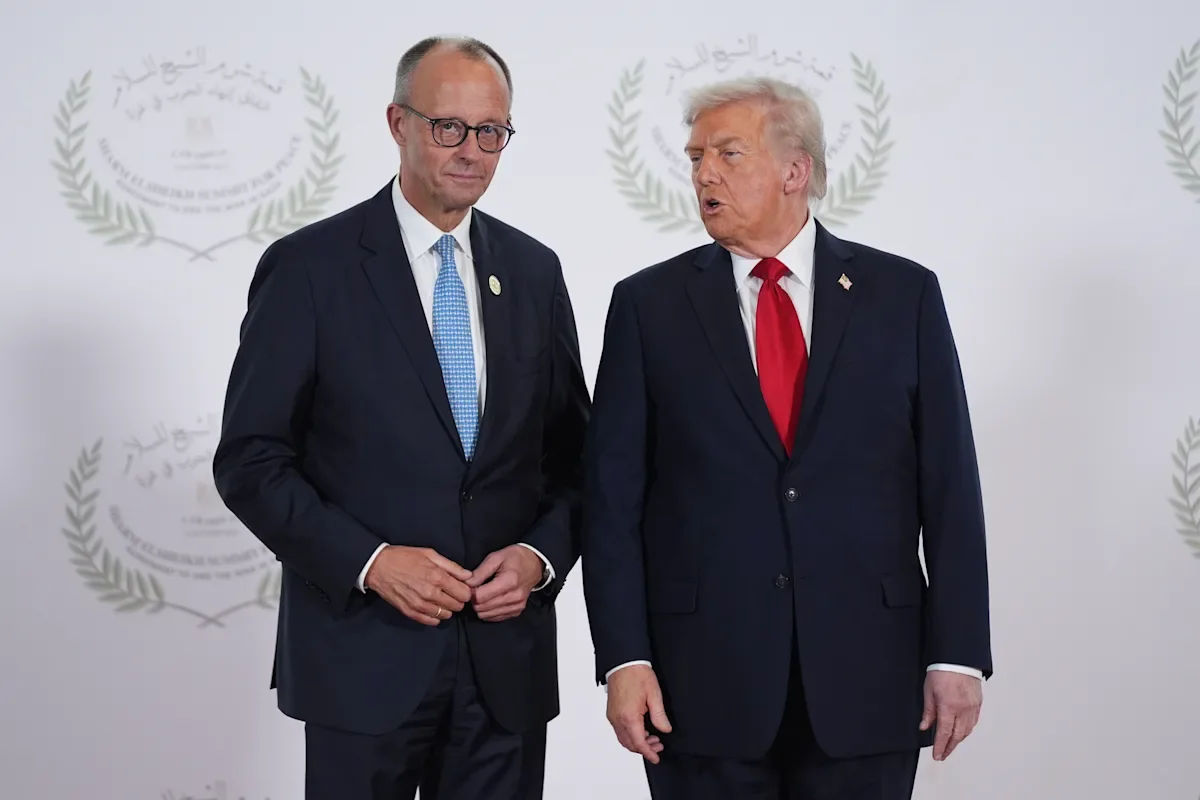
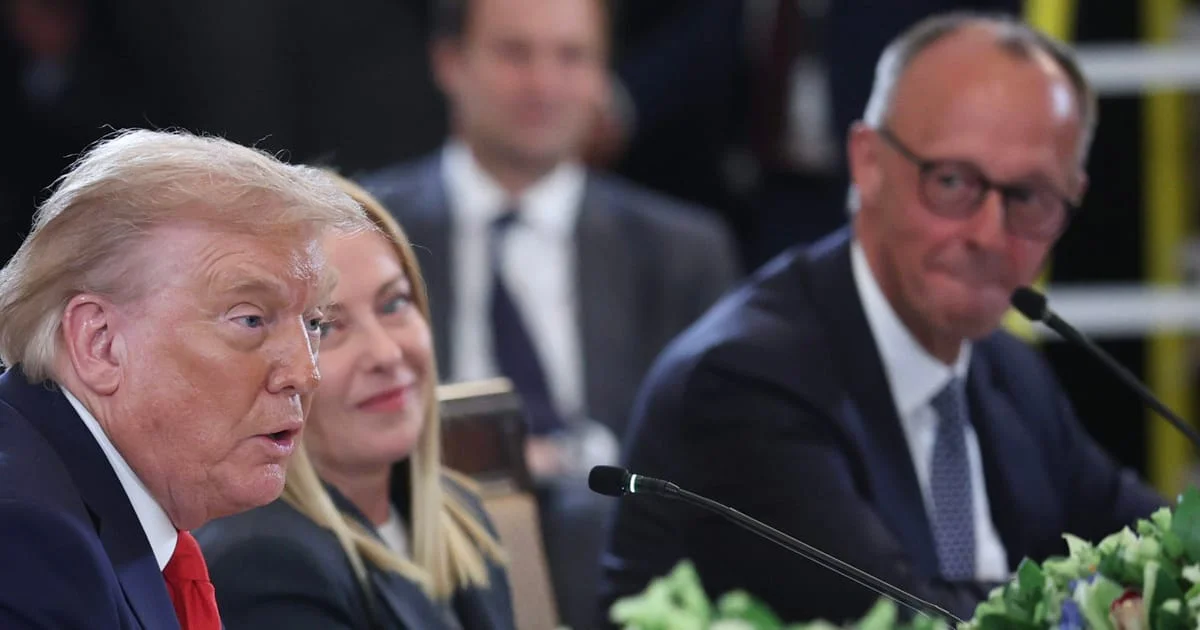
German Chancellor Friedrich Merz is visiting Washington to meet with President Trump, focusing on issues like tariffs, defense spending, and Ukraine, amid concerns over diplomatic tensions and trade negotiations. Merz's direct style and supportive stance on Ukraine contrast with Trump's approach, highlighting potential challenges in their discussions.
German Chancellor Friedrich Merz indicated that Germany is considering supplying Ukraine with long-range Taurus cruise missiles, marking a shift in Germany's defense stance to support Ukraine more robustly amid ongoing conflict with Russia, with plans for joint production in Ukraine and Germany.
Friedrich Merz, Germany's conservative leader, faces political turmoil after losing a vote to become chancellor, exposing his fragile majority amid challenges from US policies and internal coalition struggles.
German Chancellor Friedrich Merz discussed Germany's support for Ukraine's use of long-range weapons, criticized Israel's military actions in Gaza, and warned that the Ukraine conflict could prolong due to Russia's reluctance to negotiate peace, while also addressing domestic issues like citizenship laws and a recent knife attack in Solingen.