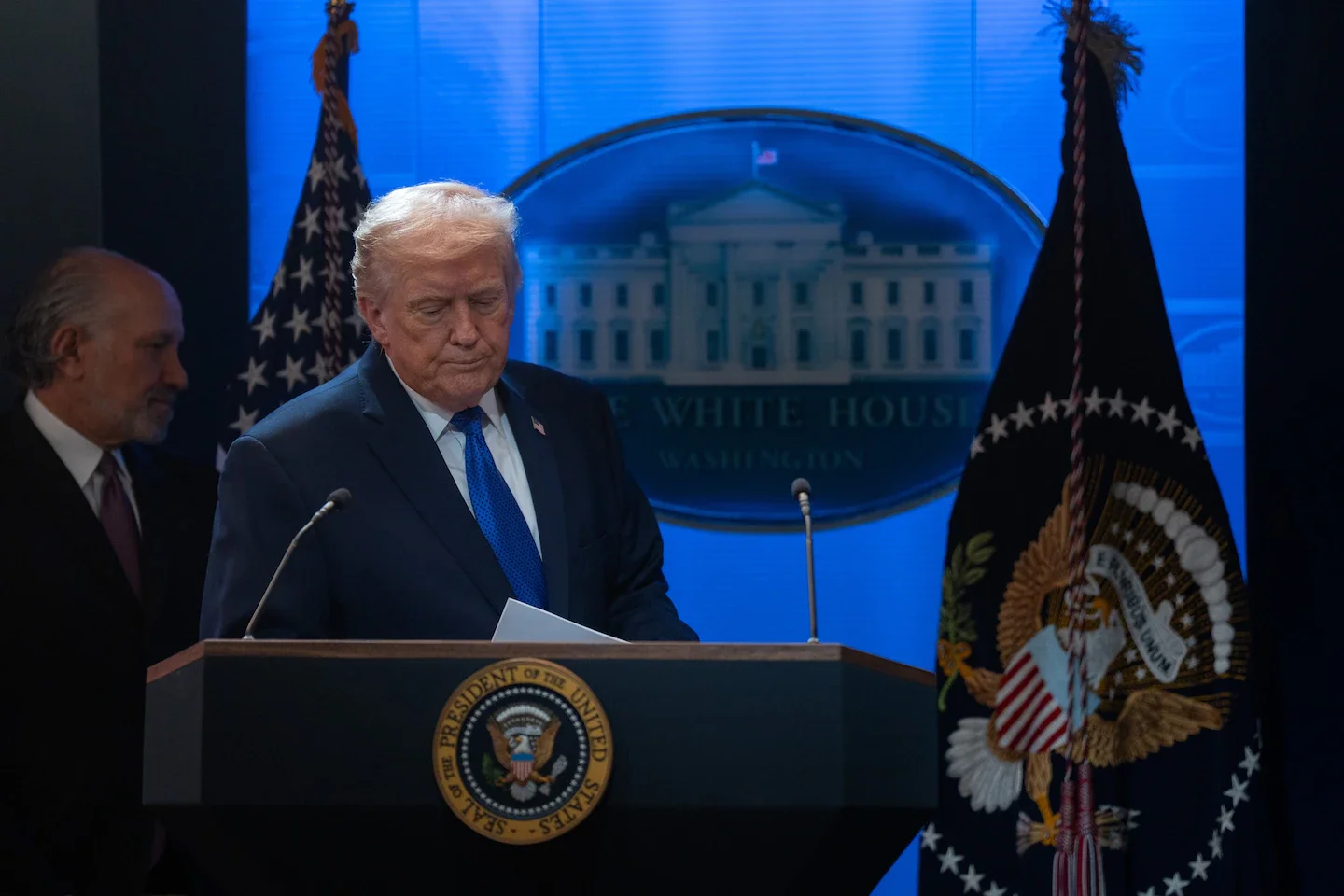
EU states have approved a historic free trade agreement with Mercosur after 25 years of negotiations, aiming to offset US tariffs and reduce reliance on China, despite opposition from France and protests from farmers. The deal will require European Parliament approval and includes safeguards for farmers and environmental concerns.
EU countries have approved a long-awaited Mercosur trade deal after 25 years of negotiations, marking a significant development in international trade relations.
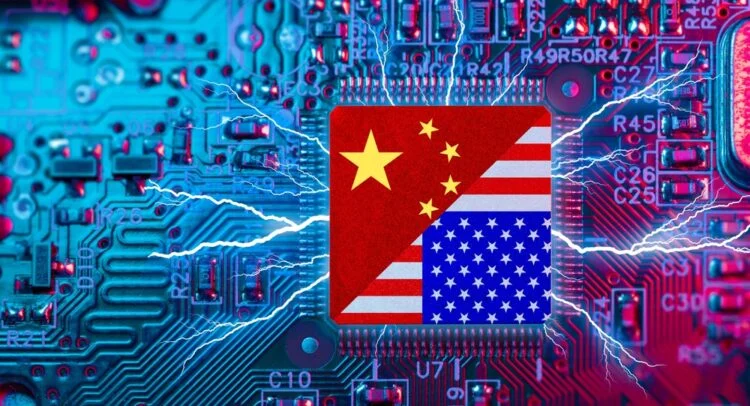
Even a $3 million semiconductor deal can prompt the US to scrutinize national security concerns, highlighting the sensitive nature of technology transactions in today's geopolitical climate.
The European Union plans to implement a carbon border tax to reduce emissions and promote climate goals, despite facing opposition from some trade partners who are concerned about potential trade disruptions and economic impacts.
Mercosur is expressing impatience with the European Union's delays in ratifying a long-standing trade deal, while simultaneously pursuing agreements with other partners like the UAE, Canada, and Japan, as competitors take advantage of the opportunity to access South America's markets and resources.
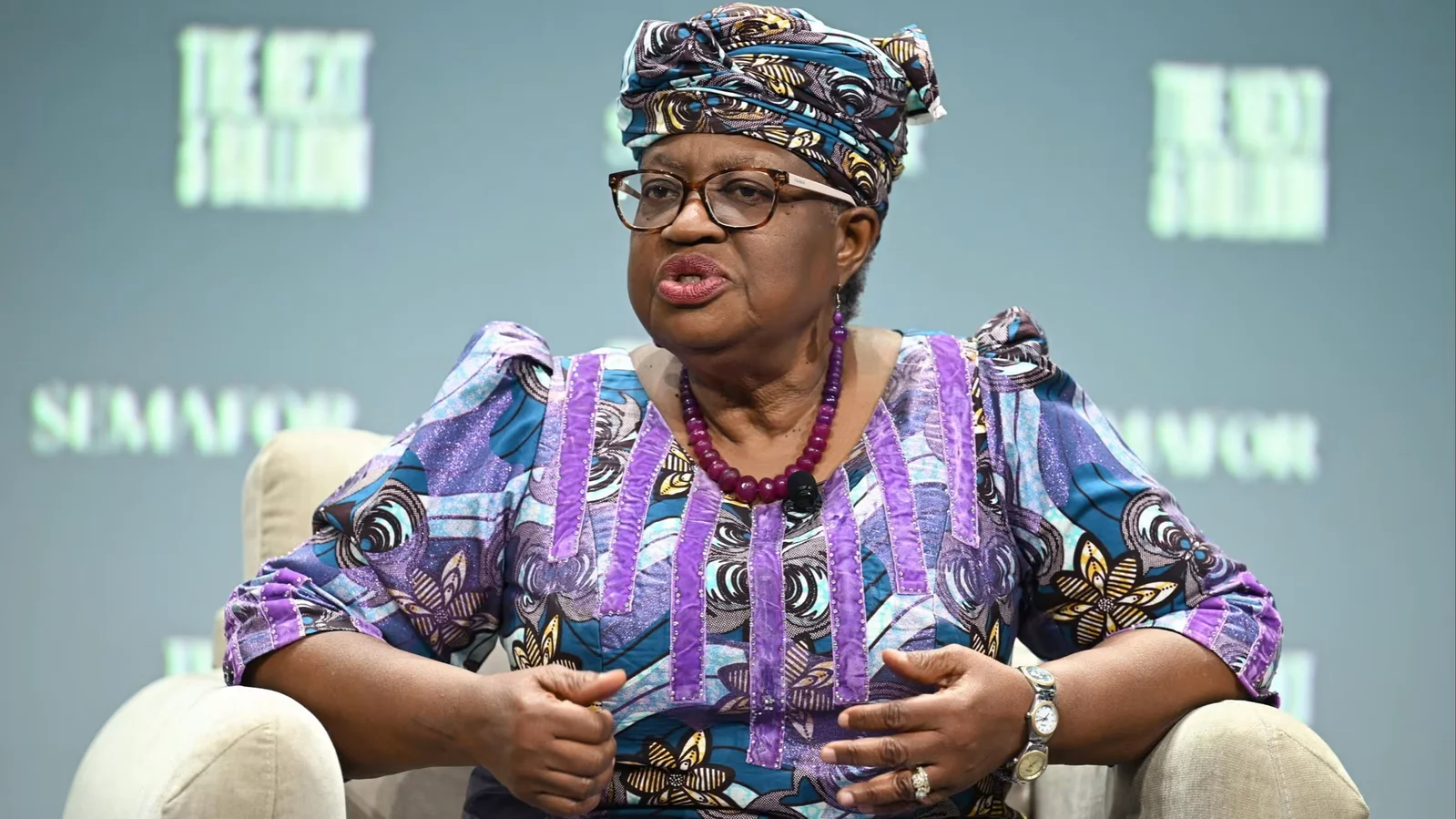
The Trump administration has criticized the World Trade Organization ahead of a crucial meeting, highlighting ongoing tensions and disputes in international trade relations.
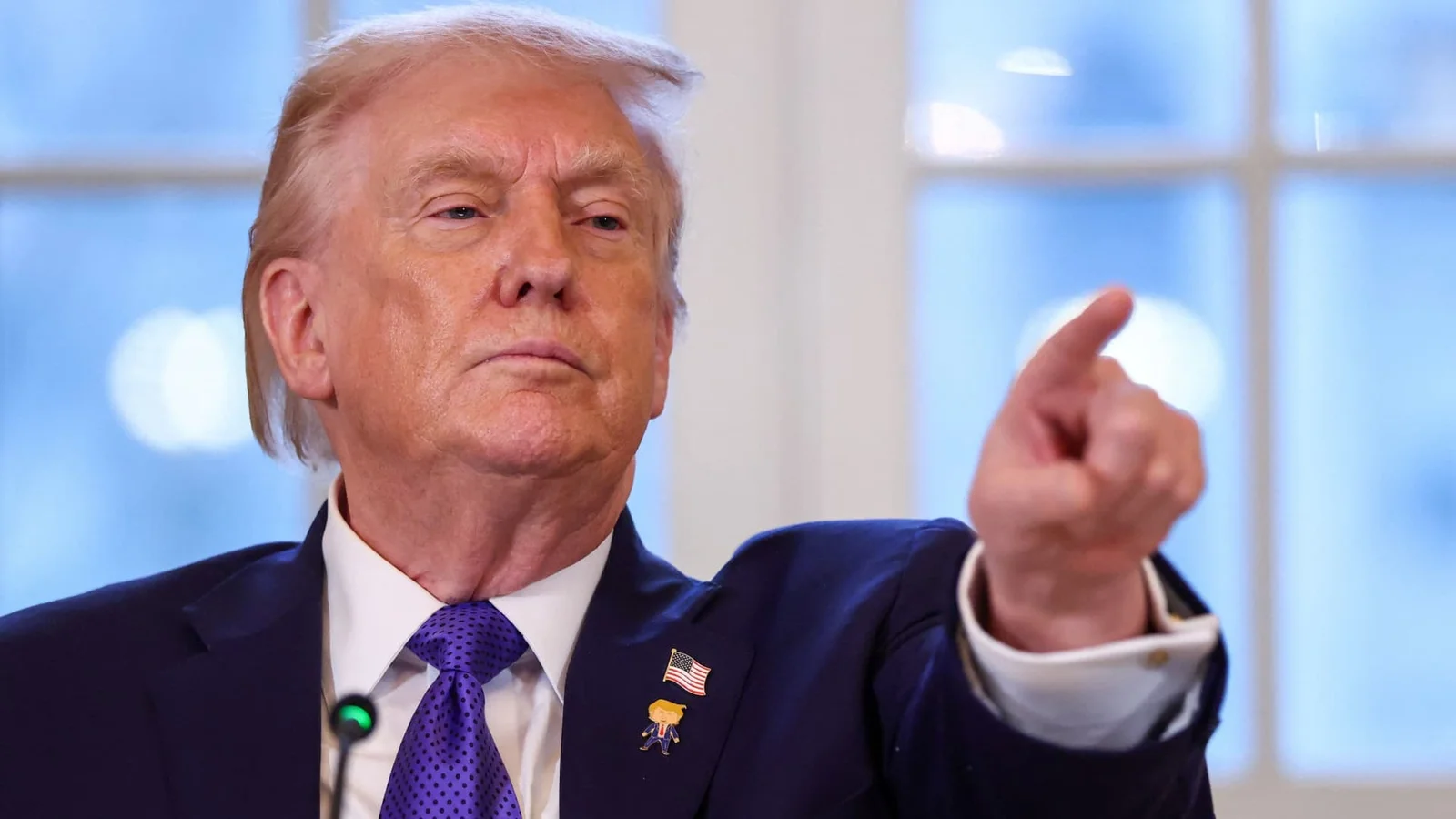
The US Supreme Court is set to decide on the legality of Trump's tariffs imposed using the 1977 International Emergency Economic Powers Act, a case that could significantly impact Trump's trade strategy, national security, and international trade relations, with potential refunds for billions of dollars and broad implications for businesses and presidential power.
The US and China are nearing a preliminary trade agreement, with both sides reaching initial consensus and planning to finalize during a high-stakes meeting between Trump and Xi Jinping, amidst ongoing tensions over technology exports and tariffs, while Trump also engaged in regional diplomacy at the ASEAN summit.
The U.S. Supreme Court will hear a case on Nov. 5 challenging President Trump's authority to impose tariffs unilaterally on foreign goods, a key aspect of his economic policy, after a federal appellate court struck down the tariffs for overreach but allowed them to remain temporarily pending the case.
Nvidia's stock declined after reports that China has banned its custom AI chips, impacting the company's Chinese market ambitions amid ongoing US-China trade tensions. The ban on RTX Pro 6000D and other restrictions reflect China's push to develop domestic AI chip capabilities, complicating Nvidia's growth prospects in China. Despite these challenges, Nvidia continues to adapt and expand in other markets, including a new partnership in the UK.
The Supreme Court is fast-tracking a case to determine if President Trump can use emergency powers to impose tariffs globally, with a decision potentially impacting presidential authority and international trade policies. The case involves legal questions about the authority granted by the International Emergency Economic Powers Act and includes multiple challenges from different groups, with oral arguments scheduled for early November.
The US postal traffic has dropped over 80% following the Trump administration's decision to end the de minimis exemption for low-value parcels, leading to operational disruptions and suspension of some postal services worldwide, as customs duties now require collection and remittance from carriers.
A potential China-Russia gas deal could disrupt US energy exports by altering global energy supply dynamics and geopolitics, posing challenges for US energy markets.
The Trump administration has appealed to the Supreme Court to uphold a set of tariffs after a lower court ruled they exceeded presidential authority, creating uncertainty in global trade and potentially invalidating most tariffs implemented under Trump if the Supreme Court rules against them.
A federal appeals court ruled that Trump's tariffs imposed using the IEEPA were unlawful, potentially requiring the US government to refund over $210 billion to businesses, with the Supreme Court set to decide whether the tariffs will remain in effect and how refunds will be handled.