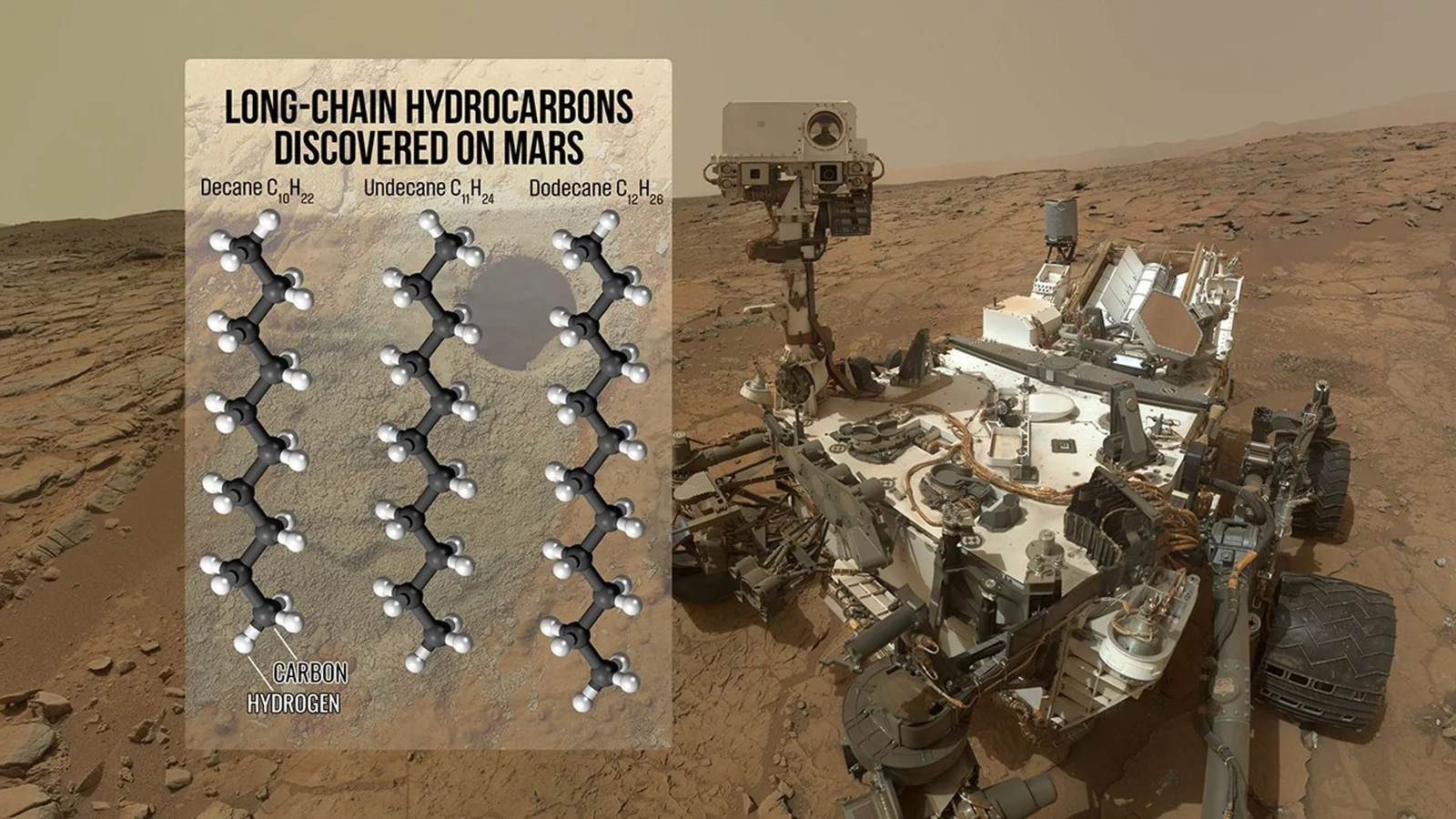
A NASA-led analysis of long-chain organic molecules found in the Cumberland mudstone sampled by the Curiosity rover suggests the organics could plausibly arise from biological processes. While nonbiological explanations were increasingly unlikely, the researchers stop short of proving past life on Mars, noting that larger molecules and definitive biosignatures may require Earth-based experiments and a future Mars sample-return mission.
A ScienceAlert weekly briefing highlights a Mars organics puzzle unsolved by non-biological processes; TLC-2716 reduces remnant cholesterol by up to 61% in a short trial; an implant-based sleep apnea treatment reports a 93% success rate; Alzheimer's linked to disrupted brain replay in mice; brain-aging reversal seen in lab by boosting DMTF1; and a Milky Way core model proposes fermionic dark matter rather than a black hole.
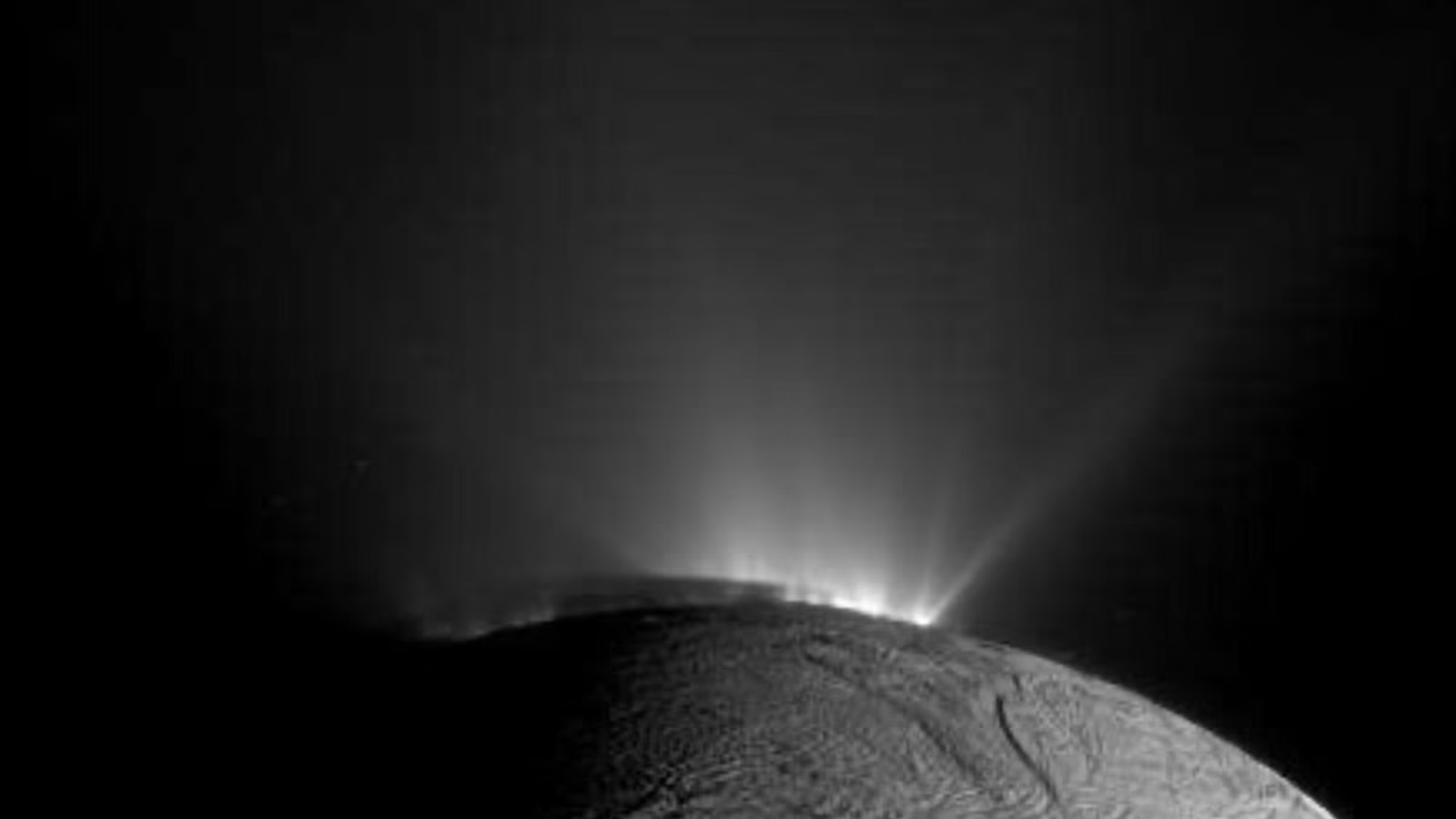
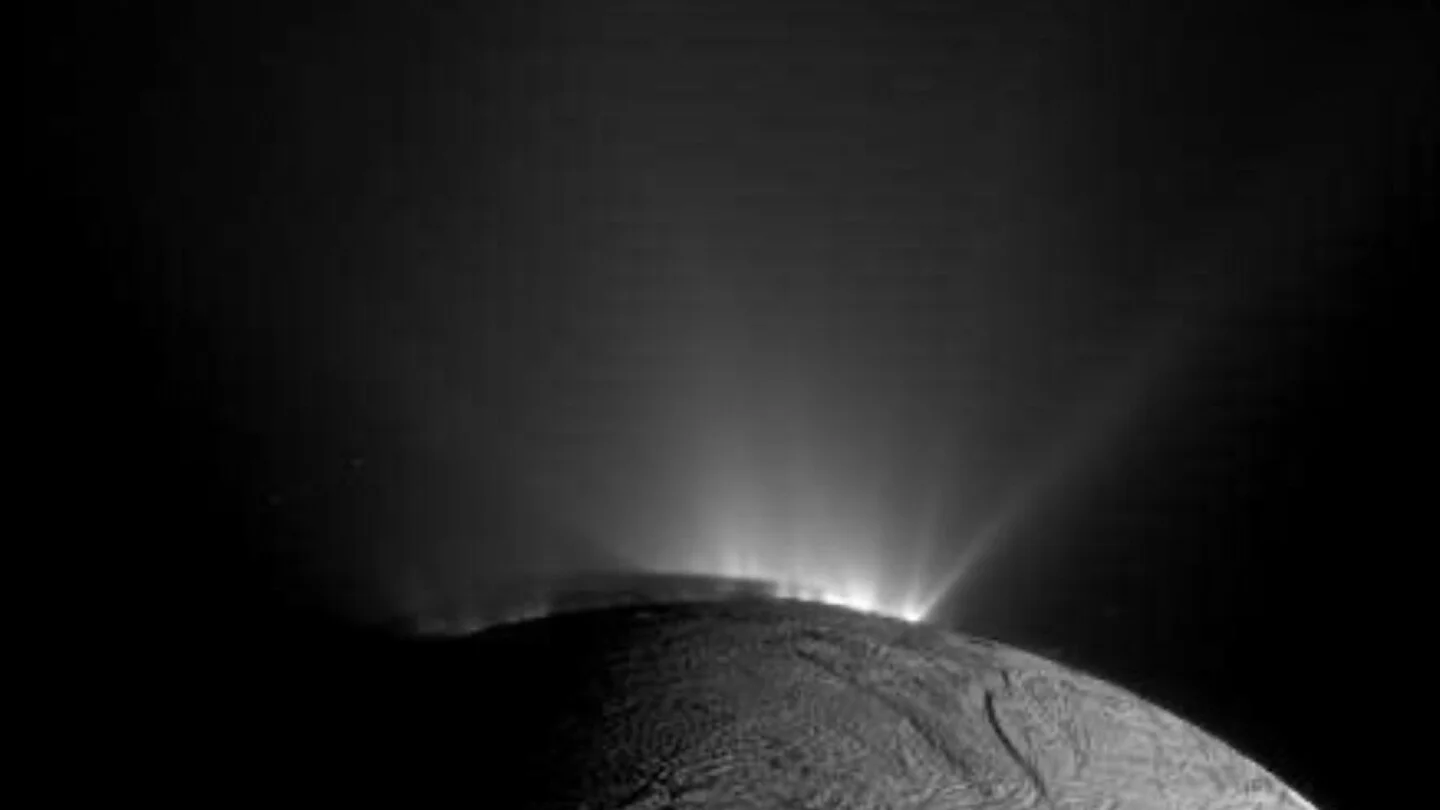
Scientists analyzing new ice grains from Saturn's moon Enceladus, based on data from NASA's Cassini spacecraft, found organic molecules that suggest the moon's subsurface ocean may have conditions suitable for life, bolstering its status as a prime candidate in the search for extraterrestrial habitability.
Scientists analyzing data from NASA's Cassini spacecraft have discovered new types of organic molecules in icy geysers from Saturn's moon Enceladus, suggesting the moon's subsurface ocean may be habitable and further supporting the case for future exploration missions.
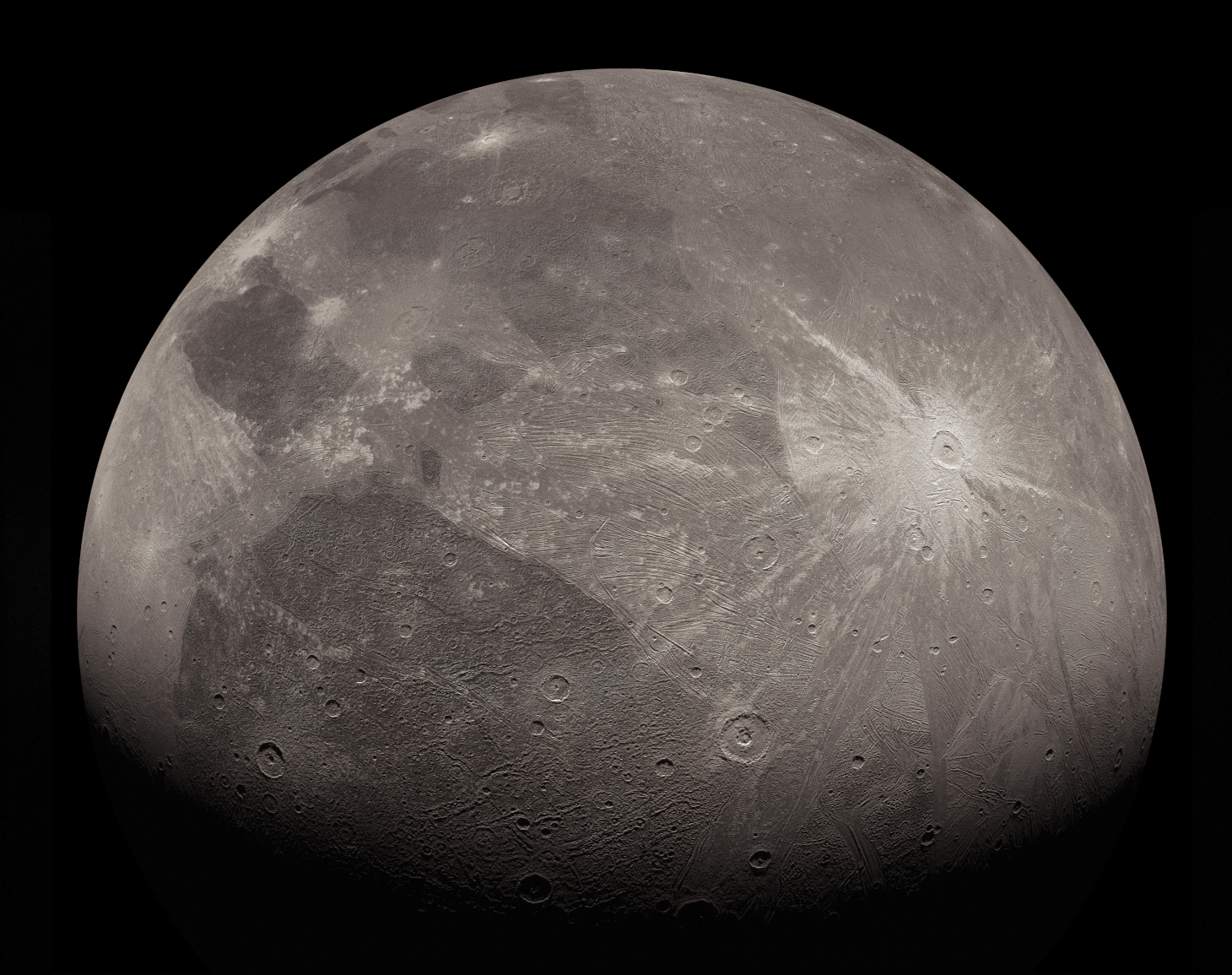
NASA's Juno mission has discovered mineral salts and organic compounds on the surface of Jupiter's moon Ganymede. The Jovian InfraRed Auroral Mapper (JIRAM) spectrometer aboard the spacecraft collected data during a close flyby, revealing the presence of hydrated sodium chloride, ammonium chloride, sodium bicarbonate, and possibly aliphatic aldehydes. These findings provide insights into the composition of Ganymede's deep ocean and its formation process. The spatial resolution of the JIRAM data was unprecedented, allowing scientists to analyze the unique spectral features of non-water-ice materials. Ganymede, the largest moon of Jupiter, has long been of interest due to its hidden internal ocean of water beneath its icy crust.
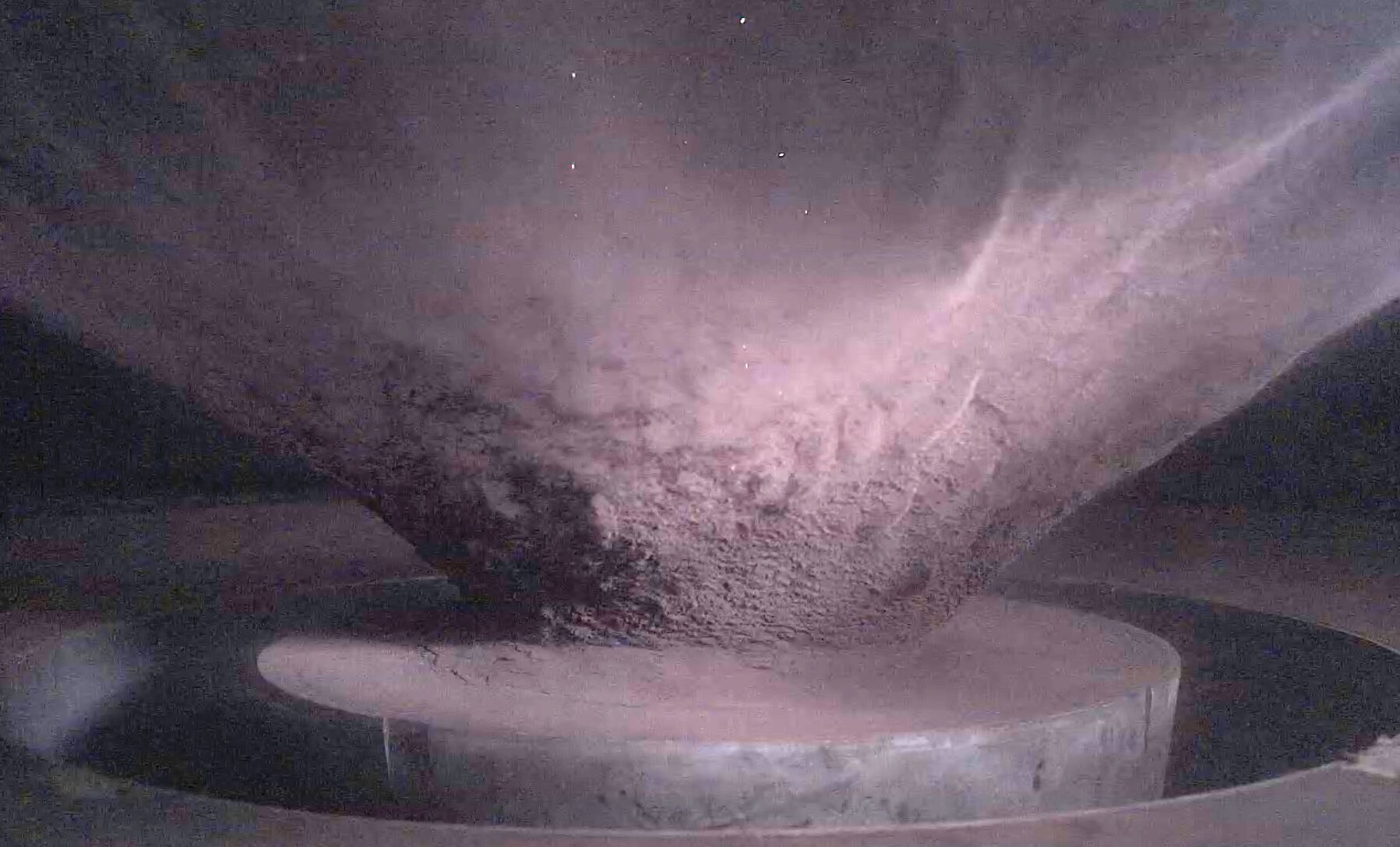
New research using hypervelocity impact experiments and data from the Dawn spacecraft sheds light on the origin and distribution of aliphatic organics on the dwarf planet Ceres. The experiments simulated impact conditions on Ceres, revealing that the organics are resilient to impacts and may be more widespread than previously thought. The analysis of the data suggests that the organics likely formed on Ceres in the presence of water, increasing the astrobiological potential of the dwarf planet. The findings also have implications for understanding the distribution of organics in the outer solar system and may inform future missions to Ceres.
NASA's OSIRIS-REx mission has successfully collected samples from the asteroid Bennu, with initial analysis revealing the presence of carbon and water in the material. The asteroid is believed to be a time capsule that can provide insights into the formation of terrestrial planets and the origins of life. Scientists hope that studying the samples will help answer questions about how Earth and Mars formed and whether asteroids played a role in delivering the building blocks for life. The recovered material will be loaned to scientists worldwide for further analysis.
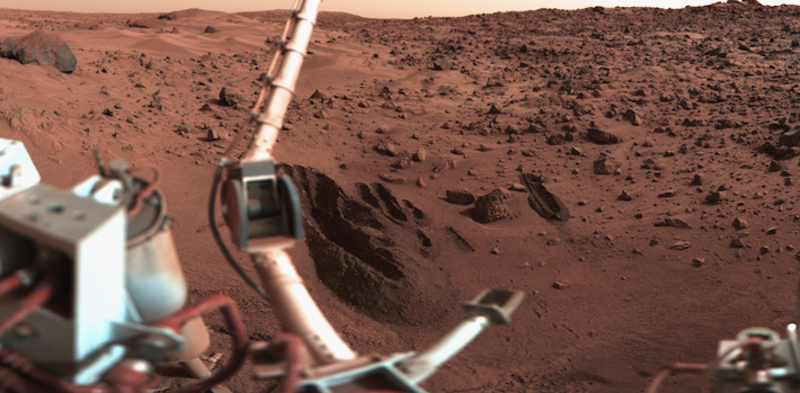
The Viking 1 and 2 landers, which analyzed Martian soil for microbial life in the 1970s and 1980s, yielded inconclusive results. While some experiments suggested the presence of microorganisms, the lack of abundant organic material in the soil led scientists to dismiss the positive results as erroneous. However, a new theory suggests that the soil tests may have accidentally destroyed the microbes. Recent missions, such as Curiosity and Perseverance, have confirmed the presence of organics on Mars, which were previously thought to be contaminants. The addition of water to the soil samples may have drowned the dormant microbes, and it is speculated that Martian microbes could use hygroscopicity to absorb water directly from the atmosphere. Another possibility is that Martian microbes contain hydrogen peroxide, which could explain the puzzling Viking results. The intense heat from the analysis process may have killed the microbes, and the hydrogen peroxide could have reacted with organic compounds, producing carbon dioxide. The debate over whether the Viking landers found life on Mars continues, but the results provide valuable insights for future life-detection missions.