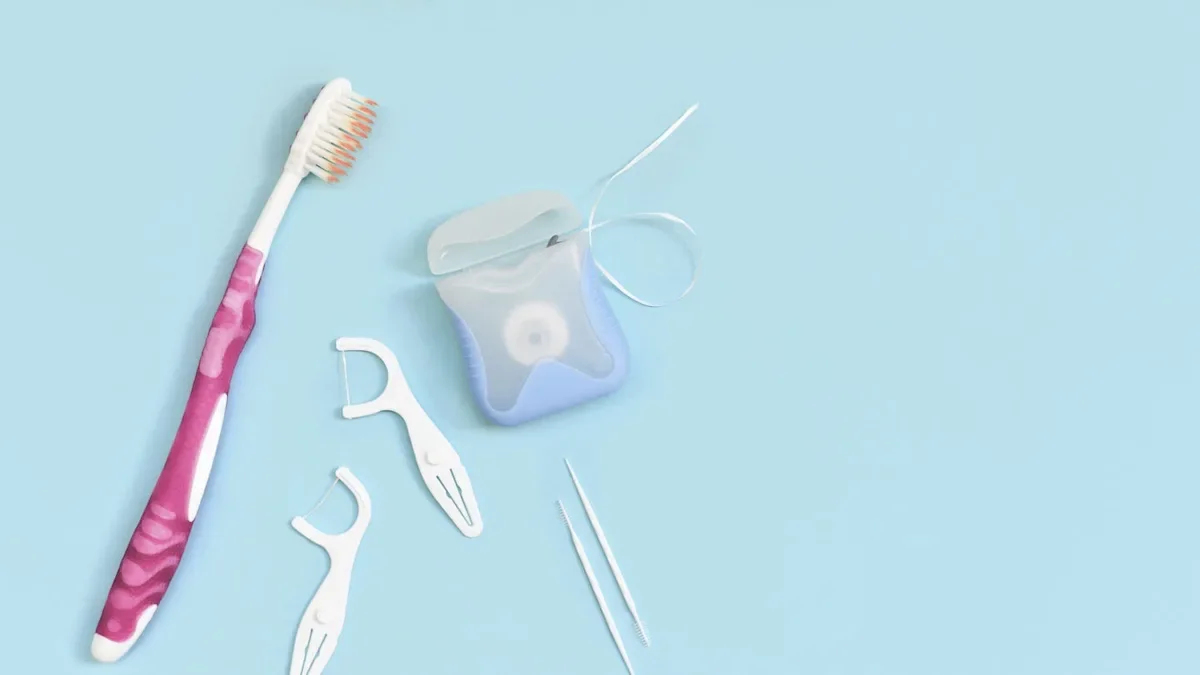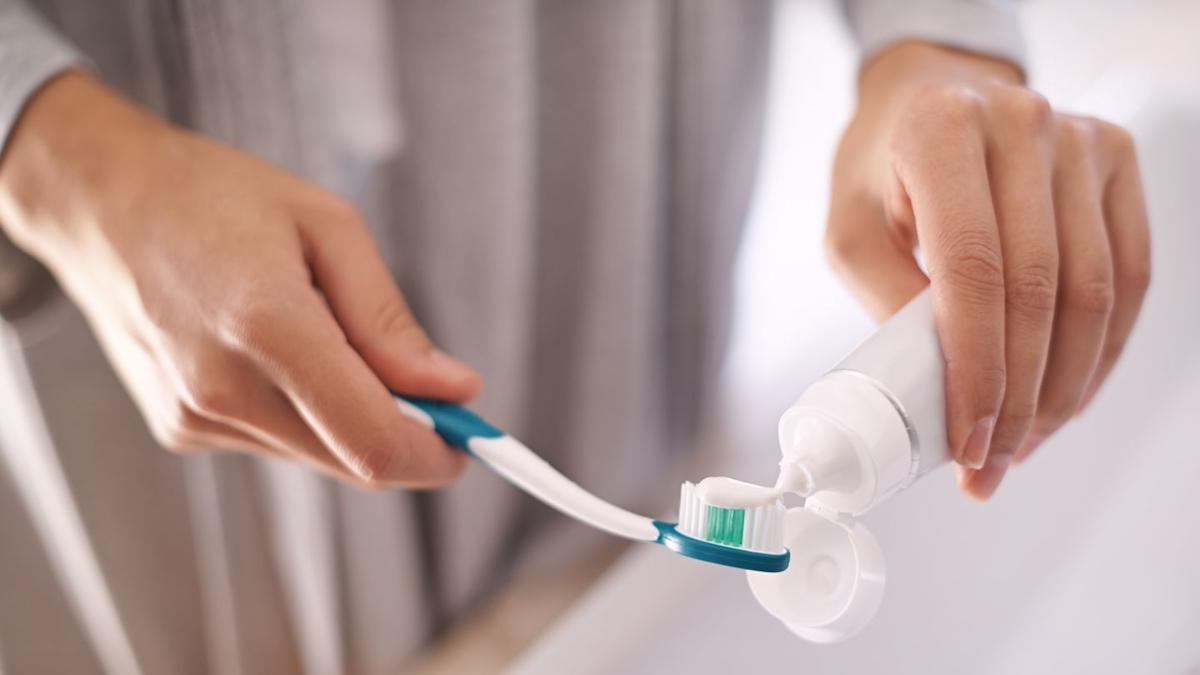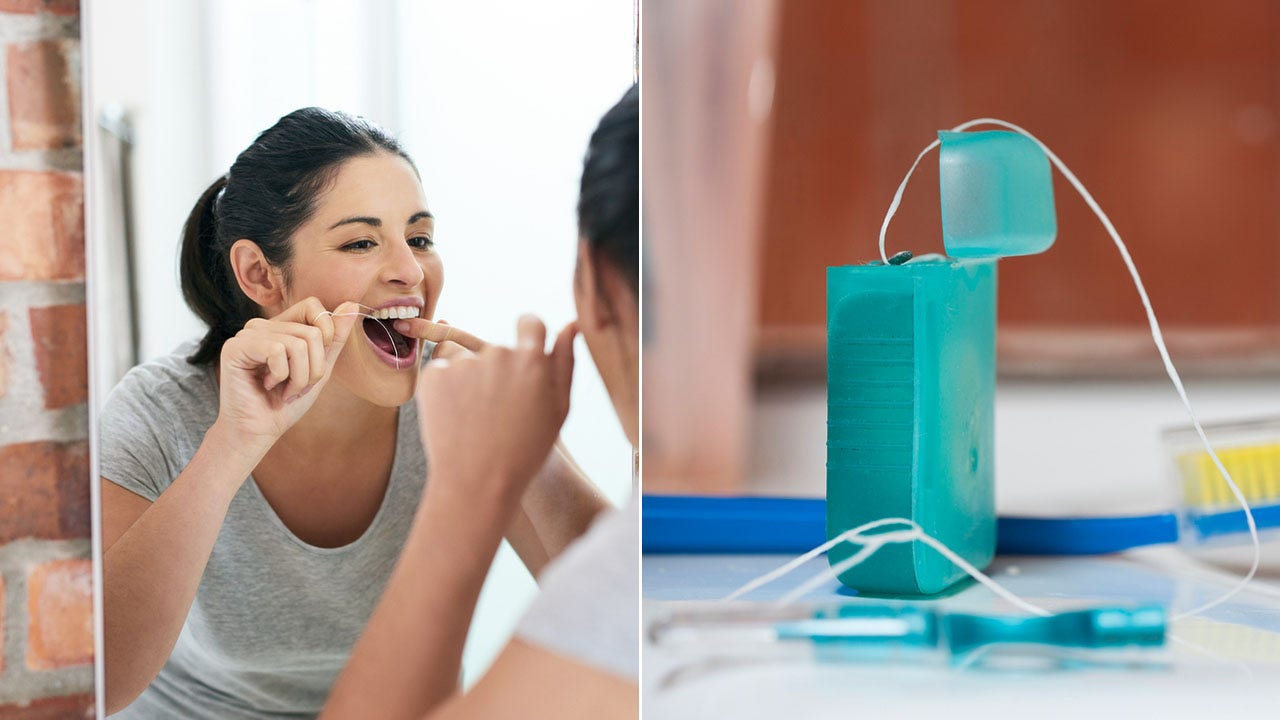
Dentists recommend flossing before brushing to effectively remove debris and plaque, allowing fluoride from toothpaste to better strengthen teeth and improve oral health. Flossing first dislodges particles from between teeth, making brushing more effective, especially when done at night as part of a daily routine. The best flossing tool is the one you will use consistently, whether traditional floss, picks, or water flossers.
A naturopathic doctor emphasizes that flossing after every meal, a simple and quick habit, can significantly reduce the risk of heart attack, stroke, and dementia by preventing gum disease bacteria from entering the bloodstream and damaging organs, supported by recent research linking oral health to serious health conditions.
A preliminary study suggests that regular flossing may significantly reduce the risk of stroke and improve heart health by reducing inflammation and gum disease, although more research is needed. Despite its benefits, only 31% of Brits floss daily, highlighting a widespread neglect of this simple, affordable habit that could contribute to better overall health.
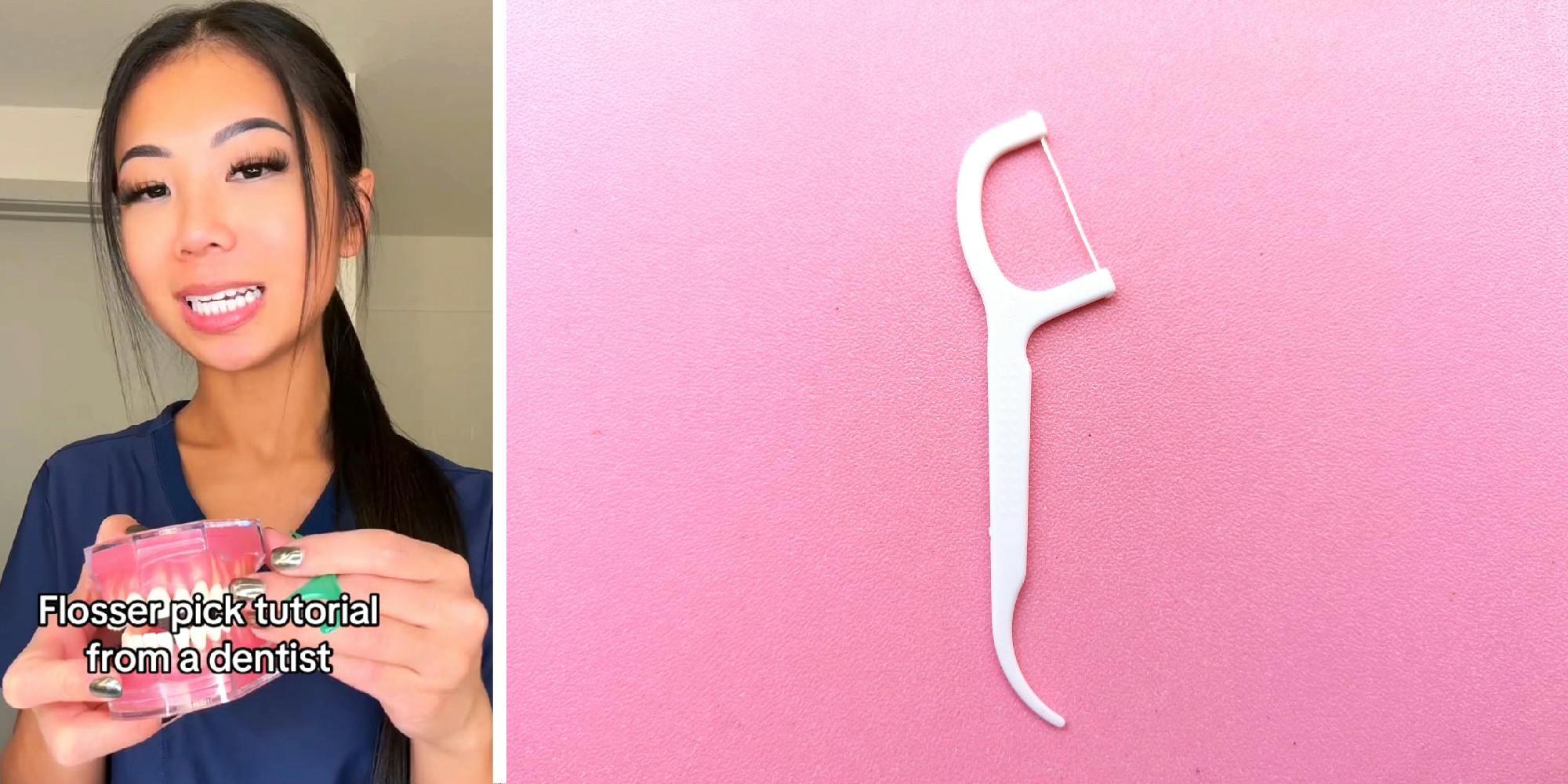
Dentist Lulu Tang advises against using flossing picks for cleaning teeth, as they may not effectively clean below the gum line and can damage gums if used improperly. In a viral TikTok video, she demonstrates the correct 'c-shape' technique for flossing and suggests using multiple picks per session to avoid spreading bacteria. While some viewers agree with her advice, others defend the convenience of flossing picks, especially for those with small mouths or difficulty using traditional floss.
A study conducted by researchers at Tufts University School of Dental Medicine (TUSDM) found that people who learned and consistently used proper flossing technique showed fewer indicators of potential severe gum disease than those who did not. The study focused on the "adapted horizontal vertical flossing technique" (AHVFT) and found that participants who received flossing instruction and followed a daily regimen had a 70% reduction in bleeding gums compared to the control group. Proper flossing technique is crucial in removing dental plaque and biofilm, which can lead to decay and gum inflammation. The AHVFT technique, similar to the one promoted by the American Dental Association, helps prevent unintentional damage to the gums.
Flossing your teeth daily not only leads to less plaque, fewer cavities, and healthier gums, but it can also lower your risk of heart disease. Gum disease can cause high blood pressure and lead to inflammation and bacteria in the heart. Some 43% of adults 30 and older have some type of gum disease, according to statistics from the Centers for Disease Control and Prevention (CDC). For best results, floss once a day, ideally at night before you go to bed, and visit a dentist regularly.
Dental experts have revealed the most common mistakes people make when brushing their teeth, including forgetting to floss, not brushing before bedtime, waiting until after breakfast to brush teeth, and using teeth as tools. Neglecting oral health can lead to issues such as gum disease, teeth abscesses, decay, infections, and tooth loss. Flossing daily is important for optimum teeth and gum health, as well as overall wellbeing. Brushing teeth with fluoride toothpaste before breakfast is recommended, as brushing after eating can damage teeth.
Dental hygiene professionals answer common questions about dental care. Brush your teeth twice a day for two minutes a day, floss at least once a day, and visit a dentist at least once or twice a year. Brushing technique is more important than toothpaste. Wait at least 30 minutes after eating before brushing. Whitening toothpaste and home remedies can be abrasive and cause sensitivity. The ideal way to whiten teeth is to ask a dentist for professional advice. Dental schools, federally qualified health centers, and mobile dental clinics offer low-cost/no insurance options.