Maintaining good oral hygiene, including regular brushing, flossing, and dental visits, can significantly reduce the risk of serious health issues such as heart disease, stroke, and dementia. Consuming omega-3 rich foods, nitrate-rich vegetables like beetroot, and high-fiber foods, along with regular exercise and possibly deep cleaning treatments, can improve oral and overall health, highlighting the mouth-body connection.
A study from Tufts University highlights that nearly one in three young adults in the US skipped dental visits in the past year, mainly due to cost, lack of insurance, and social factors, emphasizing the urgent need to integrate dental care into overall health systems and address disparities to improve long-term health outcomes.
Teeth grinding at night, or bruxism, is often caused by stress, medications, or sleep issues, and can lead to dental damage and headaches. Managing stress, using night guards, maintaining good sleep hygiene, and seeking dental or medical advice are effective ways to address the condition.
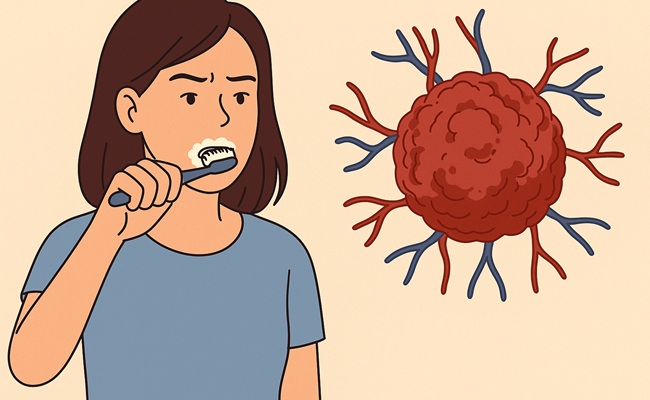
A study by AIIMS Delhi emphasizes the importance of oral hygiene in preventing serious illnesses like cancer, highlighting that good dental practices can reduce risks of head, neck, lung, breast, and digestive system cancers, and that maintaining oral health is crucial before, during, and after cancer treatments. The study advocates for increased awareness, policy changes, and integrated oral health programs to improve health outcomes, especially in South Asia.
Dental experts emphasize that tooth loss in aging adults is not inevitable and can be prevented through proper oral hygiene, regular dental visits, managing gum disease, quitting smoking, and addressing dry mouth, with personalized care being crucial.
The debate over fluoride in water supplies has intensified following recent reports and a court ruling questioning its neurodevelopmental effects, despite its well-documented benefits in reducing tooth decay. While the CDC and major health organizations continue to endorse water fluoridation, citing no significant adverse health effects, new studies suggest potential links to lower IQ in children at higher exposure levels. This has prompted calls for updated risk-benefit analyses and further research, as some communities reconsider their fluoridation policies.
Maintaining good oral hygiene is crucial for overall health, preventing issues like periodontal diseases and heart conditions. Experts recommend brushing twice daily with fluoride toothpaste, flossing, using alcohol-free mouthwash, avoiding sugary foods and tobacco, staying hydrated, and having regular dental check-ups.
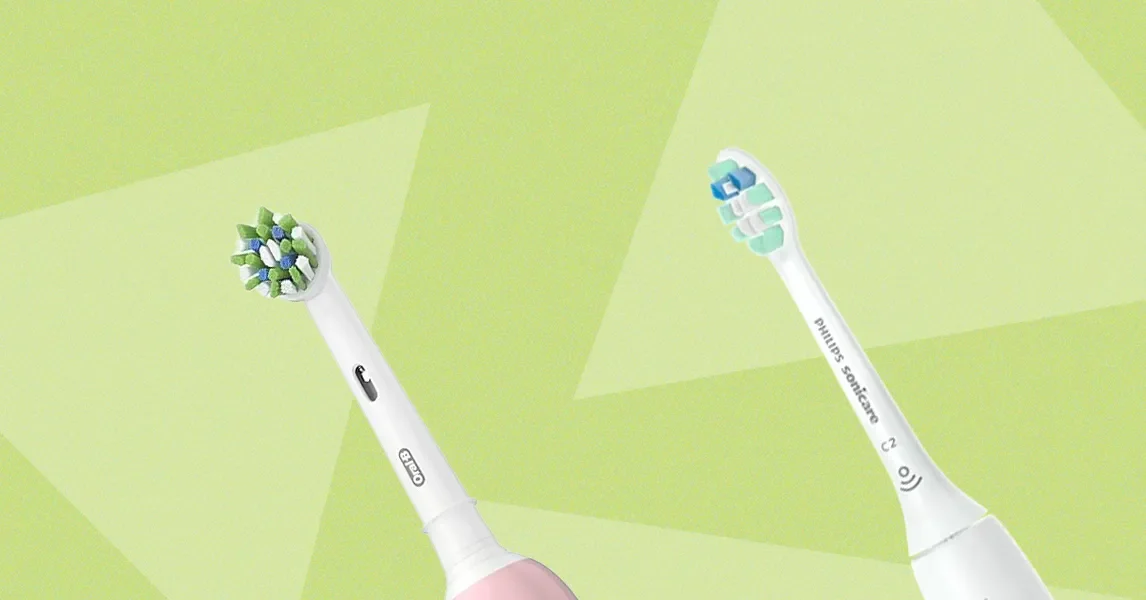
The Y-Brush DuoBrush offers a combination of a U-shaped brush and a regular sonic brush head, providing a quick and convenient option for dental care. While the U-shaped brush can be useful for those with mobility issues or for quick cleaning, it is not a complete replacement for traditional brushing. The product is priced at $80 and requires head replacements every four months, costing $40.
Dental experts highlight the significant impact food can have on dental health, identifying three of the worst foods for your teeth and offering tips on how to protect them from damage.
Dental experts are advising against rinsing after brushing teeth, as it washes away the fluoride from the toothpaste. Instead, it's recommended to simply spit out excess toothpaste or wait 20 minutes before rinsing. For children, it's important to monitor the amount of fluoride ingested, with younger kids using a rice grain-sized amount of toothpaste and older kids using a pea-sized amount. Additionally, drinking too much water throughout the day can dilute saliva, which is important for protecting tooth enamel and preventing tooth decay.
Dentists recommend not rinsing after brushing with fluoride-containing toothpaste to allow the fluoride to stay on the teeth and provide added protection against cavities. Rinsing lightly or delaying the rinse by about 20 minutes is also suggested, while using a fluoride-containing mouthwash is an alternative for those who prefer to rinse. Children should also follow these brushing habits, with caregivers supervising to ensure they do not ingest too much fluoride.
Treating gum disease after a procedure to correct atrial fibrillation, an irregular heartbeat, may reduce the risk of the condition reoccurring, according to a study by researchers at Hiroshima University. Inflamed gum tissue may allow bacteria to enter the bloodstream, affecting the heart, and the study found that treating gum disease after ablation lowered the likelihood of atrial fibrillation reoccurrence. While the study was relatively small, it suggests a potential link between gum disease and heart health, emphasizing the importance of dental care in preventing and managing heart-related conditions.
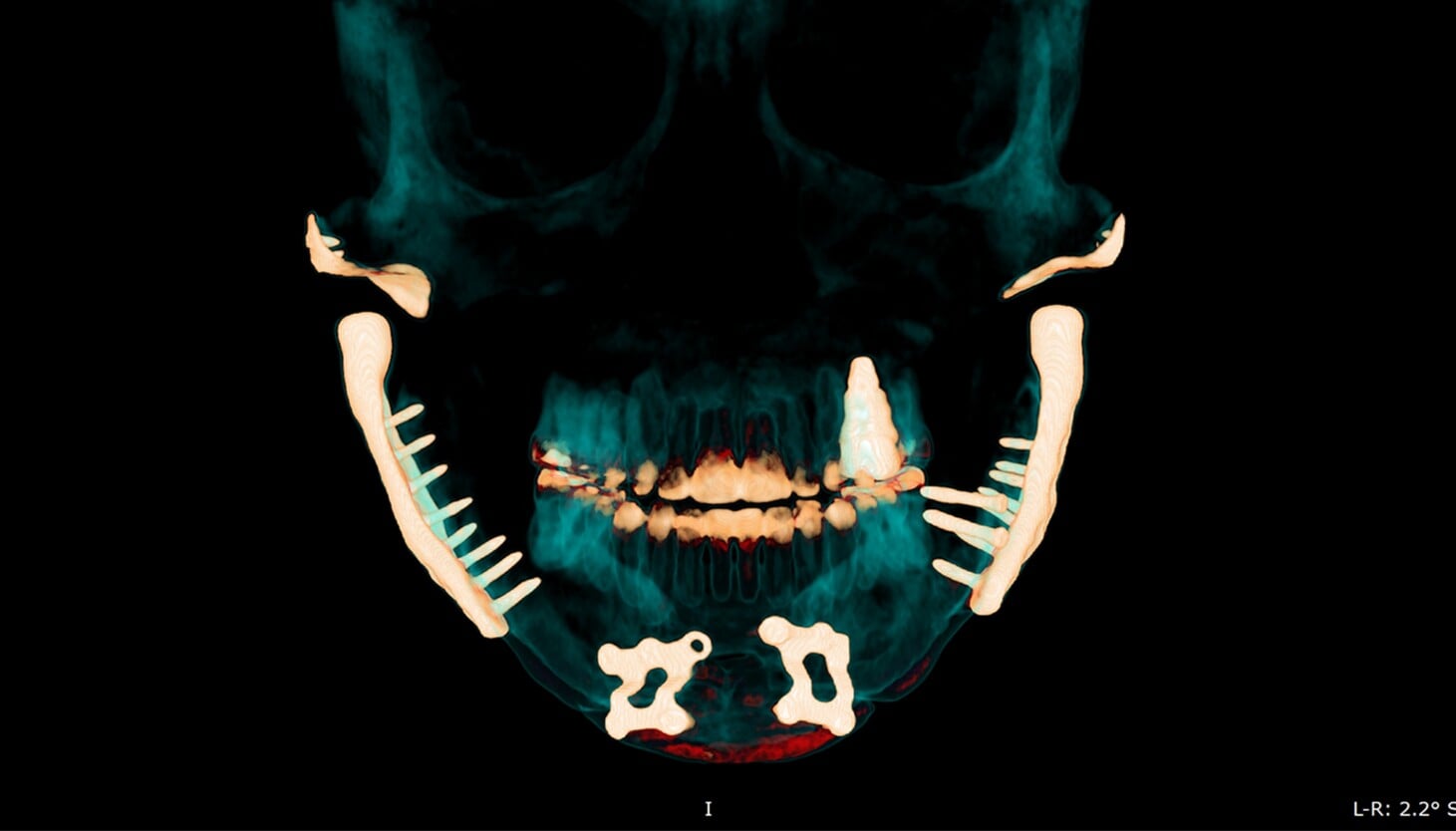
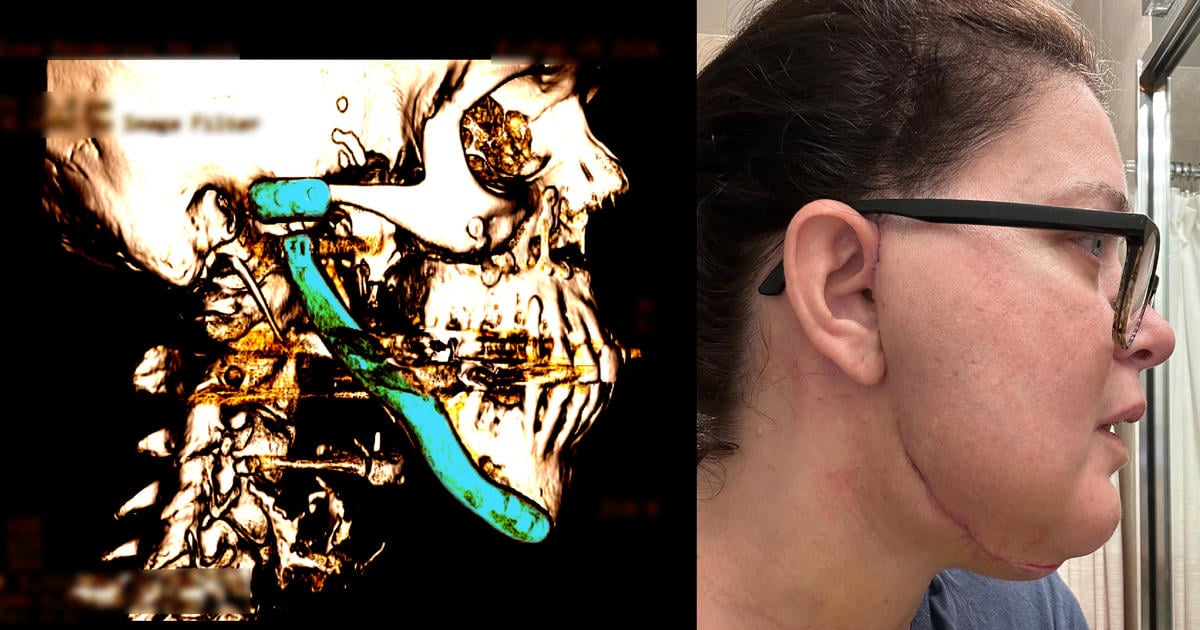
Temporomandibular joint disorders (TMJ) afflict up to 33 million Americans, with many patients enduring numerous surgeries and futile treatments, including metal jaw replacements, due to the misunderstood and under-researched nature of the condition. Severe symptoms, predominantly affecting women, can lead to chronic pain and limited jaw function. The lack of effective treatments and the historical dismissal of TMJ disorders have left patients feeling trapped in escalating care with diminishing hope. The National Academies of Sciences, Engineering, and Medicine have highlighted the inadequacy of current treatments and the need for better education, research funding, and improved care for TMJ disorders.
Temporomandibular joint disorders (TMJ) afflict up to 33 million Americans, causing chronic pain and stiffness in the jaw and face, with severe symptoms more common in women. Despite decades of dental treatments, TMJ remains misunderstood and ineffectively treated, leading some patients to undergo multiple surgeries, including total jaw replacements with metal hinges. The lack of compelling scientific evidence and consistent results for TMJ treatments has left patients feeling trapped in a cycle of futile care, with many regretting the treatments they received. The National Academies of Sciences, Engineering and Medicine and the NIH have highlighted the inadequacy of TMJ treatments, calling for better education and research funding to improve care for this debilitating condition.
NHL Stanley Cup contenders make pre-deadline trades, Health Canada clarifies eligibility for national dental care plan, school bus driver charged after rollover, "hypervaccinated" patient had 217 COVID-19 jabs, UK woman's cancer diagnosis highlights long waiting times.