The FDA announced restrictions on prescription fluoride for children, advising that most should avoid ingestible fluoride unless at high risk for tooth decay, citing potential health risks and limited benefits, while stopping short of a complete ban.
The FDA announced actions to restrict the sale of unapproved ingestible fluoride products for children, citing potential health risks and lack of approval, and is working to develop a national oral health strategy.
The article covers various updates on children's health policies, including efforts to restrict junk food in food assistance programs, praise for political support of health initiatives, delays in new dietary guidelines, upcoming educational initiatives on screen time, ongoing FDA efforts to limit food dyes, restructuring of health agencies, and research on fluoride, autism, and vaccine safety, with some controversial viewpoints expressed.
Researchers at the University of Adelaide have developed a sunlight-activated material that can break down harmful PFAS chemicals in water into harmless fluoride, offering a promising low-energy solution for environmental cleanup and water safety.
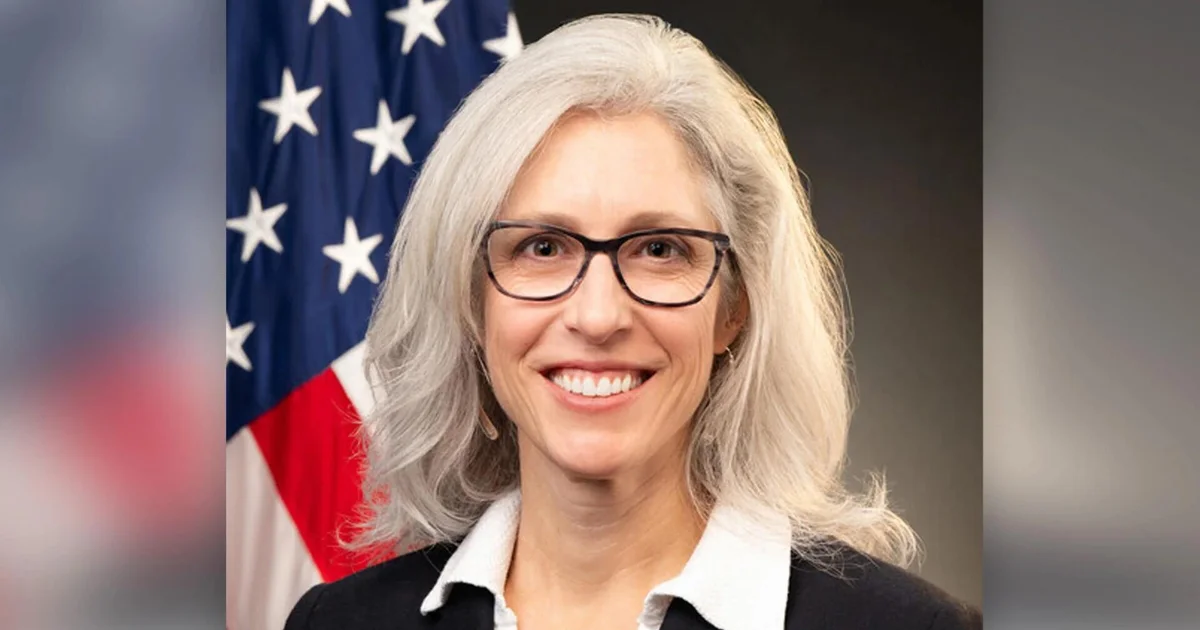
The U.S. Senate confirmed Susan Monarez as the new CDC director, praising her extensive experience in health innovation and her commitment to science-based decision making, especially on issues like vaccines and fluoride, amid ongoing debates and public health challenges such as measles outbreaks.
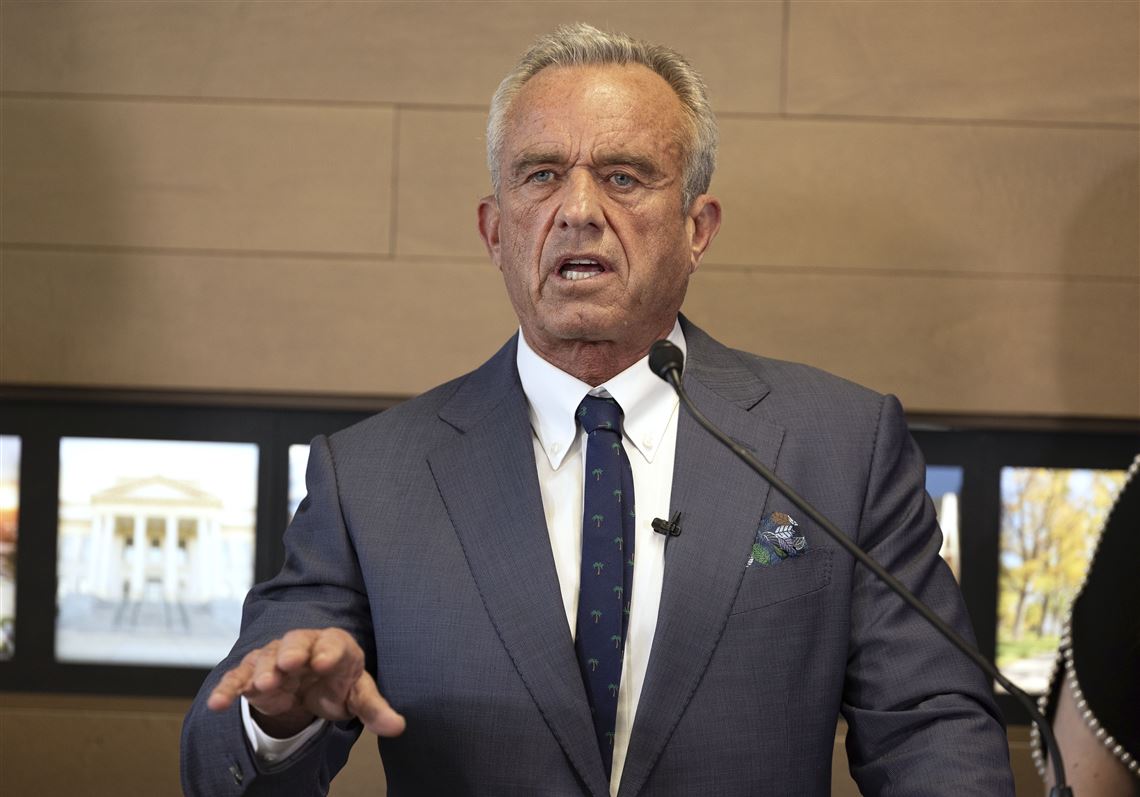
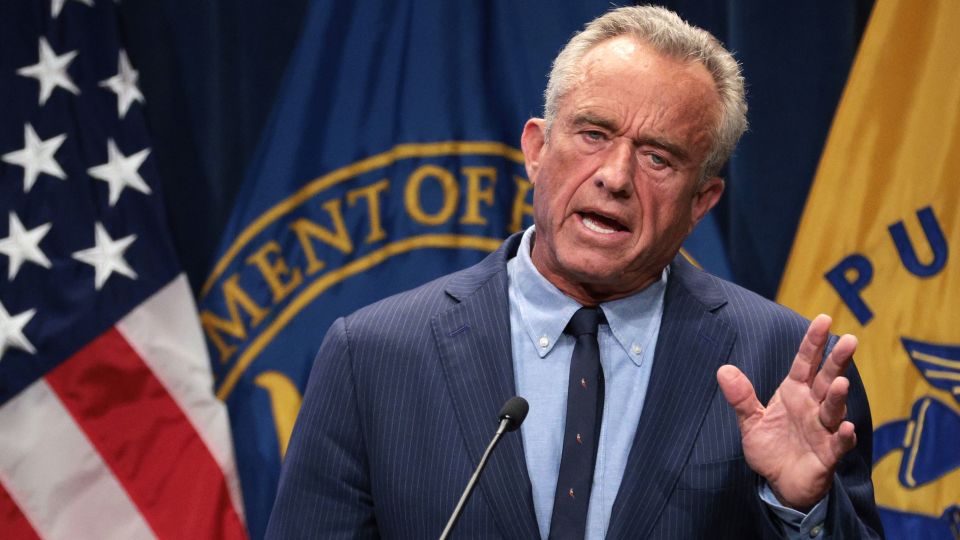
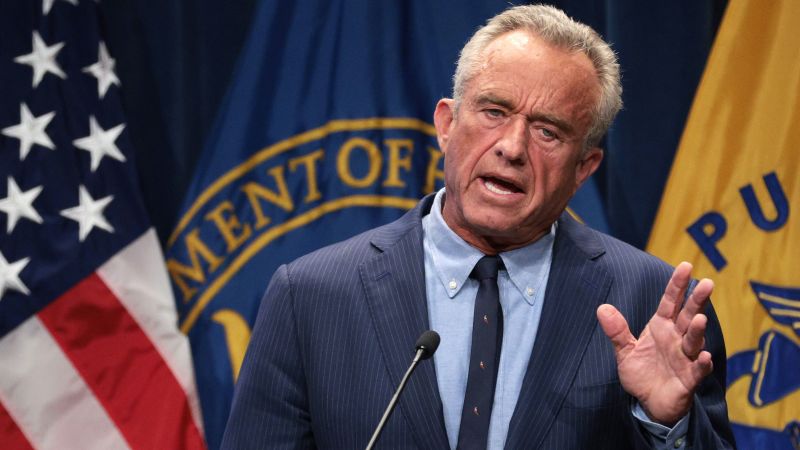
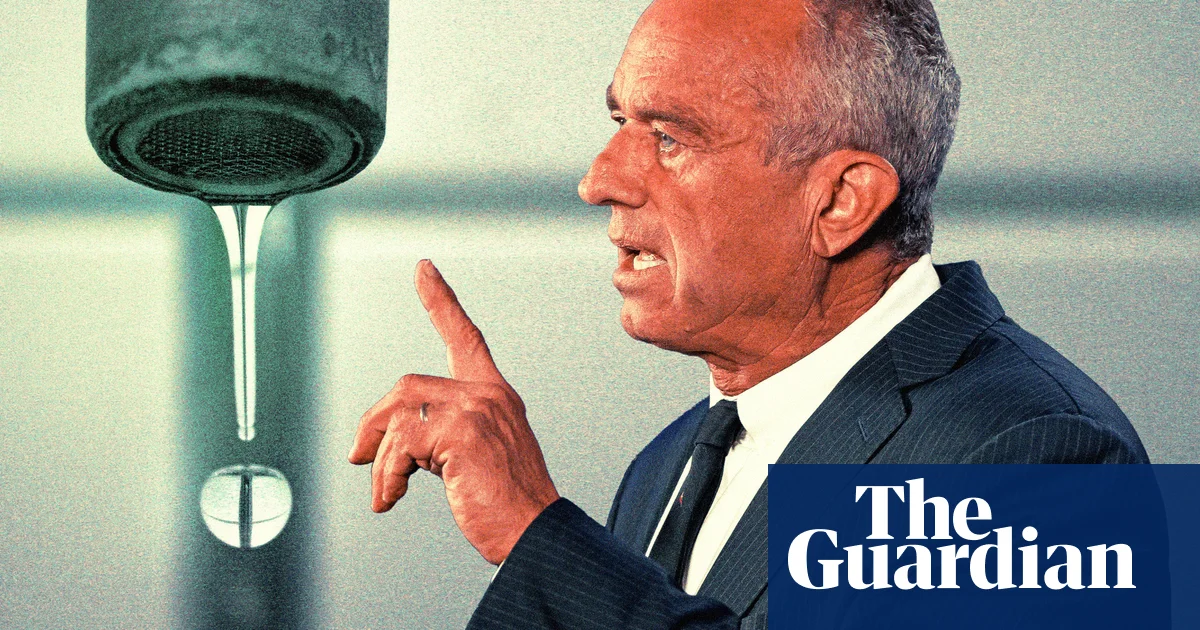
RFK Jr. has expressed anti-fluoride views, which could lead to more cavities and dental health issues, especially affecting vulnerable populations. Analyzing his dental health, he appears to maintain decent oral hygiene, but his stance on fluoride raises concerns about public health impacts, particularly for low-income communities. The article highlights the importance of fluoride in preventing dental decay and the potential consequences of banning it.
Legislators in Pennsylvania are considering bills to ban fluoride in public water systems amid concerns about safety, despite scientific evidence supporting fluoride's role in preventing tooth decay. The debate reflects broader national discussions following recent bans in Utah and Florida, with health advocates warning of increased cavities if fluoride is removed, while some lawmakers cite potential health risks.
A new documentary by MAHA highlights four key factors—ultraprocessed foods, seed oils, pesticides, and fluoride—that may contribute to health issues and chronic diseases in Americans, sparking debate about their safety and impact based on current research. The film advocates for dietary and environmental changes to improve public health.
A new documentary by MAHA highlights four key factors—ultraprocessed foods, seed oils, pesticides, and fluoride—that may contribute to health issues and chronic diseases in the US, supported by research but also facing some controversy and calls for lifestyle and policy changes.
A new study estimates that removing fluoride from water in the US could lead to a 7.5% increase in cavities among children, affecting 25.4 million teeth and costing approximately $9.8 billion, highlighting the public health benefits of water fluoridation despite ongoing political debates and concerns about potential risks.
Recent discussions on fluoride's health benefits have intensified following a US federal toxicology report, a court ruling, and an independent scientific review, all suggesting a need for updated risk-benefit analysis. Experts like Catherine Carstairs and Oliver Jones discuss the historical and scientific perspectives on fluoridation.
The debate over fluoride in water supplies has intensified following recent reports and a court ruling questioning its neurodevelopmental effects, despite its well-documented benefits in reducing tooth decay. While the CDC and major health organizations continue to endorse water fluoridation, citing no significant adverse health effects, new studies suggest potential links to lower IQ in children at higher exposure levels. This has prompted calls for updated risk-benefit analyses and further research, as some communities reconsider their fluoridation policies.
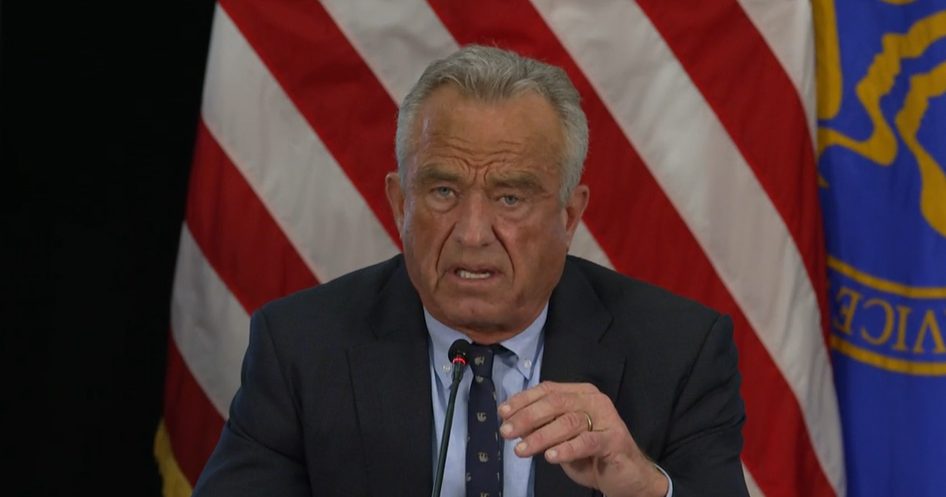
The role of fluoride in public water supplies is being reconsidered, with 98% of Illinois residents consuming fluoridated water. While dental professionals advocate for its benefits in preventing tooth decay, critics, including Robert F. Kennedy Jr., argue against its safety, citing potential health risks. The debate has intensified with recent legal and scientific developments questioning the safety of fluoride ingestion, despite longstanding support from health organizations. The future of water fluoridation remains uncertain as local and federal discussions continue.
The article discusses the debate over water fluoridation in the U.S., highlighting its benefits in preventing tooth decay and its potential health risks at high concentrations. Fluoride is added to water in many countries to improve oral health, but concerns about its safety have been raised, including potential links to neurodevelopmental issues. President-elect Donald Trump has chosen Robert F. Kennedy Jr. as Health and Human Services secretary, who has expressed intentions to remove fluoride from public water systems. The article also explores alternative fluoride delivery methods used in other countries.
Florida's Surgeon General Joseph Ladapo has advised local governments to stop adding fluoride to drinking water, calling it "public health malpractice." This recommendation contradicts the consensus among health experts that fluoridation significantly improves dental health and prevents cavities. Ladapo cites research suggesting high fluoride exposure may harm children's neurological development, though major health organizations continue to support water fluoridation for its dental benefits. The Florida Department of Health has issued new guidance following Ladapo's announcement.