The article narrates Tyler Grey's struggle with opioid addiction following a military injury, highlighting the physical and emotional toll of dependency on pain medication, and emphasizing the overlooked risks of pain management drugs like OxyContin and Dilaudid.
A recent analysis suggests that the GOP tax law could lead to approximately 1,000 additional overdose deaths annually by reducing Medicaid access for those with opioid use disorder, highlighting concerns about the law's impact on addiction treatment and public health progress.
The FDA has issued a warning about tianeptine, a substance sold as a dietary supplement but known as 'gas station heroin' due to its opioid-like effects and potential for overdose and dependence, despite not being approved in the US. It is often sold online and in shops, with reports of addiction, withdrawal, and overdose cases, raising concerns about its unregulated use and detection challenges.
A study from the University of Maryland School of Medicine reveals that prenatal exposure to THC, the psychoactive component in cannabis, can rewire the fetal brain, increasing the risk of opioid addiction later in life. The research, published in Science Advances, shows that THC exposure during pregnancy alters the brain's reward system, particularly in males, leading to heightened dopamine release and increased opioid-seeking behavior. This underscores the need for better public health education and guidelines for cannabis use during pregnancy, as well as further research into mitigating these effects.
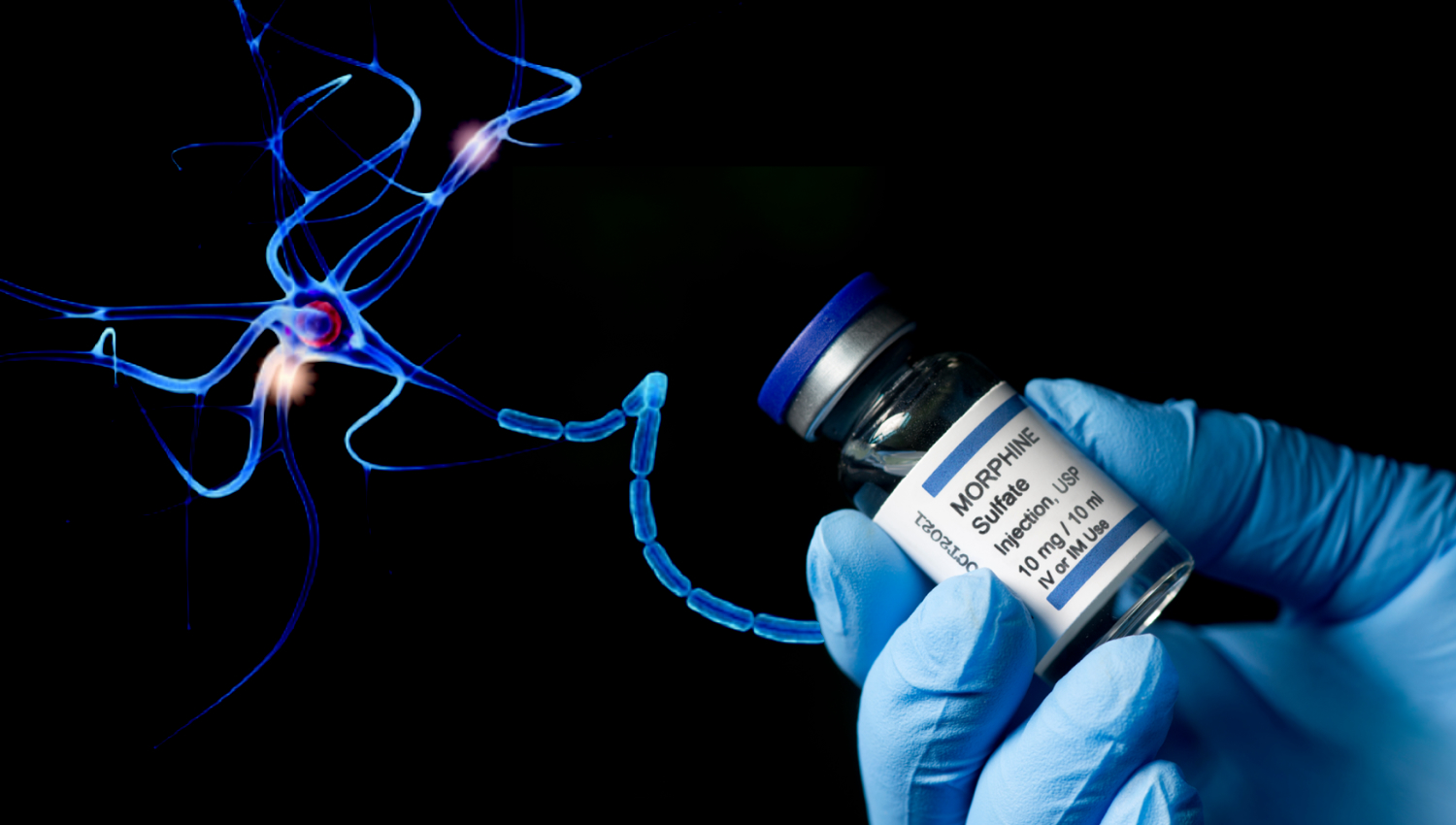
Stanford Medicine research reveals that adaptive myelination, a process crucial for learning and skill acquisition, can also promote opioid addiction by enhancing the brain's reward circuitry. In mice, a single dose of morphine triggered myelination of dopamine-producing neurons, leading to drug-seeking behavior. Blocking myelination prevented addiction, suggesting potential strategies for treating opioid dependence.
Switzerland's approach to addressing opioid addiction, which includes easy access to medications like methadone and prescription heroin, has led to significantly lower rates of opioid overdose and infectious disease transmission compared to the United States. The Swiss model, characterized by patient autonomy and quality of life, has been adopted by several European countries, resulting in improved public health outcomes. While some American experts argue that the European approach may not be directly applicable to the U.S. due to differences in drug markets and healthcare systems, there is a growing push in the U.S. to expand access to addiction medications like methadone in order to address the ongoing overdose crisis.
A DNA test called AvertD, approved by the FDA, claims to predict genetic risk of opioid addiction, but skeptics argue that it relies on unsound science and could lead to inappropriate prescribing or stigmatization of patients. The test analyzes 15 genetic markers and uses an algorithm to generate a risk score, but critics question its validity and potential biases. While the FDA approved the test with conditions and added warnings about its limitations, concerns remain about its real-world implications and impact on patient care.
Worcester Polytechnic Institute (WPI) is leading a study funded by the NIH to determine if artificial intelligence (AI) can help steer chronic pain patients away from opioids and towards mindfulness-based approaches. The study will use machine learning to analyze patient data and predict who will benefit most from mindfulness-based stress reduction (MBSR) for chronic lower back pain, potentially reducing opioid dependence. The research aims to tailor treatments for diverse populations and could receive up to $9 million in funding over five years. The study, named IMPACT, emphasizes interdisciplinary collaboration and aims to provide healthcare providers with powerful tools to combat opioid addiction and enhance personalized pain management.
Many methadone clinics in the U.S. enforce strict and punitive rules that make it difficult for patients to maintain their recovery from opioid addiction, jeopardizing their stability and survival. Despite recent efforts to loosen regulations, clinics still face constraints that prevent them from providing convenient and compassionate care. Patients often endure indignities and red tape, and some are driven away from methadone treatment altogether. Critics argue that the system's punitive approach is rooted in the country's history of treating addiction as a crime rather than a health issue, and that the regulations are not based on medical evidence and can harm patients' health.
Despite the rising number of opioid overdoses among adolescents, a national study found that only 5 percent of pediatricians have ever prescribed buprenorphine or naltrexone for opioid use disorder, highlighting a significant gap in addiction treatment. The study underscores the need for expanded addiction training in medical schools and better incentives to treat patients with opioid use disorder. Access to addiction medications is particularly scarce for adolescents, and the stakes are high as drug overdoses and accidental opioid poisonings are the third leading cause of death for children in the United States.
Ibogaine, a powerful psychedelic derived from a Central African shrub, is gaining renewed attention as a potential treatment for opioid addiction. Despite its intense hallucinogenic effects and associated risks, studies have shown that a significant portion of individuals treated with ibogaine experienced effective recovery from opioid or crack cocaine addiction. The drug appears to alleviate withdrawal symptoms and cravings while instilling a newfound commitment to sobriety. However, ibogaine remains illegal in the United States, leading many patients to seek treatment at unregulated clinics abroad.
A study suggests that weight loss jabs like Wegovy, originally designed for obesity and diabetes, could be a more cost-effective and efficient treatment for drug addiction than traditional rehab. The study found that opiate addicts given a similar drug reported 40% fewer cravings, with some experiencing periods free of cravings entirely. The drug, liraglutide, costs significantly less than high-end rehab clinics and is being considered as a potential treatment for opioid addiction, with potential uses for smoking cessation as well.
A small study presented at the American Association for the Advancement of Science conference found that the anti-obesity drug liraglutide significantly reduced opioid cravings in patients with opioid use disorder. The study, funded by the National Institute of Drug Abuse and pharma company Novo Nordisk, showed a 30% reduction in cravings over a three-week period, with potential for an additive effect when combined with buprenorphine. While the drug was found to be safe, gastrointestinal distress led to a high drop-out rate, suggesting the need for further investigation. Despite limitations, the findings suggest liraglutide could be a promising adjunct to existing treatments for opioid addiction.
Pediatricians like Dr. Safdar Medina are treating adolescents with opioid addiction using medications like buprenorphine, but only 6% of pediatricians offer this treatment despite a rise in overdose deaths among 10-19-year-olds. The lack of training and resources, along with the prevalence of counterfeit pills laced with fentanyl, complicates efforts to combat overdoses. Experts suggest pediatricians should screen for drug use, prescribe naloxone, and engage in conversations about substance abuse. Despite concerns about side effects, buprenorphine is seen as a critical tool in saving young lives from opioid overdose.
The FDA has approved AvertD, the first genetic test to identify those at risk for opioid use disorder, but experts have expressed skepticism about the ability of polygenic tests to meaningfully identify people at high risk for psychiatric conditions like opioid addiction. While polygenic risk tests offer promise for a range of other diseases, they have limitations in predicting psychiatric conditions due to the complex interaction of genetic and environmental factors. The test's manufacturer defends the science behind AvertD, but experts emphasize the need for more diverse, larger studies to accurately identify genetic risk factors for opioid addiction and caution that genetic risk is only part of the picture, with environmental factors playing a significant role.