The Trump administration is set to announce new restrictions that effectively ban gender-affirming care for transgender youth across the U.S., including proposed rules that would cut Medicaid and Medicare funding for such treatments, coinciding with legislative efforts to criminalize and restrict gender-affirming care for minors. These measures could make access to gender-affirming care extremely difficult nationwide, especially in states where it is currently legal.

The U.S. penny shortage, accelerated by the end of penny production, is causing widespread retail disruptions, increased operational costs, and legal challenges due to rounding issues, especially during the busy holiday shopping season, with significant impacts on low-income and older Americans. Retailers are adapting by posting signs, retraining staff, and implementing tech fixes, but the lack of federal rounding rules risks legal and compliance problems.
A deadly crash in California involving an illegal immigrant truck driver has reignited debates over immigration and licensing policies, with federal and state officials clashing over the driver's legal status and the impact of immigration on road safety.
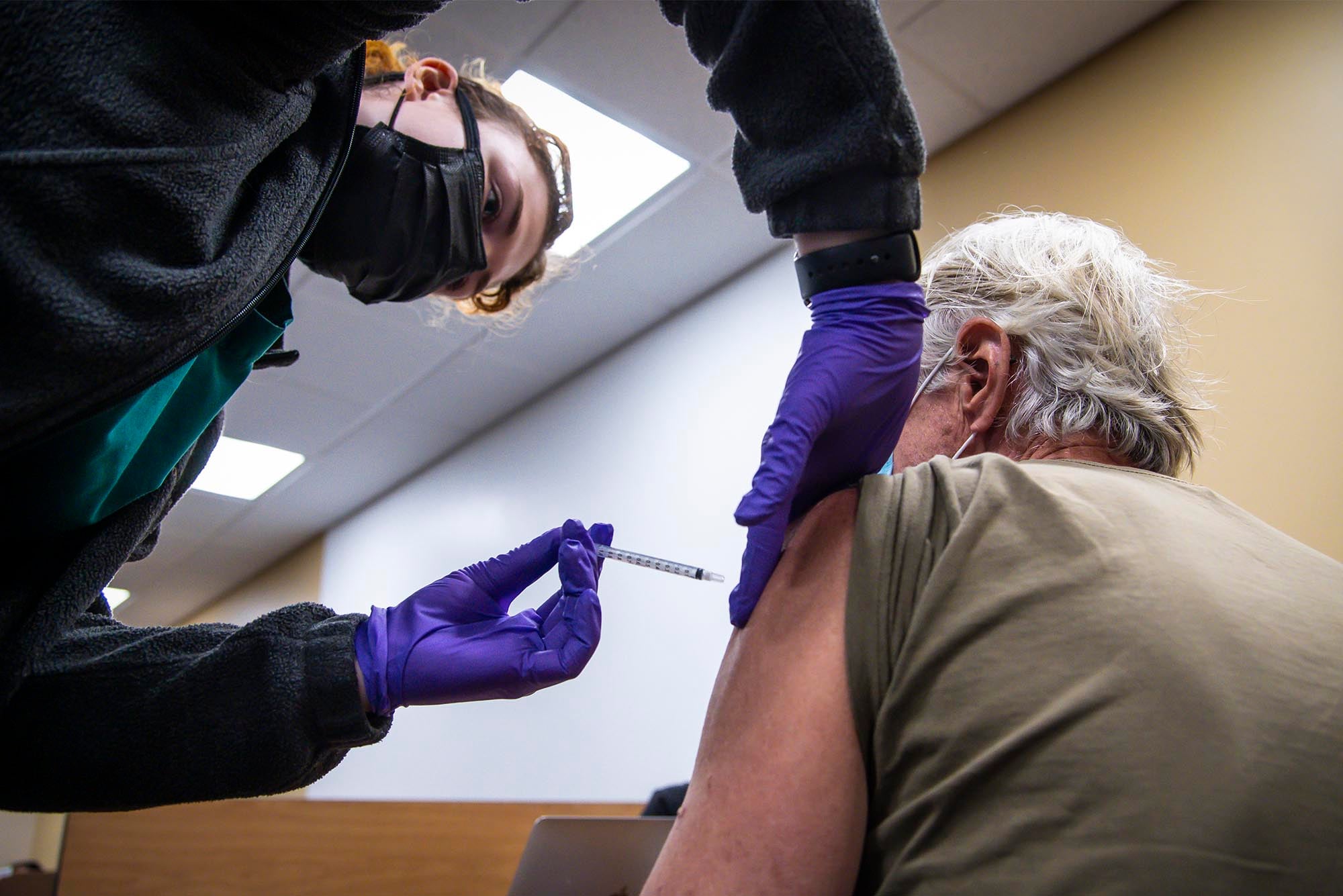
Oregon faces confusion and bureaucratic hurdles in accessing the updated COVID-19 vaccine due to differing federal and state policies, with ongoing efforts by state officials to find solutions amid inconsistent guidance and restrictions.
Vermont is working to maintain access to Covid booster shots amid tightening federal rules, with pharmacies like Kinney Drugs and CVS administering vaccines to eligible populations, while uncertainties remain around insurance coverage and federal recommendations, especially for those under 65.
The article discusses the increasing difficulties and confusion in obtaining COVID-19 vaccines in the U.S., fueled by federal regulations, political influences, and new restrictions, leading to frustration among the public and health professionals, and potentially decreasing vaccination rates amid ongoing COVID waves.
Experts warn that vaccine access and coverage this year will be complicated due to potential changes in federal vaccine recommendations, especially affecting Medi-Cal beneficiaries over 21, with private insurance plans likely to continue coverage. The situation may lead to unequal access, particularly impacting lower-income groups, as vaccine approval and distribution processes adapt to evolving federal guidelines and vaccine formulations.
The Department of Government Efficiency, under the DOGE initiative, has used an AI tool to delete over 1,000 federal regulations, aiming to save trillions in costs, though there are legal and accuracy concerns, and the process is still in early stages with limited transparency.
The U.S. DOGE Service is developing an AI tool called the 'DOGE AI Deregulation Decision Tool' to analyze and eliminate approximately 100,000 federal regulations, aiming to cut half of Washington's regulatory mandates within a year, potentially saving trillions of dollars and reducing compliance burdens.
A bipartisan bill called the Muhammad Ali American Boxing Revival Act has been introduced in Congress to modernize federal regulations for professional boxing, including establishing Unified Boxing Organizations, setting minimum compensation and health standards, and potentially revitalizing the sport in the U.S.
Automakers are urging former President Trump to maintain existing federal regulations on electric vehicles, highlighting the industry's interest in stable policy frameworks to support the transition to electric mobility.
The US power grid is facing significant challenges due to outdated infrastructure and lengthy construction times for new high-voltage transmission lines, which are crucial for integrating renewable energy sources. Federal regulators have introduced new rules to improve long-term planning, streamline permitting processes, and ensure fair cost distribution among states. While these changes aim to enhance grid reliability and support the transition to cleaner energy, local opposition and regulatory hurdles remain significant obstacles.
A North Atlantic right whale has been found entangled in rope off New England, worsening an already devastating year for the species, which numbers less than 360. The entangled whale was spotted off Rhode Island's Block Island, making it difficult for rescuers to help. Several right whales have died this year, and environmental groups fear the species could be headed for extinction. The whales are vulnerable to entanglement in fishing gear and collisions with ships, and there are calls for stricter rules to protect them.
A North Atlantic right whale has been found entangled in rope off New England, adding to a devastating year for the already endangered species. With their population numbering less than 360, the whales are vulnerable to entanglement in fishing gear and collisions with ships. Environmental groups are calling for stricter regulations to protect the whales, as several have died this year and the species faces the threat of extinction.
Many methadone clinics in the U.S. enforce strict and punitive rules that make it difficult for patients to maintain their recovery from opioid addiction, jeopardizing their stability and survival. Despite recent efforts to loosen regulations, clinics still face constraints that prevent them from providing convenient and compassionate care. Patients often endure indignities and red tape, and some are driven away from methadone treatment altogether. Critics argue that the system's punitive approach is rooted in the country's history of treating addiction as a crime rather than a health issue, and that the regulations are not based on medical evidence and can harm patients' health.