The article discusses the surprising rise of conservative and Christian support for psychedelics, particularly ibogaine, in the US, highlighting its potential therapeutic benefits for veterans and others, while also addressing the political, cultural, and safety issues surrounding its use.
A small but growing number of athletes and veterans are turning to ibogaine, a psychedelic derived from a West African shrub, for potential treatment of traumatic brain injury, PTSD, and addiction. While promising results from studies and personal testimonies suggest significant benefits, experts caution that more research and clinical trials are needed due to safety concerns and legal restrictions. The treatment is currently unregulated in the U.S., but interest and funding for further research are increasing.
The documentary 'In Waves and War' explores the struggles of Navy SEALS with PTSD, addiction, and other mental health issues following deployments to Iraq and Afghanistan. It highlights the potential of psychedelic treatments like ibogaine and 5-MeO-DMT, which some veterans have found beneficial despite regulatory challenges in the U.S. The film underscores the mental health crisis among veterans and the need for alternative therapies.
Ibogaine, a psychedelic drug derived from an African shrub, has shown promising results in treating addiction, anxiety, depression, and PTSD, particularly in Special Operations veterans with traumatic brain injuries. Despite its illegal status in the United States, advocates are pushing for access to the drug due to its potential therapeutic benefits. Safety concerns about its impact on the heart have hindered research and approval, but companies and investors are investing in developing ibogaine-derived treatments. A Stanford University study funded by tech industry leaders found that ibogaine combined with magnesium reduced symptoms of PTSD and depression in veterans, sparking interest in further research and potential approval for therapeutic use.
Ibogaine, a powerful psychedelic derived from a Central African shrub, is gaining renewed attention as a potential treatment for opioid addiction. Despite its intense hallucinogenic effects and associated risks, studies have shown that a significant portion of individuals treated with ibogaine experienced effective recovery from opioid or crack cocaine addiction. The drug appears to alleviate withdrawal symptoms and cravings while instilling a newfound commitment to sobriety. However, ibogaine remains illegal in the United States, leading many patients to seek treatment at unregulated clinics abroad.
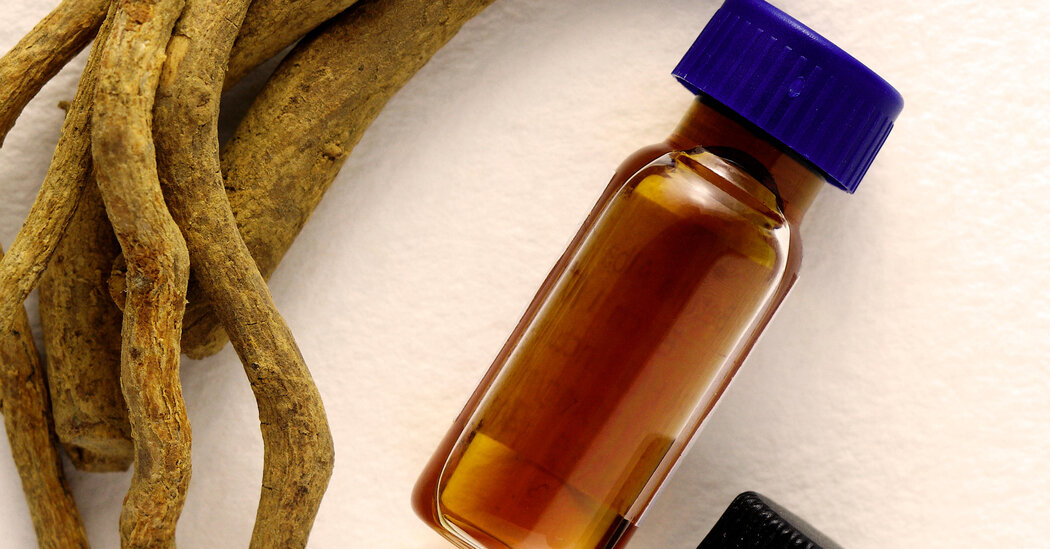
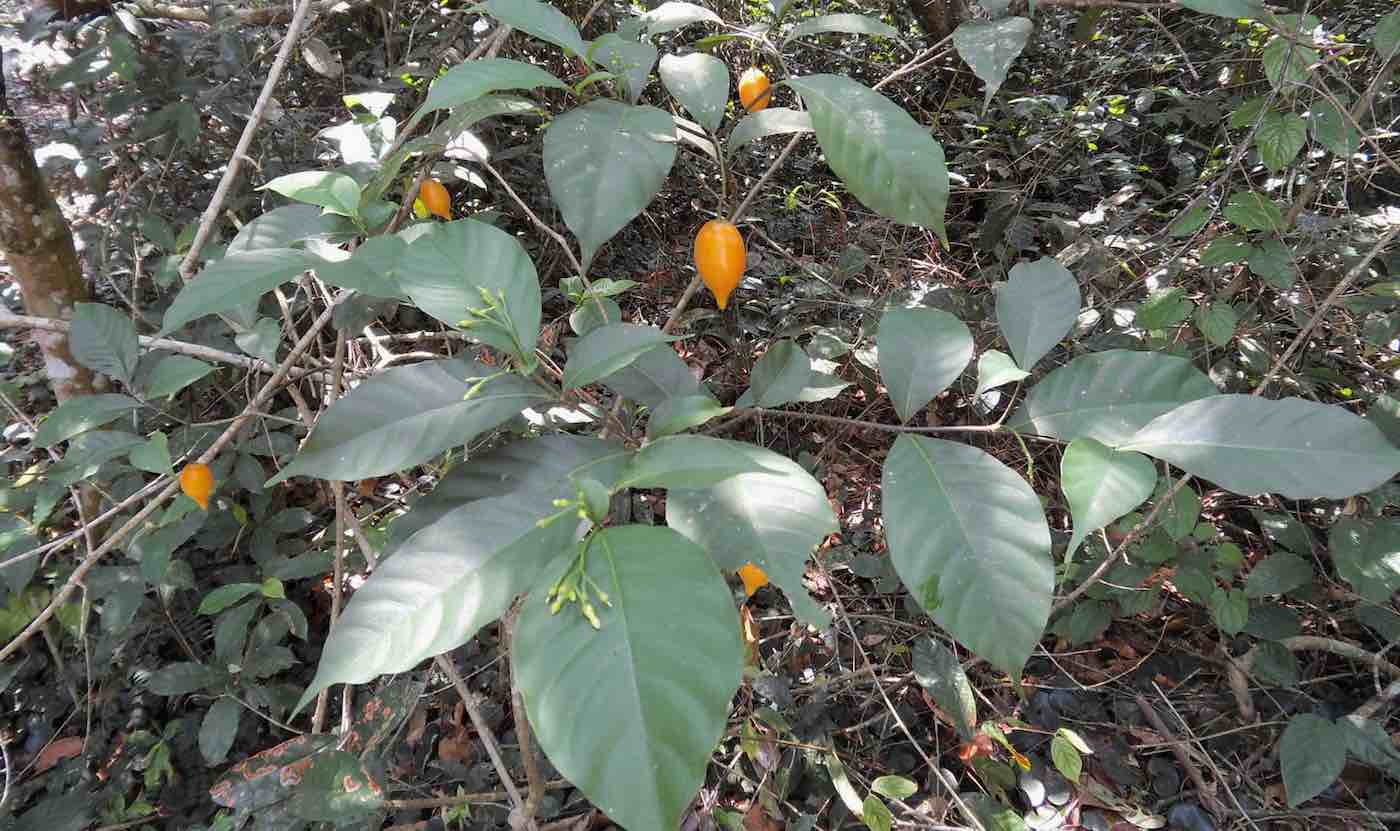
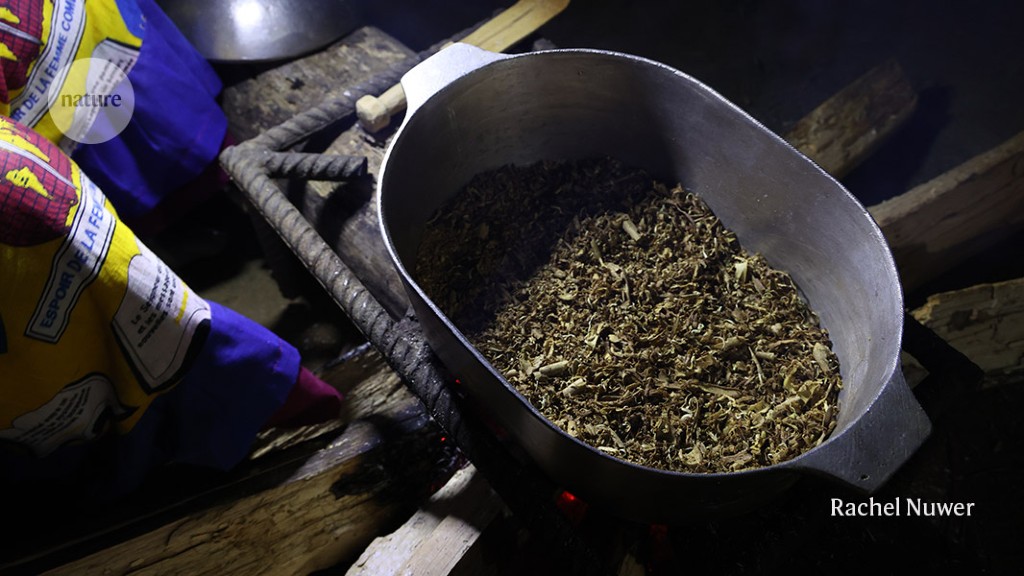
Ibogaine is a naturally occurring psychoactive compound derived from the iboga tree, primarily found in Central Africa. It has shown promise in treating opioid addiction, PTSD, and traumatic brain injuries, with some studies indicating a high success rate in achieving sobriety after a single session. Ibogaine is illegal in the United States but is available in countries such as Mexico, Brazil, New Zealand, Canada, and South Africa for those seeking therapy.
A new study has shown that ibogaine, a compound found in the African psychedelic plant Tabernanthe iboga, significantly alleviated symptoms of traumatic brain injury (TBI) in military veterans, including improving functioning, PTSD, depression, and anxiety with no adverse side effects. The study, published in Nature Medicine, involved 30 veterans and found that ibogaine, when combined with magnesium, safely and effectively reduced symptoms and improved functioning. The researchers believe that ibogaine holds broader therapeutic potential for other neuro-psychiatric conditions and are planning further studies to understand its effects on the brain.
A small study from Stanford University suggests that ibogaine, a psychoactive drug derived from the iboga shrub, may be highly effective in treating PTSD and other symptoms stemming from traumatic brain injury (TBI) in military veterans. The study, which took place in Mexico due to ibogaine's illegal status in the US, showed significant improvements in the veterans' disabilities and mental health conditions post-treatment. However, the study's limitations, including its non-randomized, self-selected participant group and lack of a control, mean that further research is needed to confirm ibogaine's efficacy and understand its mechanisms before it can be recommended for clinical practice. The findings are published in the journal Nature Medicine.
A small study has shown that a single dose of the psychedelic drug ibogaine, combined with magnesium, significantly improved symptoms of depression, anxiety, PTSD, and cognitive functions in military veterans with traumatic brain injuries (TBIs). The research, which involved 30 special ops veterans, suggests that ibogaine may interact with various neurotransmitter systems and support brain cell growth and rewiring. Despite ibogaine being a Schedule I controlled substance in the U.S., the positive findings from the study, published in Nature Medicine, indicate the need for larger, double-blind, placebo-controlled clinical trials to further investigate its potential as a therapeutic drug for TBI and other neuropsychiatric conditions.
A small study has found that ibogaine, a potent psychedelic drug, significantly reduced symptoms of PTSD, depression, and anxiety in military veterans with traumatic brain injury (TBI). The participants, who self-sought ibogaine treatment in Mexico, experienced an average reduction of 88% in PTSD symptoms and showed no disability in cognitive and physical functions one month post-treatment. While the study suggests ibogaine could be a promising treatment for TBI and its associated symptoms, further research is needed to confirm its efficacy and safety, especially given its potential for causing fatal cardiac side effects.
A study published in Nature Medicine showed that ibogaine, a psychedelic drug, significantly reduced PTSD, anxiety, and depression symptoms, and improved cognitive function in combat veterans with traumatic brain injuries. The research, conducted by Stanford University, involved 30 male special forces veterans and is one of the first to explore ibogaine's potential for repairing brain injury caused by trauma. While the findings are promising, experts call for more research due to the study's limitations, such as a small and homogeneous sample size. The study aligns with growing support for psychedelic treatments for trauma in veterans, and the results could have broader implications for treating other cognitive decline conditions.
A study sponsored by Stanford University found that a psychedelic drug called ibogaine, derived from the African iboga shrub, significantly reduced PTSD, depression, and anxiety symptoms in a group of 30 special operations veterans. The participants, who had previously tried multiple treatments without success, experienced an average reduction of 88 percent in PTSD symptoms after treatment with ibogaine in Mexico. The study, which showed promising results for a month post-treatment, suggests that ibogaine could be a game-changer for treatment-resistant mental health issues, although the long-term effects and exact mechanisms of the drug's benefits are still being investigated.
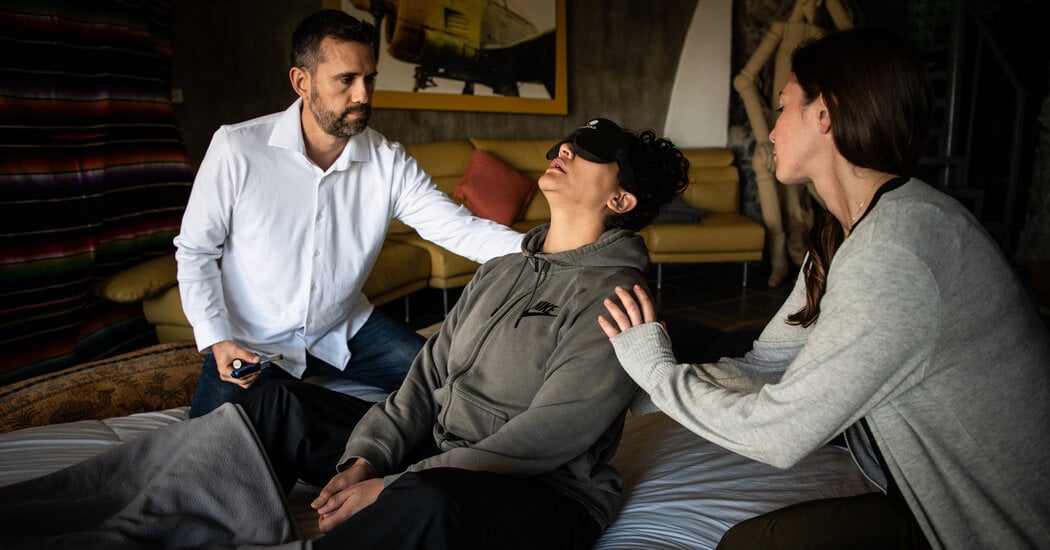
Ryan Roberts, a Marine Corps combat veteran, shares his journey of healing from PTSD and moral injury through psychedelic therapy. After experiencing traumatic events during his deployments, traditional mental health treatments did not provide relief. However, after discovering the concept of moral injury and exploring non-Western healing approaches, Roberts decided to try ibogaine, a psychoactive medicine used in traditional African medicine. The psychedelic treatment helped him process his trauma and reconnect with his emotions. Two years later, Roberts' relationship with his family has significantly improved, and he advocates for more veterans to have access to psychedelic medicine as an option for healing.
Scientists have developed two new drug candidates inspired by the traditional African psychedelic plant medicine ibogaine, which have the potential to treat addiction and depression. These compounds target the serotonin transporter and mimic ibogaine's desirable effects without its dangerous side effects. Initial testing in mice has shown promising results, and further research is underway to explore their therapeutic potential. The new molecules are more powerful than SSRI antidepressants and could offer a safer and more effective treatment option for patients suffering from addiction and depression.