The article discusses the best hair coloring options for older women to cover gray hair and maintain hair health, emphasizing the importance of choosing moisturizing formulas, professional advice, and proper application techniques for a youthful, natural look.
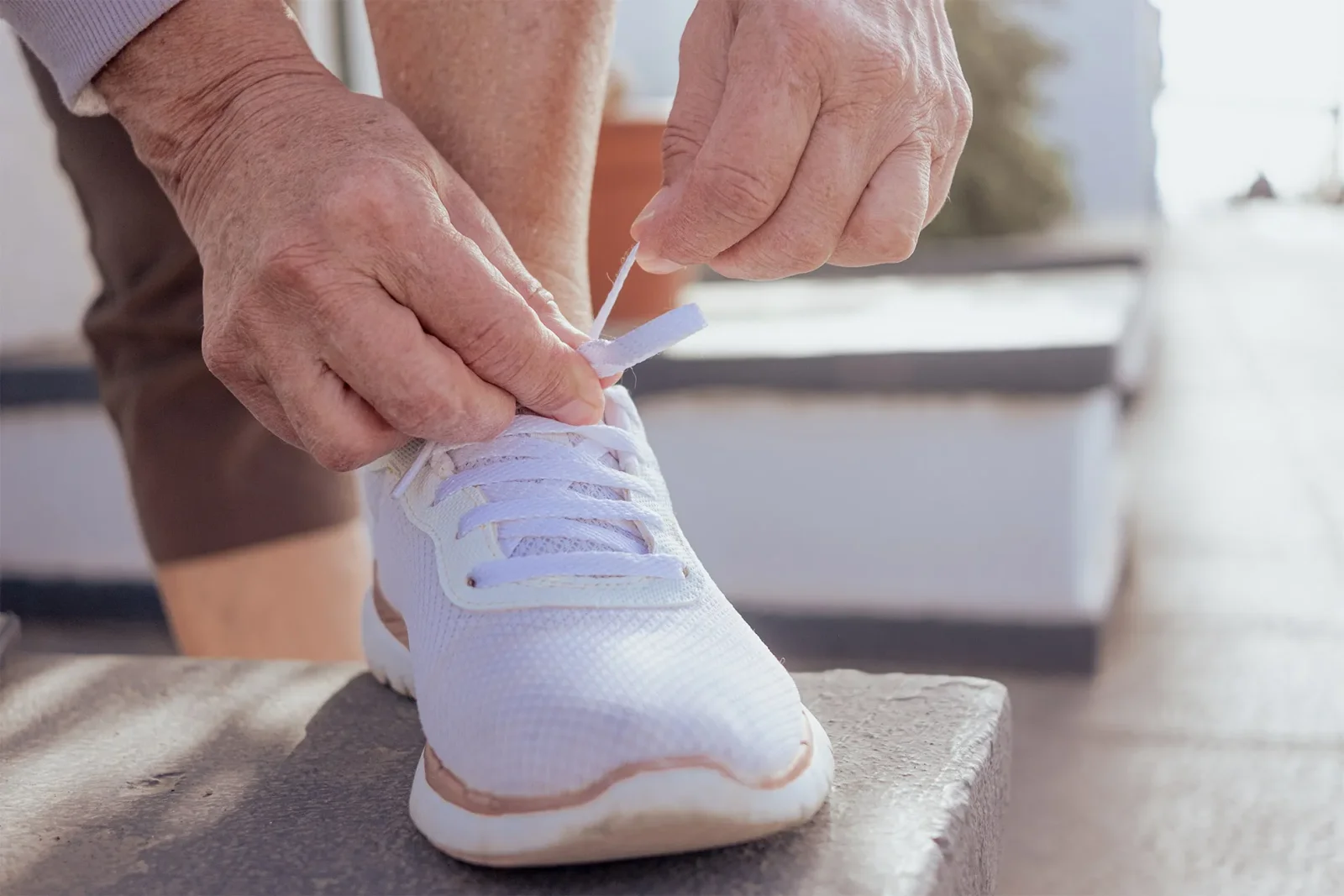
A study found that older women who take at least 4,000 steps one or two days a week have significantly lower risks of death and cardiovascular disease, with greater benefits up to a certain point, emphasizing the importance of total step volume over frequency.
A comprehensive 14.5-year study found no link between calcium supplements and increased dementia risk in older women, easing previous concerns about brain health impacts.
A recent study suggests that daily calcium supplements do not increase the risk of dementia in women aged 70 and older, supporting their safety for bone health without added cognitive risk, though further research is needed to confirm these findings across diverse groups.
The article discusses how prescriptions like Viagra are changing the sexual experiences of older women, highlighting that for some, these medications may not always enhance intimacy and could have complex effects on their sex lives as they age.
A new study published in the Journal of the American Heart Association suggests that for older women, sitting for prolonged periods, regardless of their exercise habits, may lead to significant health complications, including increased mortality and cardiovascular disease risk. The research followed 5,856 women over a 7-year period and found that sitting for over 11 hours a day was associated with a 57% higher risk of all‐cause death and a 78% increased risk of cardiovascular disease death. Adding movement throughout the day, such as walking for 5 minutes after every 30 minutes of sitting, is recommended to mitigate the negative effects of prolonged sitting.
A study from the University of California San Diego has found that older women who sit for 11.7 hours or more each day have a 30% increased risk of dying, regardless of their level of physical activity. The study, which used a machine-learned algorithm to analyze sitting and daily activity data, also revealed that even brief periods of moderate activity throughout the day did not seem to negate the harmful effects of prolonged sitting. Experts recommend getting up every 30 minutes to walk and move around for four to five minutes to counteract the negative impact of sedentary behavior on health.
Dermatologists recommend a three-step nighttime skincare routine for older women with wrinkles and fine lines. The routine includes washing the face with a mild cleanser, applying hyaluronic acid serum to retain moisture, and adding a moisturizer before bed. These steps help hydrate the skin, promote collagen production, and improve skin texture, leading to a healthier and more youthful appearance.
ABC's "The Golden Bachelor" features 72-year-old Gerry Turner and a group of women over the age of 60 competing for his heart. Despite their age, the contestants are active on Instagram, and their handles are provided in the article.
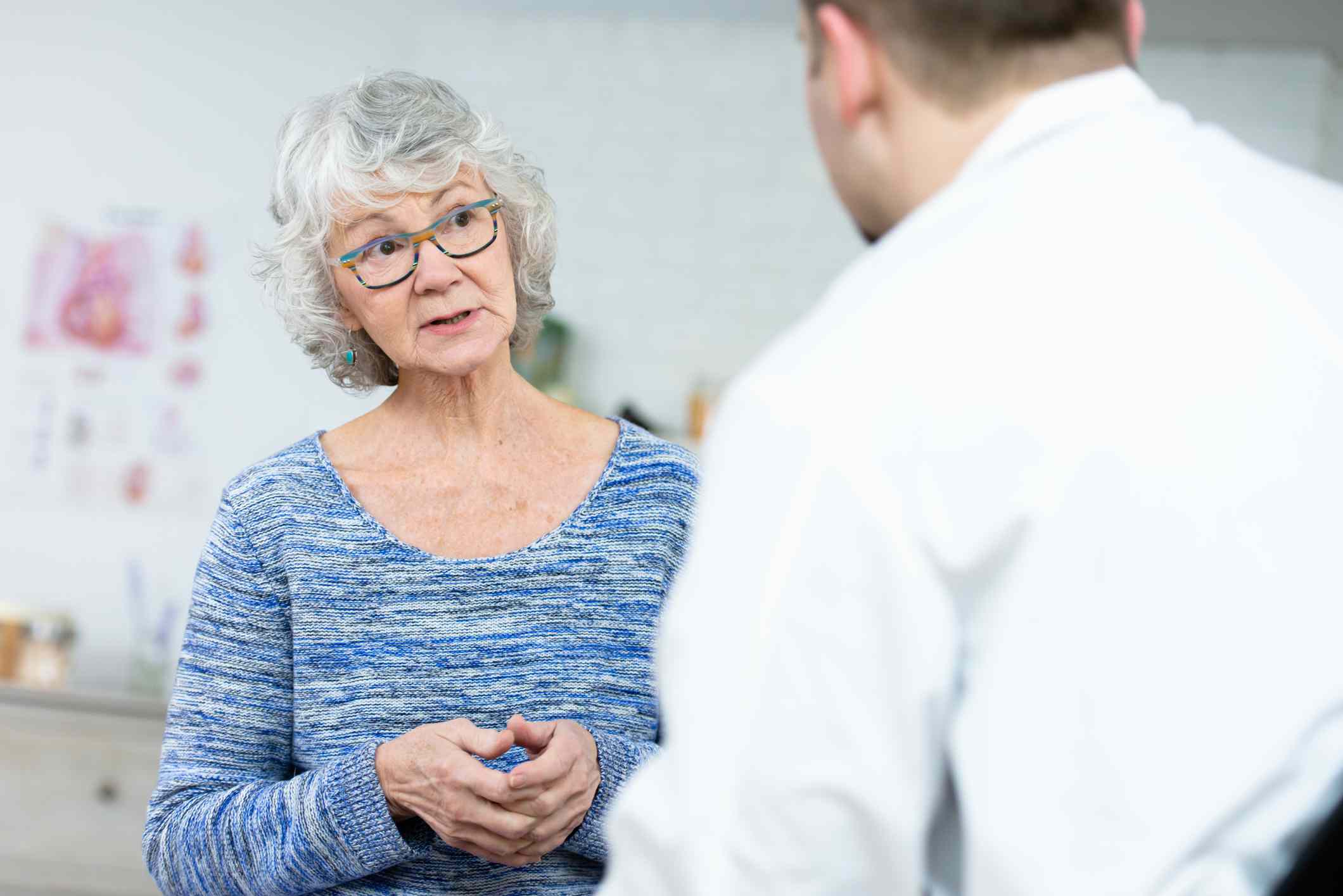
A new study suggests that breast cancer screenings for women over the age of 70 may be unnecessary and even harmful for some individuals due to the risks of overdiagnosis. The research highlights the importance of individualized plans with doctors, as there is no one-size-fits-all solution for older women. Different medical organizations provide conflicting guidelines on when to stop screenings, and the lack of research on older women further complicates the issue. Factors such as other medical conditions, risk for breast cancer, insurance coverage, and physical capability should be considered when making screening decisions. Ultimately, doctors can help patients navigate these decisions and communicate the best course of action.
A study led by scientists at Yale University's COPPER Center suggests that preventive mammograms for breast cancer may lead to overdiagnosis in older women. The research found that a significant percentage of cancer cases detected through screening in women over 70 are likely to be overdiagnosed, meaning the tumors are unlikely to cause illness before death. The study estimated that over half of these cases in women over 85 might be overdiagnosed. The findings highlight the need for a careful evaluation of the benefits and harms of breast cancer screening in older women, taking into account individual preferences, values, and overall risk factors.
A study published in the Annals of Internal Medicine found that a significant number of American women aged 70 to 85 are potentially overdiagnosed with breast cancer, leading to unnecessary treatment. Overdiagnosis refers to the detection of breast cancers on screening that would never have caused symptoms or become clinically apparent. Technological advancements in screening have made it easier to detect even the smallest cancers, but not all of these cancers are destined to grow, spread, or be life-threatening. Overtreatment can increase the risk of complications, cause stress, and financial burden. The decision to get screened should be individualized, taking into account age, life expectancy, and overall health. More research is needed to determine whether mammograms are beneficial for older women, and the future of breast cancer diagnosis lies in cancer genomics and personalized treatment.
A new study suggests that catch-up screenings for human papillomavirus (HPV) can improve cancer prevention and detection in women over 65 years old. Current guidelines recommend stopping cervical cancer screenings at age 65, but many women do not get screened as they approach this age. Older women account for about 20% of new cervical cancer cases, and until age 80, they are as likely to get cervical cancer as younger women. The study found that offering free HPV screenings to older women increased screening rates and detected more cases of cervical intraepithelial neoplasia. Experts suggest that more sensitive screening tests, like high-risk HPV tests, should be considered for older women.