
Calcium Supplements Not Linked to Dementia Risk in Older Women
A comprehensive 14.5-year study found no link between calcium supplements and increased dementia risk in older women, easing previous concerns about brain health impacts.

All articles tagged with #calcium supplements
A comprehensive 14.5-year study found no link between calcium supplements and increased dementia risk in older women, easing previous concerns about brain health impacts.

A recent study suggests that daily calcium supplements do not increase the risk of dementia in women aged 70 and older, supporting their safety for bone health without added cognitive risk, though further research is needed to confirm these findings across diverse groups.

Recent studies suggest a potential link between calcium supplements and increased cardiovascular risk, particularly when combined with high levels of vitamin D. While dietary calcium appears safe, the concentrated intake from supplements, especially in patients with diabetes or renal issues, may pose risks. Experts recommend monitoring vitamin D levels and being cautious with supplementation, especially in vulnerable populations.
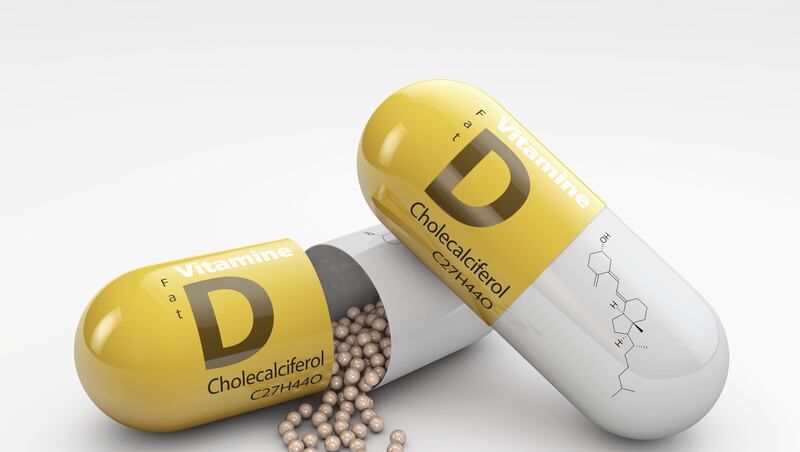
A 22-year study on 36,282 older women found that combined vitamin D and calcium supplements did not reduce the risk of hip fractures, but did show a reduction in deaths from cancer and an increase in deaths from heart disease. However, the overall death comparisons were not statistically significant. The study had limitations, including being funded by the National Institutes of Health and having a limited participant history. Other sources suggest that vitamin D and calcium supplements may have limited benefits and potential health risks, and it may be best to meet daily needs through diet. Good dietary sources of calcium include almonds, leafy green vegetables, and low-fat dairy, while vitamin D can be obtained from foods like salmon, egg yolk, and fortified products.

A study followed over 36,000 postmenopausal women and found that taking vitamin D and calcium supplements over a period of seven years led to a small reduction in cancer-related deaths, particularly for invasive breast and colorectal cancer. However, there was also a modest increase in the risk of developing cardiovascular diseases. The study emphasizes the need for personalized supplement regimens based on factors such as blood test results, dietary intake, and personal health history, and underscores the importance of supplements as a complement to a healthy diet rather than a shortcut to reducing disease risk.

While calcium supplements are often taken to support bone health, experts warn that they can have harmful side effects, including clogged arteries and heart problems. Consuming too much calcium without vitamin K2 may increase the risk of arterial calcification and heart disease. To mitigate these risks, it is important to balance calcium intake with other nutrients like vitamin D and magnesium. Combining calcium supplements with vitamin K2 can help direct calcium to the bones and teeth while preventing its accumulation in the arteries. However, it is always best to obtain calcium from food sources whenever possible.

Curcumin, a natural product, has been found to reduce inflammation and pain in arthritis and may have potential benefits against kidney disease. However, it is important to consult with a physician and monitor renal function when considering any approach for arthritis pain. Dupixent, a monoclonal antibody used to treat various conditions, including nasal polyps, may cause side effects such as joint pain and back pain. Calcium carbonate or calcium citrate supplements are commonly recommended for building back bones, but there is growing controversy about their benefits. A diet rich in dark green leafy veggies, beans, almonds, and low-fat dairy products, along with physical activity, may be a better option.

Platelet-rich plasma (PRP) therapy has not been proven to regenerate cartilage or halt the progression of osteoarthritis. A recent trial showed no benefit of PRP injections compared to a placebo. The main treatment for osteoarthritis is regular exercise and pain medication as necessary. Calcium supplements have mixed results in terms of safety, with some studies showing a small increase in the risk of developing blockages in the heart arteries. It is generally recommended to obtain calcium from the diet, such as dairy products and certain fish, to reduce the risk of heart disease and kidney stones. However, there are situations where calcium supplementation may be necessary, such as in individuals with osteoporosis who are unable to obtain enough calcium from their diet.

While calcium is important for maintaining strong bones, research suggests that taking calcium supplements may negatively affect heart health and increase the risk of developing conditions like atherosclerosis and dementia. Calcium supplements also come with side effects such as bloating, constipation, and kidney stones. The largest research to date shows inconclusive results about the benefits of taking calcium supplements for bone health. It is recommended to obtain calcium through dietary sources like milk, yogurt, and almonds, as the body processes calcium differently from food sources compared to supplements. Individuals with a calcium deficiency should consult with their doctor to determine if calcium supplements are necessary.
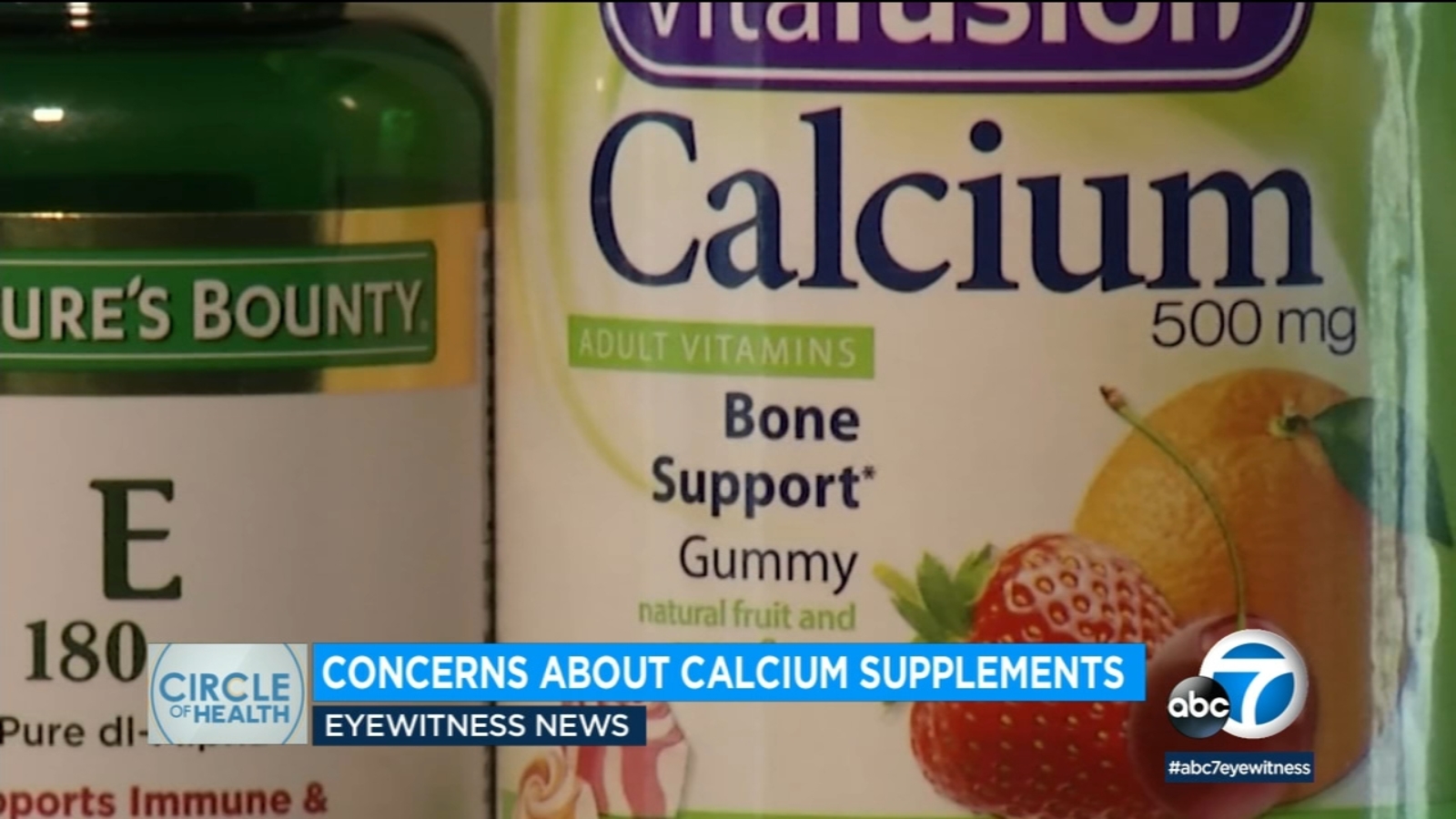
New research warns against the potential risks of taking calcium supplements. A study from Johns Hopkins University found that calcium supplements can negatively affect heart health and increase the risk of developing atherosclerosis. Other side effects include bloating, constipation, and kidney stones. Additionally, a study published in the journal neurology suggests that women who take calcium supplements are at a higher risk of developing dementia. The benefits of taking calcium supplements for building strong bones are inconclusive, with no evidence that more is better, even for fracture reduction. It is recommended to obtain calcium through dietary sources like milk, yogurt, and almonds, as the body processes calcium differently from food sources compared to supplements.
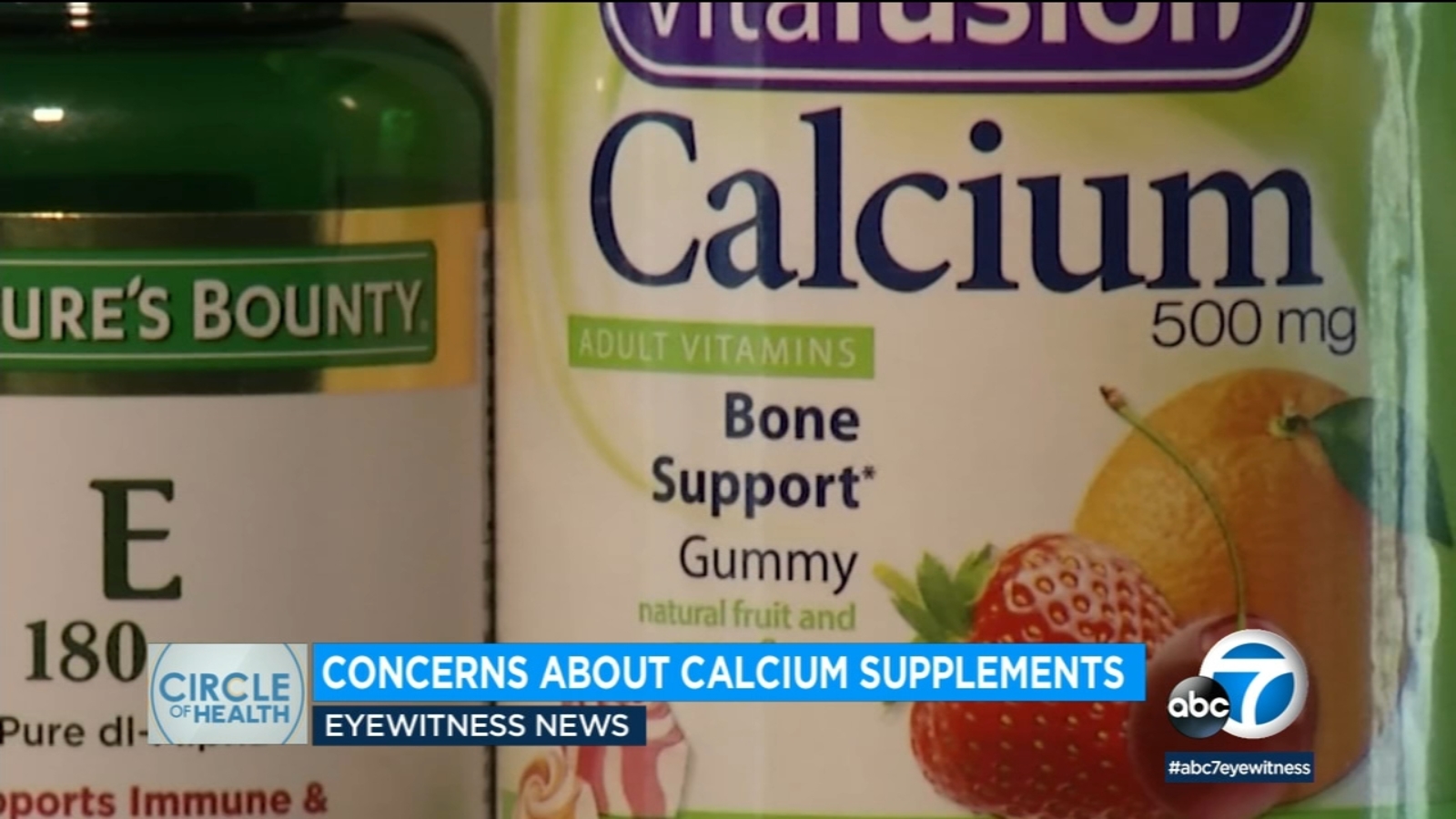
New research from Johns Hopkins University warns against the potential risks of taking calcium supplements. The study found that calcium supplements can negatively affect heart health and increase the risk of developing atherosclerosis. Additionally, these supplements can cause side effects such as bloating, constipation, and kidney stones. Another study published in the journal Neurology suggests that women who take calcium supplements may be at a higher risk of developing dementia. The research also indicates that there is no evidence to support the idea that more calcium is better for bone health or fracture reduction. Instead, experts recommend obtaining calcium through dietary sources like milk, yogurt, and almonds. It is important to consult with a doctor to determine if calcium supplements are necessary for individuals with a calcium deficiency.

Calcium supplements, when taken in excess without sufficient vitamin K2 intake, may contribute to the buildup of calcium in the arteries, potentially leading to arterial calcification and an increased risk of heart disease. To consume calcium supplements safely, it's important to balance them with other nutrients like vitamin D and magnesium, and choose supplements that include vitamin K2 to ensure proper calcium utilization and minimize the risk to heart health. However, it's always best to get your calcium straight from the foods you eat and speak to your doctor before taking any dietary supplement.