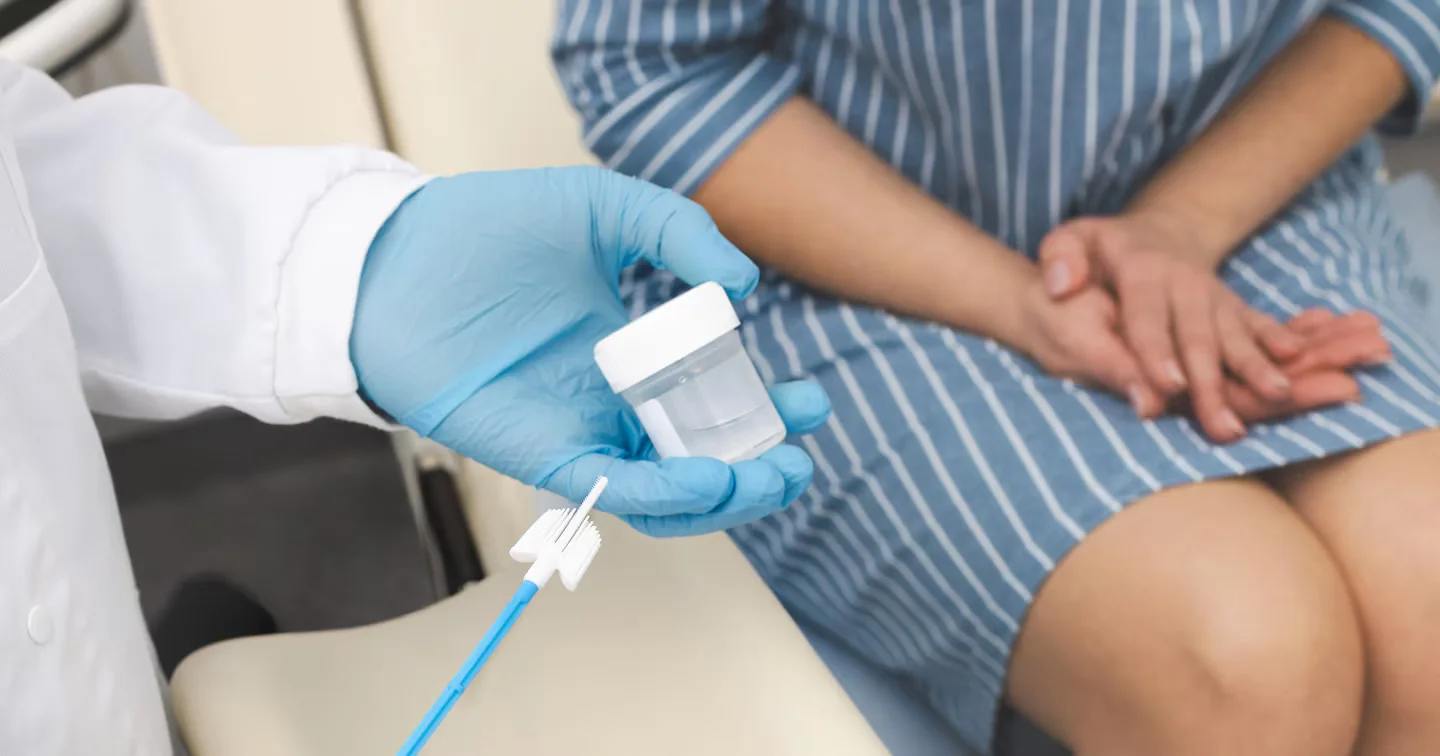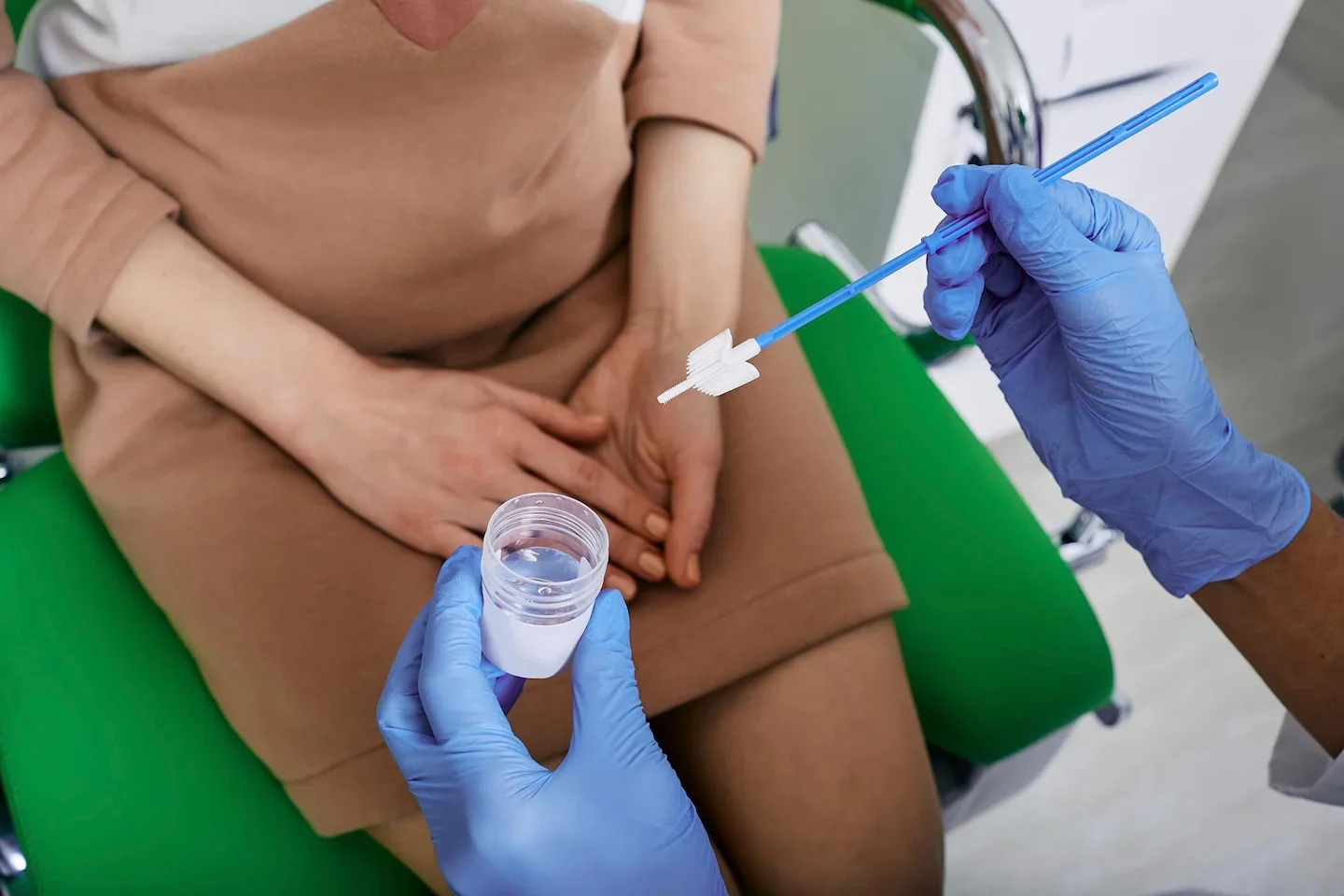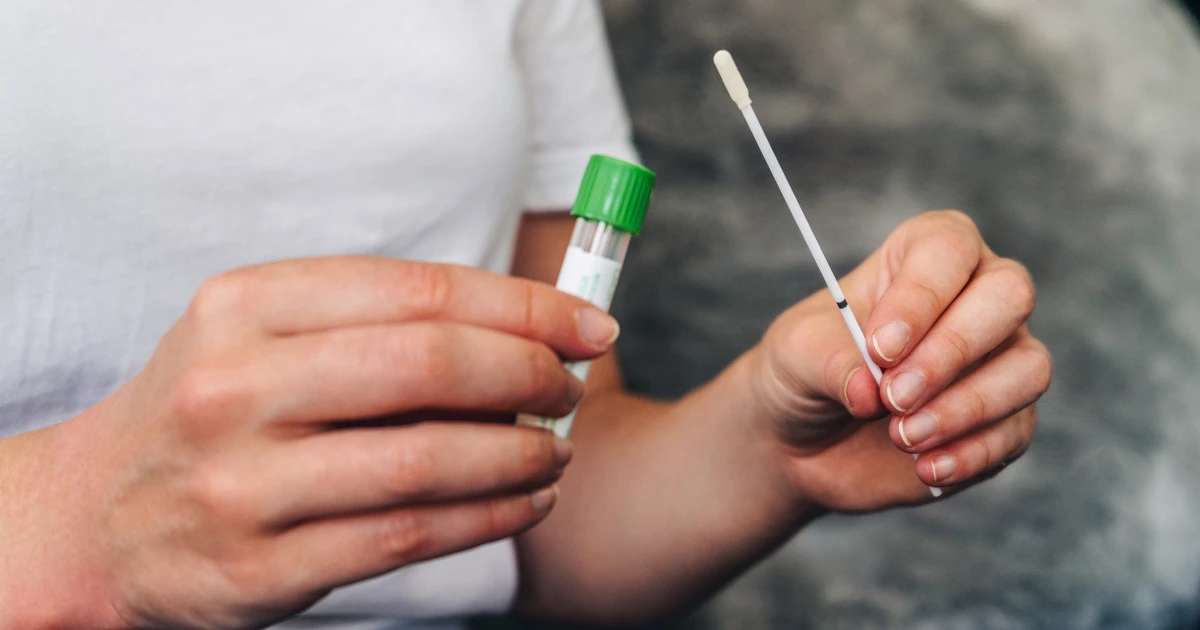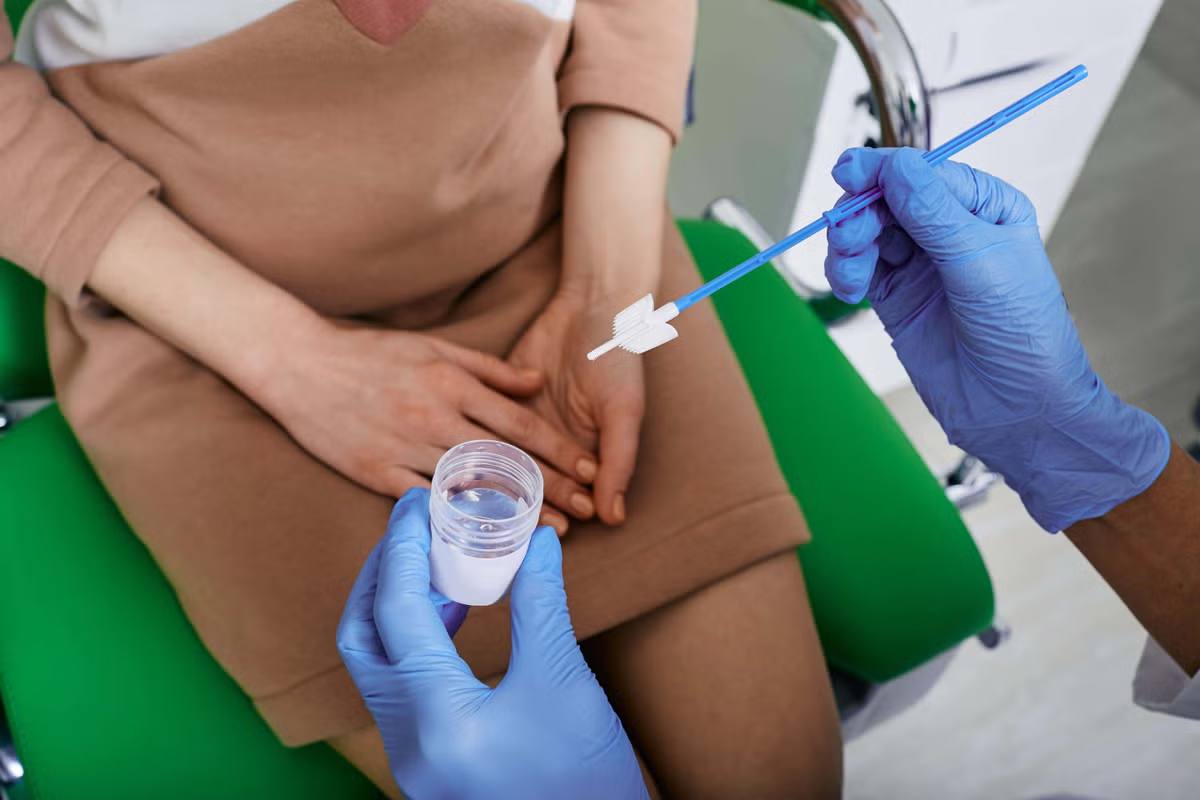
The Department of Health and Human Services has updated cervical cancer screening guidelines to include self-collected vaginal samples for HPV testing and will require most private insurance plans to cover these tests without cost sharing, aiming to increase screening accessibility and reduce out-of-pocket costs.
Federal guidelines now allow women aged 30-65 at average risk to choose self-administered HPV tests every five years for cervical cancer screening, providing a more private and accessible option alongside traditional Pap smears, with the aim of increasing screening rates and early detection.
Most people will be exposed to HPV at some point, but only certain high-risk types (like HPV 16 and 18) can increase the risk of cervical cancer, especially if the infection persists. Regular screening and vaccination are key preventive measures, and having HPV does not necessarily mean a higher risk of cervical cancer if managed properly.
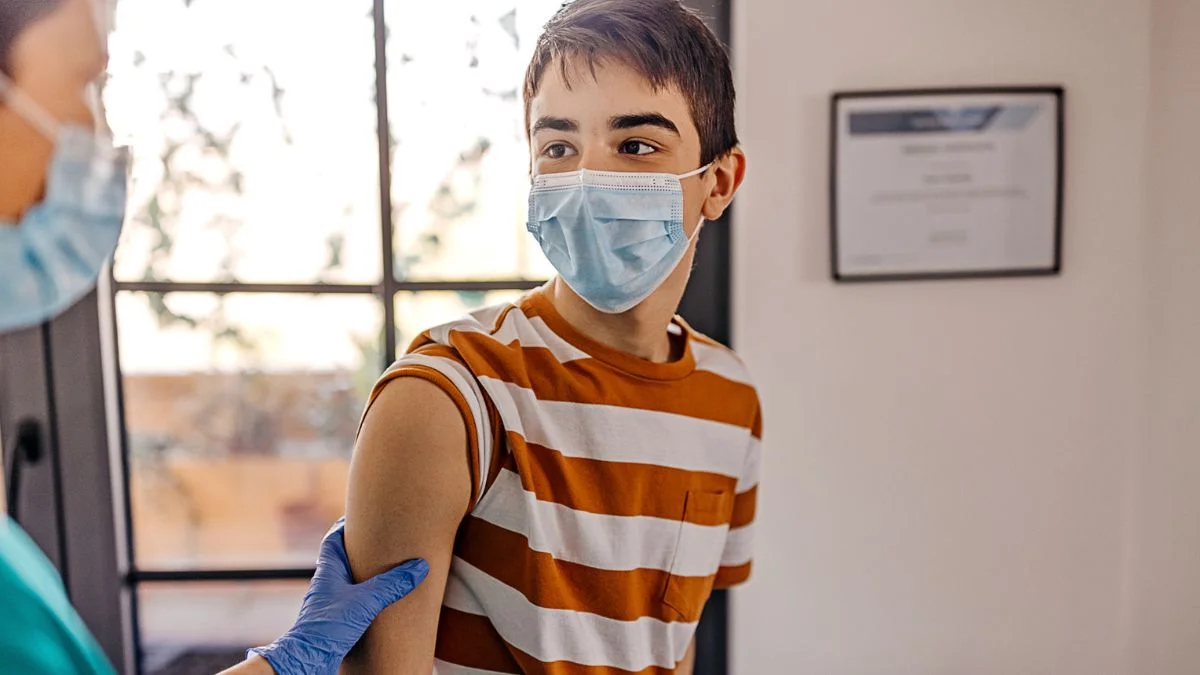
Increasing HPV vaccination among boys, alongside girls, could significantly accelerate the elimination of HPV-related cancers, including cervical cancer, by achieving herd immunity more efficiently, as demonstrated by a new mathematical model based on South Korea's data.
Raipur oncologist Dr. Sharma emphasizes the importance of recognizing subtle early signs of cancer, such as persistent mouth sores, abnormal bleeding, fatigue, and unexplained weight loss, to enable timely diagnosis and improve treatment outcomes. Regular screenings and awareness are crucial, especially for high-risk groups, as early detection significantly increases the chances of cure.
Regular health screenings for women in their 20s and 30s, including blood pressure, cervical cancer, cholesterol, and vaccinations, are crucial for early detection and long-term health, emphasizing proactive self-care and routine check-ups.
Pakistan's first national HPV vaccine campaign faced resistance due to misinformation, conspiracy theories, and cultural concerns, despite the vaccine's safety and importance in preventing cervical cancer, with efforts including public vaccination and government support to increase acceptance.
Early detection of cancer, especially cervical cancer, can be aided by self-awareness of bodily changes, including unusual odors or persistent lumps, and regular screening like Pap smears. Recognizing subtle signs and maintaining vigilance can save lives, as early treatment is crucial.
Cervical cancer often shows subtle signs like unusual bleeding, abnormal discharge, pain during sex, and persistent pelvic pain, but it is usually diagnosed late due to its slow onset and non-specific symptoms. Regular Pap tests and awareness of symptoms are crucial for early detection, especially for women with risk factors like HPV or HIV. Early diagnosis can significantly improve treatment outcomes.
Vaccination rates to prevent cervical cancer in Britain have significantly declined due to waning confidence, convenience issues, and complacency, risking increased HPV-related health problems.
Melissa Sanders, a 44-year-old woman from Ohio, initially dismissed her heavy bleeding as perimenopause but was later diagnosed with Stage 3 cervical cancer after experiencing severe symptoms and undergoing screening. Her story highlights the importance of regular Pap smears and HPV vaccination in early detection and prevention of cervical cancer, emphasizing that women should prioritize their health and not neglect routine screenings.
Ireland is launching a school-based HPV vaccine catch-up programme to benefit up to 75,000 students, aiming to prevent HPV-related cancers, with efforts to extend vaccination access to those under 25 who missed initial doses, despite concerns over costs for some individuals.
Research indicates women over 65 remain at high risk for cervical cancer from HPV and should be offered screening, as current guidelines often recommend stopping screening at 65 if previous results were normal. The study highlights increased HPV infections and abnormalities in older women, emphasizing the need to reconsider screening policies for this age group to prevent preventable deaths.
A study shows that at-home cervical cancer screening kits significantly increase screening rates among underserved women, with those using self-collection being over twice as likely to get screened compared to just receiving phone reminders, suggesting self-testing could improve early detection and reduce cancer burden.
Dr. Julian Nii Ardey Ansah emphasizes the high effectiveness and safety of the HPV vaccine in preventing cervical and other cancers, urging early vaccination for children aged 9-14 and catch-up doses for older individuals, to protect against HPV-related diseases.