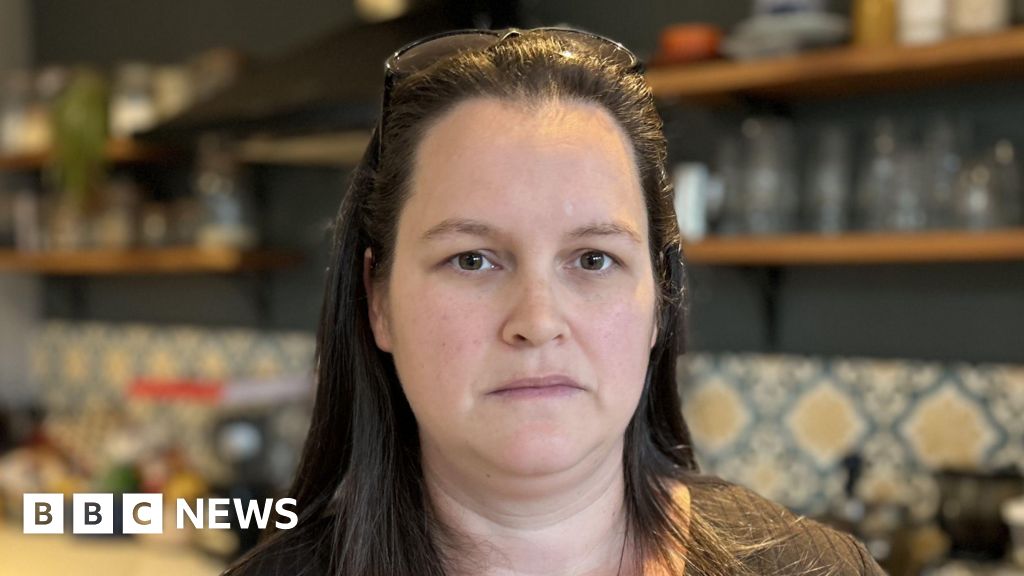
Families are calling for greater recognition of gambling as a factor in suicides, highlighting the difficulties in having gambling considered in inquests, despite evidence linking gambling disorders to increased suicide risk. The case of Lee Adams, who placed over 600 bets before taking his life, underscores the need for systemic reform and better support for affected families.
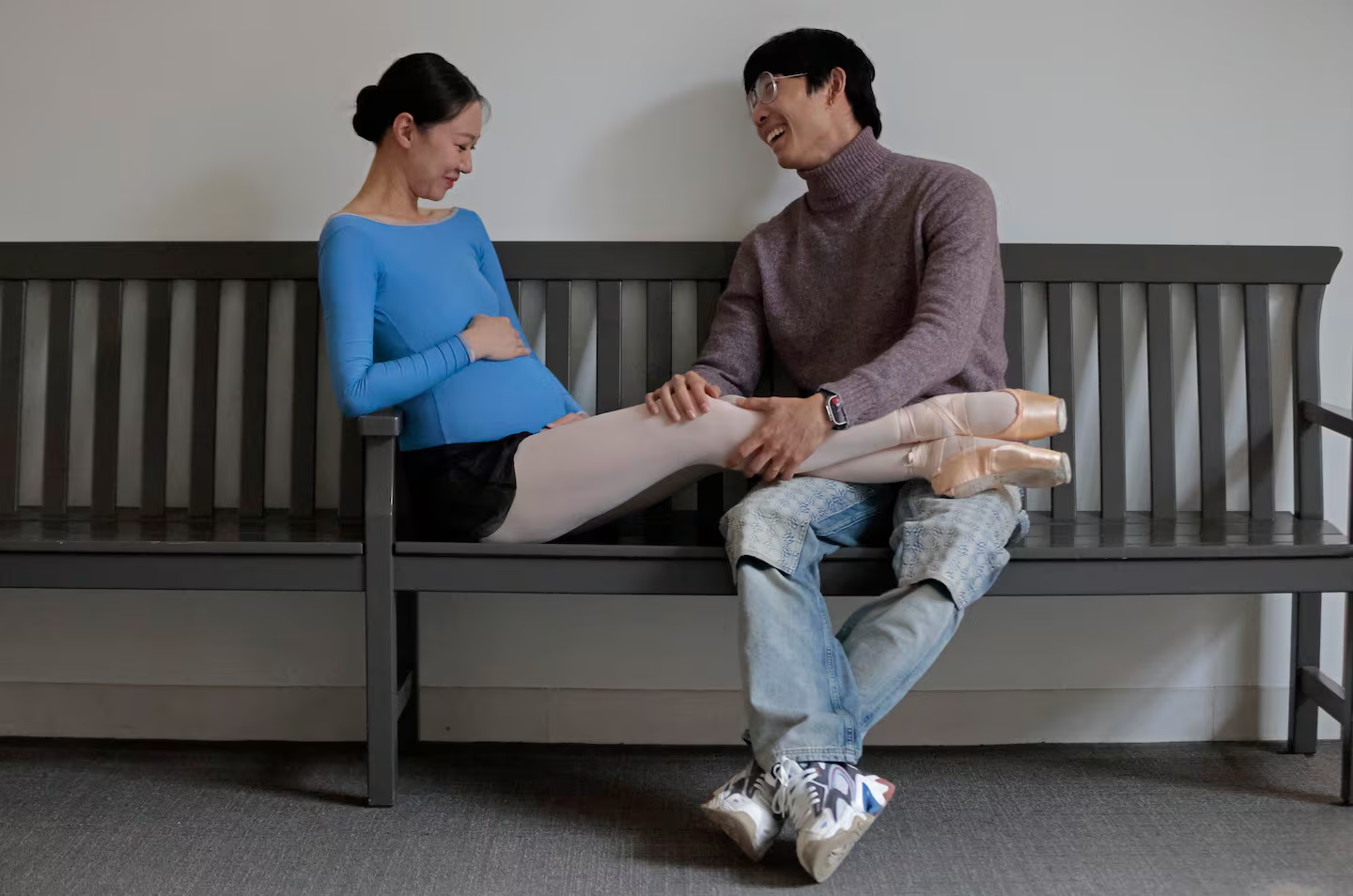
Pregnant ballet dancer Chenxin Liu faces unique career challenges despite progress in supporting pregnant women in her profession, highlighting ongoing difficulties for women balancing motherhood and demanding careers.
Alaska is the most stressed state in the US due to high suicide rates, living costs, and isolation, while Massachusetts is the least stressed thanks to better safety and healthcare access, despite high living costs. The study highlights how geography, safety, poverty, and environmental factors influence stress and legal issues across states.
The article explores how individuals in competitive, appearance-driven industries are using GLP-1 weight-loss drugs like Ozempic to maintain a professional edge, highlighting personal stories of conflict, expense, and societal pressures to conform to beauty standards.
Originally Published 2 months ago — by Hacker News
The article discusses how media coverage of causes of death is biased towards sensational and recent events, often ignoring the fact that most deaths are due to natural aging and chronic illnesses like heart disease and cancer, which are largely preventable. It emphasizes that news tends to highlight unusual, shocking, or 'undeserved' deaths, skewing public perception of risk, and criticizes the focus on sensationalism driven by profit motives rather than informative accuracy.
The article explores the Free Birth Society, an organization promoting childbirth without medical assistance, with investigative reporting suggesting some former members view it as dangerous, highlighting concerns about the safety and implications of freebirthing practices.
Historically, surveys have shown that middle age is the least happy period in life, with a consistent pattern of a happiness dip during mid-life across various countries, but recent findings suggest this trend may be changing.
Nearly 550,000 Americans aged 80 and older are still working, often in flexible, part-time roles across various industries, driven by a mix of enjoyment, social engagement, and financial needs, with many valuing independence and purpose in their continued employment.
The article discusses a woman who advocates for women's pleasure, wearing bright pink as a symbol, and highlights how the medical community is beginning to listen and recognize the importance of this issue.
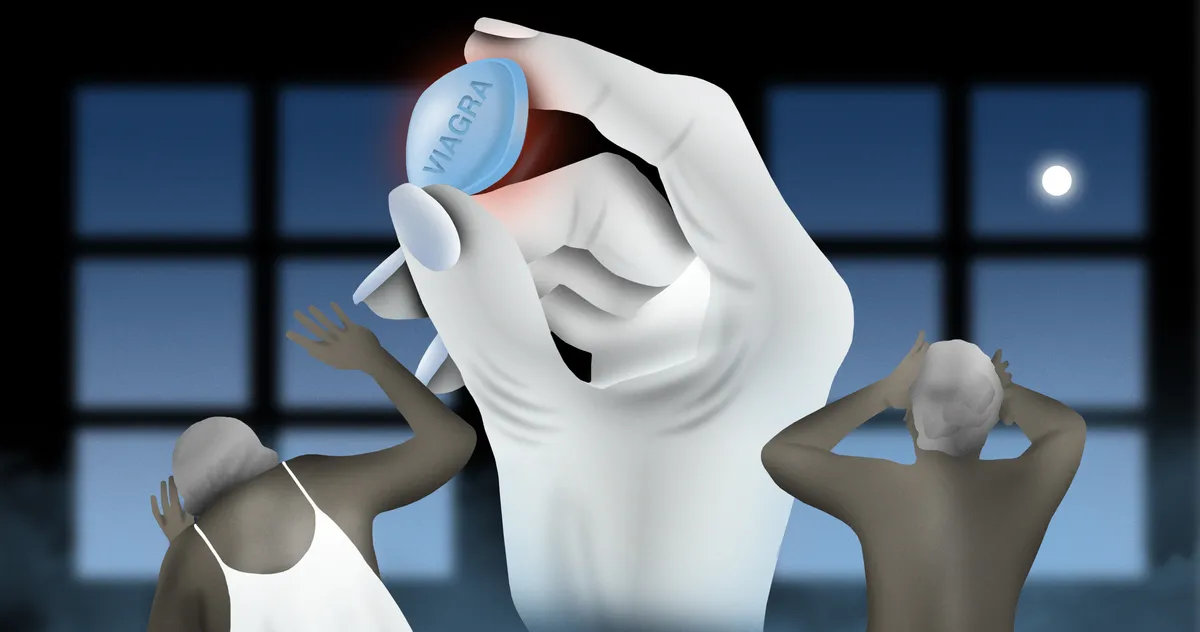
The article discusses how prescriptions like Viagra are changing the sexual experiences of older women, highlighting that for some, these medications may not always enhance intimacy and could have complex effects on their sex lives as they age.
Originally Published 7 months ago — by Hacker News
The article discusses the complex factors behind obesity, emphasizing that it is not solely due to individual willpower but also heavily influenced by environmental, societal, and evolutionary factors. It highlights the role of food industry practices, advertising, food accessibility, and systemic issues, arguing that solutions should focus on policy changes and environment modifications rather than solely blaming personal responsibility.
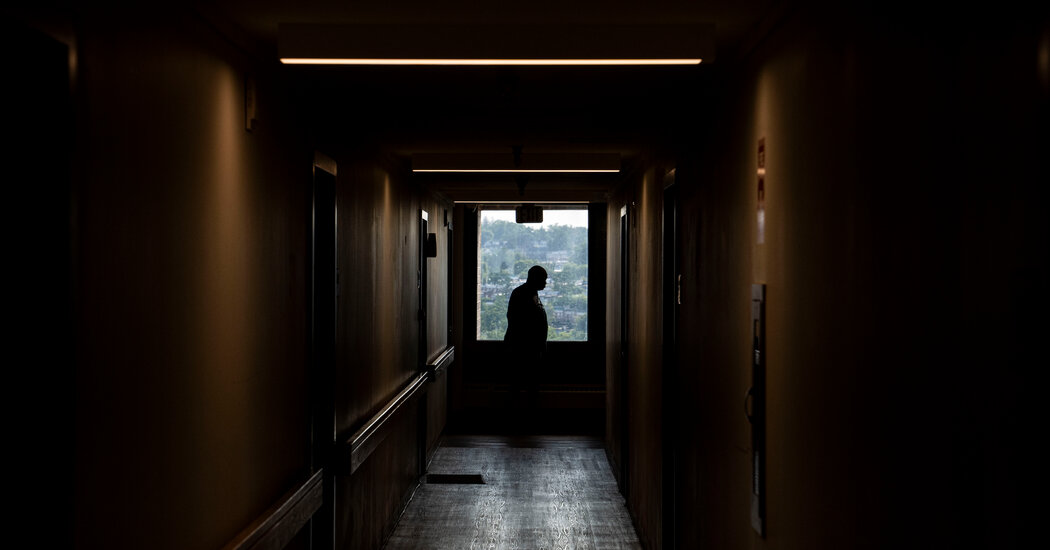
In Baltimore, drug overdoses, particularly from fentanyl, are devastating Black men aged 50 to 70 in subsidized senior housing. This demographic, left behind by the city's changing economy, accounts for nearly 30% of drug fatalities despite being only 7% of the population.
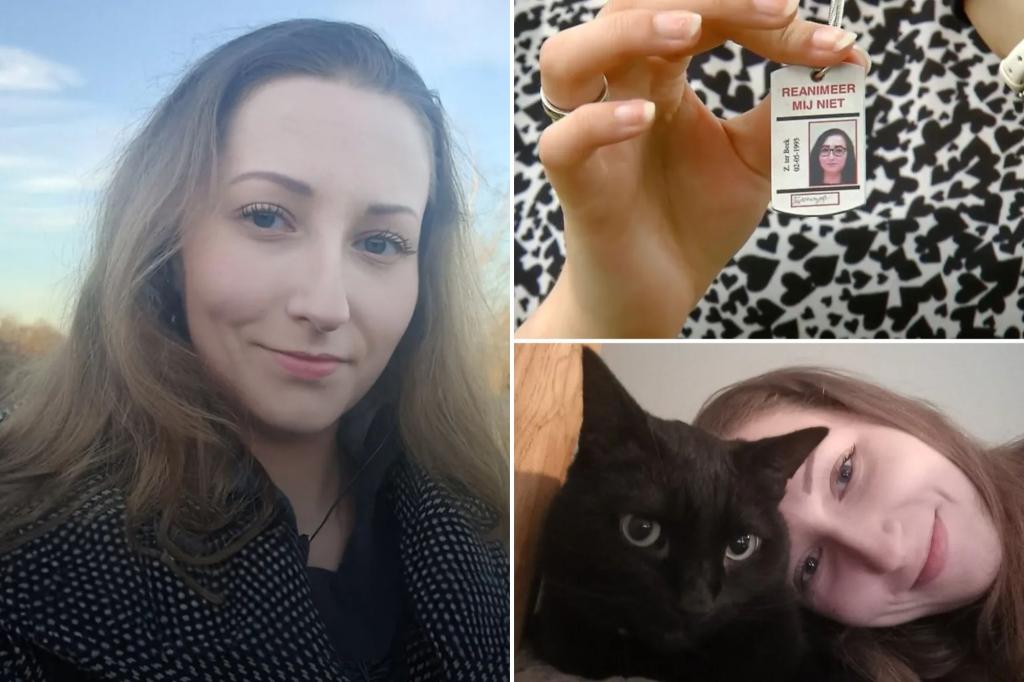
Zoraya ter Beek, a 29-year-old Dutch woman diagnosed with autism and suffering from severe mental health issues, died by assisted suicide after a three-year wait for approval. Despite being physically healthy, her unbearable psychological suffering led her to seek euthanasia, which is legal in the Netherlands under strict conditions. Ter Beek, who had a history of depression, anxiety, and an unspecified personality disorder, believed in the safety and necessity of the Dutch euthanasia laws but opposed the availability of unregulated "suicide kits."
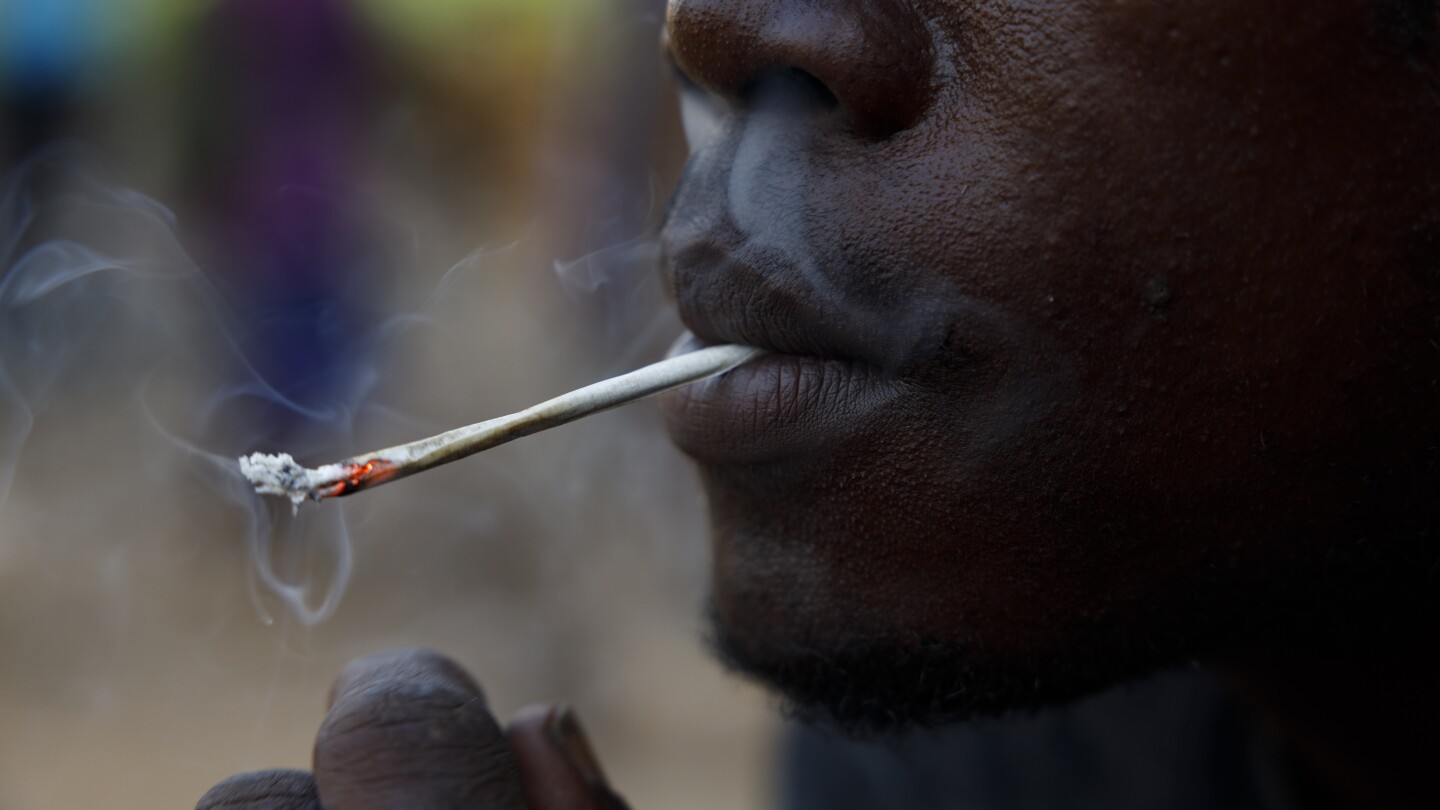
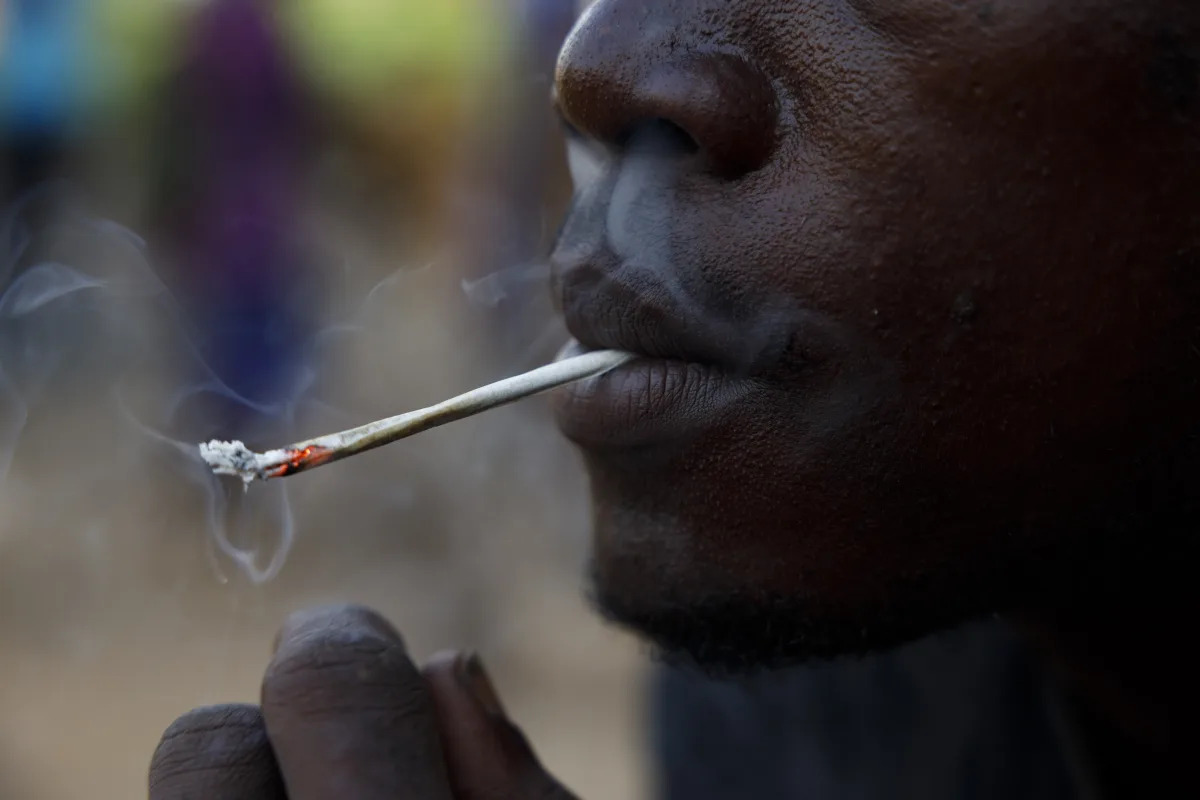
In Sierra Leone, the synthetic drug kush is devastating the youth, leading to severe addiction and limited healthcare services. Community volunteers in Freetown have set up an unconventional rehabilitation center, sometimes using extreme measures like chaining to prevent escape. President Julius Maada Bio has declared a state of emergency and launched a task force to combat the epidemic. The crisis has led to significant social and health issues, with families and communities struggling to cope.
In Sierra Leone, a synthetic drug called kush is devastating the youth, leading to severe addiction and health issues. With limited healthcare services, communities have resorted to extreme measures, including chaining addicts, to combat the crisis. The government has declared a war on kush, but the drug's changing composition and widespread availability complicate efforts. Community volunteers and organizations are stepping in to provide makeshift rehabilitation, but the situation remains dire, affecting families and the nation's future workforce.