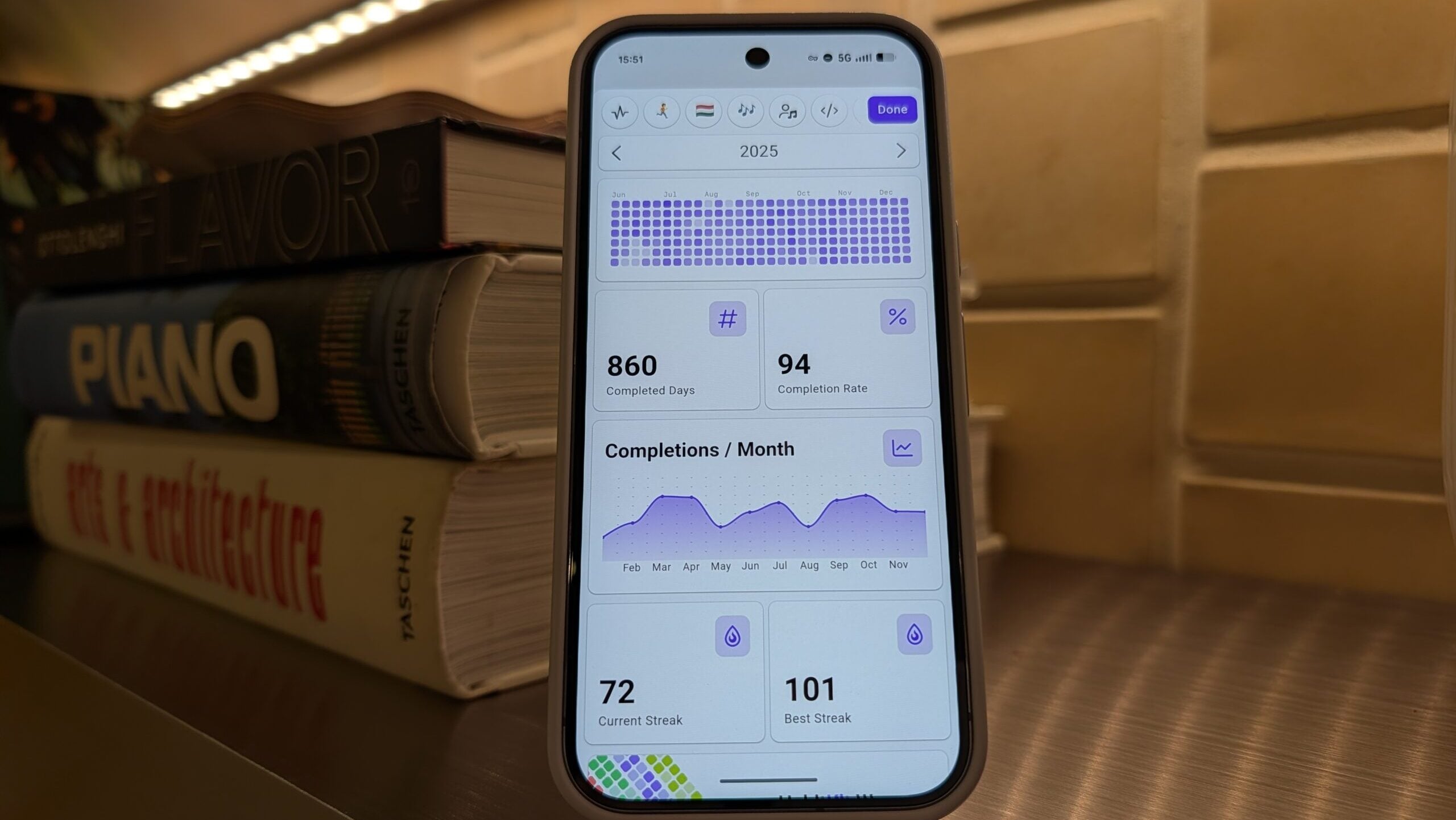
The article reviews three apps—HabitKit, Finch, and Google Calendar—that help users track and maintain their New Year's resolutions through different approaches, from visual progress and gamification to traditional calendar methods, emphasizing the importance of finding a suitable tool for sustained motivation.

The article presents the NHL's Super 16 power rankings for 2026, framing them as New Year's resolutions for the teams, with the Colorado Avalanche leading and other teams like the Sabres and Ducks making notable moves. It highlights each team's current standing, challenges, and goals for the new year.
The article suggests personalized New Year's resolutions for 2026 based on your birth month, inspired by Harry Potter characters and themes, encouraging self-improvement and reflection.
TikTok popularized bingo vision boards as a fun, interactive alternative to traditional vision boards for New Year's resolutions, encouraging ongoing engagement and motivation by crossing off goals throughout the year, making goal achievement more rewarding and less intimidating.
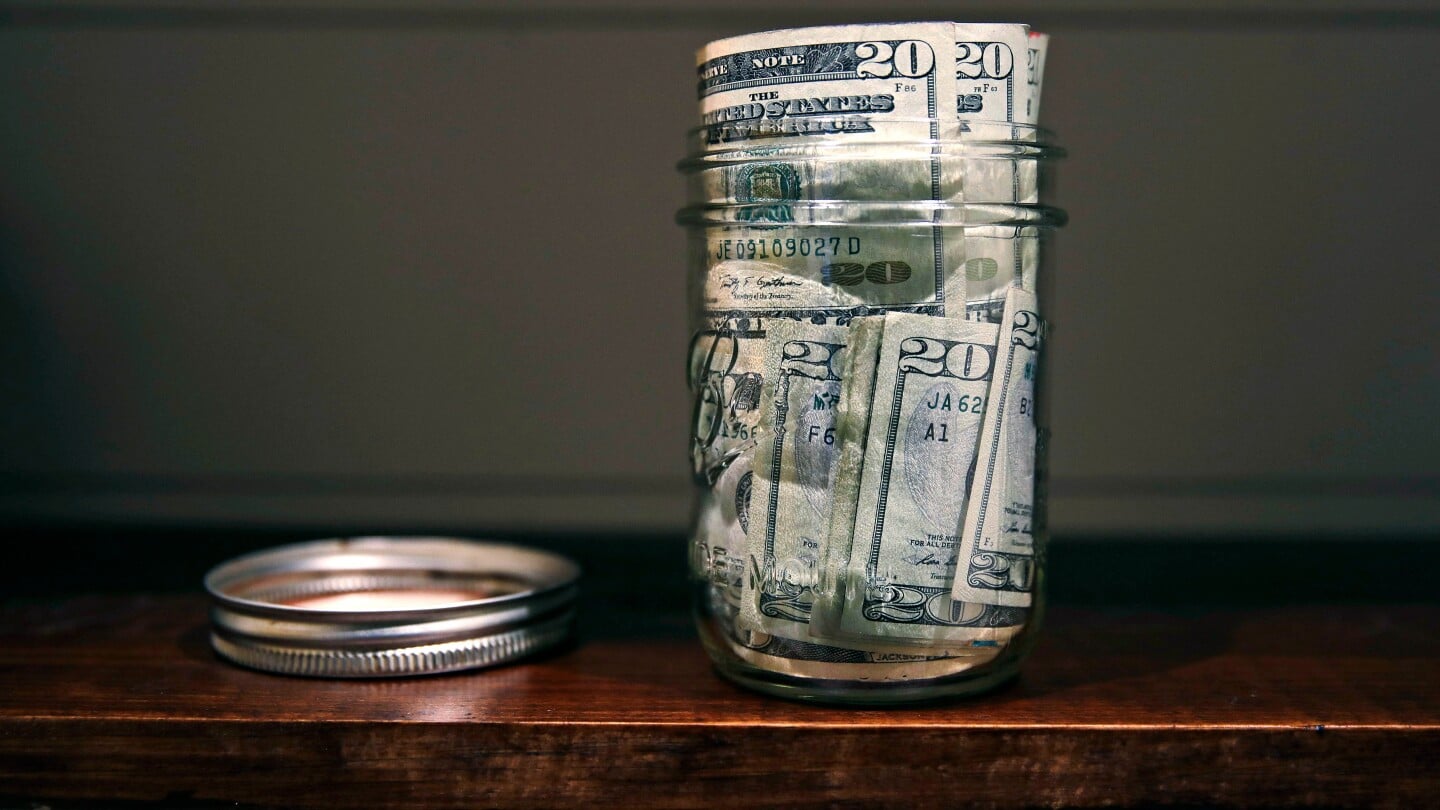
The article emphasizes the importance of setting realistic and actionable financial goals for the new year, such as saving, paying off debt, and building an emergency fund, with advice from experts and examples from individuals making plans for 2026.
The article offers advice on how to set and maintain effective New Year's resolutions by avoiding vague language like 'always' or 'never,' being realistic, planning for setbacks, stacking habits into existing routines, and focusing on positive goals to increase the likelihood of success.
To maintain fitness resolutions throughout the year, find a workout buddy, avoid pain during exercise by stretching, eat a balanced diet, stay hydrated, and build discipline to stay consistent even when motivation wanes.
Gretchen Rubin suggests choosing a theme word for the year instead of traditional resolutions, to inspire and guide personal growth, with examples like 'neighbor' for connection and 'bounce' for resilience, emphasizing actionable goals for specific achievements.
The enduring mystery of Amelia Earhart continues to captivate, while Elon Musk's Neuralink unveils a brain chip for mind control, and New Year's resolutions face an 80% failure rate. A study reveals that humans inhale a credit card's worth of microplastics weekly, and recent Moon mission failures raise questions about our lunar exploration capabilities.
Experts in psychology and nutrition suggest that giving up the diet mentality and offering oneself compassion may be the best way to approach New Year's dietary resolutions, as diets are ineffective in the long term and can lead to disordered eating. Instead of focusing on restriction, it's recommended to make small, enjoyable changes to improve nutrition, such as adding more fruits and vegetables in various ways. Rejecting guilt and restriction around food can benefit mental and physical health, as well as our relationships and community.
This week's Well+Being newsletter features a 93-year-old rower's inspiring fitness journey, emphasizing that it's never too late to start exercising. An exploration of foods that leave you hungry or full prompts readers to consider the satiety of their diets. The newsletter also advises caution when it comes to health fads, suggesting consulting healthcare providers before trying them. Readers are invited to share their New Year's resolutions, and the newsletter concludes with a segment on finding joy through "joy" snacks.
Psychologists suggest tailored New Year's resolutions for people with anxious tendencies, emphasizing the importance of confronting fears, focusing on personal values, seeking different perspectives, and practicing self-care. Strategies include breaking down fears into manageable steps, embodying valued traits, challenging catastrophic thinking, and prioritizing basic self-care routines. The approach aims to help individuals manage anxiety and pursue their goals despite their anxious tendencies.
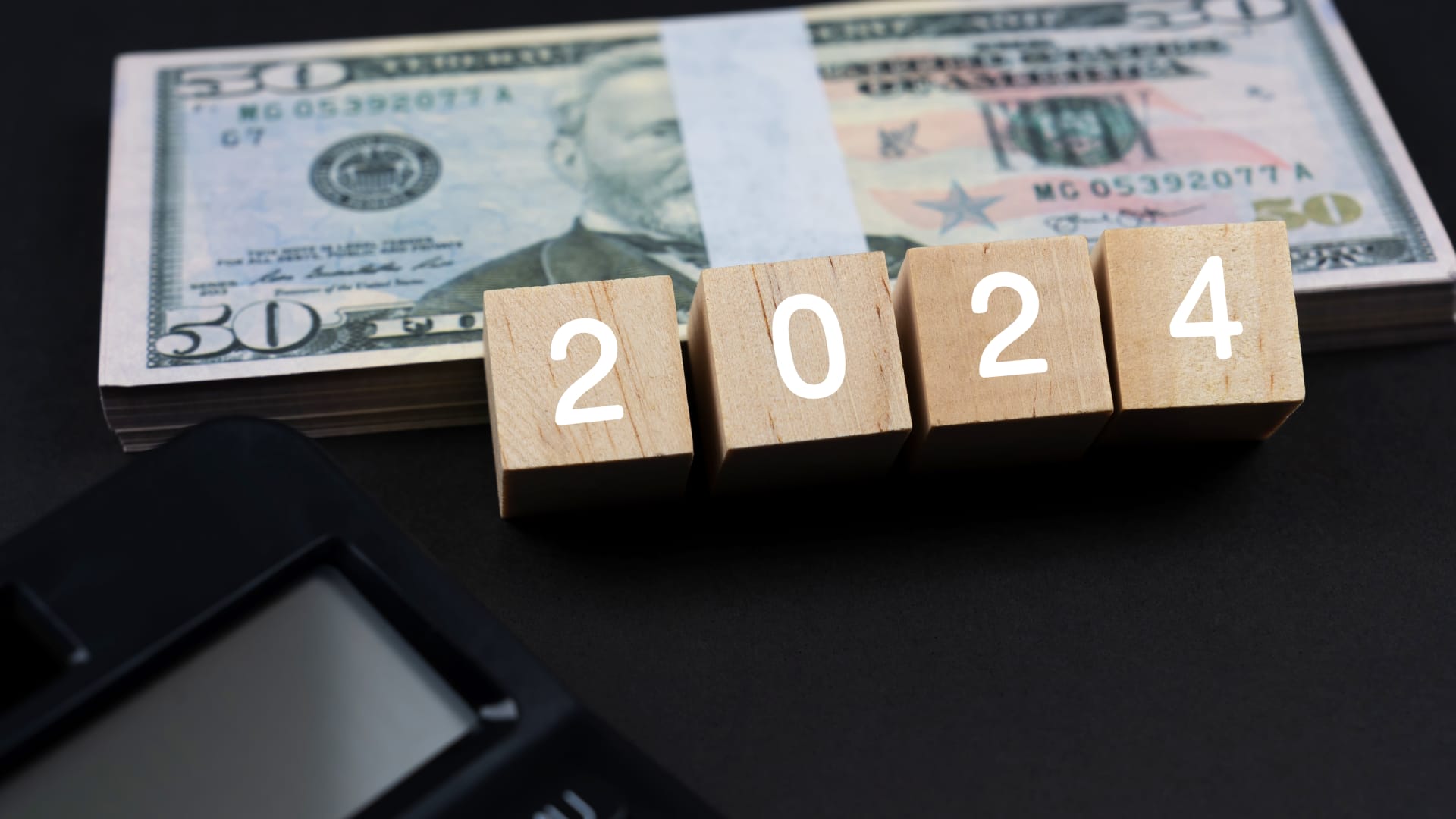
With economic uncertainty, many Americans are making financial resolutions for 2024, such as saving more money, paying down debt, and spending less. To make these resolutions stick, experts recommend setting well-defined, achievable goals, scheduling weekly money check-ins, saving in high-yield accounts, using debt wisely, and playing the long game by breaking down big objectives into small steps and creating habits that move towards financial goals.
Setting realistic goals, embracing optimism, finding social support, focusing on small habit changes, and prioritizing time management can help turn a slow start on New Year's resolutions into progress. Aiming for good health is a common resolution, and it's important to recognize that it requires effort, especially as we age. Techniques like the SMART goal process, cultivating optimism, seeking social support, and making small habit changes can contribute to success. Additionally, prioritizing time and learning to say no to certain things can create space for achieving goals.
The article emphasizes the importance of self-care in financial planning, offering four resolutions for 2024: unpacking your financial behaviors linked to past experiences, repairing broken relationships that may have financial implications, creating a vision board to visualize financial goals, and setting specific, measurable savings or debt reduction targets. It also highlights the author's personal finance journey, including paying off a mortgage and managing credit card debt, and encourages readers to seek help if needed and take action towards their financial aspirations.