Tag

Biomedicine

All articles tagged with #biomedicine

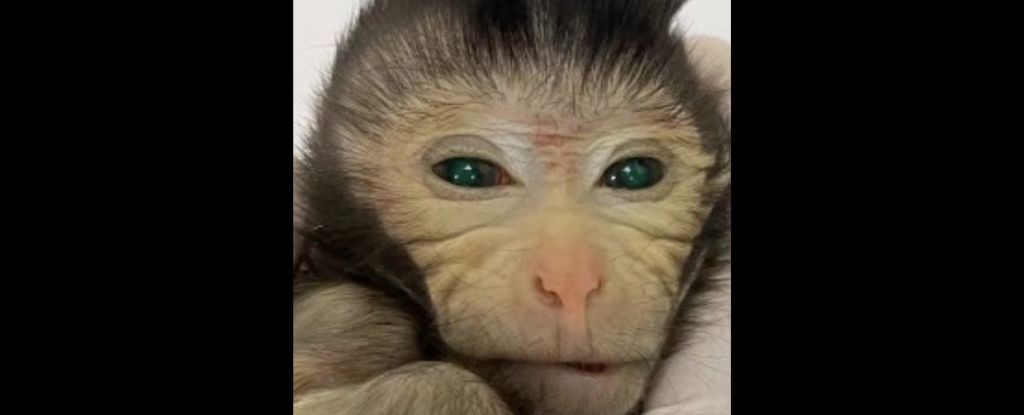
China's Groundbreaking Monkey Chimera: Glowing Fingertips and Green Eyes

Originally Published 2 years ago — by ScienceAlert

Featured image for China's Groundbreaking Monkey Chimera: Glowing Fingertips and Green Eyes
Source: ScienceAlert

Scientists in China have successfully created a chimeric monkey, using pluripotent stem cells from two genetically distinct fertilized eggs. The resulting monkey exhibited observable features such as glowing fingertips and green eyes, but the chimerism was also present at the cellular level in various organs and tissues. This breakthrough could lead to more precise monkey models for studying neurological diseases and other biomedical research. However, the efficiency of the process remains low, and the ongoing health of chimeric monkeys is still a challenge to be addressed. The research opens up possibilities for testing disease outcomes and therapies in accurate animal models, but ethical concerns persist in the field of chimeric animal research.

"Breakthrough: Superhydrophobic Surface Stays Dry for Months Underwater"

Originally Published 2 years ago — by Phys.org

Featured image for "Breakthrough: Superhydrophobic Surface Stays Dry for Months Underwater"
Source: Phys.org

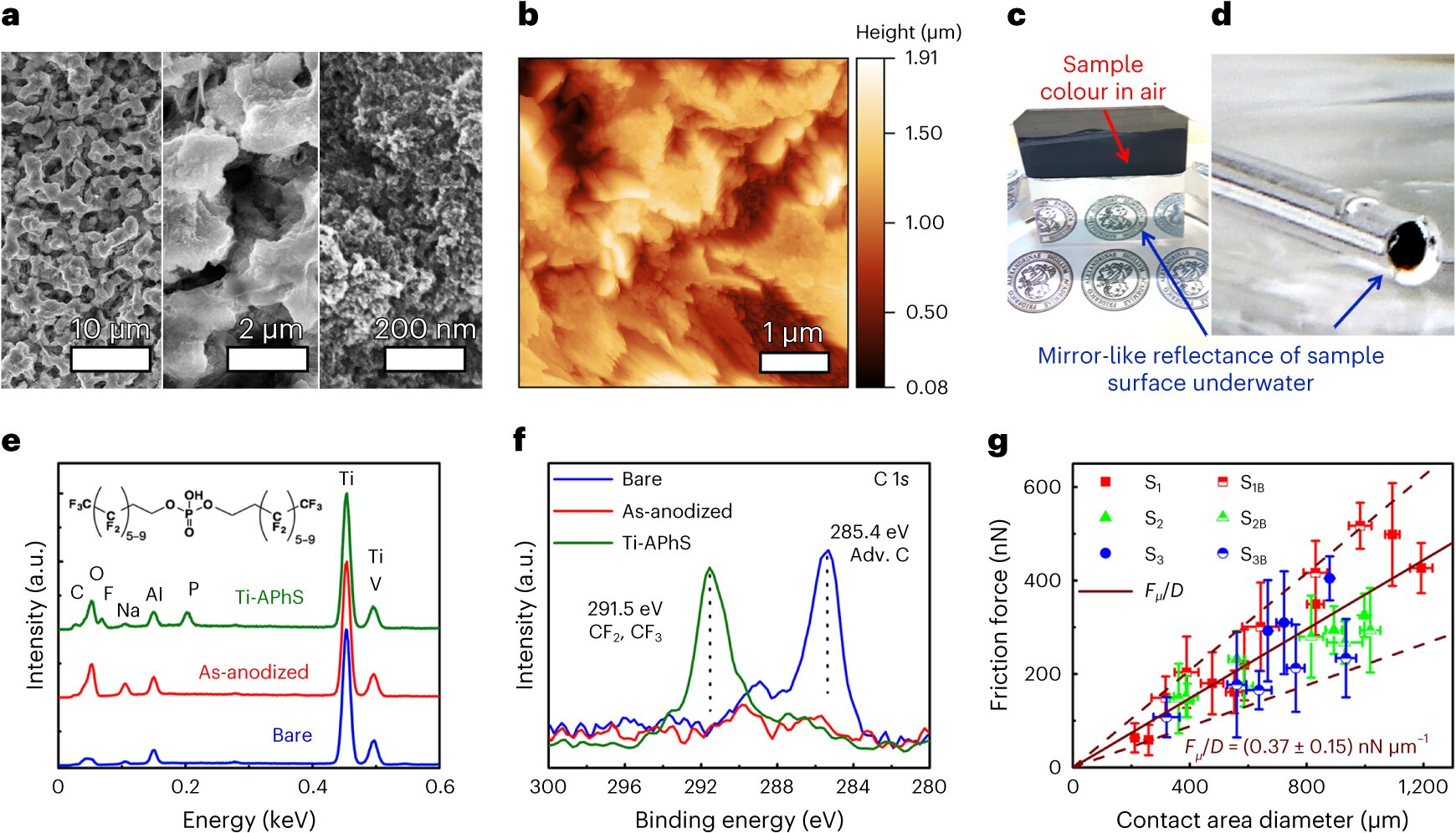
Researchers have developed a superhydrophobic surface with a stable plastron that can last for months underwater. The surface, made from a titanium alloy, repels blood and prevents the adhesion of bacterial and marine organisms. This breakthrough opens up possibilities for applications in biomedicine and industry, such as reducing infection after surgery and preventing corrosion in pipelines and sensors. The surface survived 208 days submerged in water and significantly reduced the growth of E.coli and barnacles. The stability and scalability of this system make it valuable for real-world applications.

Unraveling the Secrets of Snail Mucus: Scientists Investigate

Originally Published 2 years ago — by Phys.org

Featured image for Unraveling the Secrets of Snail Mucus: Scientists Investigate
Source: Phys.org

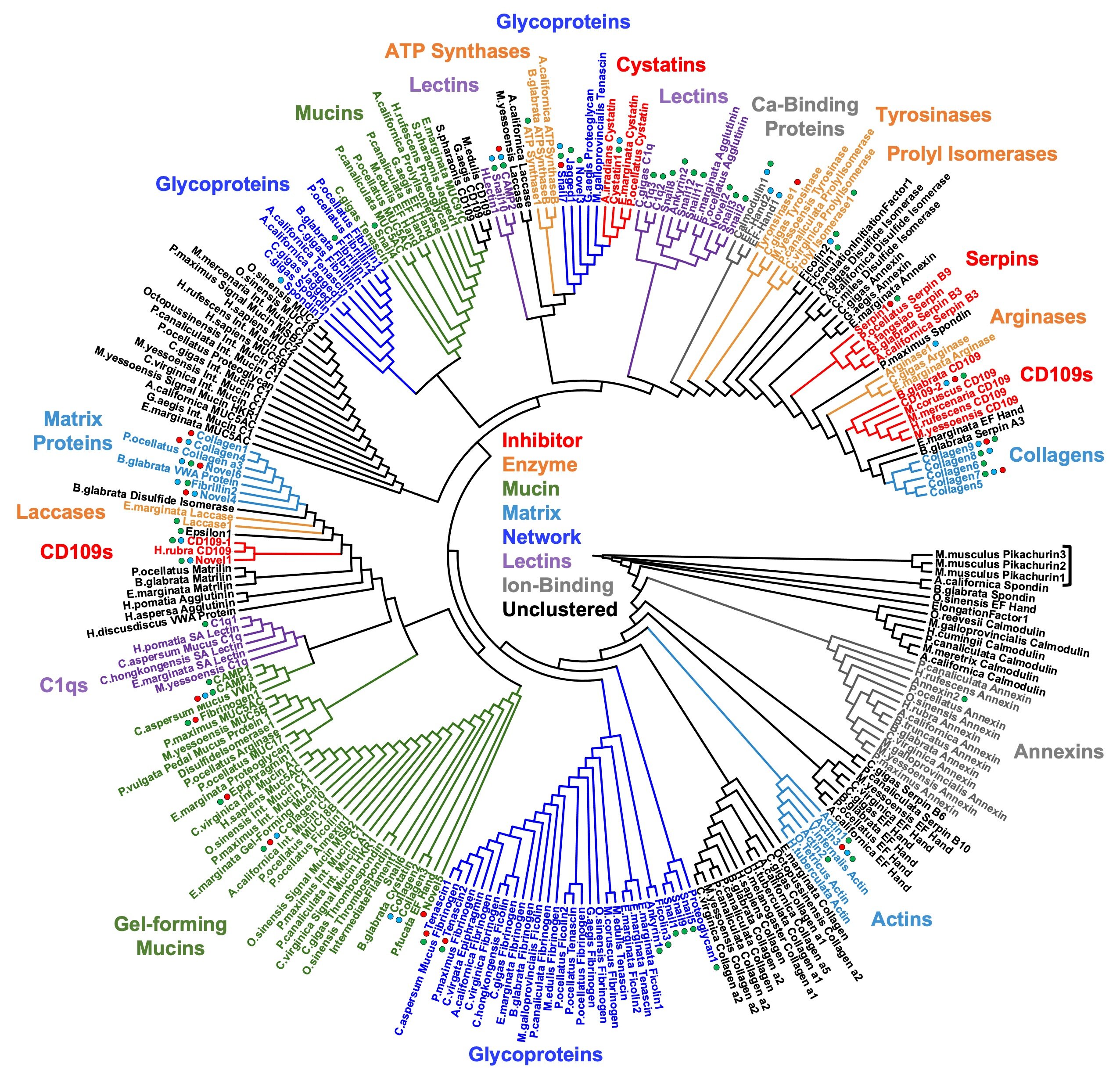
Scientists have conducted a study on the molecular composition of snail mucus, specifically focusing on the mucus of the Cornu aspersum species. They discovered that the mucus contains a complex collection of proteins, some of which are entirely novel. The researchers identified three unique types of secretions within the mucus, each serving different purposes such as hydration, adhesion, and lubrication. The study highlights the significant impact that subtle differences in mucus composition can have on its biological and material properties. Snail mucus is widely used in various industries, including cosmetics and biomedicine, and its potential applications continue to be explored.

"Genetic Discovery: Unveiling the Key Antibody Production Genes"

Originally Published 2 years ago — by UCLA Newsroom

Featured image for "Genetic Discovery: Unveiling the Key Antibody Production Genes"
Source: UCLA Newsroom

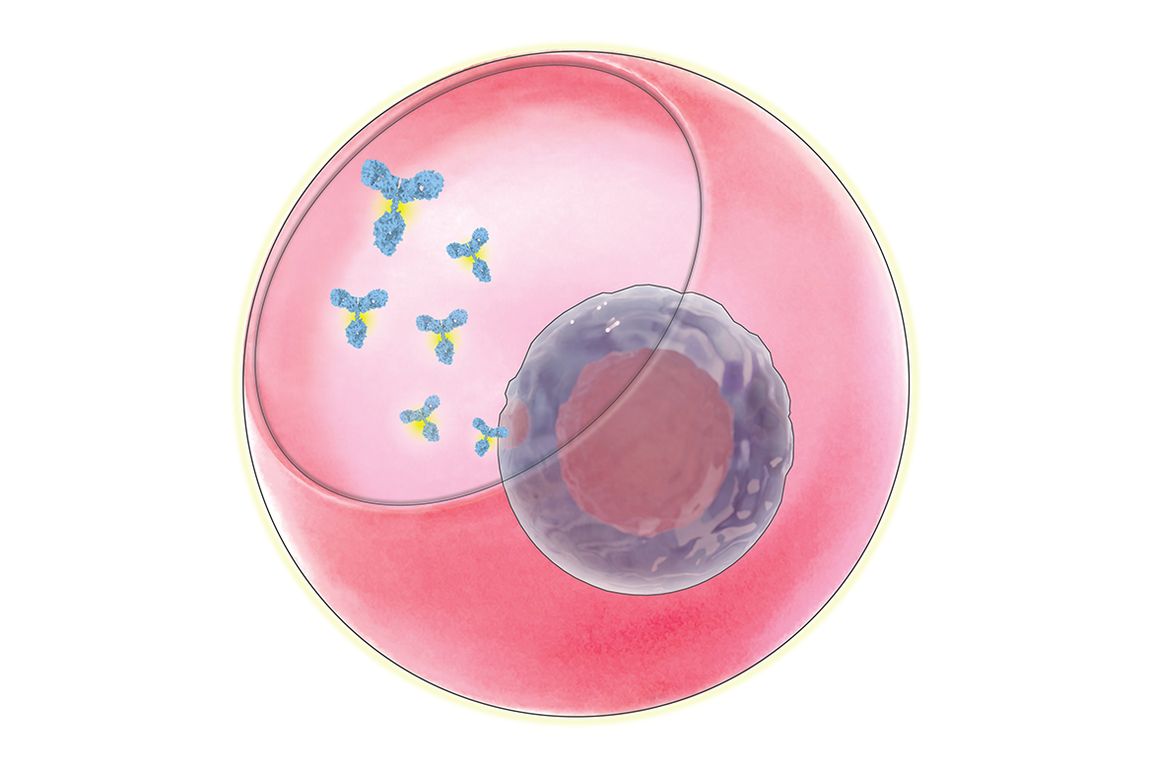
Researchers have identified a set of genes associated with high production and release of immunoglobulin G (IgG), the most common type of antibody in the human body. The study used nanovials to capture individual plasma B cells and their secretions, linking the amount of proteins released to the genes expressed by each cell. The findings could advance the development of antibody-based therapies and improve the effectiveness of cell therapies. The study also opens up new possibilities for understanding how DNA instructions are translated into cell behavior.

Caltech Engineers Create Tough New Material

Originally Published 2 years ago — by SciTechDaily

Featured image for Caltech Engineers Create Tough New Material
Source: SciTechDaily

Caltech engineers have developed a new material composed of multiple interconnected microscale knots that exhibit a tensile toughness far surpassing unknotted materials. The presence of knots in this new material significantly enhances its toughness by enabling it to absorb more energy and deform more before returning to its original shape without any damage. These new knotted materials may find applications in biomedicine as well as in aerospace applications due to their durability, possible biocompatibility, and extreme deformability.