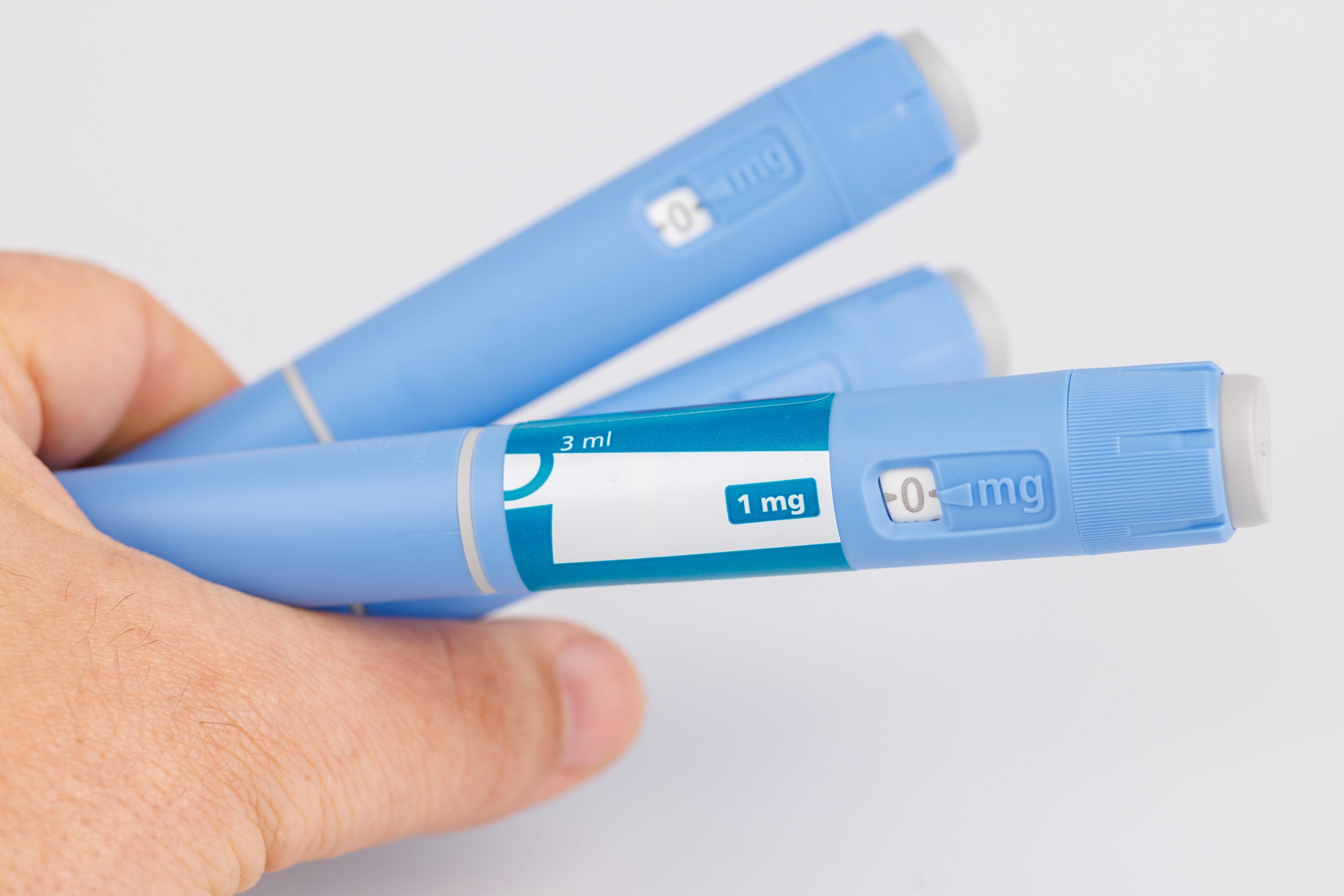
A new drug called ecnoglutide shows promise as a treatment for type 2 diabetes and weight loss, potentially rivaling Ozempic, with clinical trials indicating it may be more effective in lowering blood sugar and promoting weight loss than dulaglutide, and similar or better than semaglutide, though it is not yet approved for market.
Eli Lilly's obesity pill, orforglipron, despite underwhelming trial data compared to Novo Nordisk's oral semaglutide, remains a competitive option due to its potential advantages in manufacturing, cost, and ease of use, with market predictions favoring Lilly's larger global rollout and market share in the future.
A study on mice suggests that weight loss drugs like Ozempic and Wegovy may cause loss of lean mass, including organs like the liver and some muscles, raising concerns about potential impacts on muscle strength and organ health in humans, especially older adults. Further research is needed to confirm these effects in humans and assess health risks.
A study in the US suggests that anti-obesity injections like semaglutide and tirzepatide have less impact on weight loss in real-world settings compared to clinical trials, mainly due to higher discontinuation rates and lower maintenance doses, with factors such as cost, side effects, and medication shortages influencing adherence.
Researchers at the City of Hope have found that white button mushroom extract may slow or prevent prostate cancer growth by reducing myeloid-derived suppressor cells, which suppress the immune response. Early trials in mice and humans show promising results, suggesting the extract could enhance anti-cancer immune defenses when used alongside traditional treatments. While the exact mechanism is unknown, the study supports the potential of 'food as medicine' in cancer care. The findings were published in Clinical and Translational Medicine.
Early data from clinical trials indicate that the new obesity drug MariTide can help patients lose up to 20% of their body weight, offering a promising new treatment option for weight management.
A study published in the Lancet Diabetes & Endocrinology journal reveals that weight-loss drugs, specifically GLP-1 receptor agonists, can significantly improve kidney health by reducing the risk of kidney failure and worsening kidney function by up to 22%. The meta-analysis of 11 clinical trials involving over 85,000 participants also confirmed cardiovascular benefits, with a 14% reduction in cardiovascular events. These findings suggest that GLP-1 receptor agonists could play a crucial role in managing chronic kidney disease and cardiovascular conditions, potentially influencing future clinical guidelines.
Cassava Sciences' stock plummeted by 80% in premarket trading after its Alzheimer's drug, Simufilam, failed to show significant efficacy in a late-stage trial. The company announced it would discontinue further studies of the drug, which was intended for mild-to-moderate Alzheimer's patients. This setback follows a $40 million settlement with the SEC over allegations of clinical trial data manipulation.
Viking Therapeutics presented promising data on their oral obesity treatment, but the market reaction was unexpectedly negative. Despite analysts finding the data compelling, the company's stock did not see the anticipated increase. Viking is now preparing for Phase 3 trials, aiming to further validate their treatment's efficacy.
Viking Therapeutics' stock fell by about 11% after announcing trial results for its weight-loss drugs, despite showing a placebo-adjusted average weight loss of up to 6.8% in the oral version. Analysts expressed concerns over the high costs and challenges of scaling production for both oral and injectable forms, suggesting that established companies like Eli Lilly and Novo Nordisk have significant competitive advantages. Viking's shares have seen substantial gains this year, but the path to market remains long and costly.
A small study has shown that a single dose of the psychedelic drug ibogaine, combined with magnesium, significantly improved symptoms of depression, anxiety, PTSD, and cognitive functions in military veterans with traumatic brain injuries (TBIs). The research, which involved 30 special ops veterans, suggests that ibogaine may interact with various neurotransmitter systems and support brain cell growth and rewiring. Despite ibogaine being a Schedule I controlled substance in the U.S., the positive findings from the study, published in Nature Medicine, indicate the need for larger, double-blind, placebo-controlled clinical trials to further investigate its potential as a therapeutic drug for TBI and other neuropsychiatric conditions.
Allogene Therapeutics is altering its development strategy for ALLO-501A, an off-the-shelf cell therapy for blood cancer, due to intense competition from personalized CAR-T treatments. The company is discontinuing two ongoing clinical trials for patients with advanced-stage lymphoma and instead will initiate a new study targeting newly diagnosed high-risk lymphoma patients. This shift aims to position ALLO-501A more effectively in the competitive blood cancer treatment landscape.
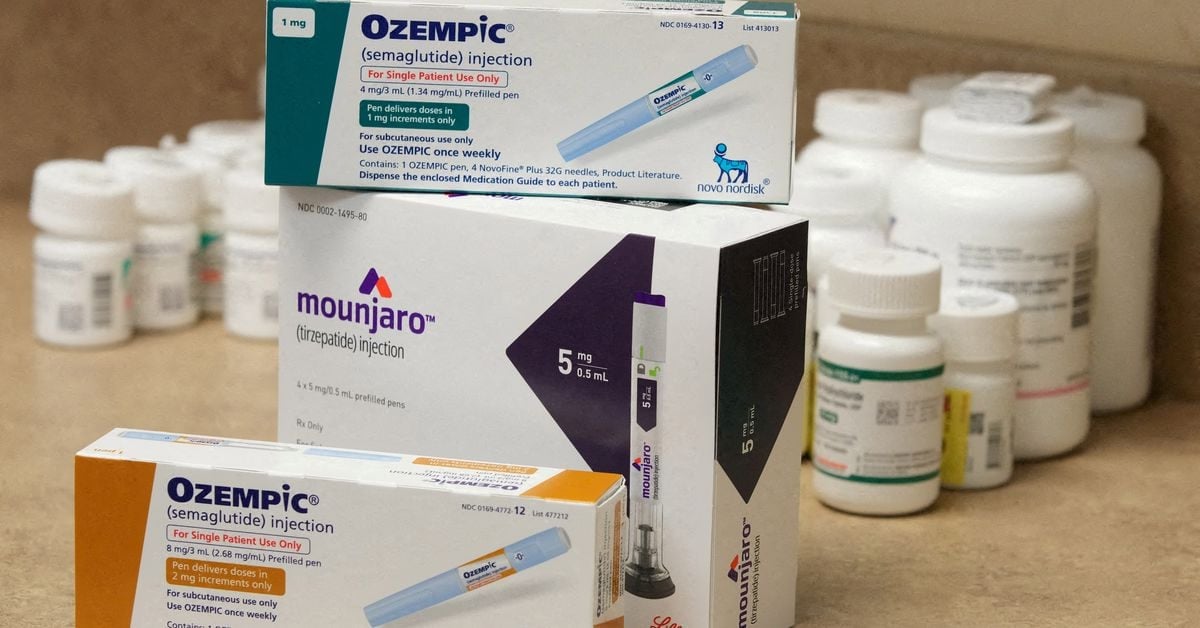
Weight-loss drugs containing semaglutide, like Novo Nordisk's Ozempic and Lilly's Mounjaro, are being explored for their potential benefits in treating a variety of health conditions beyond type 2 diabetes. These include chronic kidney disease, cardiovascular disease, neurological disorders such as Alzheimer's and Parkinson's, liver disease, sleep apnea, polycystic ovary syndrome (PCOS), knee osteoarthritis, and even alcohol addiction. The drugs are part of a class known as GLP-1 therapies, which are currently undergoing various stages of clinical trials to determine their efficacy in these new applications.
Researchers have developed a technique to measure the effectiveness of clemastine, an over-the-counter antihistamine, in repairing the brain of patients with multiple sclerosis (MS). Using MRI scans, they found that patients treated with clemastine experienced modest increases in myelin water, indicating myelin repair. The myelin water fraction technique could be used to track myelin recovery and set the standard for future research into remyelinating therapies. Clemastine works by stimulating the differentiation of myelin-making stem cells, making it a generation ahead of existing MS drugs. Future research will examine clemastine's potential in treating brain injury in premature infants.
A daily pill called osimertinib has been found to reduce the risk of dying from lung cancer by 51%, according to a decade-long global study. The Adaura trial involved patients aged between 30 and 86 in 26 countries and looked at whether the pill could help non-small cell lung cancer patients, the most common form of the disease. Everyone in the trial had a mutation of the EGFR gene, which is found in about a quarter of global lung cancer cases, and accounts for as many as 40% of cases in Asia. The pill was proven to be “practice-changing” and should become the “standard of care” for the quarter of lung cancer patients worldwide with the EGFR mutation.