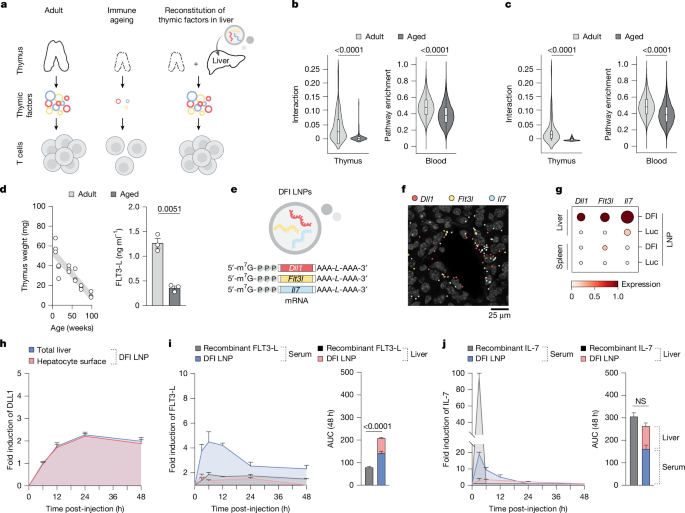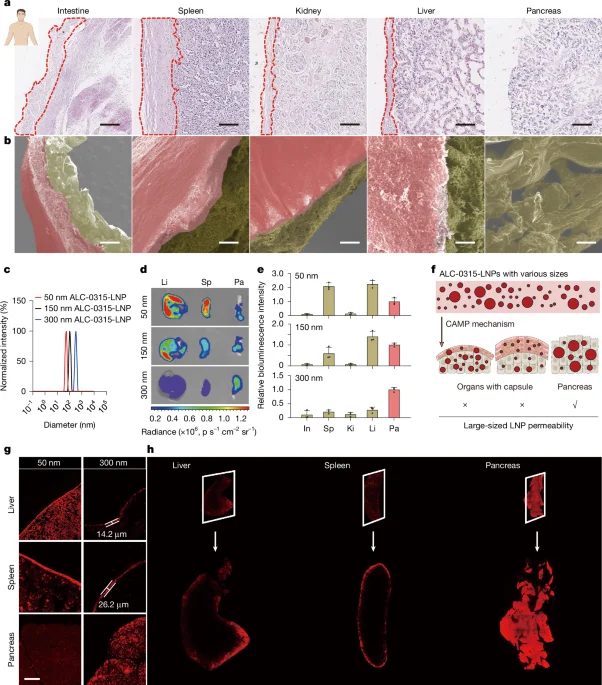
A study demonstrates that a twice-weekly cocktail of three messenger RNAs can rejuvenate aged immune cells in mice, particularly T cells, enhancing their response to vaccines and cancer therapies, by targeting T cells through the liver to counteract age-related decline and thymus degradation.
The study presents a novel approach to counteract immune decline in aging by using mRNA delivered to the liver to produce key immune factors (DLL1, FLT3-L, IL-7), which rejuvenates T cell production, enhances vaccine responses, and improves tumor immunotherapy efficacy in aged mice, without adverse effects or autoimmunity.
Researchers at MIT and the Broad Institute have developed a method using mRNA to temporarily program liver cells, creating a 'factory' that produces T-cell survival factors, which rejuvenates the immune system in aged mice and enhances their response to vaccines and cancer treatments. This approach could potentially help maintain immune health in humans as they age.
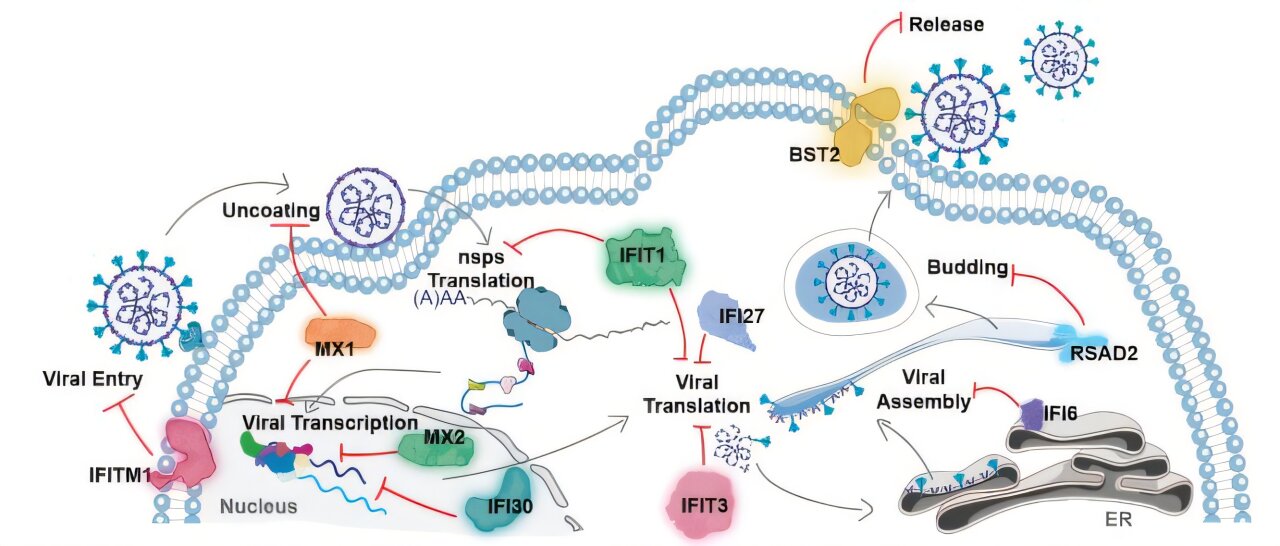
Researchers have replicated a rare genetic mutation that grants near-universal virus immunity in lab animals using mRNA technology, offering a potential short-term protective therapy against various viruses, including COVID-19, though challenges remain in delivery and societal acceptance.
Researchers have developed an experimental mRNA-based therapy that mimics the antiviral powers of a rare immune condition, potentially providing broad protection against viruses like influenza and COVID-19, and serving as a universal antiviral in future pandemics.
A new mRNA therapy, mRNA-3927, shows promise in treating propionic acidemia, an ultrarare inherited metabolic disorder that affects around 1 in 100,000 people in the U.S. The therapy aims to replenish stocks of working enzymes in the body by using messenger RNA to produce fully functioning enzymes that are otherwise defective in patients with the disease. Initial findings from a pioneering clinical trial suggest a 70% drop in the rate of metabolic decompensation events in patients with propionic acidemia, although the trial has several limitations and is ongoing.
Patients in the UK have received an experimental mRNA therapy for melanoma, lung cancer, and other solid tumors at Hammersmith hospital in London. The therapy aims to present tumor markers to the immune system, helping it recognize and fight cancer cells. The trial, known as Mobilize, will assess the therapy's safety and effectiveness, administered alone or in combination with pembrolizumab. Researchers hope this approach may lead to a new treatment option for difficult-to-treat cancers, addressing the need for less toxic and more precise anti-cancer therapies.
Researchers at Tel Aviv University have successfully induced cancer cell suicide in animals with melanoma by delivering mRNA molecules encoding a bacterial toxin directly to the tumor bed. The nanoparticles carrying the mRNA were injected into the tumors, causing the cancer cells to produce the toxic protein that eventually killed them. This groundbreaking study achieved a success rate of 44% to 60% in eliminating cancer cells without harming healthy cells. The researchers believe this method could be applied to various types of cancer using different natural toxins, offering a promising alternative to chemotherapy.