Tag

Aquatic Predator

All articles tagged with #aquatic predator

paleontology1 year ago

"Revealing the Truth: Spinosaurus - Land or Water Predator?"

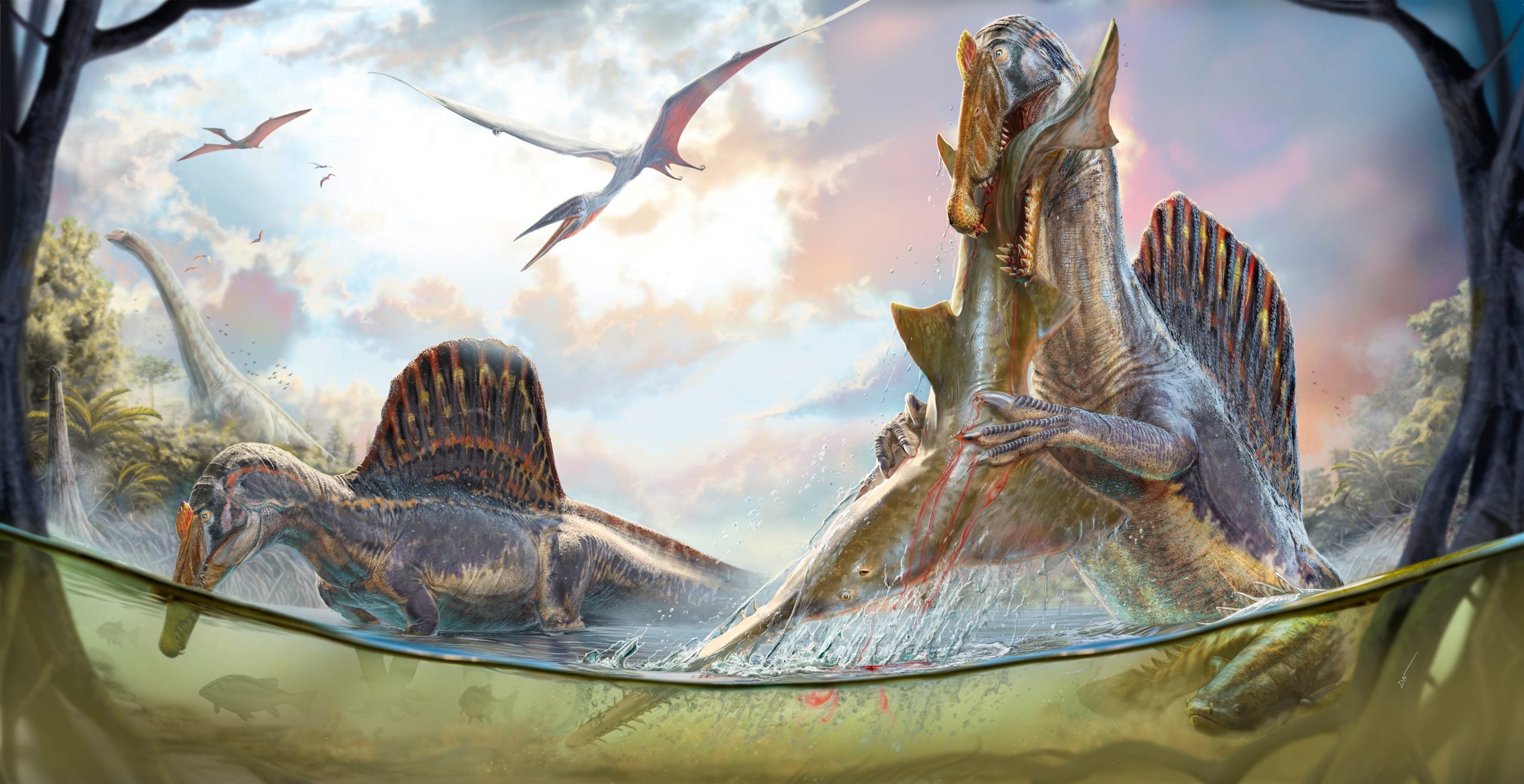
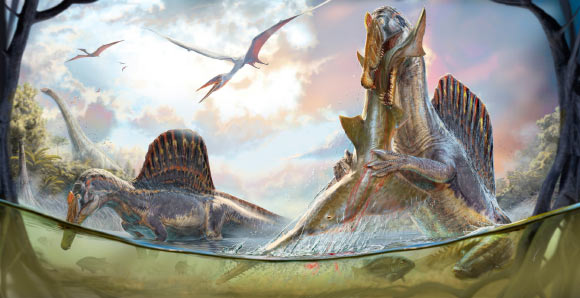
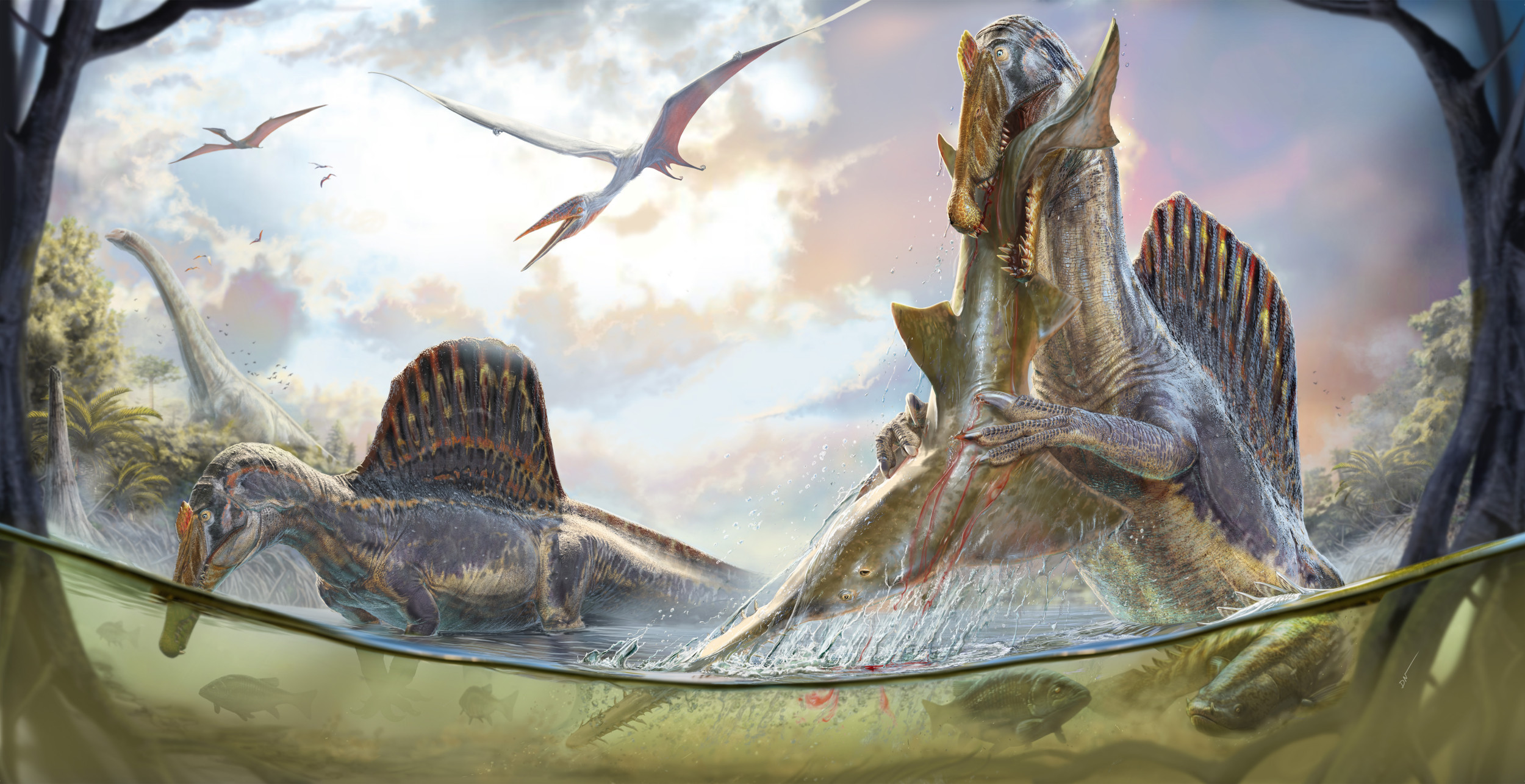
New research led by UChicago paleontologists challenges previous theories about the hunting habits of the sail-backed dinosaur Spinosaurus aegyptiacus, suggesting that it was a shoreline predator rather than an underwater hunter. The study reevaluates bone density calculations and statistical techniques used in previous research, concluding that Spinosaurus likely waded into waterways to ambush prey rather than diving deep. The findings shed light on the complexities of assessing the aquatic abilities of extinct species and highlight the importance of considering measurement errors and individual variations when analyzing bone density.
paleontology1 year ago

"Reevaluating Spinosaurus: Flaws in Aquatic Pursuit Hunting Theory Uncovered"

A recent study has raised doubts about previous research supporting the idea that Spinosaurus was a fully aquatic pursuit predator. The new study, led by University of Chicago’s Professor Paul Sereno and colleagues, critically assesses the methods of the prior research and identifies significant flaws, particularly in the statistical technique used. The findings emphasize the importance of using consistent and objective criteria when classifying behavior and taking measurement errors and individual variations into account when assessing bone density. The study challenges the notion that Spinosaurus was a deep diver and suggests that the dinosaur may have waded into waterways to ambush fish while keeping its toes anchored in the mud.

paleontology1 year ago

"Reevaluating Spinosaurus: Debunking the Deep-Sea Hunter Theory"

Researchers have debated the lifestyle of the Spinosaurus aegyptiacus, a giant sail-backed dinosaur, with some arguing it was a fast swimming predator while others believe it was an ambush predator at the water's edge. A new study re-examined the density of the dinosaur's bones to determine its life habits in water, disputing a previous study's claim that it was an underwater forager. The latest findings suggest that Spinosaurus was a semiaquatic, fish-eating predator that ambushed prey in shallow water, leading to comparisons of it being a "heron from hell." However, the study has been disputed by another team of researchers who argue that the bone density supports their claim of Spinosaurus being a deep diver.

paleontology2 years ago

"Unveiling the Ancient 'Blue Dragon': Japan's Terrifying Prehistoric Sea Predator"

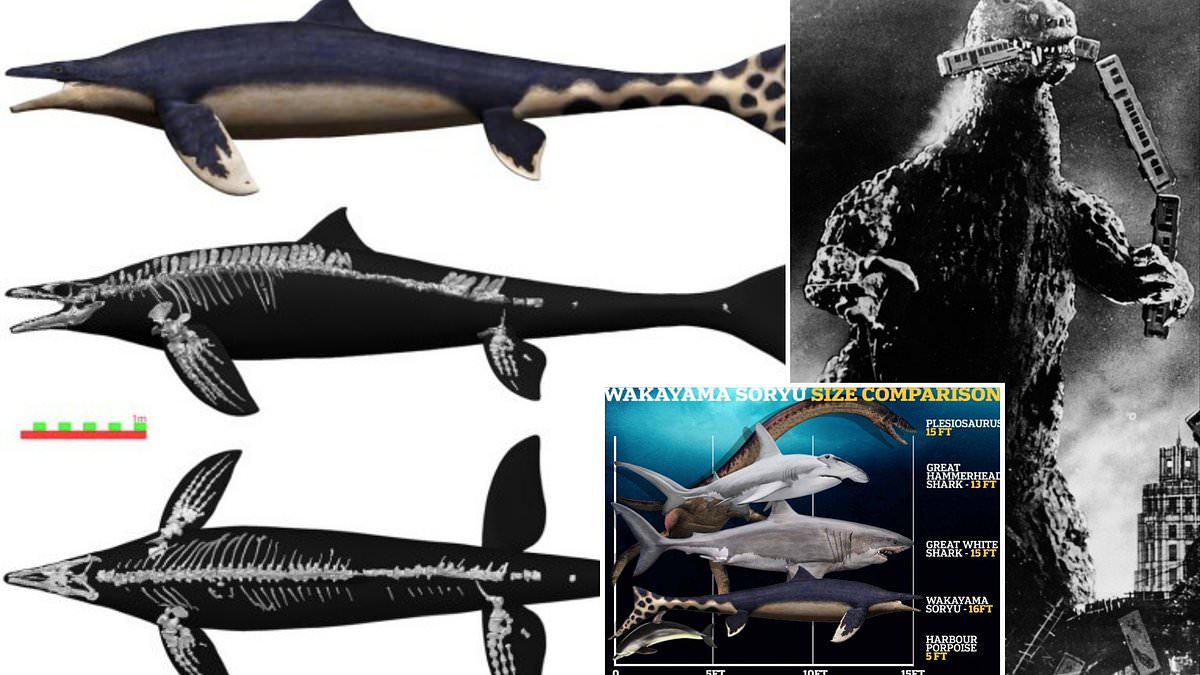
Scientists have discovered the Wakayama Soryu, a giant aquatic lizard that dominated the Pacific seas 72 million years ago. As big as a Great White Shark, this unique creature had four large flippers and a dorsal fin, making it different from other mosasaurs. The most complete mosasaur ever found in Japan, the Wakayama Soryu had rear flippers larger than its front and used its large front fins for rapid maneuvering. Its massive tail provided acceleration, making it a deadly predator. This discovery challenges our understanding of how mosasaurs swam and sheds light on the prehistoric marine ecosystem.

science-and-paleontology2 years ago

"Discovery of New Aquatic Predator: Walhalla Dinosaur Fossil Unveils Ancient Species"

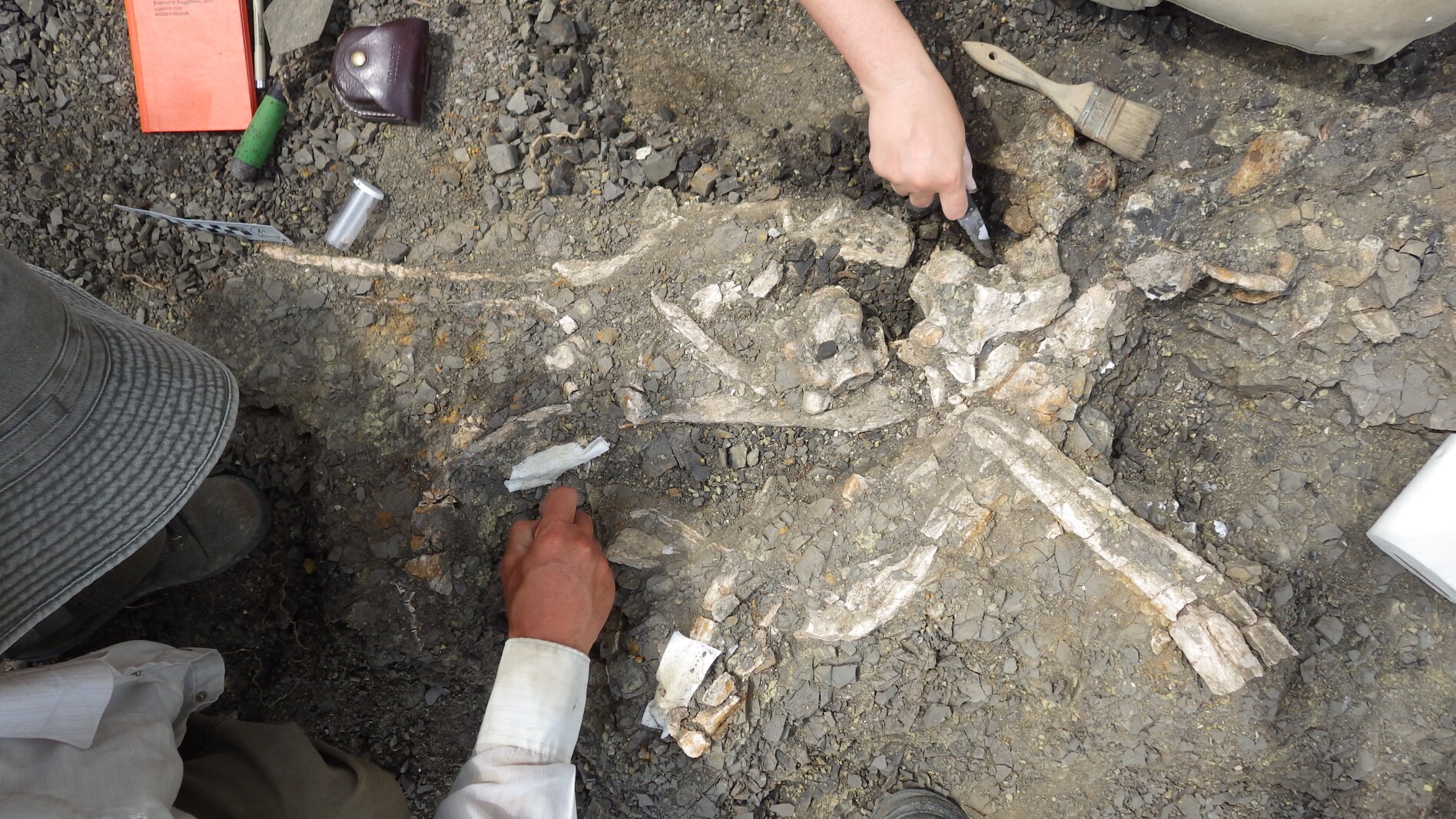
Researchers have discovered a new genus and species of mosasaur, an ancient aquatic lizard, in the Pembina Gorge north of Walhalla, North Dakota. The fossil, named Jormungandr walhallaensis, is estimated to be around 80 million years old and is considered an evolutionary link between the genuses Clidastes and Mosasaurus. The discovery fills gaps in scientists' understanding of mosasaur evolution and highlights the importance of reporting fossil findings to preserve and learn more about our past.

science2 years ago

"Scientists Reconstruct Skull of Scotland's Prehistoric 'Tadpole from Hell' After 100 Years"

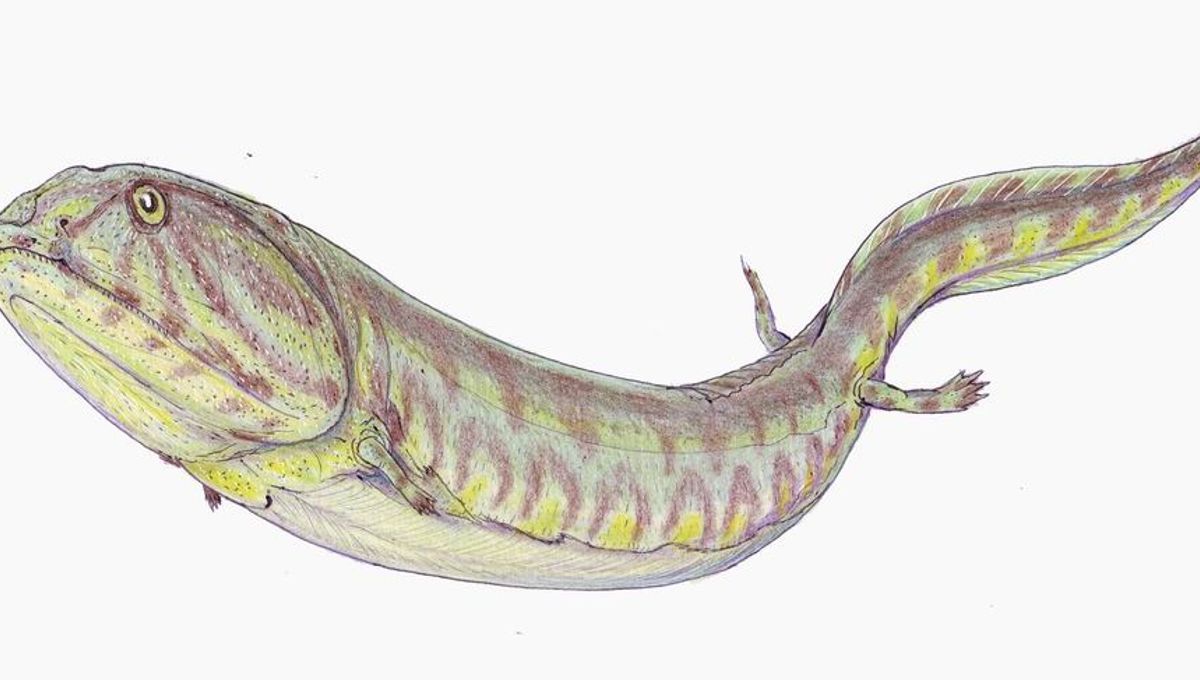
Scientists have digitally reconstructed the skull of Crassigyrinus scoticus, an early tetrapod that lived in the coal swamps of Scotland over 300 million years ago. The aquatic predator, closely related to some of the first species to make the transition from water to land, had previously been difficult to understand due to severely crushed fossils. However, advances in CT scanning and 3D visualization allowed researchers to piece together the fragments and discover that the animal had a skull similar to modern crocodiles, large teeth, and powerful jaws. The reconstructed skull sheds light on how the carnivore would have lived and hunted prey in ancient Scottish swamps.