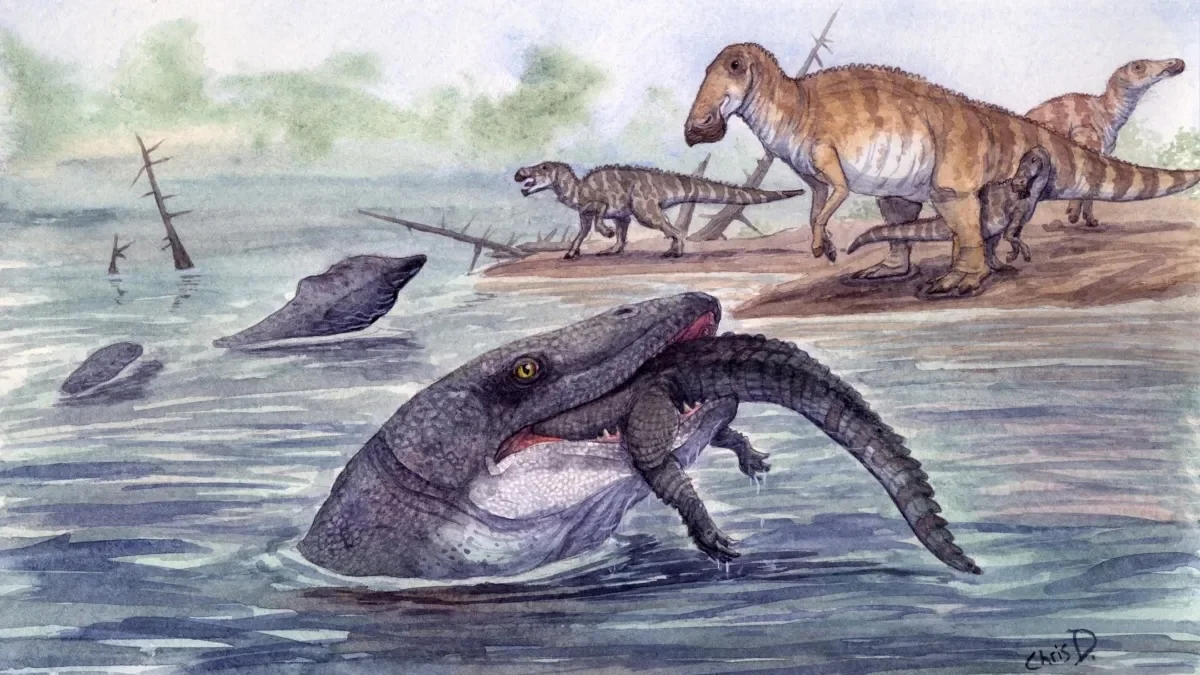
New research indicates that mosasaurs, giant marine reptiles, could also live in freshwater environments, as evidenced by isotope analysis of fossil teeth from North Dakota, suggesting they were not limited to oceans and may have preyed on dinosaurs in rivers before their extinction.
Researchers from the University of South Australia have developed a breakthrough desalination technology using a floating photothermal hydrogel evaporator with clay minerals, achieving seawater evaporation rates 18.8% higher than pure water. This innovation, which enhances the efficiency of solar-powered desalination, could significantly alleviate global freshwater shortages affecting billions, by providing a sustainable and energy-efficient alternative to traditional methods that are energy-intensive and environmentally harmful.
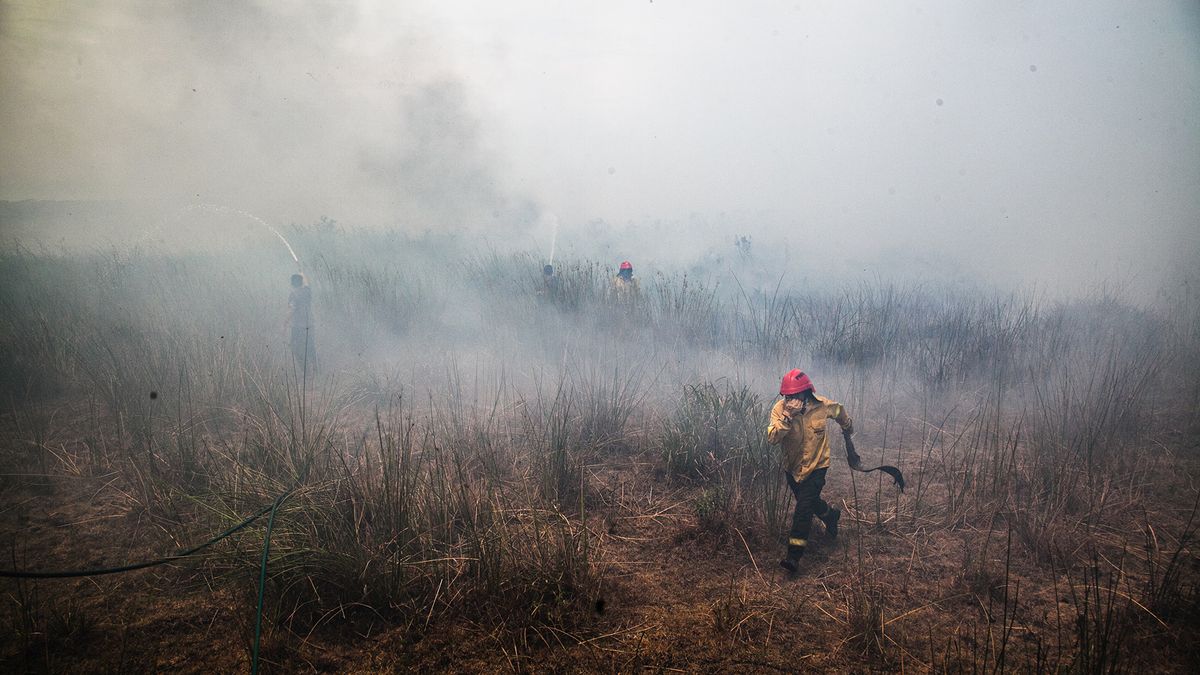
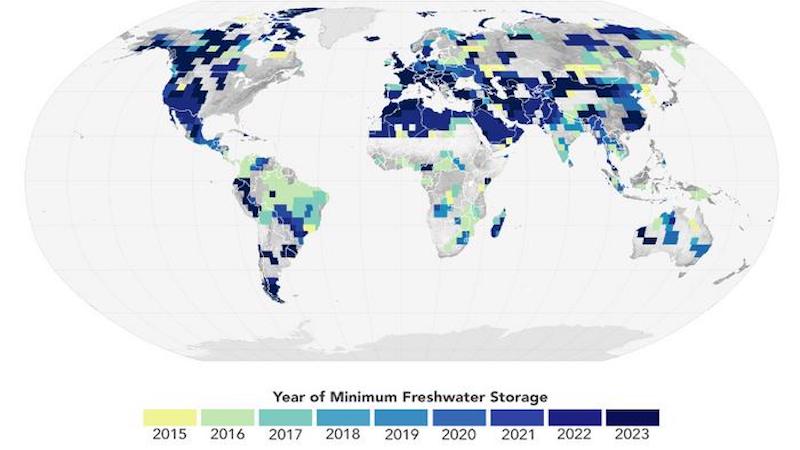
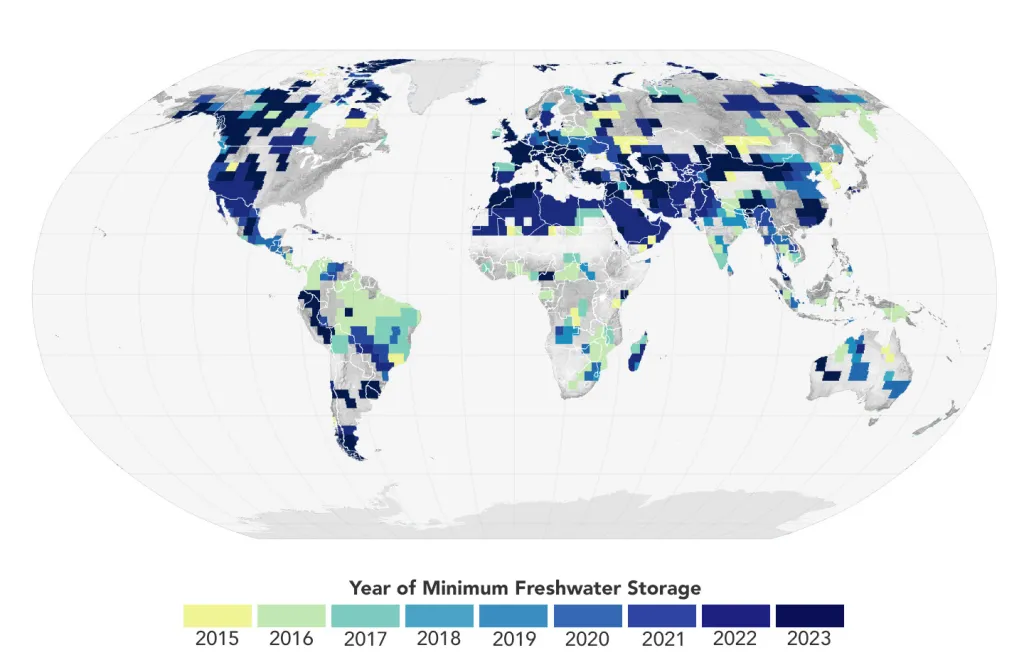
A new study using NASA satellite data reveals a significant decline in Earth's freshwater levels, with a loss of 290 cubic miles since 2015, equivalent to emptying Lake Erie two and a half times. This decline, linked to climate change and exacerbated by El Niño events, suggests a potential long-term global drying trend. The study highlights the increasing stress on water systems affecting nearly 3 billion people and over half of global food production, raising concerns about future water availability.
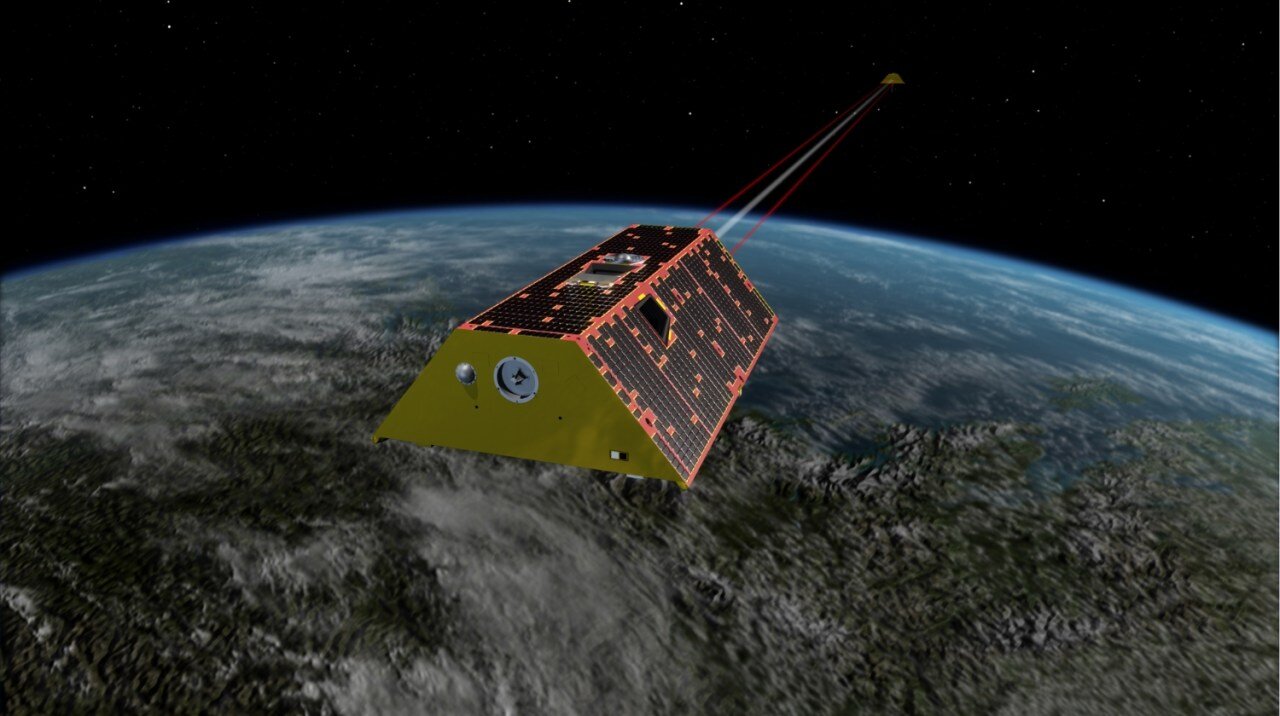
A study using NASA-German satellite data reveals a significant drop in Earth's freshwater levels since May 2014, suggesting a shift to a drier phase for the continents. The decline, linked to major droughts and a significant El Niño event, has persisted despite the event's end, with global warming potentially exacerbating the issue. This reduction in freshwater poses risks of famine, conflict, and disease, as highlighted by a UN report on water stress.
NASA-German satellite data reveals a significant drop in global freshwater levels since 2014, attributed to persistent droughts and possibly exacerbated by global warming. The study highlights a 290 cubic mile reduction in freshwater storage from 2015 to 2023 compared to 2002-2014 levels, with major droughts occurring worldwide. The findings suggest a potential long-term shift towards drier conditions, with implications for agriculture, water supply, and climate resilience.
NASA and German satellites have detected a significant drop in global freshwater levels since May 2014, with levels remaining low due to persistent droughts and climate change. The GRACE satellites revealed that from 2015 to 2023, freshwater storage on land was significantly lower than the average from 2002 to 2014. This decline is linked to major droughts and warmer ocean temperatures, exacerbated by global warming, which increases atmospheric water vapor and alters precipitation patterns. The study suggests this trend may continue, posing risks to agriculture and water supplies.
NASA and German satellites have detected a significant drop in Earth's freshwater levels since 2014, with a persistent decline linked to global droughts and possibly global warming. The study, using data from GRACE satellites, highlights a 290 cubic mile reduction in freshwater storage, equivalent to two and a half times the volume of Lake Erie. This decline, exacerbated by extreme weather patterns and increased atmospheric water vapor, poses risks of water scarcity, impacting agriculture and communities worldwide.
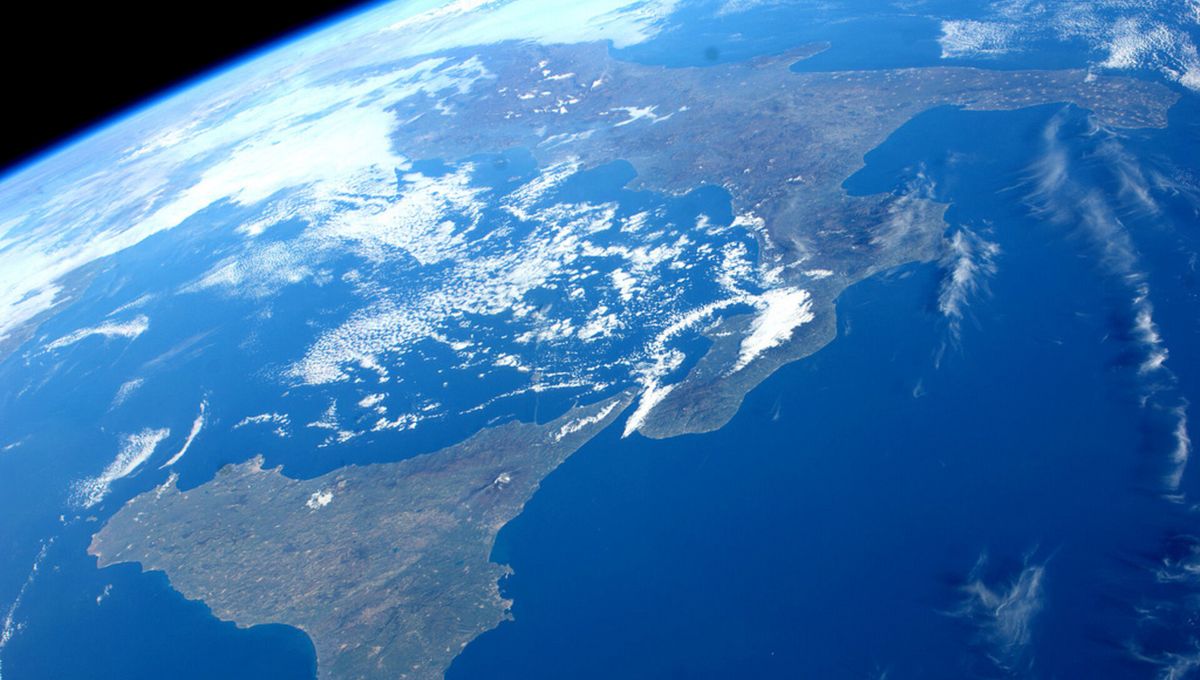
An international team of experts has discovered a vast deposit of ancient freshwater deep beneath the mountains of Sicily, offering a potential solution to the water shortages facing the region. The 6-million-year-old groundwater body, located 2,400 meters below sea level, contains 17.3 cubic kilometers of water. The researchers believe that such unconventional sources of potable water could be explored and utilized in other water-scarce areas along the Mediterranean coastlines. The discovery has significant implications for addressing the pending water crisis in southern Italy and potentially in other regions facing water scarcity.
Geologists have discovered a massive deposit of ancient freshwater deep below the mountains of Sicily, estimated to contain 17.5 cubic kilometers of water. The deposit, trapped for around 6 million years, could potentially provide a solution to the water scarcity issues faced by arid lands along the Mediterranean coastlines. The discovery was made by analyzing maps and data from previous surveys looking for oil deposits. The researchers believe the water may have been trapped during the Messinian salinity crisis, a geological event that dried up the Mediterranean Sea basin. This finding has significant implications for addressing water scarcity in southern Italy and other regions in North Africa.
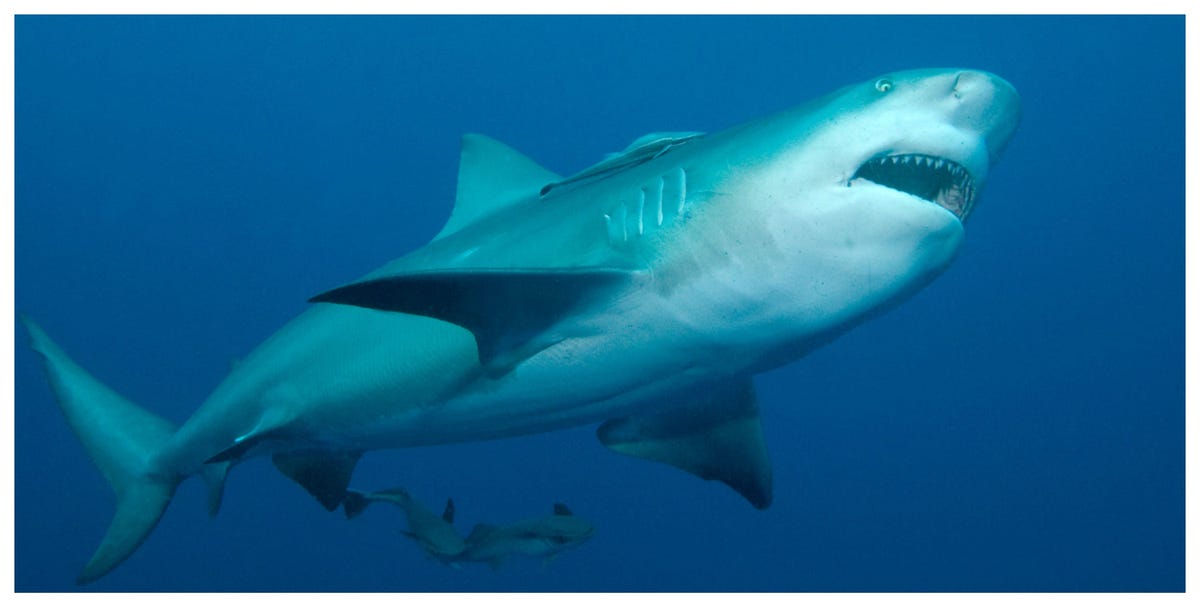
A group of bull sharks has been living in a freshwater golf course pond in Australia for over 17 years, making it the longest observed instance of bull sharks surviving in freshwater. The sharks were likely stranded in the pond during severe floods in the mid-1990s. While the original sharks have not been spotted since 2015, it is unclear if they are still alive. The adaptability of bull sharks to different environments is highlighted by this unique case, and experts warn that with increasing extreme floods due to climate change, caution should be exercised around bodies of water that may have recently flooded.
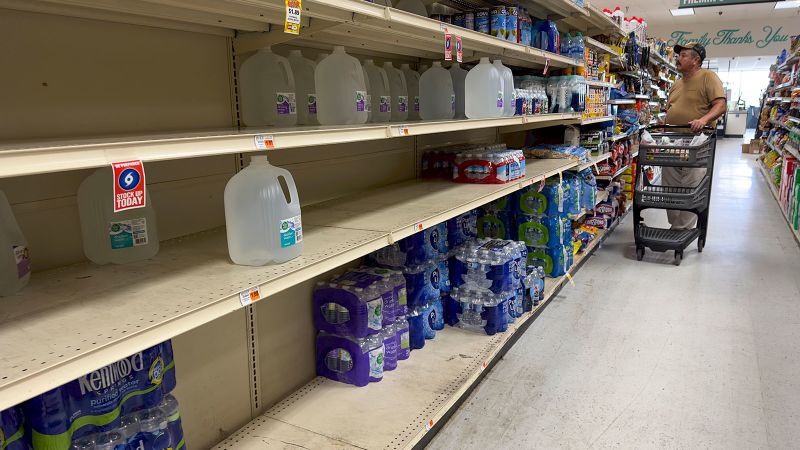
The US Army Corps of Engineers plans to barge 36 million gallons of freshwater daily into the lower Mississippi River near New Orleans to combat saltwater intrusion threatening the area's drinking water supply. Water levels are dropping due to extreme drought, allowing ocean water to push north into the drinking water systems. To mitigate the intrusion, the state and the Army Corps of Engineers are adding height to an underwater levee and will transport millions of gallons of water daily to local treatment facilities. The Mississippi River is expected to reach historic lows, exacerbating the problem. The governor announced plans to deliver bottled water to the area, but there is no shortage of bottled water in the state or country.
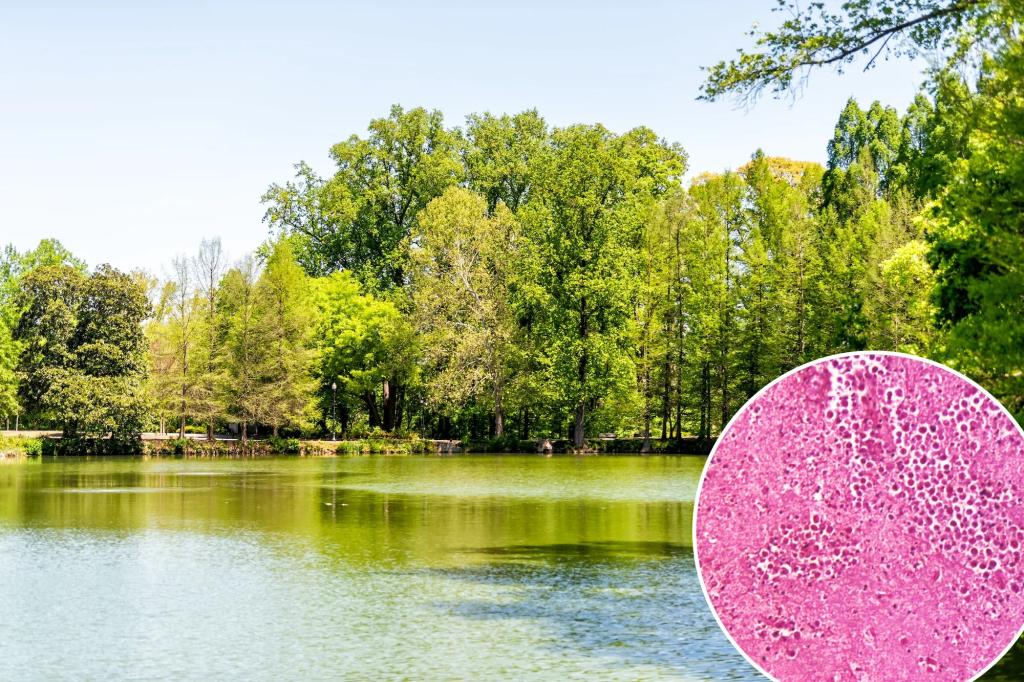
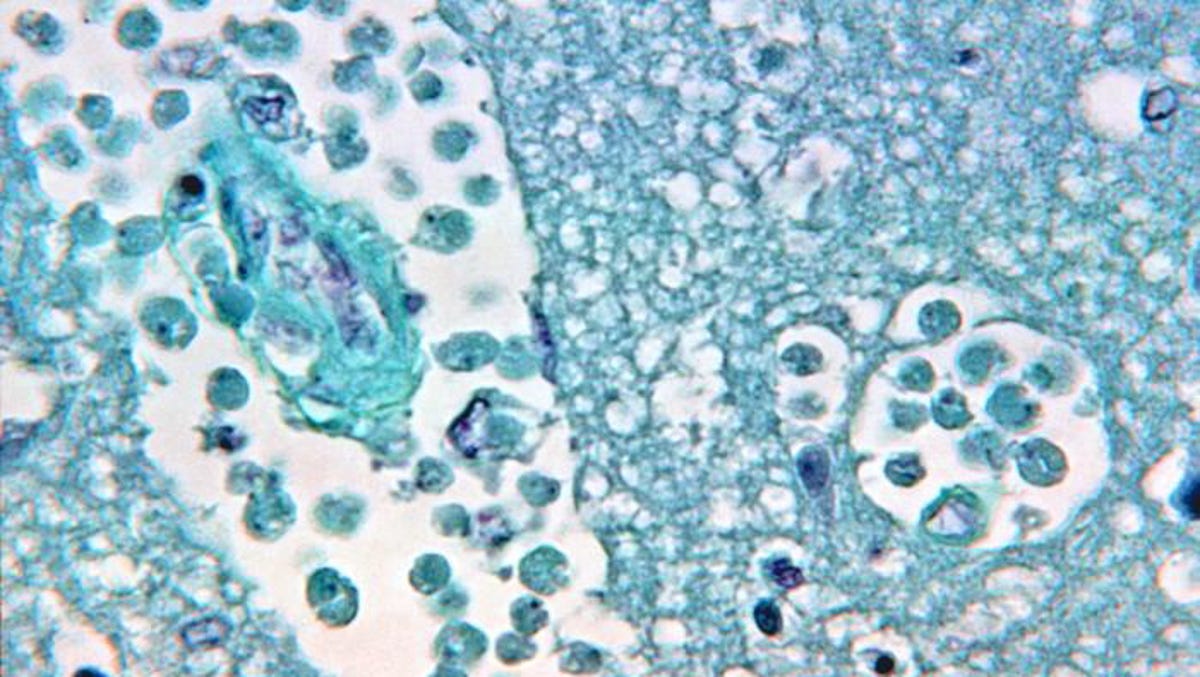
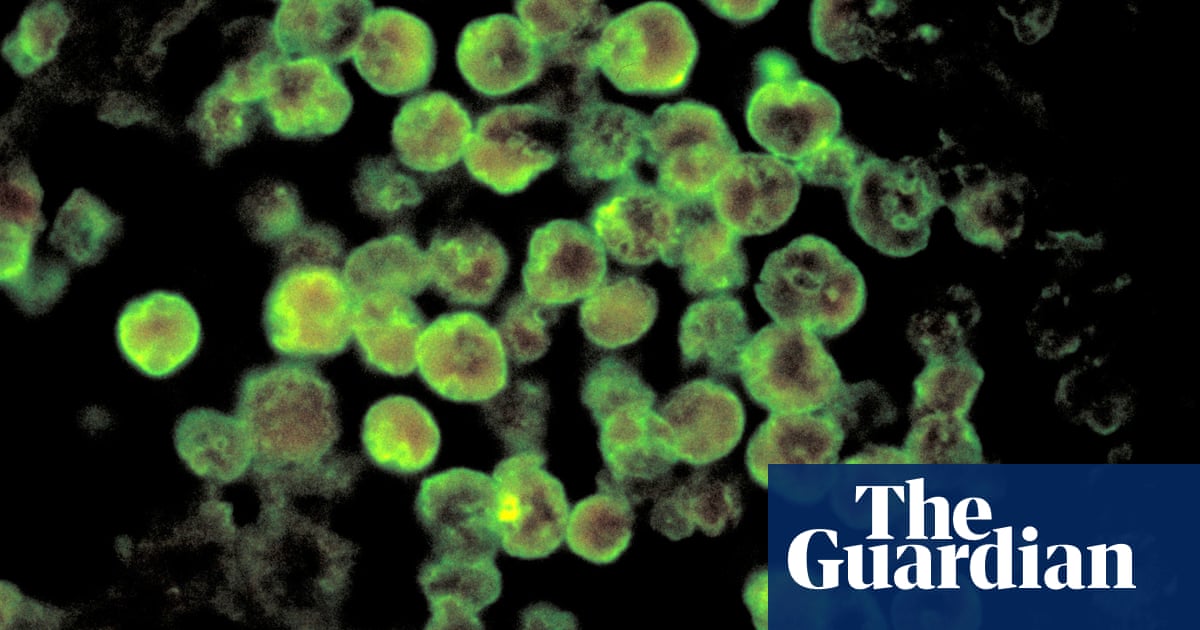
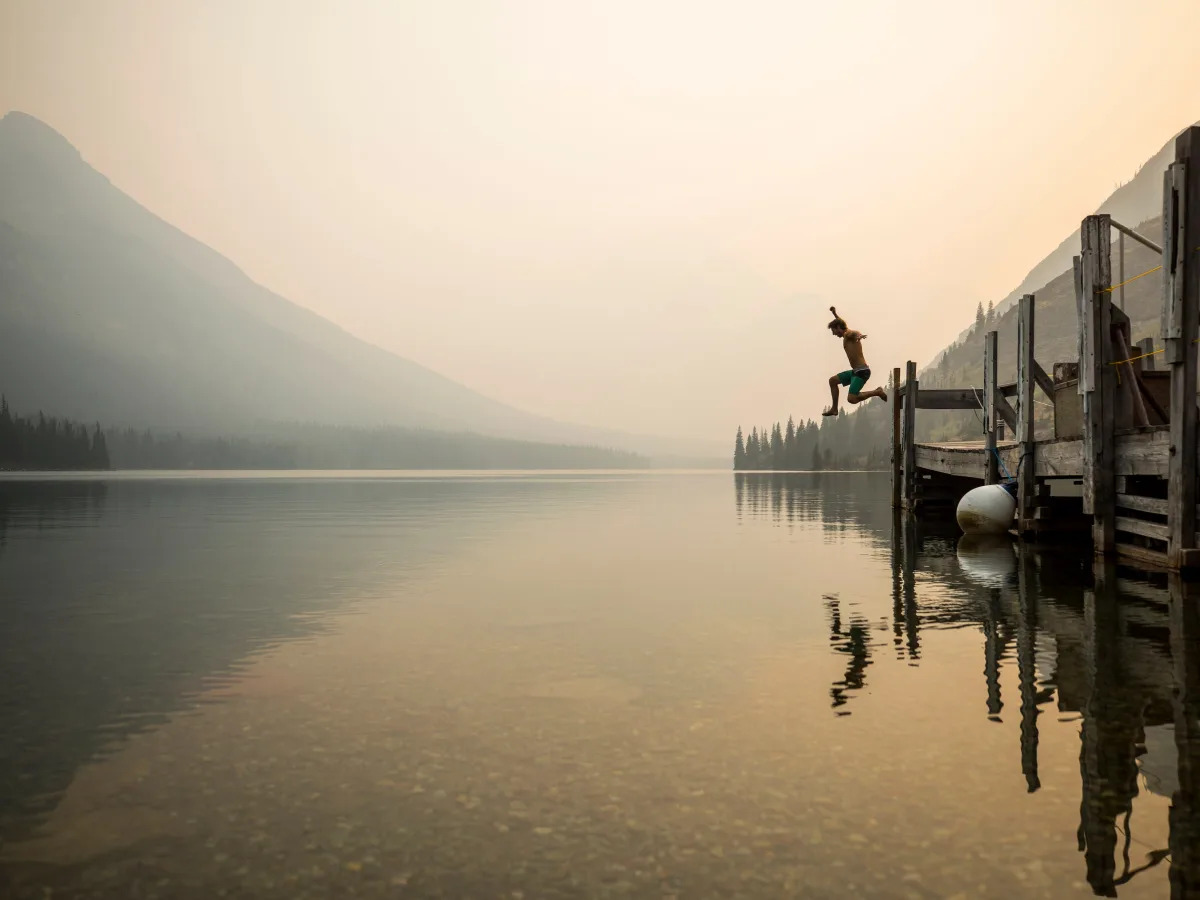
A resident of Georgia has died from a rare brain-eating amoeba infection, likely acquired while swimming in a freshwater lake or pond. The amoeba, known as Naegleria fowleri, destroys brain tissue and can cause brain swelling and death. It is naturally occurring in warm freshwater bodies and cannot infect people if swallowed or spread from person to person. Symptoms include severe headache, fever, nausea, and vomiting, progressing to a stiff neck, seizures, and coma. The infection can progress rapidly and lead to death within five days. To reduce the risk of infection, individuals are advised to limit water going up their nose while swimming and to avoid jumping or diving into bodies of fresh water.
A resident of Georgia has died from Naegleria fowleri, commonly known as the "brain-eating amoeba," after likely being infected while swimming in a freshwater lake or pond. Naegleria fowleri destroys brain tissue, causing brain swelling and usually death. This is the sixth reported case of Naegleria fowleri in Georgia since 1962. The amoeba enters the body through the nose and symptoms include fever, headache, vomiting, stiff neck, confusion, seizures, hallucinations, and coma. The risk of infection is rare, but the fatality rate is high at 97%. With rising temperatures due to climate change, experts warn that infections may become more common. Precautions include avoiding diving into warm freshwater, holding the nose shut or using nose clips, and avoiding stirring up sediment in shallow, warm freshwater.
A resident of Georgia has died from a rare brain infection caused by the "brain-eating amoeba," Naegleria fowleri. This is the sixth reported case in Georgia since 1962, with a few other cases reported across the US this year. The amoeba thrives in warm freshwater, making it more likely to proliferate as temperatures rise due to the climate crisis. The victim was likely infected while swimming in a freshwater lake or pond. Symptoms of the infection include severe headache, fever, nausea, and vomiting, which can progress rapidly and lead to death. People can reduce their risk by limiting water going up their nose while swimming.
A Georgia resident has died from a brain-eating amoeba infection, making it the second death from the infection announced this week. The individual was likely infected while swimming in a freshwater lake or pond in Georgia. This ultra-rare infection, caused by Naegleria fowleri, destroys brain tissue and usually leads to death. The amoeba thrives in warm freshwater and can enter the body through the nose, causing a brain infection known as primary amebic meningoencephalitis.