Blue Origin Pauses Space Tourism to Prioritize Moon Missions
Blue Origin will halt New Shepard space-tourism flights for at least two years to focus on NASA lunar missions, shifting resources from civilian trips to contracts for Moon exploration.

All articles tagged with #moon missions
Blue Origin will halt New Shepard space-tourism flights for at least two years to focus on NASA lunar missions, shifting resources from civilian trips to contracts for Moon exploration.
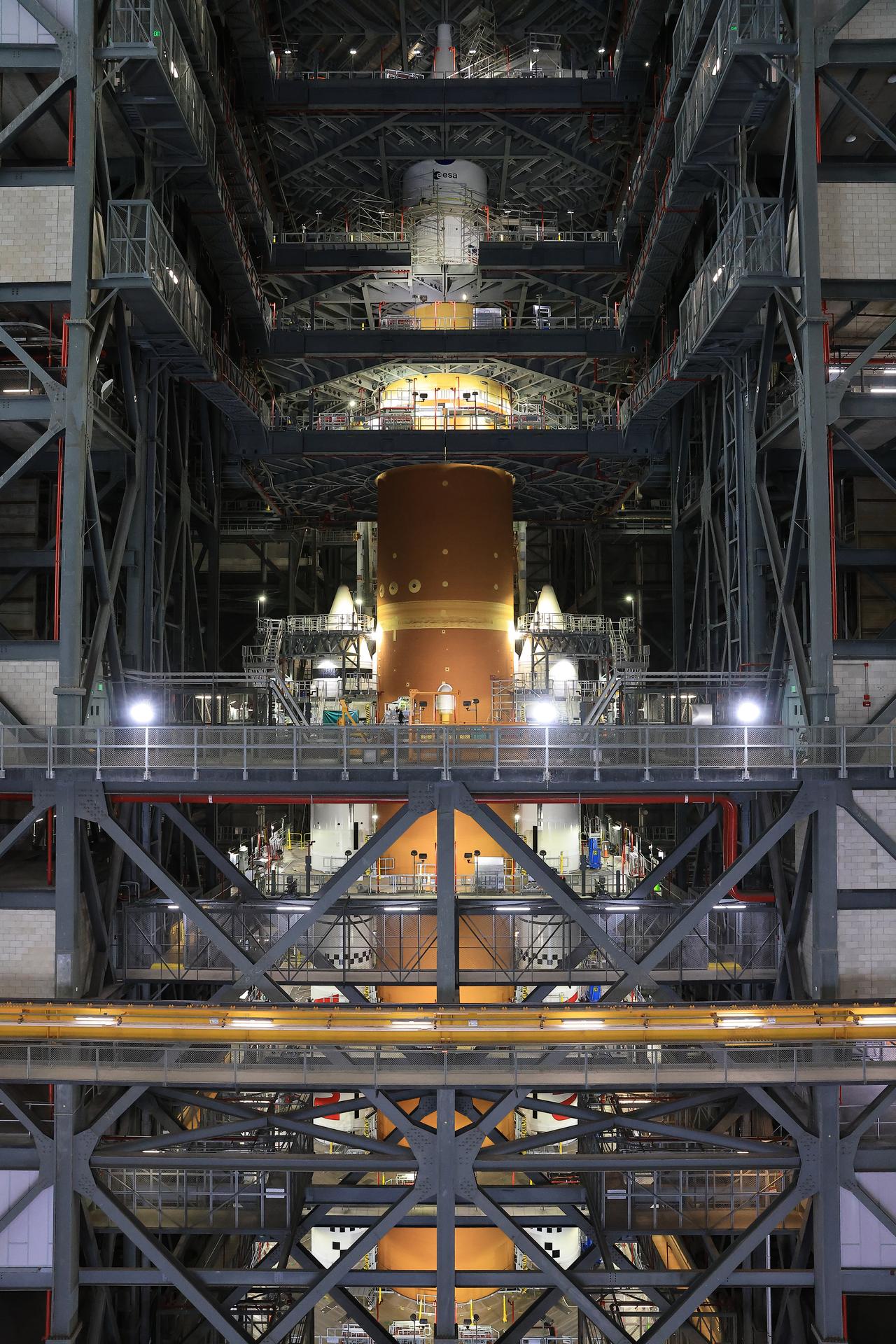
NASA Kennedy Space Center in 2025 prepared for the Artemis II Moon mission, launched multiple lunar landers and spacecraft, conducted astronaut missions to the International Space Station, and advanced Mars exploration plans, including testing the Orion spacecraft and stacking it with the SLS rocket for upcoming lunar missions.

NASA has successfully tested powerful new electric engines for the Lunar Gateway, a space station orbiting the Moon that will serve as a staging point for lunar and future deep space missions. These efficient electric thrusters will enable longer, more cost-effective trips by using electricity instead of fuel, marking a significant advancement in space propulsion technology and preparing for future Mars exploration.

In 2025, NASA made significant strides in space exploration, including preparing for the Artemis II crewed Moon mission, advancing Mars exploration efforts, launching scientific missions, and strengthening international partnerships, all while engaging the public through digital media and educational activities.
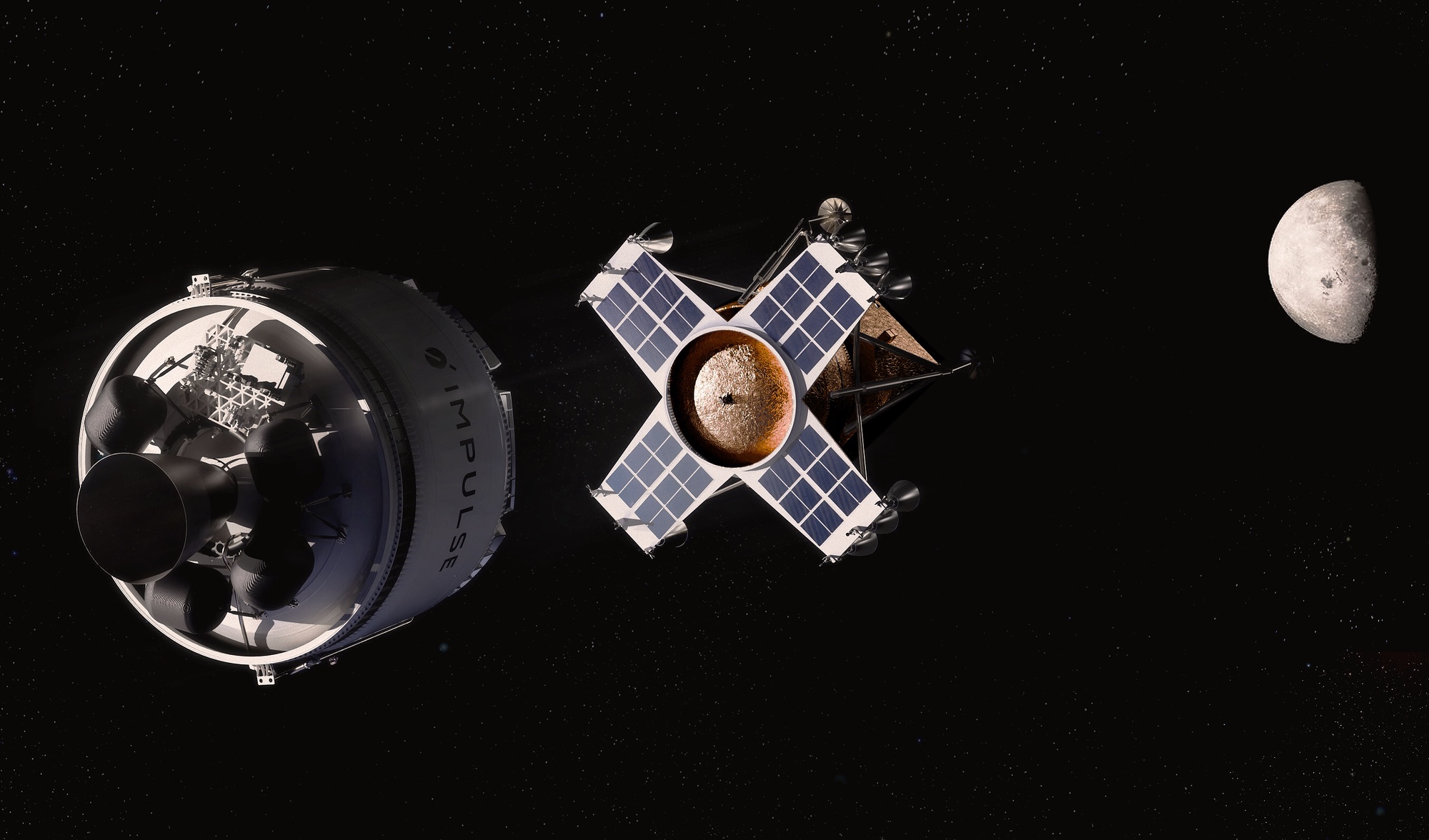
Impulse Space plans to develop a lunar lander capable of delivering three metric tons of cargo to the moon starting in 2028, aiming to fill a gap in mid-sized payload delivery for lunar infrastructure development, using their Helios transfer vehicle and existing propulsion technology.
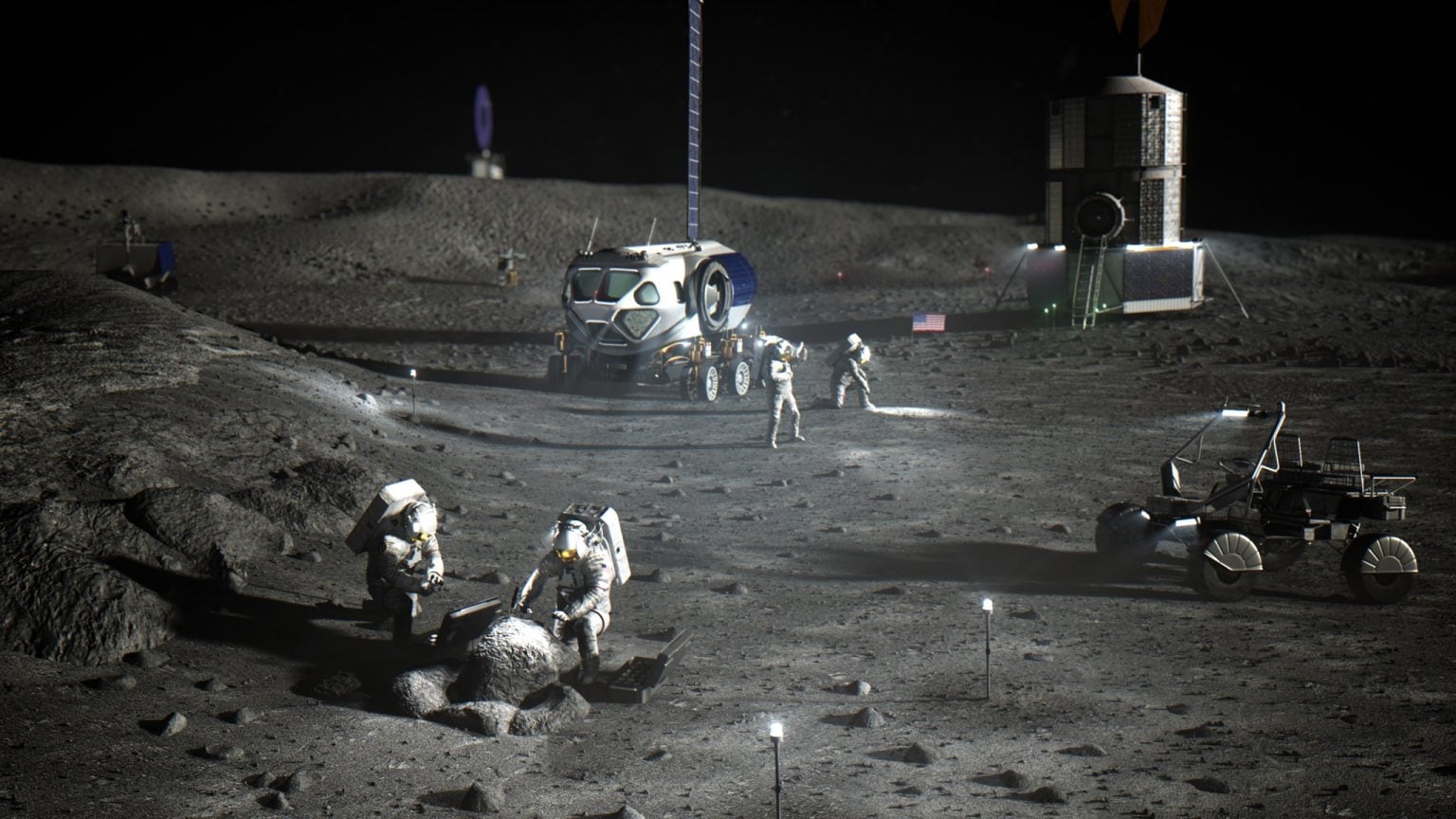
NASA's Artemis program aims to establish a sustainable human presence on the moon, with plans for longer stays and preparations for Mars exploration, including selecting landing sites, developing infrastructure, and fostering international and commercial partnerships, with Artemis 4 scheduled for no earlier than 2028.
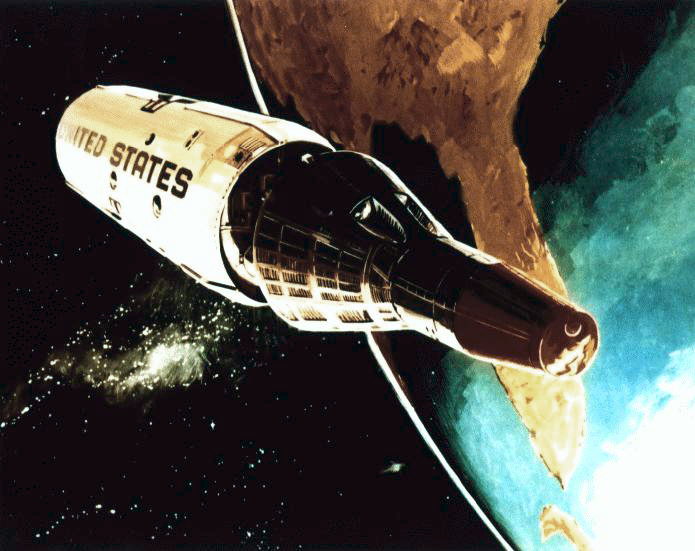
The article explores ambitious and innovative concepts for Project Gemini that were considered but never realized, including space station supply craft, lunar landing, and rescue missions, offering a fascinating glimpse into an alternate path of space exploration history.
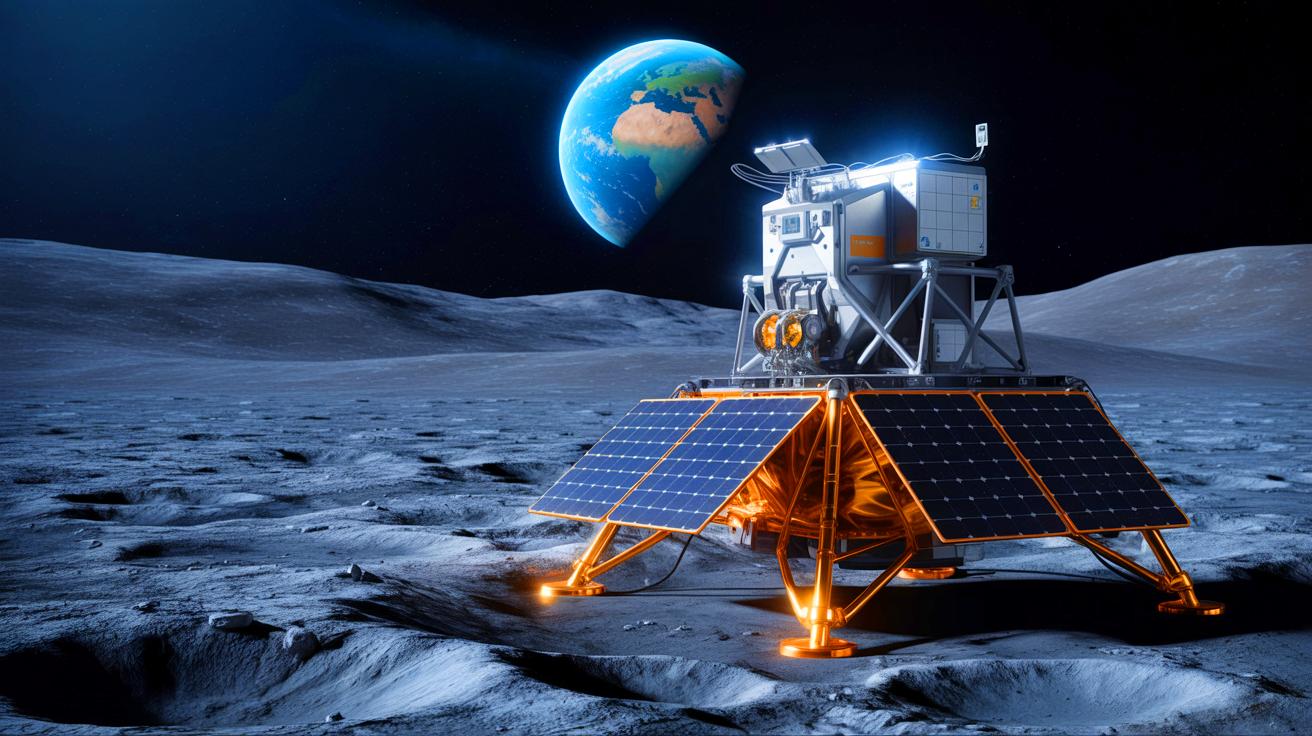
Chinese researchers have developed a solar-powered device that extracts water, oxygen, and fuel from lunar soil, potentially enabling sustainable long-term lunar colonies by reducing reliance on Earth supplies, despite technical challenges posed by the Moon's harsh environment.
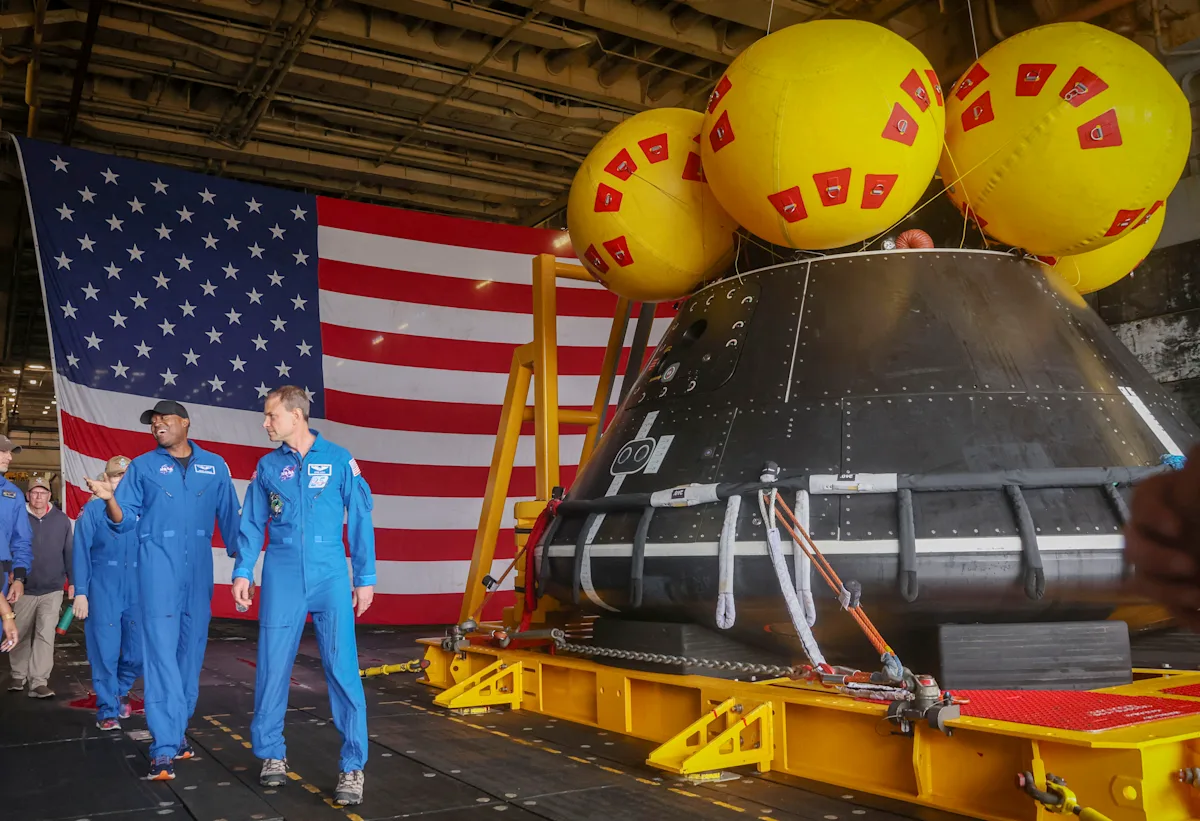
President Trump's proposed NASA budget for 2026 cuts science funding and ends key Artemis program components, but a Senate amendment, led by Senator Cruz, adds over $10 billion to support Artemis IV and V, including funding for the SLS rockets, Gateway lunar station, and moving the Space Shuttle Discovery to Texas, aiming to sustain lunar and Mars exploration efforts despite overall budget cuts.

The US Senate approved $10 billion for Moon missions, including funding for NASA's Artemis program and the Gateway space station, despite opposition from Elon Musk who criticizes the non-reusable SLS rockets. The budget aims to establish a sustained human presence on the Moon, but cuts to Artemis and other programs could negatively impact European space collaborations and future lunar exploration.

A test of NASA's new solid rocket motor, the BOLE, for future moon missions went wrong when debris and flames erupted during a static fire test, raising concerns about hardware reliability for upcoming Artemis missions. The test, conducted by Northrop Grumman, aimed to gather data to improve the design of the largest segmented solid rocket booster, which is crucial for the Artemis program's future lunar landings.
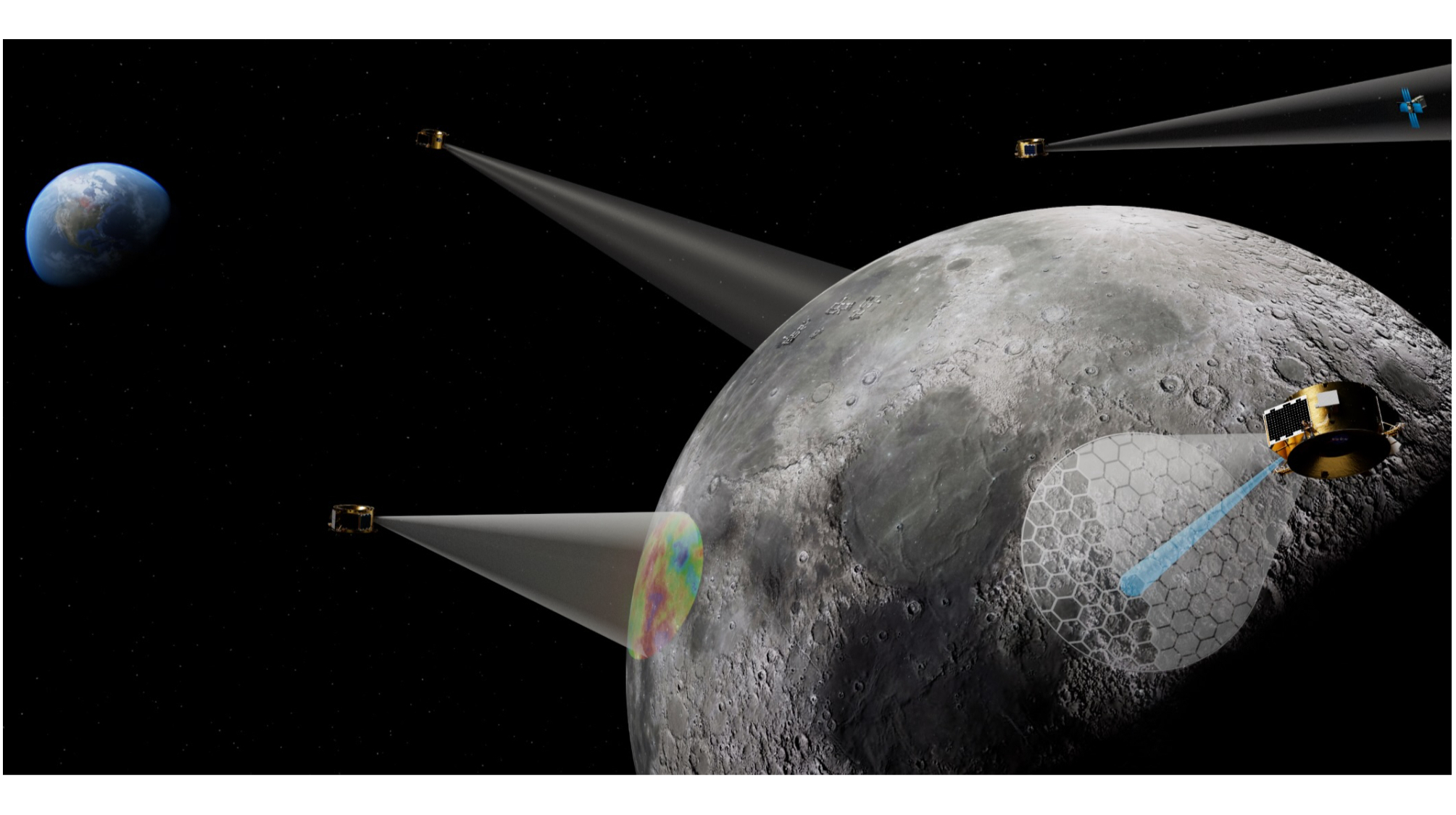
Firefly Aerospace is developing a lunar imaging service called Ocula, which will use a constellation of Elytra spacecraft equipped with high-resolution telescopes to provide detailed lunar surface images and support future missions, with plans to launch as early as 2026 and expand to Mars and other planets.
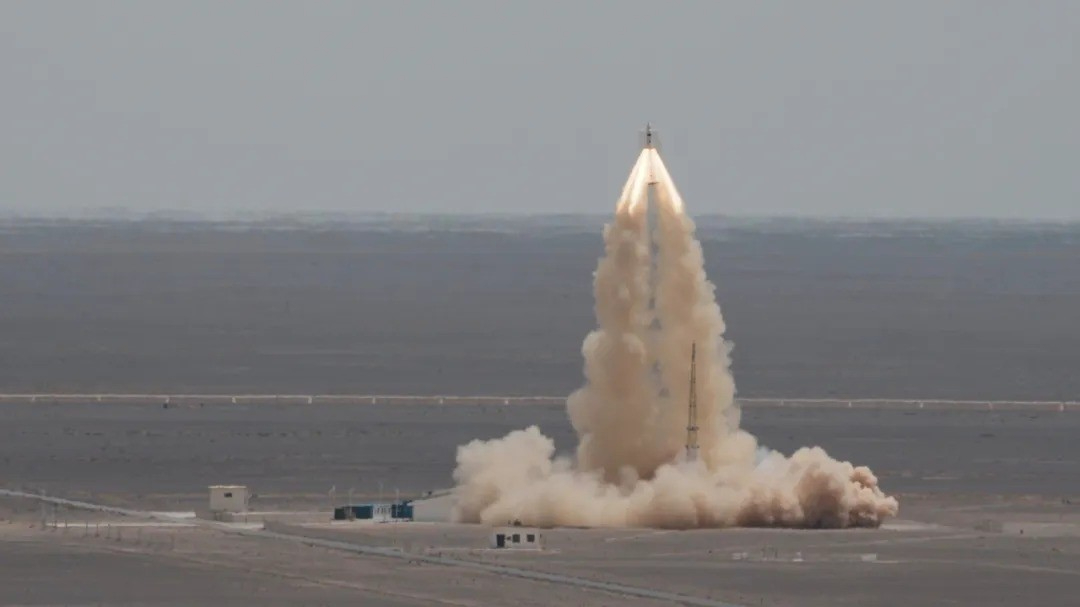
China successfully conducted a pad abort test of its next-generation lunar spacecraft, Mengzhou, marking a significant step toward its goal of landing astronauts on the moon, amid delays in NASA's Artemis program.
NASA and the European Space Agency are working to establish a standardized lunar time zone to coordinate upcoming international and private lunar missions. This initiative, part of the Artemis program, aims to address the logistical challenges posed by the moon's 29.5 Earth-day cycle and ensure precise navigation, communication, and synchronization for successful lunar operations.
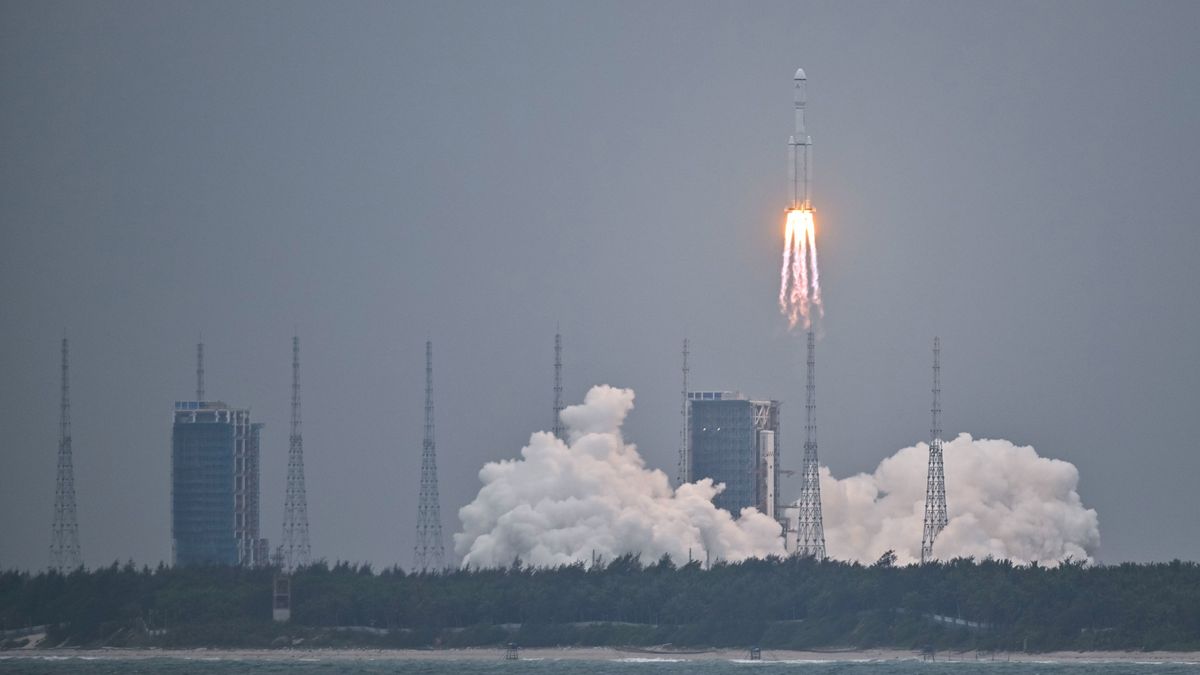
China launched the Queqiao-2 satellite toward the moon to support its lunar ambitions, with the spacecraft intended for a highly elliptical orbit to aid missions at the lunar south pole and far side. Additionally, China recently launched two other spacecraft toward the moon in an unannounced launch, and the American military is increasingly concerned with China's lunar ambitions, viewing them as potential attack vectors. China intends to land astronauts on the moon by 2030 and is working on an International Lunar Research Station with missions planned around 2026 and 2028.