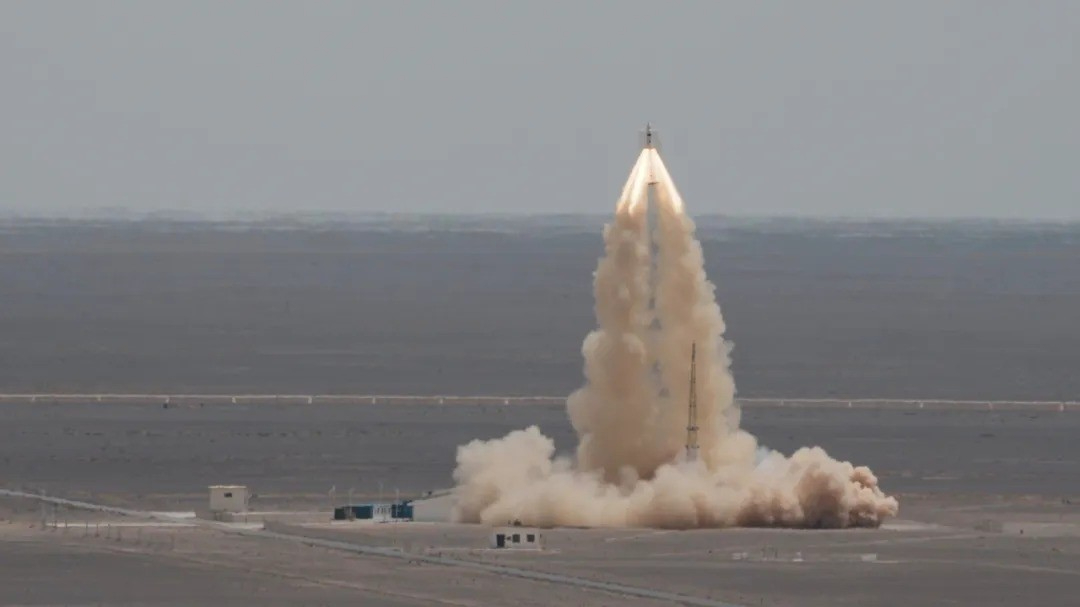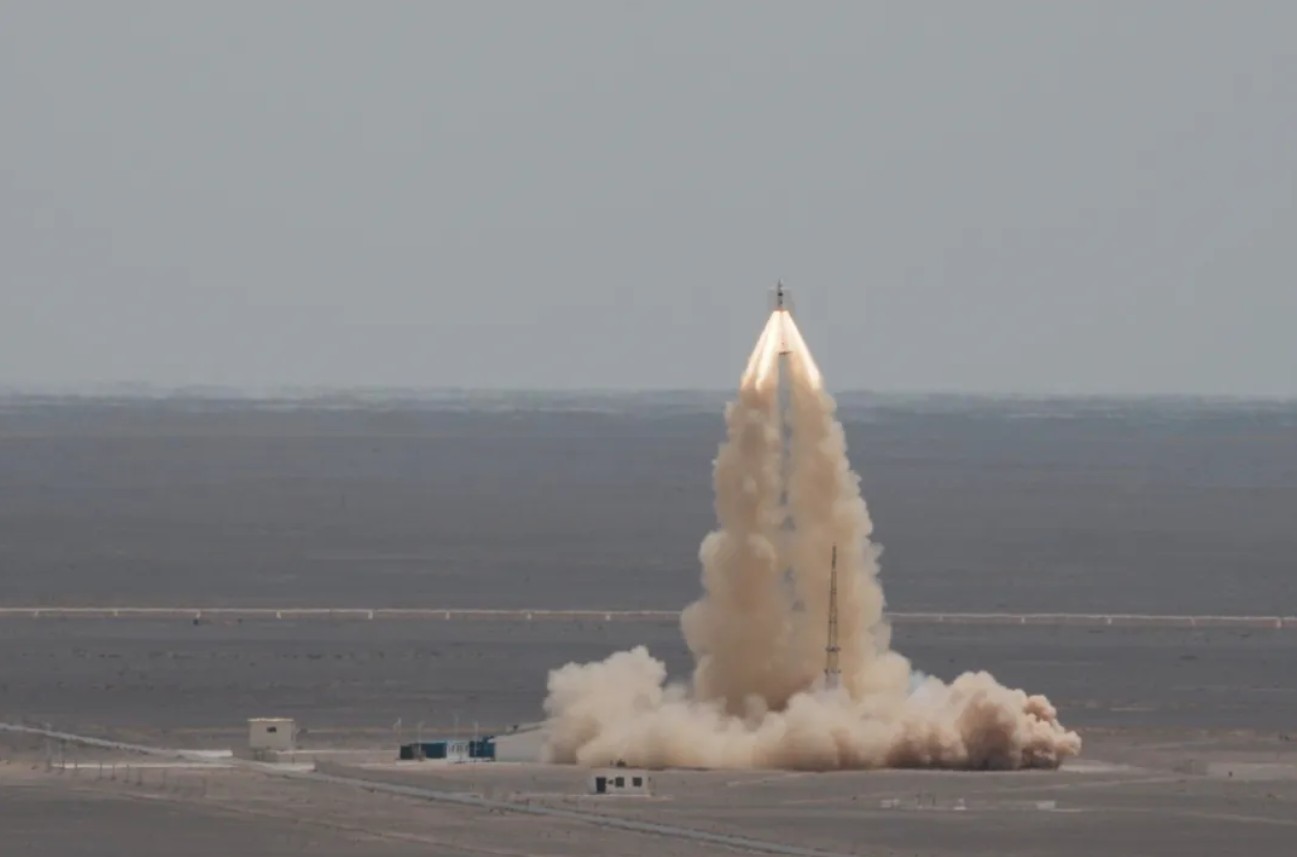
China successfully conducted a pad abort test of its next-generation lunar spacecraft, Mengzhou, marking a significant step toward its goal of landing astronauts on the moon, amid delays in NASA's Artemis program.
China successfully conducted a pad abort test of its next-generation crew spacecraft, Mengzhou, at Jiuquan Satellite Launch Center, marking a significant step toward its goal of lunar exploration by 2030. The test verified the spacecraft's emergency escape systems, demonstrating progress in China's human spaceflight capabilities and future lunar missions.
China's human spaceflight agency has named the spacecraft that will put astronauts on the moon, with Mengzhou designated for travel beyond low Earth orbit and Lanyue for lunar landing. The spacecraft will be launched using the Long March 10 rocket, and the mission involves a rendezvous and docking in lunar orbit, followed by a brief stay on the lunar surface before returning to Earth. Development of the primary spacecraft and related hardware is progressing well, with plans for lunar science payloads and crew lunar rover underway.