Two private spacecraft successfully performed an autonomous rendezvous in orbit during the Remora mission, demonstrating advanced proximity operations technology that could enable future satellite servicing and repair missions, developed by Impulse Space and Starfish Space in just nine months.
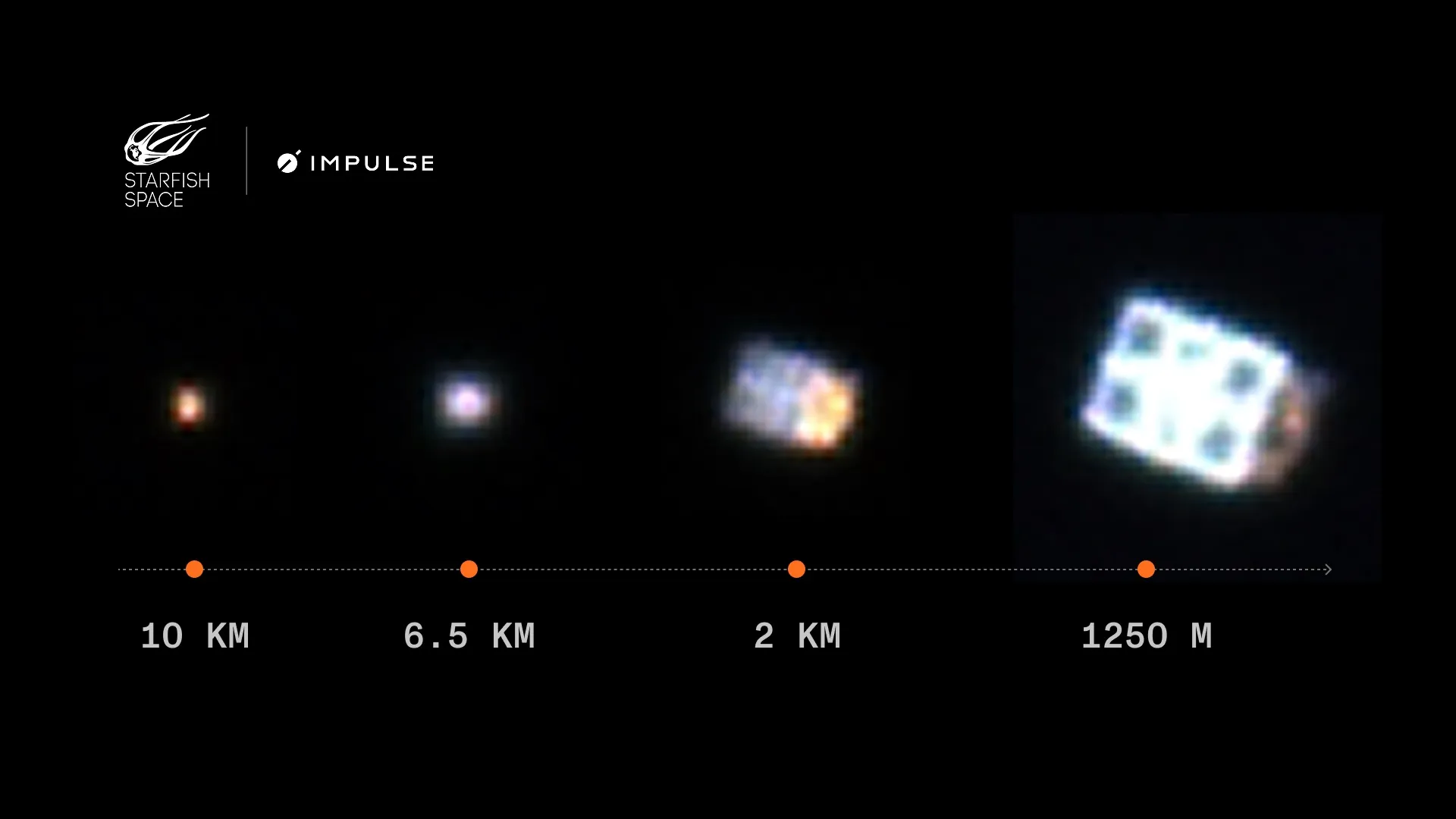
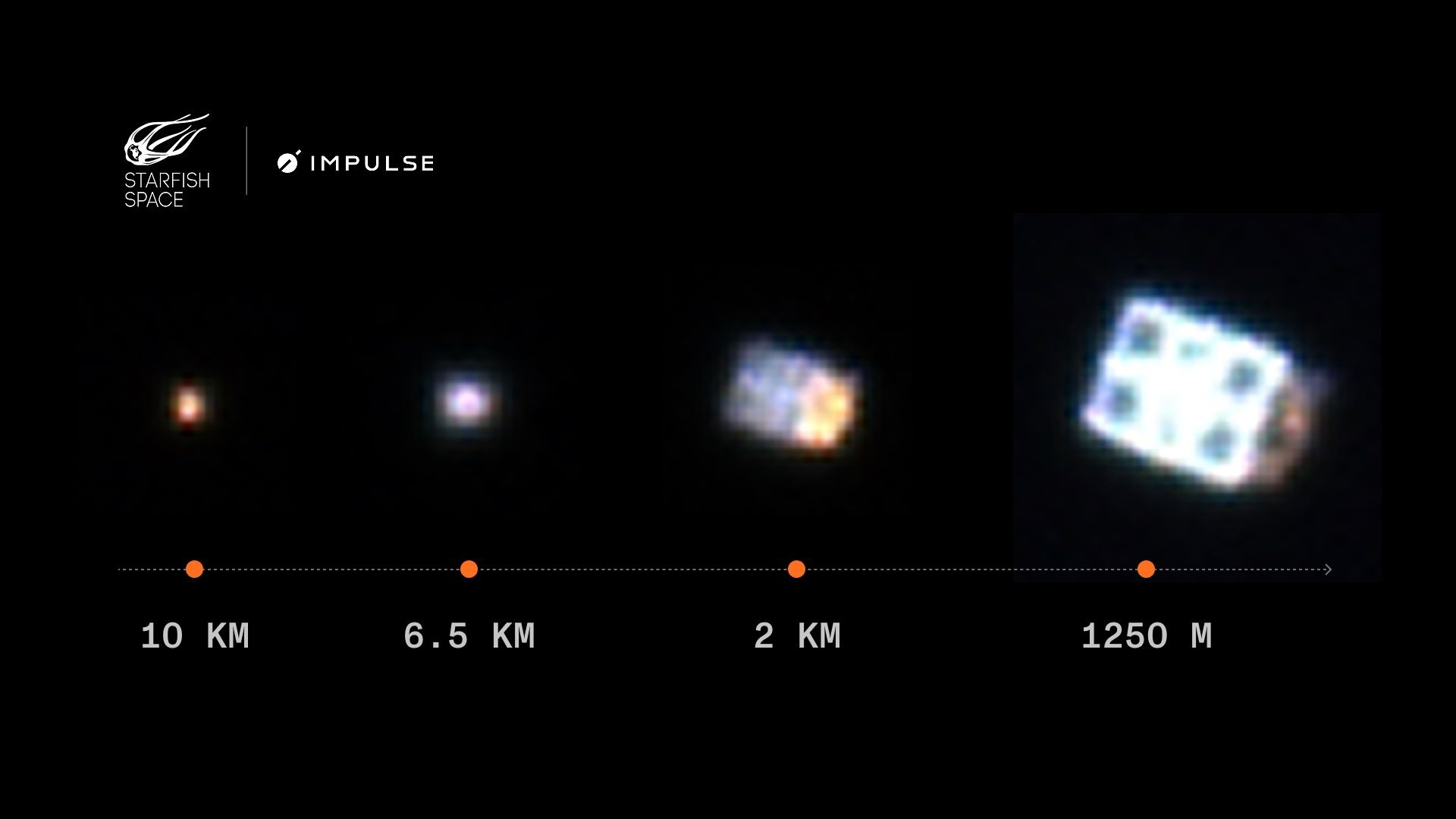
Starfish Space and Impulse Space successfully demonstrated autonomous spacecraft proximity operations using only a single camera for navigation during the Remora mission, achieving a close approach of about 1,250 meters between two Mira spacecraft, showcasing a simpler and potentially more cost-effective method for spacecraft rendezvous and proximity activities.
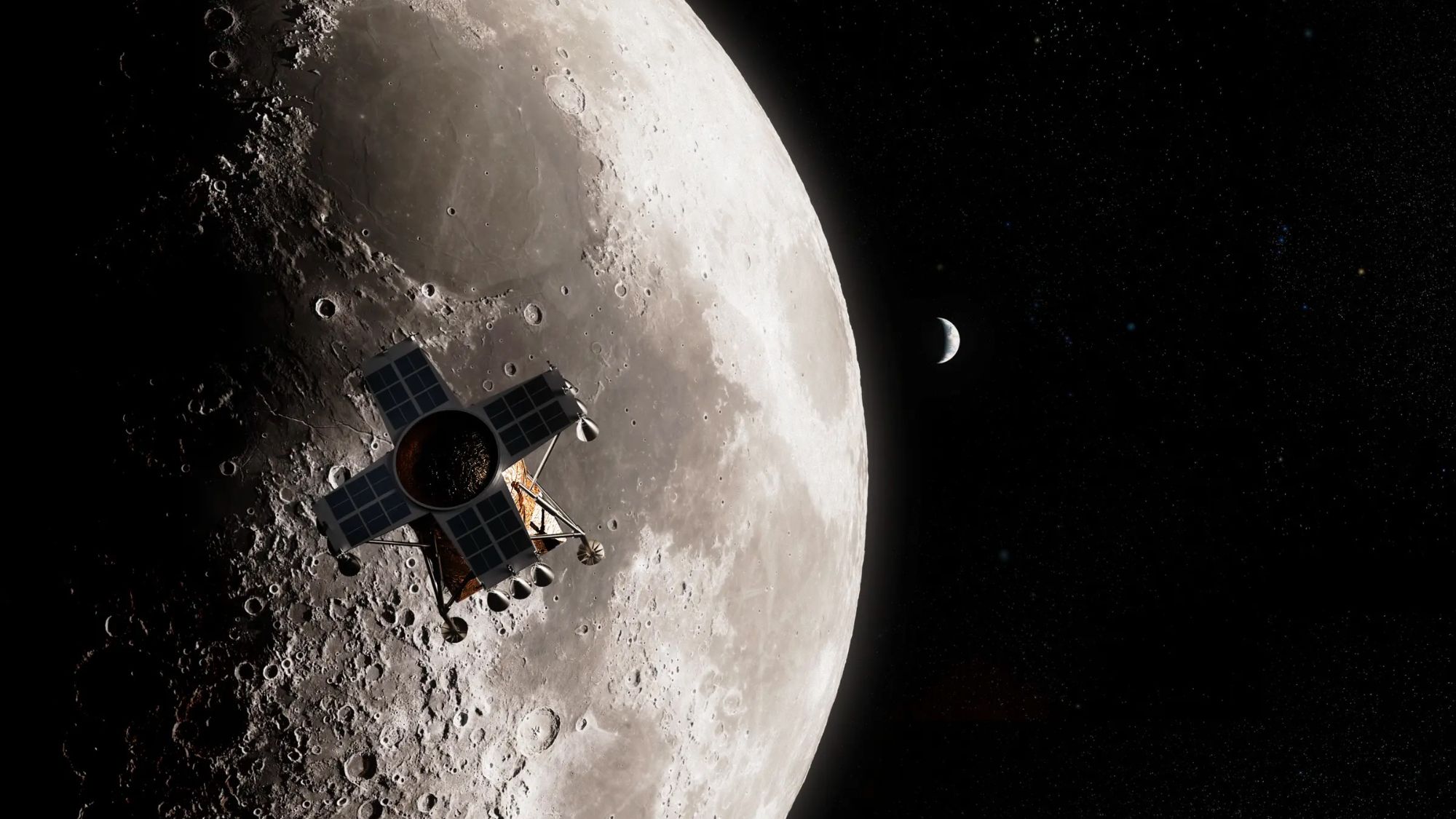
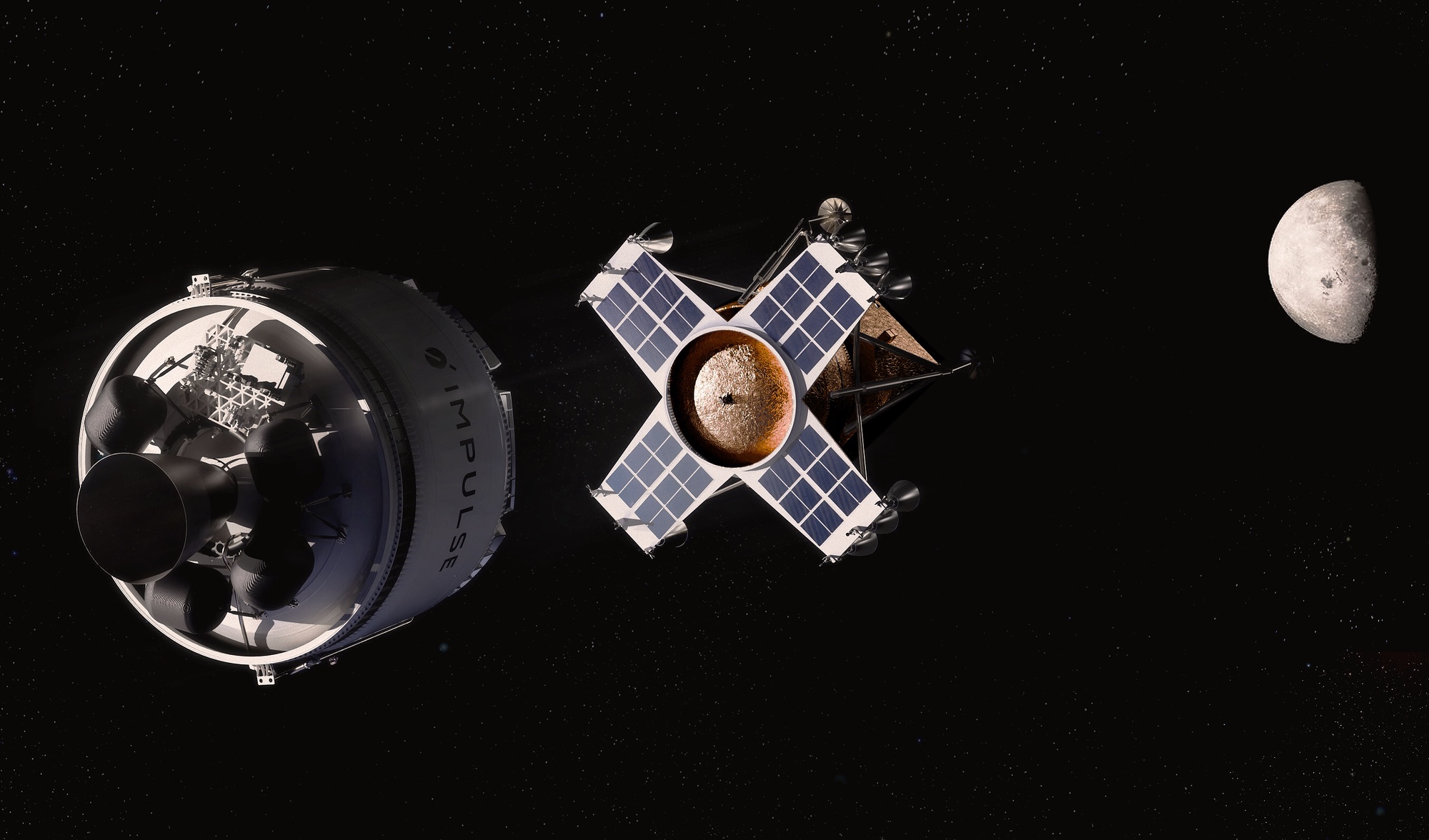
Impulse Space, founded by former SpaceX employee Tom Mueller, plans to develop a robotic lunar lander with a potential first mission as early as 2028, aiming to deliver up to 3 tons of payload to the moon using its Helios kick stage and in-house built lander, expanding private lunar exploration efforts.
Impulse Space plans to develop a lunar lander capable of delivering three metric tons of cargo to the moon starting in 2028, aiming to fill a gap in mid-sized payload delivery for lunar infrastructure development, using their Helios transfer vehicle and existing propulsion technology.
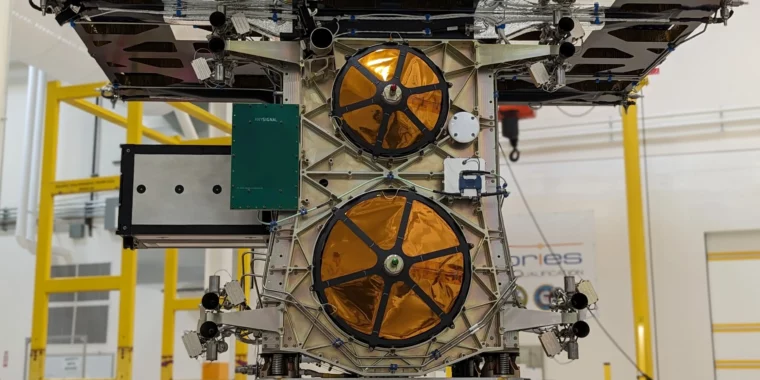
The US is advancing its space capabilities through a collaboration between Anduril and Impulse Space to develop a demonstration satellite for rapid rendezvous and proximity operations, utilizing innovative propulsion and imaging technologies to enhance military and commercial satellite operations, with plans for a significant mission in late 2026.
Impulse Space, a company founded by former SpaceX employee Tom Mueller, successfully launched its first spacecraft, the Mira, on a test flight during a SpaceX Falcon 9 rocket mission. The Mira spacecraft is designed to provide in-space propulsion, allowing satellites to reach different altitudes or inclinations after being released into a basic orbit. Impulse Space aims to make it cheap and easy for customers to access various orbits and destinations within the Solar System. The company has already secured customers and plans to fly the Mira spacecraft on future SpaceX missions.
Tom Mueller, the founder and CEO of Impulse Space and former SpaceX employee, reflects on the early days of SpaceX and his work on the Merlin rocket engine. He discusses Impulse Space's goals of providing precise orbital maneuvering vehicles for last-mile payload delivery in low Earth orbit (LEO) and facilitating better orbital logistics for clients. Mueller also shares his thoughts on the future of the space industry, including the rush for a lunar economy and the potential of building things in space using resources from the moon. Impulse Space's first orbital mission is scheduled for November 2021.
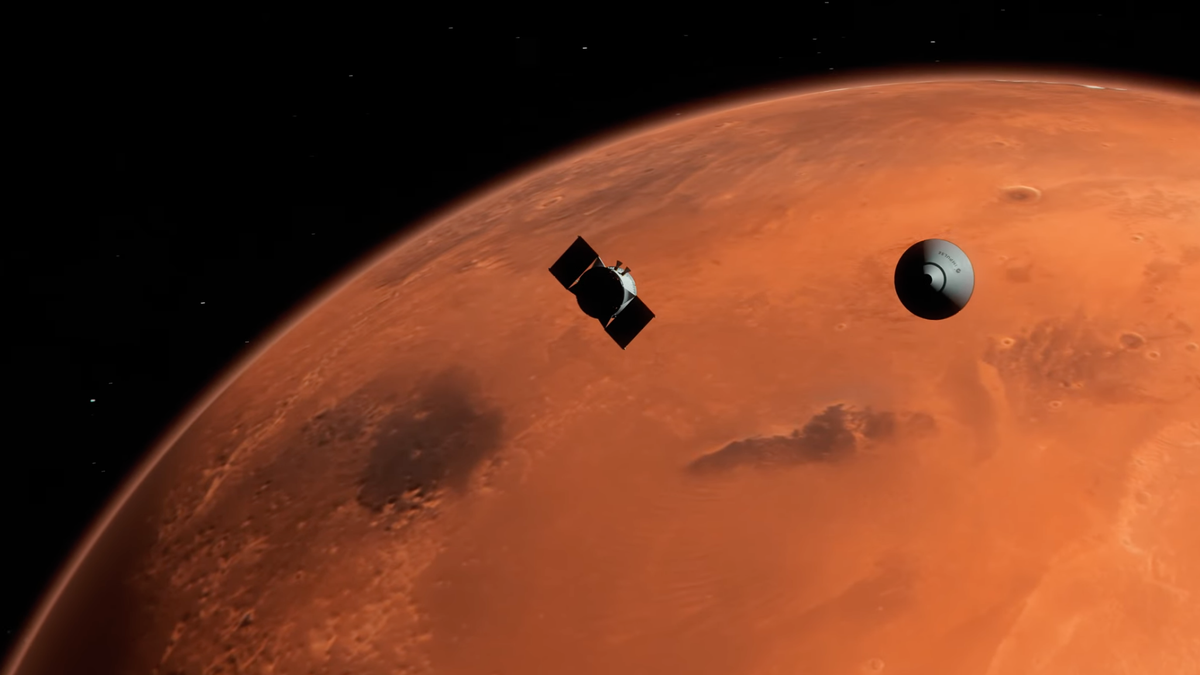
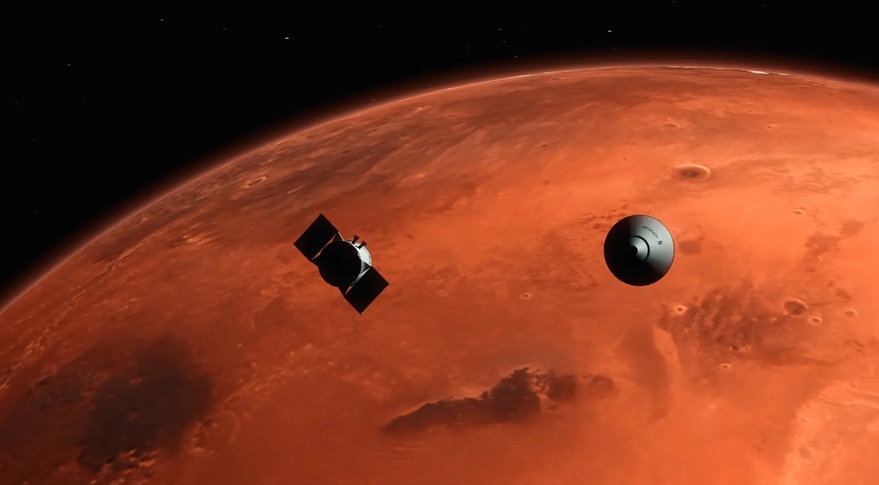
Relativity Space and Impulse Space are planning to become the first commercial venture to land on Mars and launch regular missions to create a "constant supply chain to Mars." They aim to send at least one mission for every launch window, which opens up every 26 months. The companies hope to make transport to Mars more affordable and open up new possibilities for space exploration.
Impulse Space and Relativity Space are targeting a 2026 launch for the first commercial robotic Mars lander mission, with plans for a regular series of such missions every 2.2 years. The companies aim to offer a catalog of different payload options and leverage designs and technologies developed for NASA’s InSight Mars lander. NASA is seen as one potential customer of those landers, and the companies want to demonstrate that there are companies both interested in and able to take on Mars missions.